Located in Shinagawa's Kamiosaki district, モルソー (Morseau) is a French-inflected restaurant that sits within Tokyo's quietly serious dining tier, venues that operate without the noise of major award cycles but attract a committed local following. The address, in a residential pocket south of the Yamanote Line, places it outside the usual circuit of Ginza and Minami-Aoyama fine dining, which is precisely part of its character.
Pearl is the En Primeur Club membership app — saves, bookings, and concierge access live there. Same editors, same standards.
- Address
- Japan, 〒141-0021 Tokyo, Shinagawa City, Kamiosaki, 2 Chome−18−25 目黒三田フラワーマンション
- Phone
- +81334911646
- Website
- morceau.pinoko.jp
- Directions
- Get directions
 Saves & bookings on Pearl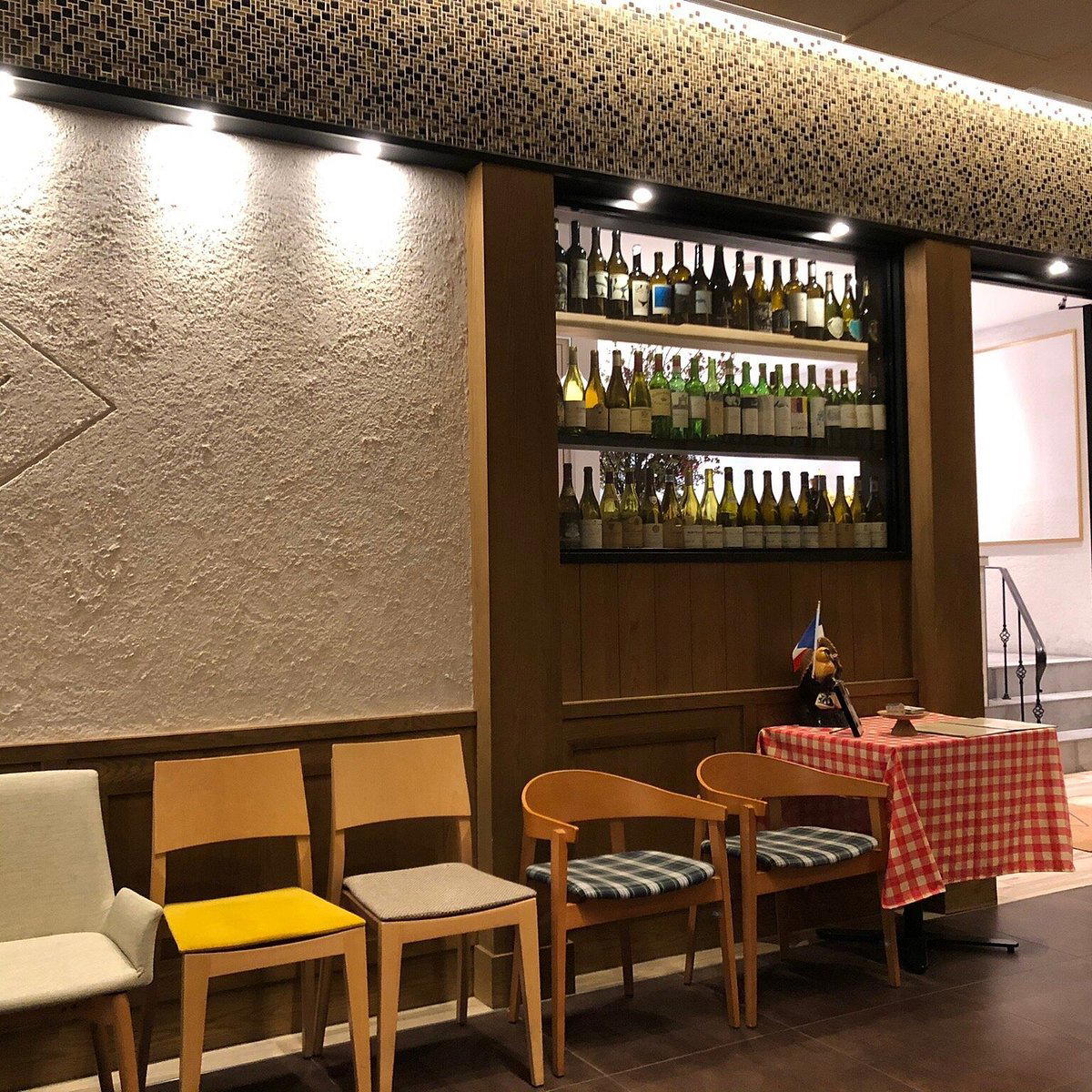
A Southward Address in a City That Rewards Off-Circuit Dining
Tokyo's fine dining geography has long been concentrated along a northwestern arc: Ginza, Shimbashi, Minami-Aoyama, Roppongi. Venues in those corridors compete for the same international food-press attention and, increasingly, the same pool of expense-account bookings. Shinagawa tells a different story. The ward, anchored by one of Tokyo's busiest transit hubs, has accumulated a quieter tier of serious restaurants over the past two decades, places serving a local clientele of professionals and repeat visitors rather than tourists orienting by starred-restaurant maps.
モルソー sits in Kamiosaki, a sub-district within Shinagawa City that sits just south of the Yamanote Line's curve. The address places it at a remove from the high-visibility corridors where L'Effervescence and Sézanne operate, both of which draw substantial international traffic alongside their Japanese regulars. That separation is not incidental. Restaurants in Kamiosaki and the surrounding pocket answer primarily to a neighbourhood standard, which in Tokyo means something considerably more demanding than in most other cities.
The French Tradition in Tokyo and Where モルソー Fits
France's culinary influence on Tokyo runs deeper than most dining cities outside Europe. The relationship began in earnest in the 1970s and accelerated through the 1980s, when Japanese chefs training in Lyon and Paris returned with technique and brought it into contact with local ingredient standards. By the 1990s, Tokyo had developed a French restaurant culture with its own internal logic: smaller portions, higher ingredient specificity, and a service formality that owed as much to Japanese hospitality norms as to classical French codes.
That tradition now splits across several tiers. At the upper bracket, venues like Crony work within an innovative French framework, pushing against classical structure while maintaining rigorous sourcing. Mid-tier French restaurants in Tokyo tend to hold a different brief: reliable classical execution, tight wine programs, and a room that sustains regulars across seasons. The name itself, モルソー, signals a French orientation.
What that French mid-tier does particularly well in Tokyo is the tasting progression: a sequence of courses built around contrast and accumulation rather than spectacle. This is the format that defines serious French dining in the city at this price point, and it is distinct from the kaiseki model used at venues like RyuGin, where the seasonal narrative is explicit and the course order carries ceremonial weight. French multi-course dining in Tokyo tends toward a more European arc, aperitif, amuse, starter, fish, meat, cheese, dessert, but executed with ingredient precision that reflects the Japanese market's advantages in sourcing.
Reading the Meal as a Sequence
In the French tasting format as practiced in Tokyo, the opening courses carry editorial weight. Amuse-bouche and first courses set the kitchen's vocabulary, its level of technical confidence, its relationship to classical French canon, its willingness to incorporate Japanese produce or preparation. A kitchen that leads with clean, technically grounded small plates signals that the middle courses will hold rather than drift.
The fish and meat courses in a Tokyo French progression typically reflect what is available in the market that week. Tokyo's access to domestic seafood, from Hokkaido uni to Nagasaki grouper, gives even mid-tier French kitchens a sourcing advantage that their European counterparts rarely match. The meat course, by contrast, often demonstrates the kitchen's European training most directly: whether it follows French tradition or incorporates Wagyu, and how it handles sauce and reduction, tends to reveal the chef's lineage and priorities.
Cheese and dessert in this format are often where Tokyo French restaurants most clearly differentiate. Cheese programs in Tokyo have improved considerably over the past decade as import regulations and specialist affineurs have expanded. Dessert in this city's French kitchens frequently skews lighter than their Parisian counterparts, reflecting local palate preferences, less cream-forward, more fruit and sorbet-led, with occasional Japanese confectionery influence.
Guests should expect a casual French bistro format.
Shinagawa as a Dining District
Shinagawa's dining character differs from Minato or Shibuya wards in one consistent way: it retains a higher proportion of restaurants oriented toward local repeat business rather than destination dining. That dynamic tends to produce more stable, less trend-driven kitchens, venues that have made their case to a neighbourhood and continue serving it rather than recalibrating annually for new press cycles.
The French restaurant tradition within that dynamic often produces particularly consistent meals in the city. Without the pressure of international rankings, unlike, say, the environment in which Harutaka operates in Ginza, a kitchen can settle into its own rhythm. Regulars at these venues often cite consistency as the primary draw: the same standard across visits, the same wine list logic, the same service pace.
For context on how Japanese dining destinations outside Tokyo operate within similar neighbourhood dynamics, the same pattern appears in Osaka at HAJIME, in Kyoto at Gion Sasaki, and in smaller markets like akordu in Nara and Goh in Fukuoka. Across all of them, the principle holds: serious restaurants outside primary dining circuits build their reputations through repetition and local trust rather than through international visibility.
Planning Your Visit
Reservations are recommended. Dress: Smart casual. Budget: Expect about US$80 per person before wine. Getting there: The Kamiosaki address is in Shinagawa City, Tokyo.
Awards and Standing
Comparable venues nearby, for context on price, style, and recognition.
| Venue | Cuisine | Price | Notes |
|---|---|---|---|
| モルソーThis venue — the venue you are viewing | Casual French Bistro | $$$ | Not listed |
| Au Gamin de Tokio | French Bistro | $$$ | Ebisu |
| ロクターヴ ハヤト コバヤシ | Modern French Gastronomy | $$$ | Shibuya |
| デュ バリー | Casual French Bistro with Reims Regional Specialties | $$$ | Setagaya |
| ビストロシンバ | French-Japanese Fusion Bistro | $$$ | Chūō |
| ヤオユ | Contemporary French Bistro | $$$ | Chiyoda |













At a Glance
- Cozy
- Elegant
- Intimate
- Date Night
- Business Dinner
- Special Occasion
- Open Kitchen
- Terrace
- Extensive Wine List
- Sake Program
- Local Sourcing
- Street Scene
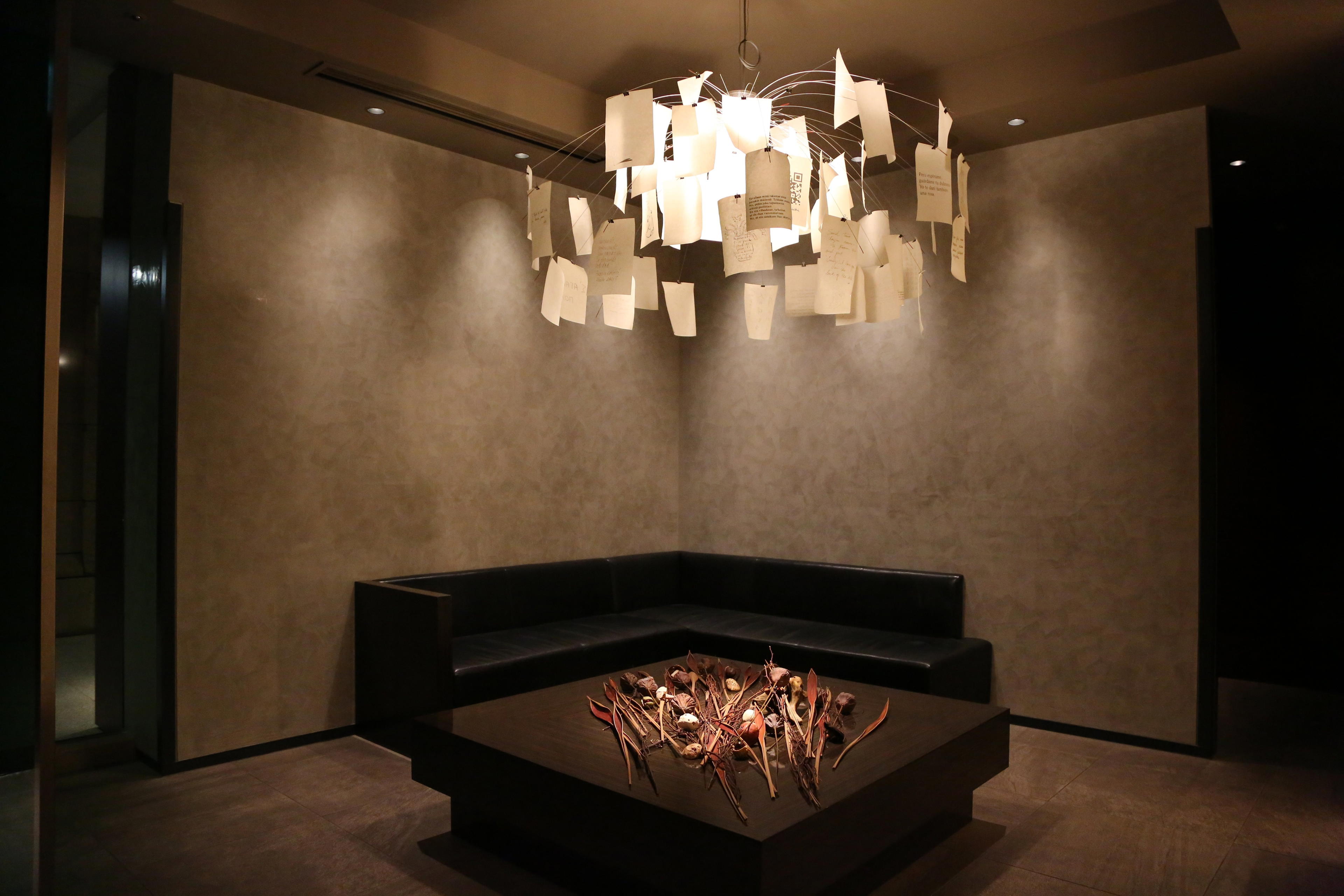
Bright and clean restaurant with a cozy, homely atmosphere and views of seasonal park greenery.