シェ オリビエ serves Classic French Cuisine with organic, local sourcing and farm-to-table focus; formal service, conversational noise, and leisurely pacing fit dinner.
Pearl is the En Primeur Club membership app — saves, bookings, and concierge access live there. Same editors, same standards.
- Address
- Japan, 〒102-0074 Tokyo, Chiyoda City, Kudanminami, 4 Chome−1−10 グランドメゾン九段南 1F
- Phone
- +815054871412
- Website
- chezolivier.co.jp
- Directions
- Get directions
 Saves & bookings on Pearl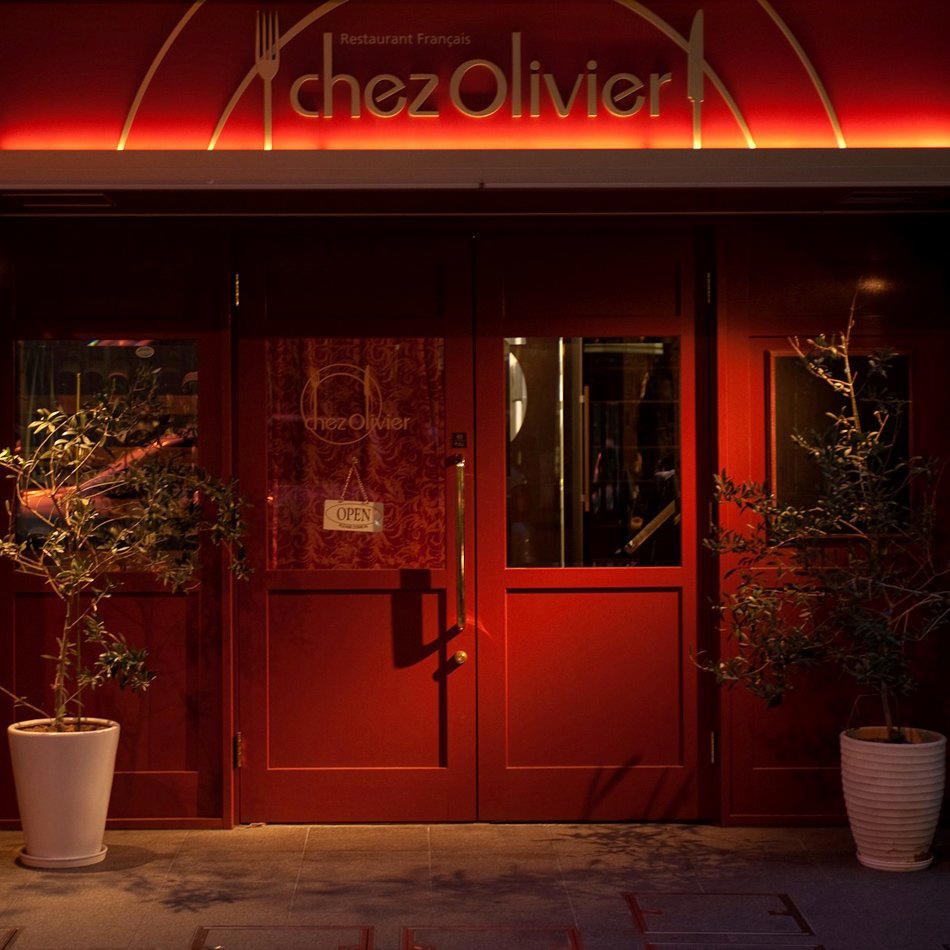
French Dining in Tokyo's Chiyoda Quarter
French cuisine in Tokyo has occupied a particular position in the city's restaurant ecosystem for decades. Long before omakase counters consumed the international conversation about Japanese fine dining, French kitchens were among the more formally observed rooms in the city, absorbing French brigade structure and classical technique with the same systematic rigour that Tokyo applies to most things. That tradition continues across Chiyoda, where quieter neighbourhood bistros and formal French houses coexist with the government ministries and old-money residential buildings that define the ward's character. シェ オリビエ sits in Kudanminami, a district more associated with Budokan concerts and Yasukuni Shrine foot traffic than with destination dining, which places it in the category of French restaurants that thrive on local loyalty rather than tourist circuits.
French cooking landed in Japan with lasting institutional weight. By the 1960s and 1970s, classical French training was a mark of serious culinary ambition, and the city's adoption of French house names, prefixed with “Chez” or decorated with Gallic signage, was not affectation but signal. A restaurant name beginning with “Chez” still carries that historical encoding: it places the room inside a lineage of French-operated or French-inspired establishments that understood hospitality as a structured, repeated ritual rather than a performance. In Tokyo, that structure never entirely gave way to the casualisation that swept through European French dining in the 1990s. The tablecloth, the pacing, and the sequenced plate arrival held.
The Ritual of a French Meal in Tokyo
The dining ritual at a Tokyo French restaurant of classical orientation is worth understanding before you arrive, because it differs from its Parisian equivalent in ways that matter. In France, the rhythm of a meal is negotiated loosely between diner and room, with service adapting to conversational pace. In Tokyo, French service tends to run on tighter choreography: courses arrive on a schedule that respects the kitchen's sequence, bread is renewed without prompting, and the expectation that you will remain at the table for the meal's full arc is implicit rather than stated. This is not rigidity, it is hospitality expressed through precision, a quality that Tokyo transfers from its own service culture into every imported format it adopts.
Kudanminami adds a specific layer to this. The neighbourhood is not a dining destination in the sense that Ginza or Nishiazabu are, where a visitor moves between two or three rooms in an evening. Dinner here is an event in itself, made without the option of wandering down to a backup choice if the mood doesn't land. That isolation tends to concentrate the experience. The room carries more weight when it is the only room you have committed to for the night.
For comparison, the leading bracket of Tokyo French dining, places like L'Effervescence, Sézanne, and Crony, operates at ¥¥¥¥ price points with Michelin recognition and reservation queues that stretch months ahead. These are rooms where the ritual is amplified by scale of investment and critical scrutiny. A neighbourhood French house in Kudanminami operates under different terms: the ritual is the same in form, but the stakes of the room are calibrated differently, which can make the meal feel less pressurised and more personal.
Placing Kudanminami on Tokyo's Dining Map
Chiyoda City covers an arc from the Imperial Palace grounds east toward Akihabara, north toward Jimbocho's bookshop district, and south toward Nagatacho's political quarter. Kudanminami sits at the northern edge of this arc, close to the junction of Yasukuni-dori and the refined Shuto Expressway. The area's restaurant density is lower than Ginza or Shinjuku, and the establishments that succeed here tend to have done so through repeat custom from office workers, local residents, and visitors drawn specifically to the address. Ground-floor units in residential buildings like the Guren Mezon Kudanminami complex, where シェ オリビエ operates from the 1F, are a common format for this type of restaurant: modest frontage, deliberate interior, anchored to the building's residential community as much as to any broader reputation.
This model is well-established across Japanese cities. Some of Japan's most considered small French restaurants operate from residential-building ground floors or quiet side streets, deliberately avoiding the premium foot traffic zones. Bistro Ange in Toyohashi follows a similar pattern, as does the French-influenced approach seen at akordu in Nara. The logic is the same: lower occupancy costs allow tighter focus on the plate and the service without pricing out the neighbourhood regulars who sustain the room across seasons.
French Dining Across Japan: A Reference Point
Tokyo is the densest node of French dining in Japan, but the format extends nationally with notable depth. HAJIME in Osaka operates at the far end of the innovation spectrum, with Michelin three-star recognition. Goh in Fukuoka and Gion Sasaki in Kyoto represent the regional ambition that has grown outside of Tokyo's shadow. Further afield, 一本杉川嶋 in Nanao, 大仙坊山乃 in Sapporo, 湖畔荘 in Takashima, and 庭羽屋 in Nishikawa Machi demonstrate how European-influenced cooking has dispersed into smaller Japanese cities without losing its structural seriousness. For those tracing Tokyo's dining scene across formats, Harutaka and RyuGin represent what the city's Japanese fine dining rooms are doing at comparable commitment levels, while Birdland in Sakai offers a contrasting format at the other end of the country. Globally, Le Bernardin in New York City and Atomix in New York City represent parallel conversations about classical rigour and modern reworking playing out in a different city at similar price brackets.
Know Before You Go
Address: 〒102-0074 Tokyo, Chiyoda City, Kudanminami, 4 Chome-1-10, グランドメゾン九段南 1F
Nearest station: Kudanshita Station (Hanzomon, Shinjuku, and Toei Shinjuku lines), Kudanminami is a short walk from Exit 2.
Price range: about $95 per person.
Booking: Reservations are essential.
Hours: Tue to Sun, 12-1 PM and 5:30-8:30 PM; closed Monday.
Fast Comparison
Comparable venues nearby, for context on price, style, and recognition.
| Venue | Cuisine | Price | Notes |
|---|---|---|---|
| シェ オリビエThis venue — the venue you are viewing | Classic French Cuisine | $$$ | Not listed |
| レザンファン ギャテ | Modern French Terrine Specialist | $$$ | Shibuya |
| モナリザ 恵比寿店 | Modern French Bistro | $$$ | Shibuya |
| 松㐂 | Provençal French Bistro | $$$ | Nakano |
| レクレルール | Modern French with Wood-Fire Cooking | $$$ | Shibuya |
| ル・ボークープ | Seasonal French Bistro | $$$ | Shibuya |








At a Glance
- Elegant
- Sophisticated
- Modern
- Intimate
- Date Night
- Business Dinner
- Special Occasion
- Standalone
- Organic
- Local Sourcing
- Farm To Table
Current opening hours
- Monday
- Closed
- Tuesday
- 12–1 PM, 5:30–8:30 PM
- Wednesday
- 12–1 PM, 5:30–8:30 PM
- Thursday
- 12–1 PM, 5:30–8:30 PM
- Friday
- 12–1 PM, 5:30–8:30 PM
- Saturday
- 12–1 PM, 5:30–8:30 PM
- Sunday
- Closed
Hours can change for holidays and private events. Last verified .
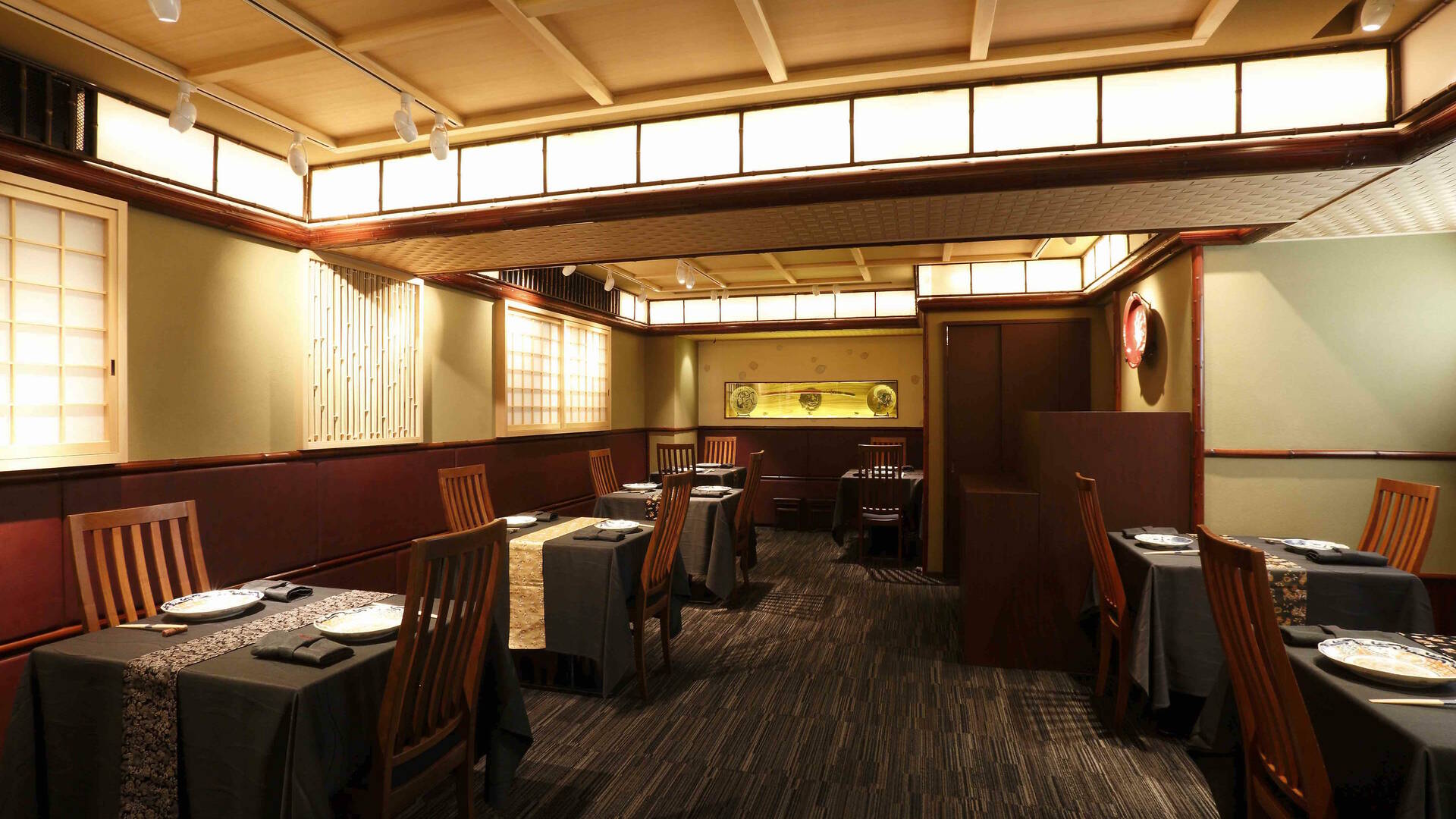
Modern and welcoming atmosphere with refined, elegant décor in the heart of Ichigaya.