Dame Jeanne occupies Maruyamacho, one of Shibuya's quieter backstreets, where the area's long tradition of French-inflected dining continues to attract a informed Tokyo crowd. The venue sits within a neighborhood that rewards those who know where to look, placing it alongside a comparable set that values restraint over spectacle. Confirmed venue details, including cuisine format and booking policy, are best verified directly before visiting.
Pearl is the En Primeur Club membership app — saves, bookings, and concierge access live there. Same editors, same standards.
- Address
- Japan, 〒150-0044 Tokyo, Shibuya, Maruyamacho, 23−4 サトウコーポラス
- Phone
- +81334962755
- Website
- p959000.gorp.jp
- Directions
- Get directions
 Saves & bookings on Pearl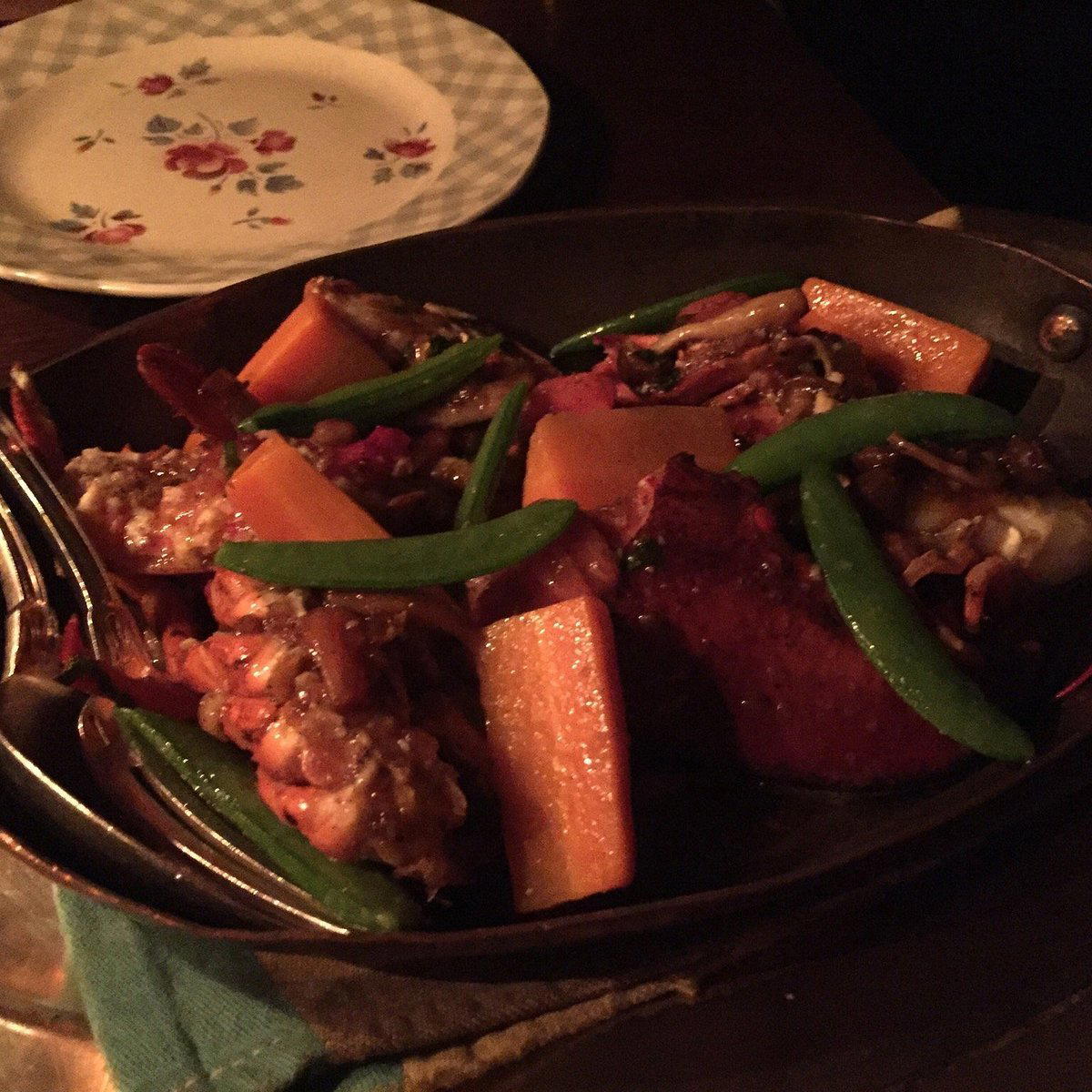
Maruyamacho and the French Dining Current Running Through Shibuya
Shibuya's center pulls in volume and noise, but one block east or west of the main drag, the neighborhood changes register. Maruyamacho, the address where Dame Jeanne is located, belongs to a stretch of Shibuya that has quietly accumulated a reputation for smaller, format-driven restaurants that operate at a remove from the ward's commercial center. This is not the Shibuya of department-store restaurant floors or conveyor-belt queues. It is a neighborhood where the dining rooms tend to be compact, the booking windows matter, and the crowd skews local and repeat rather than tourist and first-time.
That context is worth holding onto when approaching Dame Jeanne. The venue's address in Maruyamacho places it within walking distance of a cluster of restaurants that represent some of the more considered French and French-adjacent cooking in central Tokyo. Sézanne, the French counter at the Four Seasons Marunouchi, operates a few kilometers northeast and regularly draws comparison to Europe's most precise contemporary French rooms. L'Effervescence in Nishi-Azabu takes a produce-led interpretation of French technique, with a menu that shifts entirely with the season. Crony in Jingumae stakes a position at the informal, inventive end of the Franco-Japanese spectrum. Dame Jeanne, in Maruyamacho, sits geographically and conceptually within this current, a French Bistro in a district that has historically attracted this kind of cooking.
Why Tokyo Became a Reference City for French Technique
The depth of French cooking in Tokyo is not accidental. From the 1970s onward, Japanese chefs began training in France in significant numbers, returning with technique that was often applied more rigidly, and sometimes more precisely, than in France itself. By the 1990s and 2000s, Tokyo had developed a tier of French restaurants that reviewers began measuring not against the city's own comparable set but against Paris, Lyon, and the broader European circuit.
That trajectory has continued. The Michelin Guide's Tokyo edition, which launched in 2007 and rapidly became the largest starred guide in the world by venue count, confirmed what serious eaters already understood: Tokyo's French dining scene was not a derivative of its European counterpart but a parallel tradition with its own logic. The city's access to premium Japanese produce, aged beef, hand-harvested shellfish, mountain vegetables from regions like Aomori and Nagano, gave French technique a local ingredient vocabulary that French kitchens themselves lacked.
This is the culinary lineage that any French-inflected venue in central Tokyo inherits. Whether the kitchen emphasizes classical structure, contemporary informality, or a hybrid that draws directly on Japanese kaiseki pacing, it enters a conversation that has been developing in this city for over four decades. For comparison, RyuGin in Roppongi demonstrates how the kaiseki format has absorbed and rerouted some of that French influence back into Japanese structure, a mirror dynamic to what French-leaning venues in the city do with Japanese produce.
The Maruyamacho Address in Practice
In Tokyo's dining geography, neighborhood placement carries more signal than it might in other cities. Maruyamacho is accessible from Shibuya Station in a short walk, which means the restaurant benefits from strong transport connectivity without sitting on the kind of high-traffic corner that tends to favor volume-driven operators. The street character here, lower buildings, a residential undertone even in its commercial blocks, is consistent with the type of dining room that prioritizes the inside experience over frontage visibility.
Visitors traveling from elsewhere in Japan can approach Tokyo's western wards as a dining cluster. HAJIME in Osaka and Gion Sasaki in Kyoto represent the kind of serious cooking that justifies building a trip around a single region's dining circuit. Tokyo's Shibuya-adjacent neighborhoods fit that same itinerary logic, particularly for travelers who want to understand how French influence has embedded itself differently across Japan's major cities. Outside the main urban centers, venues like akordu in Nara and Goh in Fukuoka show that serious French and French-adjacent cooking has distributed itself across the country, not concentrated solely in Tokyo or Osaka.
Dame Jeanne in Peer Context
What the address and neighborhood suggest is a venue that operates in the same general orbit as Shibuya's established French-leaning rooms. The table below positions the restaurant against confirmed-data peers in the Tokyo French and high-end dining categories, using available data from those venues as reference points.
| Venue | Neighborhood | Cuisine | Price Range |
|---|---|---|---|
| The restaurant | Maruyamacho, Shibuya | Not confirmed | Not confirmed |
| L'Effervescence | Nishi-Azabu | French | ¥¥¥¥ |
| Sézanne | Marunouchi | French | ¥¥¥¥ |
| Crony | Jingumae | Innovative, French | ¥¥¥¥ |
| RyuGin | Roppongi | Kaiseki, Japanese | ¥¥¥¥ |
| Harutaka | Ginza | Sushi | ¥¥¥¥ |
For context on how high-end French cooking operates internationally, Le Bernardin in New York City and Lazy Bear in San Francisco represent two distinct North American models, the former a long-running monument to classical French seafood precision, the latter a format-driven communal experience with a strong local identity. Tokyo's French dining rooms, the restaurant's neighborhood among them, tend to sit closer to the Le Bernardin axis in terms of technical seriousness, while increasingly incorporating the informal pacing that venues like Lazy Bear have helped normalize.
Planning a Visit
Prospective visitors should verify all operational details directly before traveling. Travelers building a Japan-wide itinerary around serious restaurants may also want to reference Abon in Ashiya, affetto akita in Akita, Aji Arai in Oita, Ajidocoro in Yubari District, Akakichi in Imabari, and aki nagao in Sapporo for regional depth beyond the major city centers.
Pricing, Compared
Comparable venues nearby, for context on price, style, and recognition.
| Venue | Cuisine | Price | Notes |
|---|---|---|---|
| Dame JeanneThis venue — the venue you are viewing | Shibuya, French Bistro | $$$ | Not listed |
| レザンファン ギャテ | Not listed | $$$ | Shibuya, Modern French Terrine Specialist |
| KINO_ | Not listed | $$$ | Shibuya, Innovative French with Hokkaido ingredients |
| ルミエルネ | Not listed | $$$ | Setagaya, French Bistro & Natural Wine Bar |
| 茶禅華 | Minato, Classical French Cuisine | $$$ | Not listed |
| ビストロシンバ | Chūō, French-Japanese Fusion Bistro | $$$ | Not listed |












At a Glance
- Intimate
- Cozy
- Date Night
- Special Occasion
Current opening hours
- Monday
- Closed
- Tuesday
- 6 PM–1 AM
- Wednesday
- 6 PM–1 AM
- Thursday
- 6 PM–1 AM
- Friday
- 6 PM–1 AM
- Saturday
- 6 PM–1 AM
- Sunday
- Closed
Hours can change for holidays and private events. Last verified .
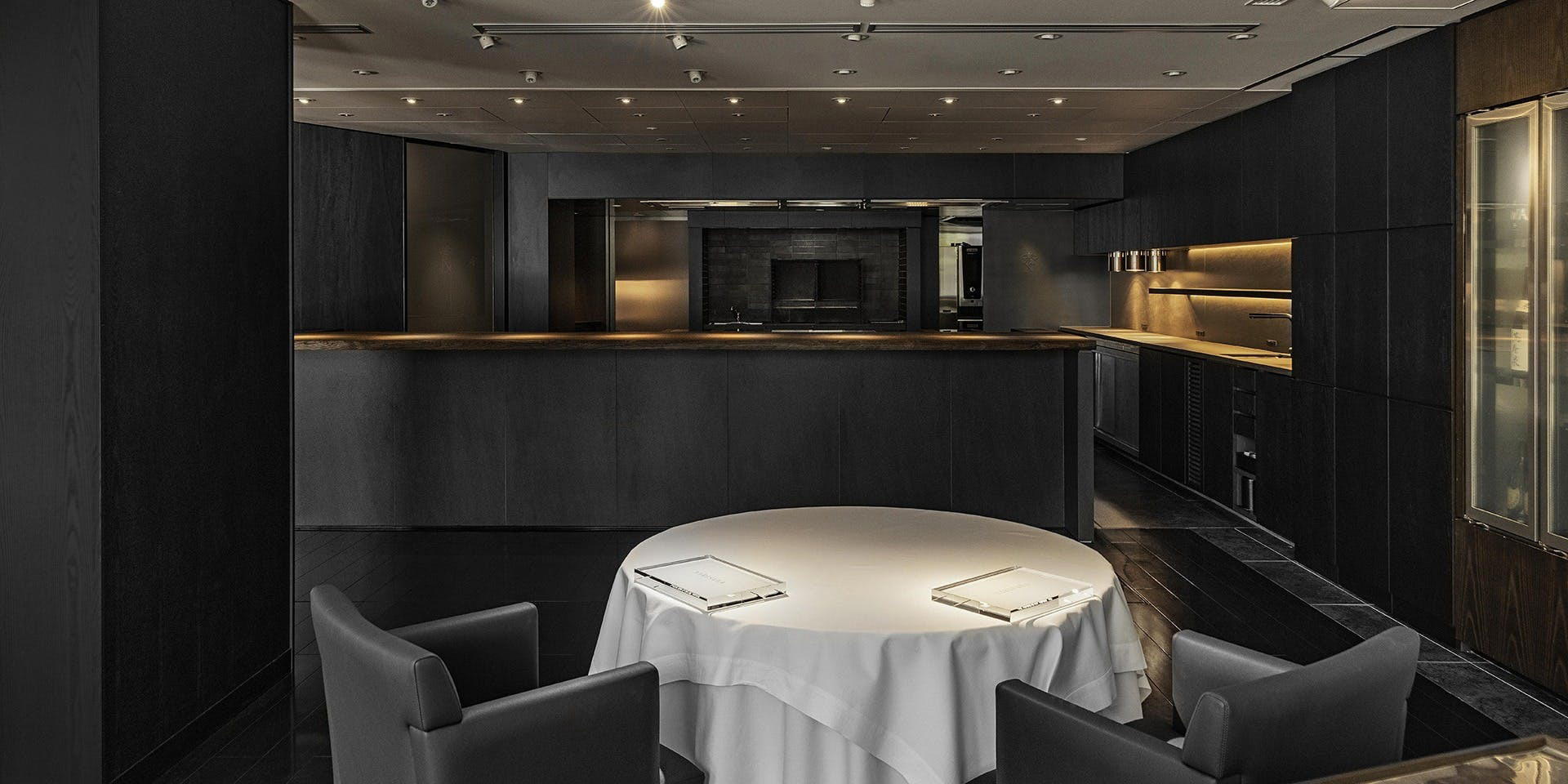
Dimly lit with candlelight creating a cozy and intimate atmosphere.