Historical profile: 玉笑 at 5 Chome-23-3 Jingumae, Shibuya, Tokyo 150-0001, Japan is listed as temporarily closed after a June 21, 2026 audit. Active booking, hours, and contact details have been removed.
- Address
- 5 Chome-23-3 Jingumae, Shibuya, Tokyo 150-0001, Japan
- Phone
- +81354850025
- Website
- instagram.com
- Directions
- Get directions
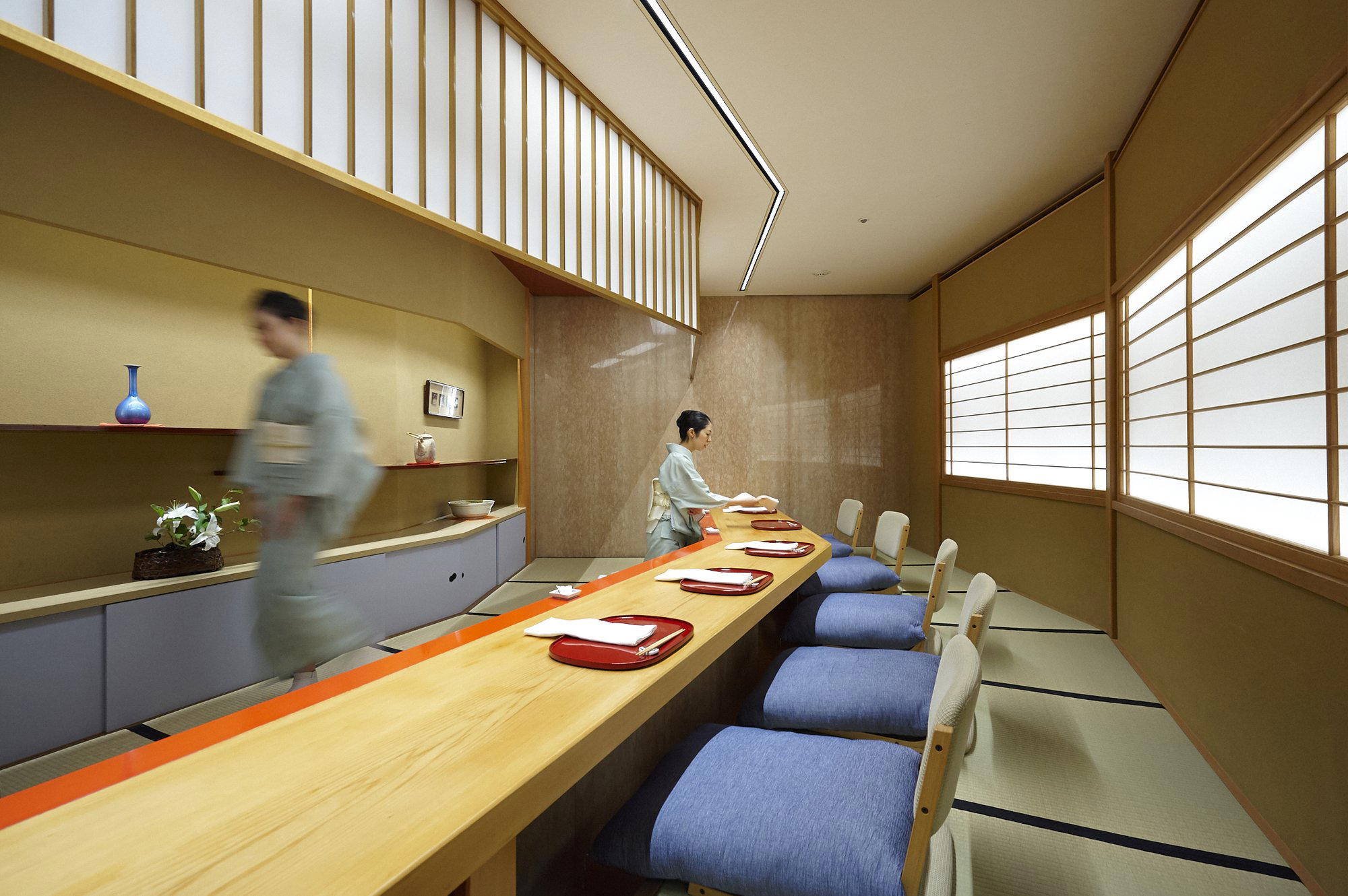
Jingumae and the Architecture of the Tokyo Dining Room
The blocks radiating from Jingumae's numbered chomes have become a study in how Tokyo thinks about the physical container of a meal. Where Ginza prioritises the prestige address and the counter as theatre, and Minami-Aoyama leans toward spare interiors that signal restraint, Jingumae operates at a different register: the space here is often the argument. Restaurants in this pocket of Shibuya tend to favour rooms that feel considered rather than grand, where seating arrangements and material choices do as much editorial work as the menu. 玉笑, at 5 Chome-23-3 Jingumae, Shibuya, Tokyo 150-0001, Japan, is a Yoshoku French Bistro in Tokyo's Jingumae district.
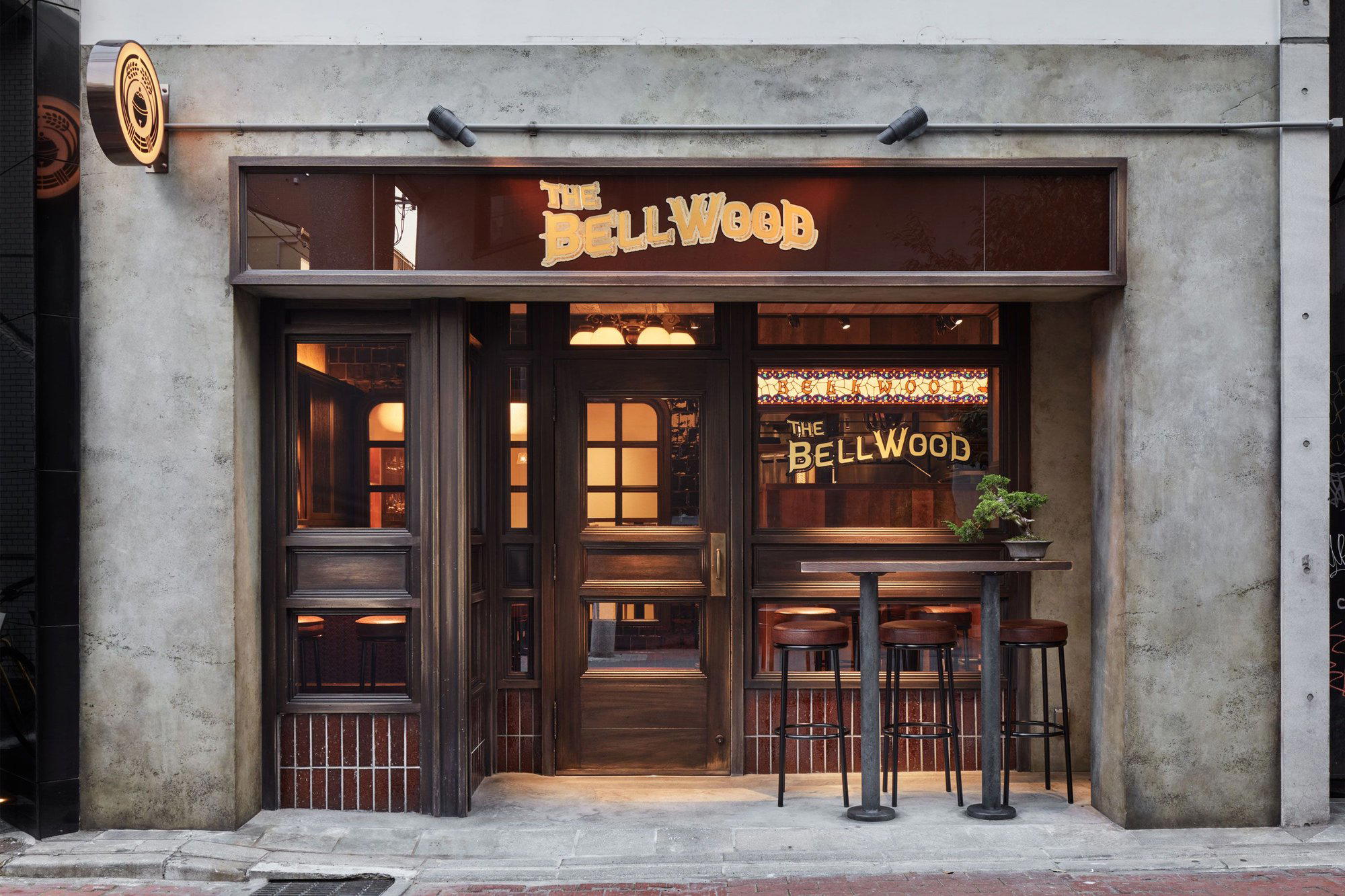
This part of Shibuya sits between the commercial intensity of Omotesando and the quieter residential grain of Harajuku's back streets. The result is a neighbourhood where high-specification dining rooms operate without the foot traffic pressure of a high-street address, and where the physical approach to a venue, the entrance, the threshold, the first interior view, carries real weight. At the tier represented by comparable addresses in this district, the room is rarely incidental.
What the Jingumae Address Implies About comparable set
Tokyo's premium dining tier has become more internally differentiated over the past decade. At the ¥¥¥ price point occupied by venues like Harutaka in Ginza (sushi omakase), L'Effervescence in Minami-Aoyama (French), RyuGin in Roppongi (kaiseki), and Sézanne in Marunouchi (French), the variables that separate one room from another are increasingly spatial and formal rather than purely culinary. Diners at this level are making decisions about format, intimacy, and the character of the room as much as about cuisine type.
The Jingumae address for çç¬ places it in a sub-cluster of this premium tier where smaller footprints and design-specific interiors are the norm. Crony, operating in a similarly considered register with its innovative French format, reflects the same broader pattern: venues in this district tend to use the physical space as a differentiator within an otherwise densely competitive premium set. The question for any visitor to this neighbourhood is not whether the room will be good, but what kind of spatial argument it is making.
The Physical Container as Editorial Statement
In Tokyo dining at this level, interior architecture is not decoration. It is a set of decisions about how a meal should be experienced: the height of the ceiling relative to the number of seats, the material of the counter surface, the distance between tables, the acoustics of a room designed for conversation rather than spectacle. Venues in Jingumae have historically favoured natural materials, reduced colour palettes, and layouts that prioritise the sightlines between kitchen and guest. The effect is a kind of deliberate compression, rooms that feel smaller than their square footage and more intimate than their reservation demand would suggest.
This spatial logic connects to a wider pattern visible across Japan's serious dining rooms. At HAJIME in Osaka and Gion Sasaki in Kyoto, the room is calibrated to the format: the physical container reinforces the pacing, the formality level, and the relationship between guest and kitchen. The same discipline applies in Jingumae, where a venue's spatial choices signal its position within the local competitive set before a single dish arrives.
Approaching the Reservation
Across Tokyo's premium dining tier, booking lead times function as a proxy signal for both demand and format seriousness. Counters and rooms operating at the level implied by the Jingumae address and the ¥¥¥¥ tier typically require advance planning of one to three months, with international visitors often needing hotel concierge support or specialist booking services to secure seats. This is consistent with the pattern at peer venues across Japan: akordu in Nara, Goh in Fukuoka, and Abon in Ashiya all operate within booking windows that reward early planning. Arriving in Tokyo without confirmed reservations at this tier is a reliable way to spend the week at the wrong restaurants.
The broader Japan dining circuit rewards sequential planning. Visitors covering multiple cities might pair a Tokyo evening at this level with experiences at affetto akita in Akita, Aji Arai in Oita, Ajidocoro in Yubari District, or Akakichi in Imabari. The pattern across all of these is the same: small rooms, specific formats, and booking windows that close early. For reference points outside Japan, comparable planning logic applies at Le Bernardin in New York City and Lazy Bear in San Francisco, where demand consistently exceeds available covers.
Where çç¬ Sits in the Tokyo Guide
Tokyo's dining scene is not usefully understood as a single tier. The city operates across multiple price points and format types simultaneously, and Jingumae represents one specific node within that network: premium, spatially considered, and oriented toward guests who have already filtered out the casual end of the market. Venues like aki nagao in Sapporo illustrate how the same design-forward, intimacy-first spatial logic extends across Japanese cities at the serious dining level.
Know Before You Go
- Address: 5 Chome-23-3 Jingumae, Shibuya, Tokyo 150-0001, Japan
- Neighbourhood: Jingumae, Shibuya, between Omotesando and Harajuku
- Booking lead time: At this tier in Jingumae, plan one to three months ahead; hotel concierge or specialist booking services are advisable for international visitors
- Price tier context: Peer venues in this district operate at the ¥¥¥¥ level; budget accordingly
- Getting there: Meiji-Jingumae Station (Tokyo Metro Chiyoda and Fukutoshin lines) is the nearest station for the Jingumae address
- Format note: Dress code: smart casual. Reservations are essential. Hours are not provided in the record.
A Credentials Check
Comparable venues nearby, for context on price, style, and recognition.
| Venue | Cuisine | Price | Notes |
|---|---|---|---|
| 玉笑This venue — the venue you are viewing | Yoshoku French Bistro | $$$ | Not listed |
| PIERRE HERME PARIS Aoyama | Modern French patisserie & dessert salon | $$$ | Shibuya |
| KINO_ | Innovative French with Hokkaido ingredients | $$$ | Shibuya |
| ルミエルネ | French Bistro & Natural Wine Bar | $$$ | Setagaya |
| La Boutique de Joël Robuchon Marunouchi burikkusukuea ten | French Bakery-Café | $$$ | Chiyoda |
| Echire Maison du Beurre | French Pâtisserie | $$$ | Chiyoda |










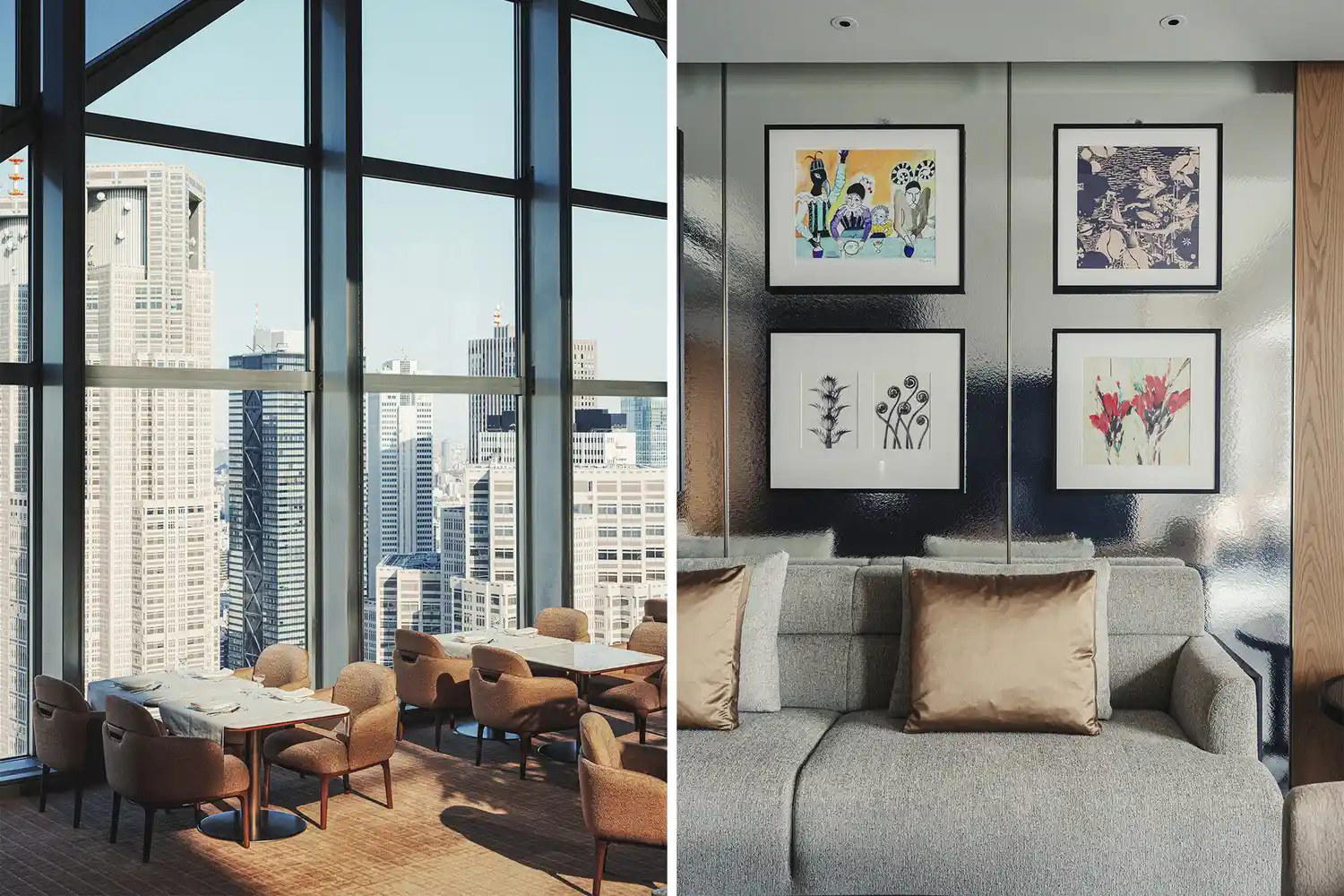



At a Glance
- Elegant
- Sophisticated
- Date Night
- Special Occasion
- Open Kitchen
Sophisticated and classic with a focus on chef-driven preparations.