Our verdict
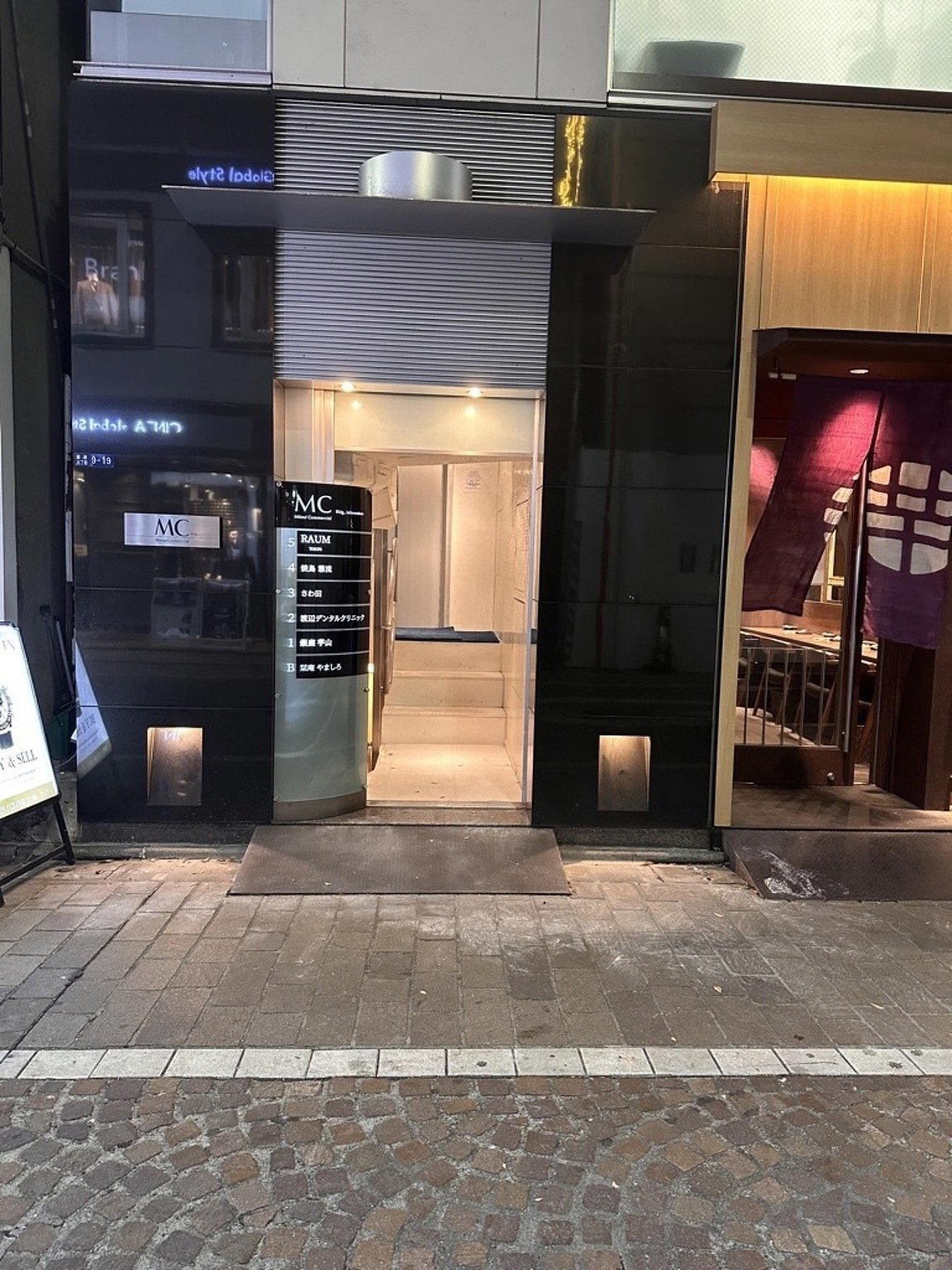
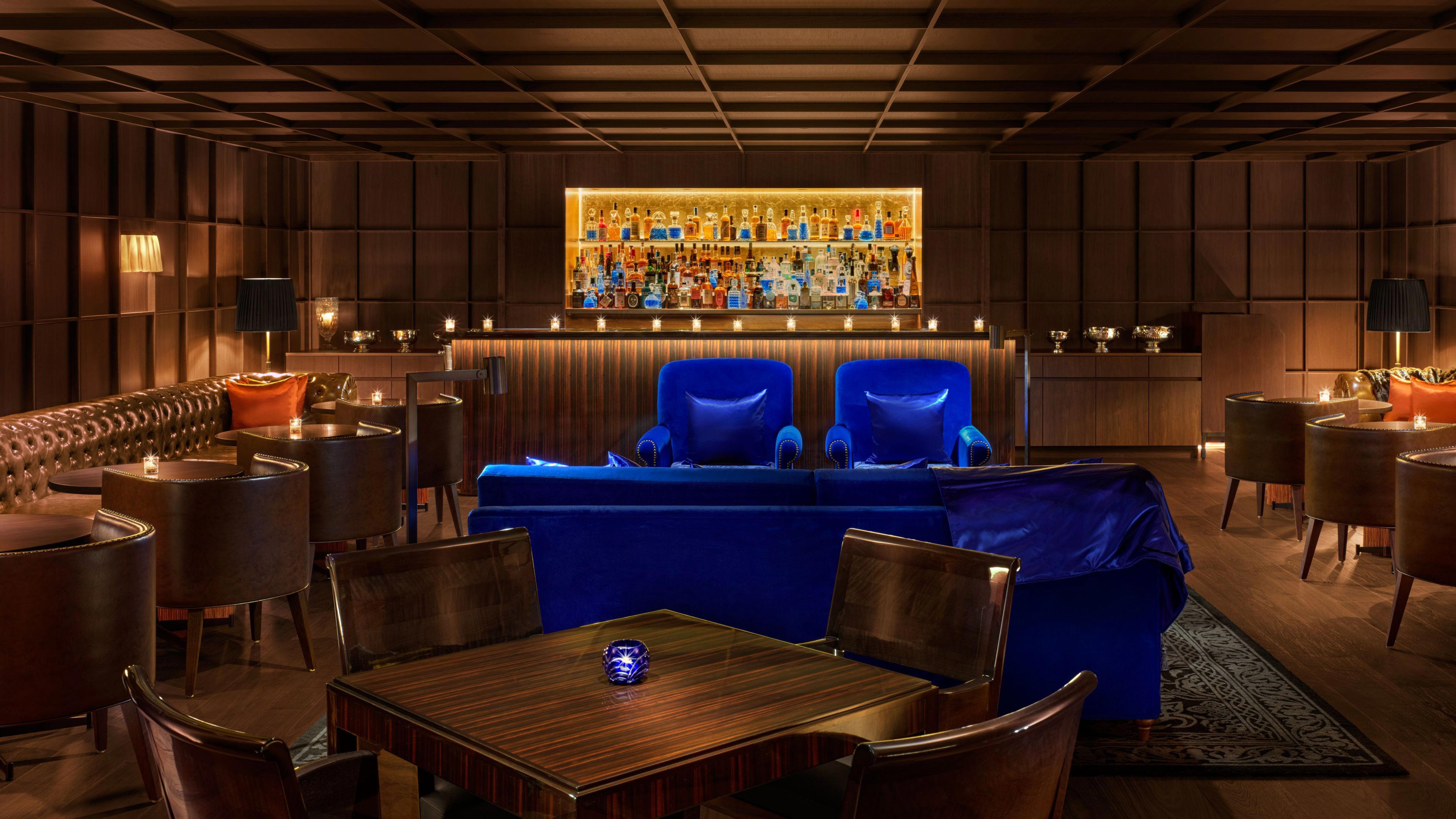
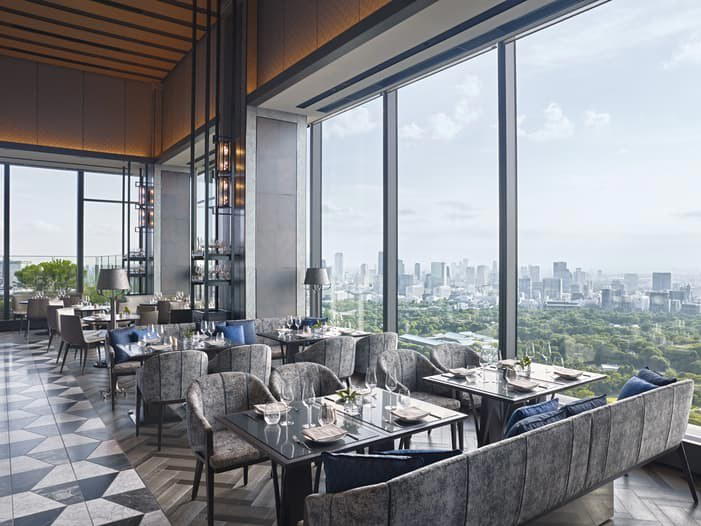
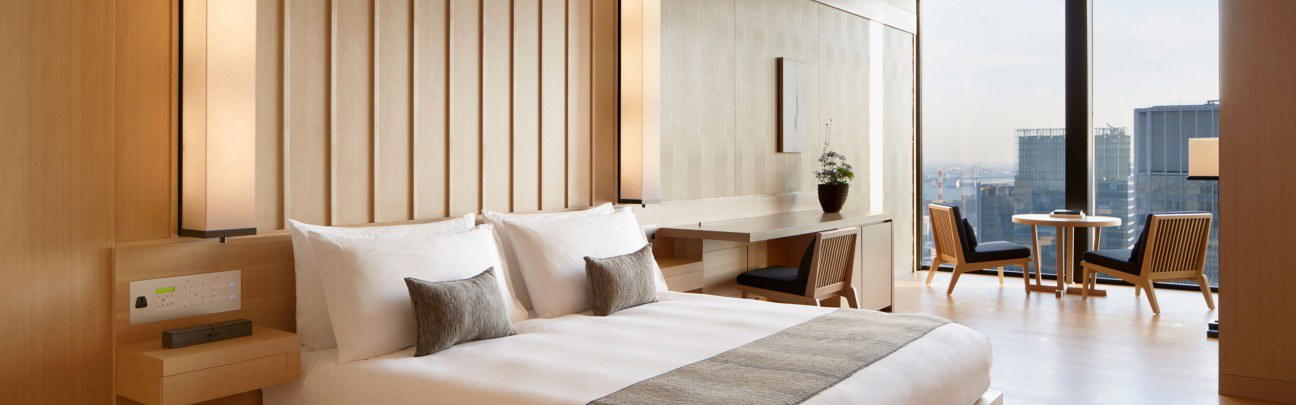
くろぎ sits in Yushima, Bunkyo-ku, at the quieter edge of Tokyo's premium kaiseki circuit. The space anchors the experience: a considered interior in one of the city's less trafficked dining corridors, positioning it within the upper tier of Tokyo's traditional Japanese dining without the Ginza premium address. For travelers cross-referencing Tokyo's serious restaurants, it belongs in the same conversation as RyuGin and the city's other formalist Japanese houses.

Pearl is the En Primeur Club membership app — saves, bookings, and concierge access live there. Same editors, same standards.
- Address
- 湯島3-35-1, 文京区, 東京都, 113-0034
- Directions
- Get directions
Where Yushima Places Itself on Tokyo's Kaiseki Map
Tokyo's serious Japanese dining has long concentrated in two gravitational zones: the Ginza-Nihonbashi corridor, where real estate costs push meal prices into the upper stratosphere, and the quieter residential neighborhoods north and west of the imperial palace grounds, where the same culinary seriousness operates with less commercial noise around it. Yushima, the district in Bunkyo-ku where くろぎ sits, belongs to the second category. The address — 湯島3-35-1 — places the restaurant away from the tourist-facing density of central Tokyo, in an area that rewards the kind of traveler who plans rather than wanders.
That geographic positioning matters for how you read the room. Premium kaiseki in Ginza tends to layer its spatial language with conspicuous materials: rare woods, gallery-caliber ceramics displayed in lit alcoves, the studied theater of highly visible luxury. Restaurants in neighborhoods like Yushima operate differently. The design signal here is more restrained in its outward address, which in the context of Japanese hospitality traditions often signals a deeper, not shallower, investment in the physical environment. The building and its interior become proof of seriousness rather than markers of location premium.
The Physical Container as Editorial Statement
In kaiseki dining, the built space is never neutral. The room is part of the meal's argument. Japan's most considered traditional restaurants treat interior architecture the same way a chef treats a tasting menu: each element in deliberate sequence, nothing accidental. The proportions of a tatami room, the sight lines from a counter seat, the movement of natural light through shoji screens, these are not aesthetic choices separate from the food. They are the food's context, and skilled kaiseki practitioners have always understood that the container shapes the experience of what it contains.
くろぎ's Yushima location places it in a tradition of Tokyo dining rooms that prioritize spatial integrity over address prestige. Where RyuGin in Roppongi operates within a sleek contemporary envelope that leans toward architectural drama, and L'Effervescence uses its Nishi-Azabu town house format to create intimacy within a Western fine-dining register, kaiseki houses in quieter districts like Yushima tend to work within a more classical spatial grammar: low ceilings, natural materials, a human scale that compresses the dining experience inward rather than opening it outward toward spectacle.
This compression is purposeful. Kaiseki protocol has always located the guest's attention in the present moment, the temperature of a bowl, the weight of a lacquered lid, the sound of water in an adjacent courtyard. A room designed to minimize distraction is a room designed to make those sensory details register more fully. The design is doing argumentative work on behalf of the cuisine.
Situating くろぎ Within Tokyo's Upper-Tier Japanese Dining
Tokyo's premium traditional Japanese restaurants now operate across a range of formats and price signals. At the leading sit the omakase sushi counters, Harutaka among them, where the counter format concentrates attention on a single chef's decisions across twenty-odd courses. Kaiseki houses occupy a parallel tier, but the spatial and temporal logic is different: more courses, longer progression, a more explicit engagement with seasonality as a structural principle, and rooms that typically accommodate the meal's pace rather than compress it into a counter theatre.
Within that kaiseki tier, restaurants sort themselves by formality, lineage, and how explicitly they signal their relationship to Kyoto-rooted tradition versus Tokyo's own interpretive approaches. RyuGin has built a reputation for technical innovation within the kaiseki form, it belongs to the same Tokyo restaurant conversation but occupies a different register. For comparison across Japan's kaiseki geography, Gion Sasaki in Kyoto represents the Kyoto standard against which Tokyo's traditional houses are often benchmarked, while HAJIME in Osaka shows how kaiseki-adjacent fine dining adapts in Kansai's different culinary culture.
Comparable formalist Japanese dining also exists well outside the major cities. 一本木 佐々木製 in Nanao, 奥仙山乃 in Sapporo, 湖畔荘 in Takashima, and 鶴羽屋 in Nishikawa Machi all represent regional expressions of serious Japanese dining that put the room and the season at the center of the experience, much as kaiseki houses in Tokyo do.
What the Yushima Address Signals for the Traveler
Choosing a restaurant in a district like Yushima rather than Ginza or Roppongi tells you something about the kind of experience being offered. There is no walk-in trade in a neighborhood like this. The guest is arriving with intention, and the restaurant is designed around that assumption. This is a meaningful design parameter: when a space is not required to attract passing foot traffic, it can be optimized entirely for the people who booked. The entrance, the transition from street to dining room, the movement between spaces, all of it can be calibrated for a guest who is already present rather than a guest who needs to be recruited.
That logic applies equally to restaurants operating in similarly deliberate locations across Japan's dining map. akordu in Nara and Goh in Fukuoka both operate in cities where the dining room's relationship to its immediate neighborhood is part of what makes the experience legible. The address is not incidental; it is part of the restaurant's argument about what a meal should be.
Tokyo's French-leaning fine dining addresses this differently. Sézanne and Crony operate within frameworks where the room's design language borrows from European fine dining's spatial conventions rather than kaiseki's classical Japanese grammar. The contrast is useful for travelers building an itinerary across Tokyo's serious restaurant tiers: the spatial logic of these houses is genuinely different, not just in aesthetic terms but in how the room structures the guest's attention and pacing.
For reference outside Japan, Le Bernardin in New York and Atomix in New York represent how the most serious Western fine dining and Korean tasting-menu formats use interior design as a functional tool, quieting the room, directing attention, removing friction between the guest and the food. Kaiseki houses in Tokyo are working the same problem, but within a spatial vocabulary that developed independently over centuries. The parallels are instructive precisely because the solutions are so different. Closer to home in Japan's mid-tier restaurant world, Birdland in Sakai and Bistro Ange in Toyohashi show how serious hospitality operates in smaller Japanese cities, where the physical environment is often the primary asset a restaurant can invest in when competing without a major-city address.
Know Before You Go
Address: 湯島3-35-1, 文京区, 東京都, 113-0034
Neighborhood: Yushima, Bunkyo-ku, a residential district northeast of central Tokyo, accessible via the Tokyo Metro Chiyoda Line (Yushima Station)
Booking: Reservation details are not publicly listed at this time. Verify current booking channels directly before planning a visit, as traditional kaiseki houses at this level typically require advance reservations and may operate through dedicated booking systems or intermediaries.
Timing: Bunkyo-ku's dining scene operates with less seasonal tourist surge than Ginza or Shinjuku. That said, spring (cherry blossom season, late March to mid-April) and autumn (koyo, late October to November) bring higher demand across all of Tokyo's serious restaurants. Build extra lead time into bookings during those windows.
Context: For a broader view of Tokyo's top-tier dining across Japanese and Western formats, see our full Tokyo restaurants guide.
Frequently asked questions
Where exactly is くろぎ?
くろぎ is located at 湯島3-35-1, 文京区, 東京都, 113-0034, Tokyo.
How does くろぎ's kaiseki format differ from Tokyo's high-end sushi counters?
Where omakase sushi counters in Ginza and Nihonbashi concentrate on a single ingredient type across a rapid sequence of nigiri, kaiseki at a venue like くろぎ in Yushima moves through a structured multi-course architecture that spans soup, sashimi, simmered dishes, and rice in a deliberate seasonal progression. The pacing is longer and the kitchen's remit broader. These are fundamentally different dining propositions despite both operating at the premium end of Tokyo's Japanese restaurant spectrum.
What should I order at くろぎ?
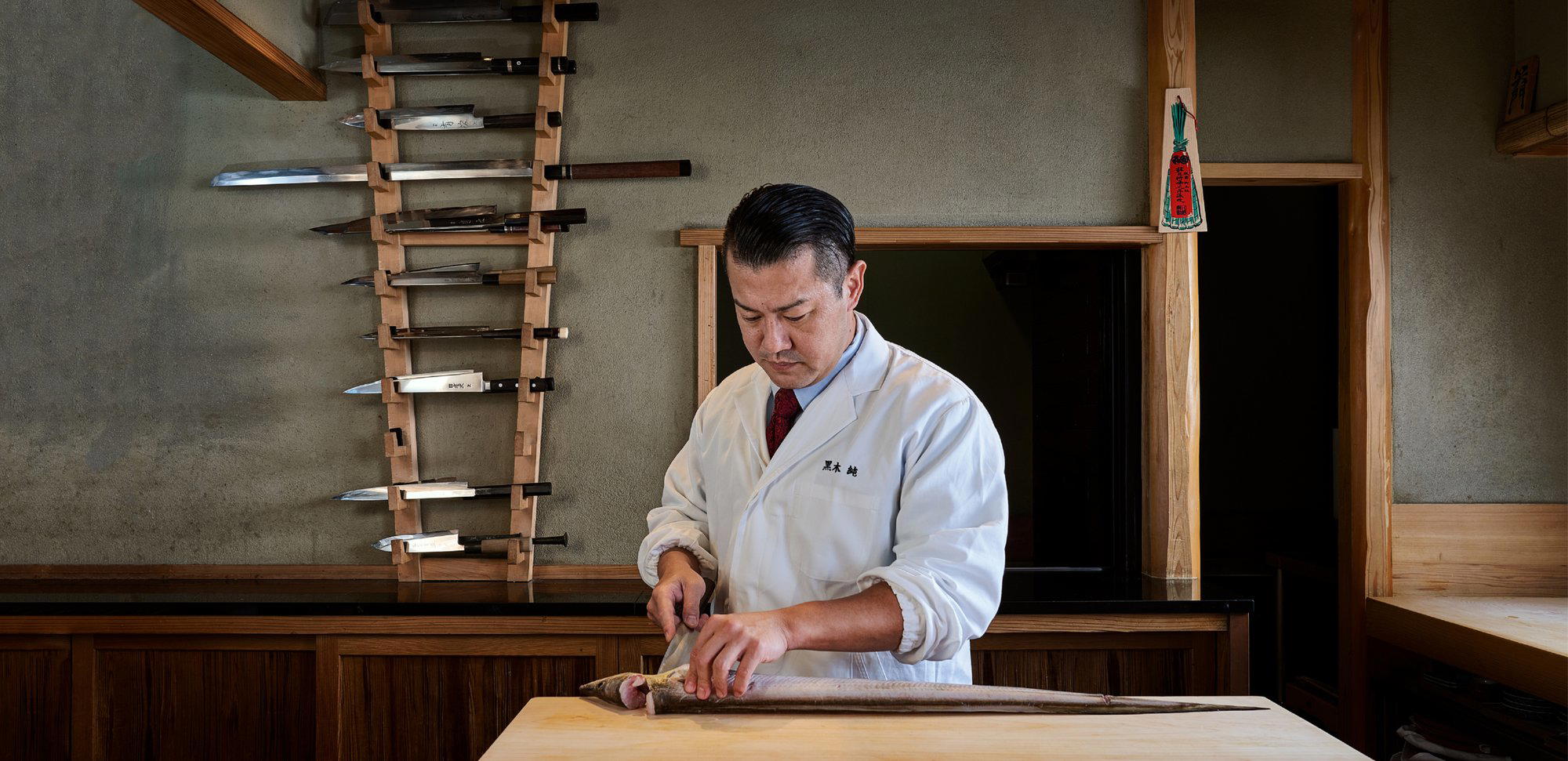
くろぎ operates within Tokyo's kaiseki tradition, meaning the menu is set by the kitchen rather than chosen à la carte. The sequence and composition of courses follow the chef's determination, shaped by season and produce. Arriving with preferences or dietary requirements is worth communicating at the time of reservation, as kaiseki houses in this category typically accommodate such requests in advance rather than at the table.
Should I book くろぎ in advance?
The Yushima address in Bunkyo-ku puts くろぎ outside Tokyo's walk-in tourist circuit, which means the room fills through reservations rather than passing foot traffic. Kaiseki restaurants operating at this level of positioning typically have lead times measured in weeks, not days. Booking as early as possible is the practical approach, particularly for weekend or evening sittings.
Cuisine-First Comparison
Comparable venues nearby, for context on price, style, and recognition.
| Venue | Cuisine | Price | Awards | Notes |
|---|---|---|---|---|
| くろぎThis venue — the venue you are viewing | Tokyo Kappo Kaiseki | $300–500 | Not listed | Not listed |
| すが弥 | Edomae Omakase Sushi | $300–500 | Tabelog Bronze #426 | Minato |
| Mitate Soba | Modern Japanese Soba Omakase | $150–200 | Michelin Plate · Tabelog 100 #73 | Minato |
| Sushi Yuu | Traditional Edomae Omakase Sushi | $150–200 | Tabelog 100 #9 | Chūō |
| Oryori Mukyu | Seasonal Japanese Fine Dining | $100–150 | Tabelog 100 #78 | Minato |
| 小笠原伯爵邸 | Seasonal Kaiseki | $300–500 | Tabelog 100 #47 | Shinjuku |