Our verdict
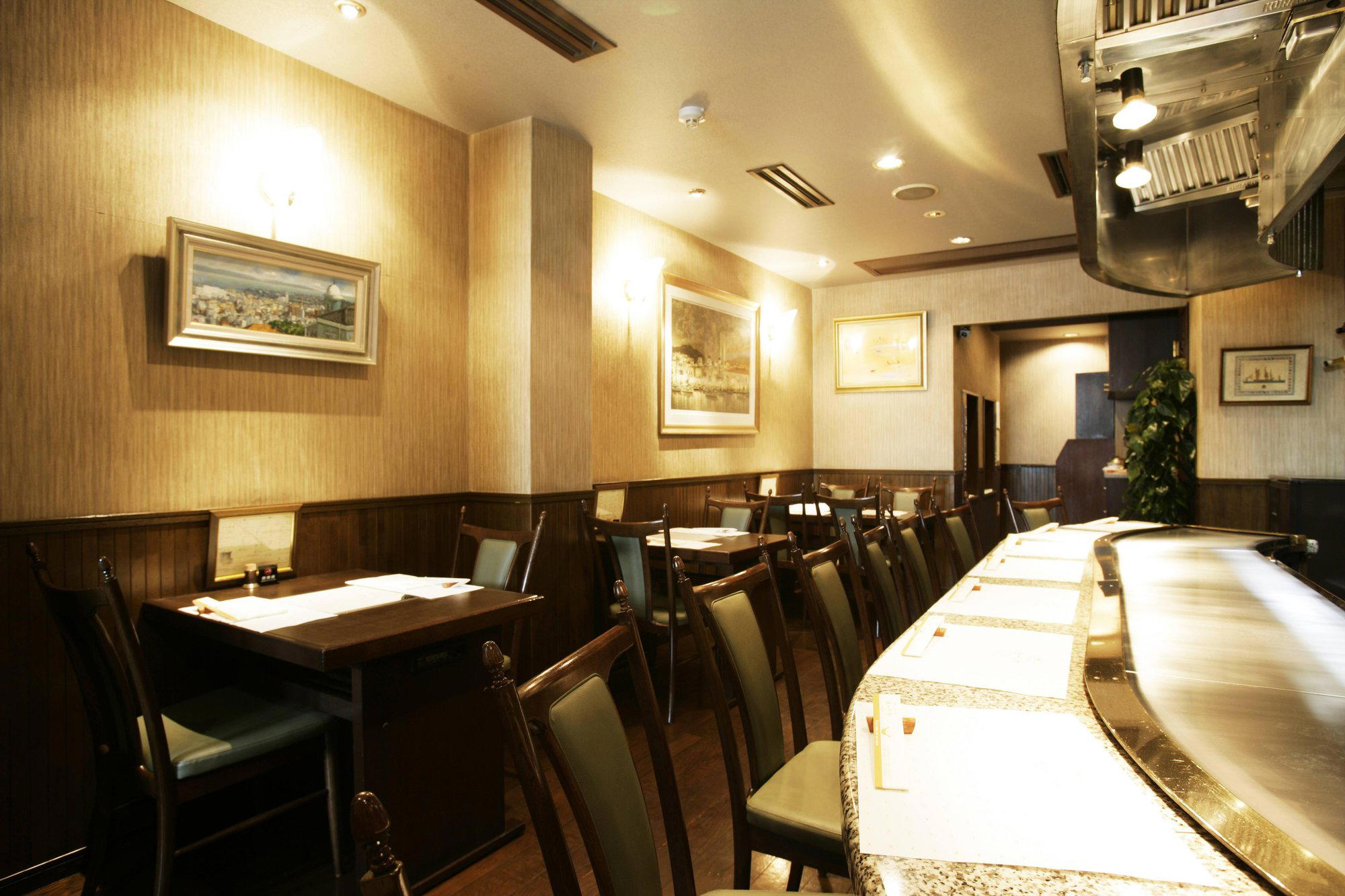
Located in Hyogo Ward, Kobe, 椿 sits within a city that has long occupied a distinct position in Japan's dining hierarchy, shaped equally by its port-town cosmopolitanism and its proximity to Kyoto-Osaka kaiseki tradition. The venue's address in Aratachō places it away from Kobe's tourist-facing restaurant corridor, pointing toward a more local, considered dining register.

Pearl is the En Primeur Club membership app, where members save venues, book tables and use the concierge.
Kobe's Dining Identity and Where Aratachō Fits
Kobe has never quite followed the script written by its larger neighbours. Osaka runs on volume and democratic appetite, the city where a ramen counter and a three-Michelin-star tasting menu coexist without cultural friction. Kyoto operates on restraint and ritual, its kaiseki tradition setting a tempo that foreign visitors often mistake for austerity. Kobe sits at neither extreme. The port opened to foreign trade in 1868, and the resulting cross-pollination shaped a food culture that absorbed Western technique without abandoning Japanese precision. The result, over 150 years later, is a city where Spanish restaurants like Ca Sento, beef-focused institutions like Aragawa, and quieter neighbourhood addresses all occupy the same credible tier.
Hyogo Ward's Aratachō sits west of the tourist-familiar Kitano district, in a residential band that sees few international visitors and fewer restaurant-hunting itineraries. That geography is significant. Restaurants that locate here are not positioning for footfall or visibility, they are positioning for a local clientele that returns reliably. In Kobe's dining map, that often correlates with a more serious, less performative approach to the craft.
The Cultural Register of Small Kobe Dining Rooms
Across Japan's Kansai region, a specific format has grown in influence: the intimate venue with no public-facing marketing infrastructure, sustained almost entirely by repeat guests and word-of-mouth networks. Gion Sasaki in Kyoto represents one expression of that model, a long-running kaiseki address that built its reputation through consistency rather than press campaigns. HAJIME in Osaka represents another, with Michelin recognition following from a commitment to a clearly defined culinary language. Both illustrate how Kansai's premium dining tier often operates at a remove from conventional visibility.
椿 (Tsubaki) in Aratachō sits within that broader pattern. The name references the camellia, a flower with deep roots in Japanese aesthetics, associated with quiet elegance and seasonal precision rather than ornamental excess. Whether that reference is intentional or incidental, it maps cleanly onto the character of the neighbourhood and the kind of dining culture Kobe's western wards tend to produce. Beyond major dining destinations like Ash Restaurant or Fushin, which draw citywide and regional attention, addresses like 椿 occupy the tier that rewards local knowledge over guidebook navigation.
What the Address Signals About Format and Approach
In Japanese dining, location is often the first legible signal of format. A restaurant on a main commercial strip signals one set of expectations; one on a residential side street in a ward without tourist infrastructure signals another. The Aratachō address places 椿 firmly in the latter category, alongside venues that prioritise the repeat guest over the first-time visitor, and that calibrate their pacing and presentation accordingly.
Kobe's relationship with its beef tradition is well-documented, Wagyu raised in Hyogo Prefecture under strict prefectural criteria, served at high price points at venues like Aragawa, which has been cited in international press as one of the most expensive steakhouses in the world. But Kobe's dining breadth extends well beyond that single export product. The city also carries a serious sushi tradition, a local take on Chinese-influenced cooking through venues like fuxing, and a neighbourhood restaurant culture that operates at quieter but no less considered registers. 椿 sits in that broader field, away from the headline category.
Kobe in the Wider Kansai and Japan Context
For visitors building a serious dining itinerary through western Japan, the regional picture extends in several directions. akordu in Nara represents an interesting cross-cultural case, European-trained technique applied through local produce in a city more visited for its temples than its tables. Goh in Fukuoka operates in a city with a strong street-food identity but an increasingly credible fine dining layer. Abon in Ashiya, a short train ride east of Kobe along the Hanshin line, illustrates how the residential towns between Kobe and Osaka have developed their own small but serious restaurant cultures.
Further afield, for those mapping Japan's precision-driven counter formats, Harutaka in Tokyo represents the capital's benchmark sushi counter tier, while addresses like affetto akita in Akita, Aji Arai in Oita, Ajidocoro in Yubari District, and Akakichi in Imabari illustrate how seriously Japan's regional dining culture extends beyond the three major cities. Internationally, the closest parallels in terms of intimate format and technical commitment appear at venues like Le Bernardin in New York City and Lazy Bear in San Francisco, both counter-oriented in spirit, sustained by a defined point of view and a loyal guest base rather than by scale.
Planning a Visit
Aratachō is accessible from central Kobe via the Kobe Municipal Subway Seishin-Yamate Line, with Myodani or Seisin-Chuo stations serving the ward, though the residential character of the area means walking distances can be longer than in the city centre. For a broader overview of where 椿 sits within Kobe's dining options by neighbourhood and category, our full Kobe restaurants guide provides a mapped, curated view of the city's current table.
Frequently asked questions
Can I bring kids to 椿?
Aratachō is a residential ward in Hyogo, and the dining rooms that occupy its side streets tend to draw a quieter, adult audience by default rather than by posted policy. Adults travelling without children will feel most at ease here.
Is 椿 formal or casual?
Kobe's dining culture occupies a register between Osaka's democratic informality and Kyoto's more ceremonial expectations. Residential Hyogo Ward addresses like Aratachō typically signal considered but unfussy environments, neither the pressed-linen formality of a kaiseki room nor the counter-stool looseness of an izakaya.
What do regulars order at 椿?
What Kobe's residential dining tradition does suggest is that neighbourhood rooms at this address level tend to follow a set or semi-set structure rather than à la carte, placing ordering decisions largely in the kitchen's hands. Arriving without strong preferences and following the lead of the house is the sensible approach.
How does 椿 in Kobe's Aratachō compare to Kobe's better-known dining addresses?
Kobe carries Michelin-recognised venues across multiple categories, from the internationally cited beef counter at Aragawa to kaiseki-adjacent rooms in central districts, all of which operate with reservations infrastructure, published menus, and searchable profiles. 椿's Aratachō address in Hyogo Ward places it in a different register entirely: the city's residential dining circuit, where visibility is low by design and the audience is predominantly local.
A Pricing-First Comparison
Comparable venues nearby, for context on price, style, and recognition.
| Venue | Cuisine | Price | Awards | Notes |
|---|---|---|---|---|
| 植月This venue (the venue you are viewing) | Japanese Kaiseki | Not listed | Not listed | Not listed |
| Misaku Kobe kitano ten | Kobe-style okonomiyaki & teppanyaki | $20–30 | Tabelog 100 #83 | Chūō, Kobe-style okonomiyaki & teppanyaki |
| Yakiniku Horumon Bar Bovin | Yakiniku & Horumon Bar | $30–50 | Tabelog 100 #85 | Chūō, Yakiniku & Horumon Bar |
| 老虎菜 本店 | Higashinada, japanese | Not listed | Tabelog 100 #65 | Not listed |
| Sion | European-style Japanese curry & beef stew | $10–20 | Tabelog 100 #3 | Chūō, European-style Japanese curry & beef stew |
| Yoshoku SAEKI | Japanese Western-style yoshoku (hamburger steak & curry) | $10–20 | Tabelog 100 #10 | Nada, Japanese Western-style yoshoku (hamburger steak & curry) |
Continue exploring
More in Kobe
Restaurants in Kobe
All restaurants in Kobe →
Bars in Kobe
Browse all →

Hotels in Kobe
All hotels in Kobe →
Wineries in Kobe
Browse all →
Details
- Special Occasion
- Sake Program
- Sake
Elegant and serene atmosphere.