
Tabelog 100 #83
Our verdict
A compact Sannomiya okonomiyaki and teppanyaki address with Tabelog 100 Okonomiyaki recognition in 2025 and repeated selections in earlier years. Misaku Kobe kitano ten belongs to Kobe’s lower-cost, high-turnover griddle tradition rather than the city’s steakhouse circuit, making it a useful counterpoint to pricier beef-led rooms nearby.

Pearl is the En Primeur Club membership app, where members save venues, book tables and use the concierge.
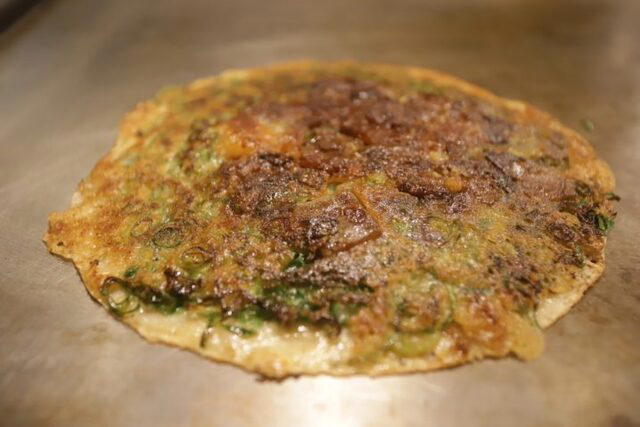
The menu
What to order
- Kobe-style suji niku okonomiyaki (beef tendon)
- Negiyaki
- Suji itame (stir-fried beef tendon)
- Yakusoba
- Omu-soba
Approaching griddle-led dining in Kobe, the city’s mood changes quickly: polished beef houses and hotel restaurants give way to hot plates, clipped orders, and the practical rhythm of food cooked close to the table. This is where okonomiyaki makes sense in Kobe. It is not a ceremonial meal, and it is not trying to borrow prestige from kaiseki or sushi. Its appeal sits in heat, timing, batter management, and the social ease of eating from the iron plate.
Misaku Kobe kitano ten belongs to that category of Kobe restaurant where the bill stays modest but the scrutiny is high. Tabelog selected it for the Okonomiyaki Tabelog 100 in 2025, with a listed score of 3.71 and budget guidance of JPY 2,000 - JPY 2,999 for both lunch and dinner. That recognition matters because okonomiyaki is a crowded field in western Japan, and category-specific notice suggests a room judged against specialist peers rather than casual neighborhood filler.
Okonomiyaki in Kobe is a value play, not a consolation prize
Kobe dining is often framed through beef, and that can distort how visitors read the city. A meal built around the griddle can offer a sharper sense of everyday Japanese cooking than a formal steak sequence, especially when teppanyaki technique is applied to dishes built for speed and repeat customers. The relevant comparison is not luxury versus cheapness. It is how much craft survives at a lower spend.
That is where Misaku Kobe kitano ten earns attention. Its category, okonomiyaki and teppanyaki, places it in the same broader heat-and-iron tradition as Kobe’s beef rooms, but without the ceremony or pricing structure attached to premium wagyu. In the same city, Yakiniku Horumon Kopu sits in a different meat-focused lane, while Rojiura Stand Abec overlaps more closely as casual Kobe dining. Kobe Kikusui Teppanyaki Restaurant speaks to the city’s beef-first reputation. Misaku sits on the other side of the same griddle culture: more everyday ingredients, a quicker casual rhythm, and a tighter definition of value.
For travelers, that distinction is useful. Kobe can easily become a succession of expensive meat meals if the itinerary follows the obvious cues. An okonomiyaki meal interrupts that pattern with a format rooted in everyday appetite rather than destination dining theater. The order of priorities changes: speed over ceremony, familiarity over rarity, technique over luxury signaling.
The room's strength is specialist focus, not breadth
The strongest small griddle restaurants tend to avoid overexplaining themselves. The format is legible: a hot plate, a short distance between cooking and eating, and a menu that lives inside the okonomiyaki and teppanyaki lane. That narrowness is part of the appeal. In a city with coffee rooms, casual Japanese addresses, and international options, a specialist okonomiyaki room offers a clearer read on one local dining habit.
The award context reinforces that reading. Tabelog’s Hyakumeiten lists are category-specific, which is particularly relevant here: okonomiyaki is not being measured against haute cuisine, hotel dining, or sushi counters. It is being judged inside its own field. A 2025 selection in that context signals consistency in a genre where the difference between merely filling and genuinely satisfying can be a matter of batter structure, griddle control, pacing, and how the final dish holds together at the plate.
That makes the restaurant useful for a particular kind of Kobe evening: casual, compact, and food-led without turning into a project. It also fits the way many griddle-driven meals work in Japan, where the experience is defined less by ceremony than by proximity to the cooking surface and the rhythm of repeat orders. Those details are not incidental. They define how okonomiyaki functions as urban food.
How to fit it into a Kobe itinerary
The better way to read this address is as part of Kobe’s working dining grid rather than as a destination isolated from the city around it. Kobe is useful for moving between casual meals, shopping streets, later eating, and more formal reservations. A griddle meal here can sit before drinks, after a coffee stop, or between more expensive reservations on consecutive days.
For broader planning, our full Kobe restaurants guide helps separate beef counters, casual izakaya, coffee rooms, and category specialists. Travelers building a wider stay can pair it with our full Kobe hotels guide, then use our full Kobe bars guide, our full Kobe wineries guide, and our full Kobe experiences guide to keep the city from becoming only a dinner reservation map.
The wider Japan file also helps calibrate expectations. A casual griddle meal in Kobe occupies a different register from more formal dining, beef-led meals, coffee stops, and other casual Japanese formats elsewhere in the country. Outside Japan, sake and casual Japanese formats take on another meaning again. Misaku Kobe kitano ten is valuable because it stays close to its local grammar: okonomiyaki, teppanyaki, compact service, and a price-to-satisfaction ratio that explains why this category remains essential to eating well in Kobe.
Frequently asked questions
What are the operating hours at Misaku Kobe kitano ten?
Check current operating hours directly with Misaku Kobe kitano ten before visiting.
Is Misaku Kobe kitano ten expensive?
Pricing at Misaku Kobe kitano ten is listed as JPY 2,000 - JPY 2,999 JPY 2,000 - JPY 2,999.
How do I find Misaku Kobe kitano ten?
Misaku Kobe kitano ten is located in Kobe.
What is Misaku Kobe kitano ten known for?
Misaku Kobe kitano ten is known for okonomiyaki and teppanyaki in Kobe.
Accolades, Compared
Nearby venues at a similar price tier for orientation.
| Venue | Cuisine | Price | Awards | Notes |
|---|---|---|---|---|
| Misaku Kobe kitano tenThis venue (the venue you are viewing) | Kobe-style okonomiyaki & teppanyaki | $20–30 | Tabelog 100 #83 | Not listed |
| Stand Classic | Japanese standing bar (tachinomi) with a sake focus | $30–50 | Tabelog 100 #25 | Chūō |
| Yoshoku SAEKI | Japanese Western-style yoshoku (hamburger steak & curry) | $10–20 | Tabelog 100 #10 | Nada |
| Yaoki | Traditional Soba & Japanese Small Plates | $30–50 | Tabelog 100 #66 | Chūō |
| Kobe Onsen Sosaku Dining So | Creative Japanese set meals in an onsen complex | $10–20 | Tabelog 100 #14 | Kita |
| Kitanosaka Kobayashi | Traditional Soba (Buckwheat Noodles) | $20–30 | Tabelog 100 #35 | Chūō |
Recognition history
Dated appearances from independent guides and award organizations, with the underlying list record or original source where available.
Tabelog 100 #83 · No. 83
Tabelog · Tabelog 100 - Okonomiyaki - 2025
Continue exploring
More in Kobe
Restaurants in Kobe
All restaurants in Kobe →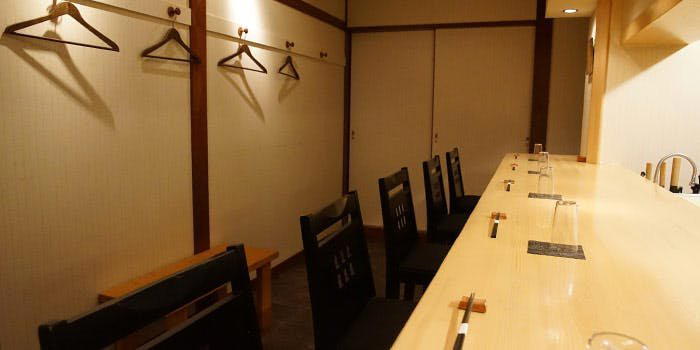


Bars in Kobe
Browse all →





Details
- Cozy
- Lively
- Classic
- Intimate
- Casual Hangout
- After Work
- Group Dining
- Solo
- Family
- Late Night
- Standalone
- Open Kitchen
- Beer Program
- Local Sourcing
- A La Carte
- Counter Dining
- Family Style
- Beer
- Sake
Current opening hours
- Monday
- Closed
- Tuesday
- 4:30–11 PM
- Wednesday
- 4:30–11 PM
- Thursday
- 4:30–11 PM
- Friday
- 4:30–11 PM
- Saturday
- 4:30–11 PM
- Sunday
- 4:30–10 PM
Hours can change for holidays and private events. Hours as of .
Casual, homey okonomiyaki joint with counter and table teppan grills, a compact no‑smoking interior, and a lively, bustling feel typical of neighborhood Kobe spots.