Tempura Tarojiro occupies the ground floor of a low-profile building on Sennichimae in Osaka's Chuo Ward, placing it at the edge of one of the city's most densely layered dining corridors. The address puts it within reach of both the Namba entertainment district and the quieter residential blocks that absorb the overflow. Booking details and current hours are best confirmed directly with the venue before visiting.

Pearl is the En Primeur Club membership app, where members save venues, book tables and use the concierge.
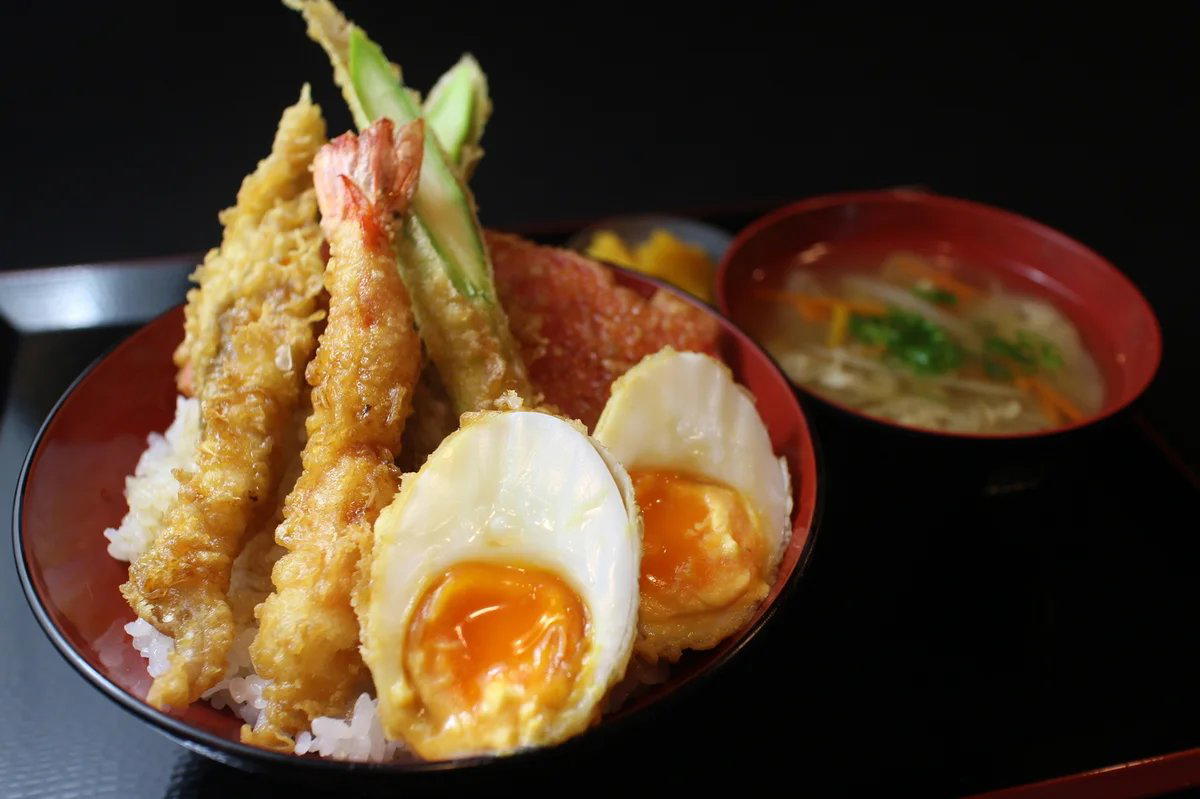
Sennichimae and the Counter Tradition
Osaka's Chuo Ward runs the full spectrum from tourist-facing takoyaki stalls to counter seats where reservations are measured in weeks, not days. Sennichimae sits toward the working end of that spectrum: a stretch that has historically absorbed the city's appetite for no-ceremony dining, where the format matters more than the signage. Tempura Tarojiro operates from the ground floor of Takahashi Building on 1 Chome-8-20 Sennichimae, a location that tells you something about the venue's relationship with visibility. It is not positioned to attract passing trade. It is positioned to serve people who have already decided.
In Japan's tempura tradition, the counter format carries a specific set of expectations. Unlike the set-piece kaiseki counter, where the progression is fixed and the theatre is deliberate, a dedicated tempura counter creates a different rhythm: batter-to-fryer-to-plate, piece by piece, the cook reading the room as much as the menu. The leading counters in Osaka and Tokyo operate within this compressed drama, and proximity to Namba means Tempura Tarojiro draws from a dense local population of people who know what that rhythm should feel like and notice when it doesn't.
Where Tempura Sits in the Osaka Dining Order
Osaka is structurally a city that rewards depth over breadth. The dining culture here runs on repetition and loyalty rather than novelty-seeking, which means the counters that earn a sustained local clientele tend to do so through consistency rather than seasonal rebranding. Tempura as a category occupies a mid-to-upper tier in that ecosystem: more precise in its demands than ramen or okonomiyaki, but less theatrically codified than kaiseki or high-end sushi. The ingredient sourcing, oil temperature, and batter weight are the levers that separate a functional tempura counter from one worth returning to.
The Namba and Sennichimae corridor has enough density that a tempura counter here competes quietly against both neighbourhood standards and the higher-profile operations a short walk toward Dotonbori. That competitive pressure tends to produce either compression toward the mean or genuine differentiation. Venues that survive on Sennichimae over multiple years generally belong to the latter category.
The Spirits Dimension: What the Back Bar Signals
In Japan's counter dining culture, the relationship between food and drink has become increasingly sophisticated over the past decade. The country's bar scene, particularly across the Kansai region, has developed a parallel tradition of precision and curation that increasingly intersects with dining. Osaka's own bar cohort, exemplified by venues like anchovy butter(アンチョビバター) and Bar Nayuta in Osaka, operates with a depth of spirits curation that has trained the city's drinkers toward specificity.
At a counter like Tempura Tarojiro, the drinks selection, whether it runs to Japanese whisky, shochu, sake, or a curated spirits back bar, is read by regulars as a secondary signal about the venue's overall seriousness. Japan's spirits culture has shifted national attention toward rare allocated bottles and category depth in ways that now influence expectations even at food-primary venues. The broader Kansai bar scene, from Lamp Bar in Nara to Bee's Knees in Kyoto, demonstrates how deeply that curation instinct has taken root across the region. Visitors arriving from Tokyo's dense bar circuit, where Bar Benfiddich in Tokyo has made herb-driven and rare-spirits programming a reference point, will find the Kansai approach more restrained in showmanship but no less considered in selection.
For a venue on Sennichimae, the question of what arrives with the tempura matters. Shochu pairs differently with fried prawn than sake does, and the choice between a light ginjo and a richer junmai changes what you taste in the batter. Venues that understand this tend to offer enough range that the pairing decision sits with the guest rather than being defaulted by a thin list.
The Chuo Ward Context
Chuo Ward contains Osaka's most navigated dining geography: Dotonbori to the north of Sennichimae, Kuromon Ichiba market a short walk east, and Shinsaibashi's commercial corridor running parallel. This density means that for visitors, Tempura Tarojiro sits inside a logical cluster rather than requiring a dedicated trip. It is reachable on foot from Namba Station, which is served by multiple lines including the Midosuji, Sennichimae, and Yotsubashi subway lines, as well as the Nankai Namba terminus for those arriving from Kansai International Airport.
For those building a broader itinerary across Japan's bar and dining scene, the geographic logic of the Kansai region means that Osaka, Kyoto, and Nara venues can be covered within the same trip window. Kyoto Tower Sando in Kyoto Shi and Tsurugyu in Osaka represent the kind of complementary stops that reward a multi-day approach to the region rather than a single-city focus. Venues further afield, from Yakoboku in Kumamoto to JR Tower Hotel Nikko Sapporo in Sapporo Shi, illustrate how Japan's dining and bar culture maintains a consistent register of precision across very different geographies.
Planning a Visit
Current hours, booking availability, and pricing for Tempura Tarojiro are best confirmed directly before visiting, as the venue's online presence is limited and details are not publicly indexed in the standard way. For a counter-format venue in this part of Osaka, walk-in availability will depend on time of day and season, with evening service during weekends and holidays likely to require advance planning. The Sennichimae address places the venue within a ten-minute walk of major Namba transport connections, making it direct to incorporate into a broader Chuo Ward evening without significant transit overhead.
Those building around a broader dining and drinks evening in the area should also cross-reference our full Osaka Shi restaurants guide for context on which neighbourhoods and formats cluster well with a Sennichimae dinner. For international comparison points on how premium counter dining intersects with serious bar programming, Cucina Takemura in Yokohama Shi and Bar Leather Apron in Honolulu offer useful reference frames for how that pairing works outside Japan.
Cost Snapshot
| Venue | Cuisine | Price | Awards |
|---|---|---|---|
| Tempura TarojiroThis venue (the venue you are viewing) | Not listed | $20–30 | Not listed |
| Bar Benfiddich | Not listed | $20–30 | World's 50 Best #62 · Tatler Listed in Best Bars Asia-Pacific |
| Bee's Knees | Not listed | $10–20 | World's 50 Best #76 · Top 500 Bars Best Bars #383 |
| Bulgari Ginza Bar | Not listed | $50–100 | World's 50 Best #86 · Forbes Travel Guide Hotel Star Bar |
| The Bellwood | Sushi | $50–100 | World's 50 Best #79 · Tatler Listed in Best Bars Asia-Pacific |
Continue exploring
More in Osaka
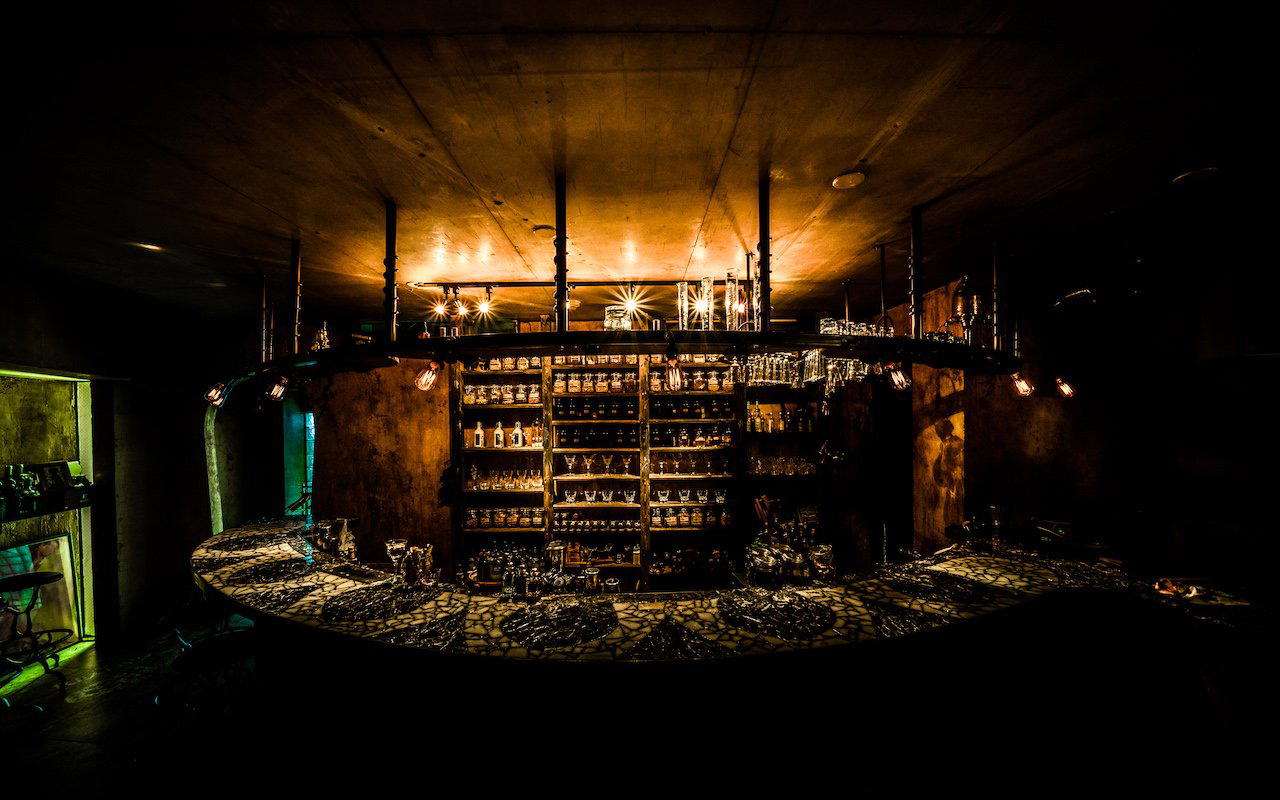
Bars in Osaka
All bars in Osaka →
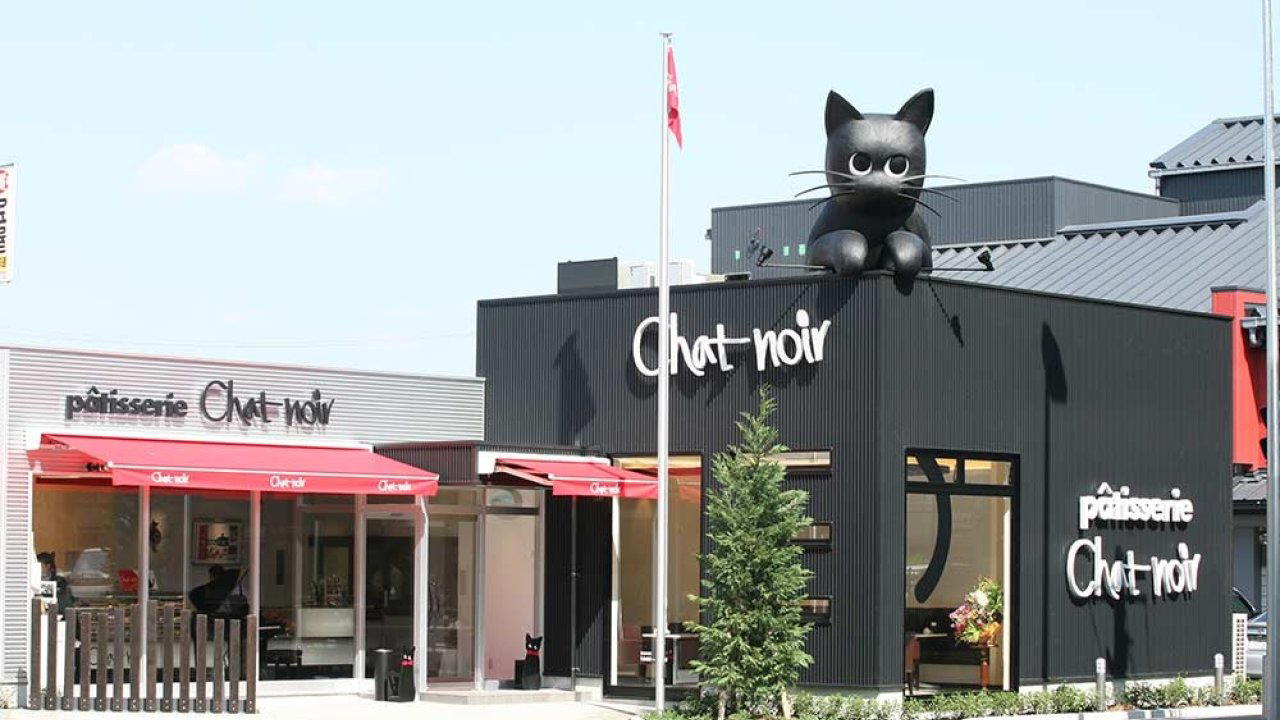
Restaurants in Osaka
All restaurants in Osaka →


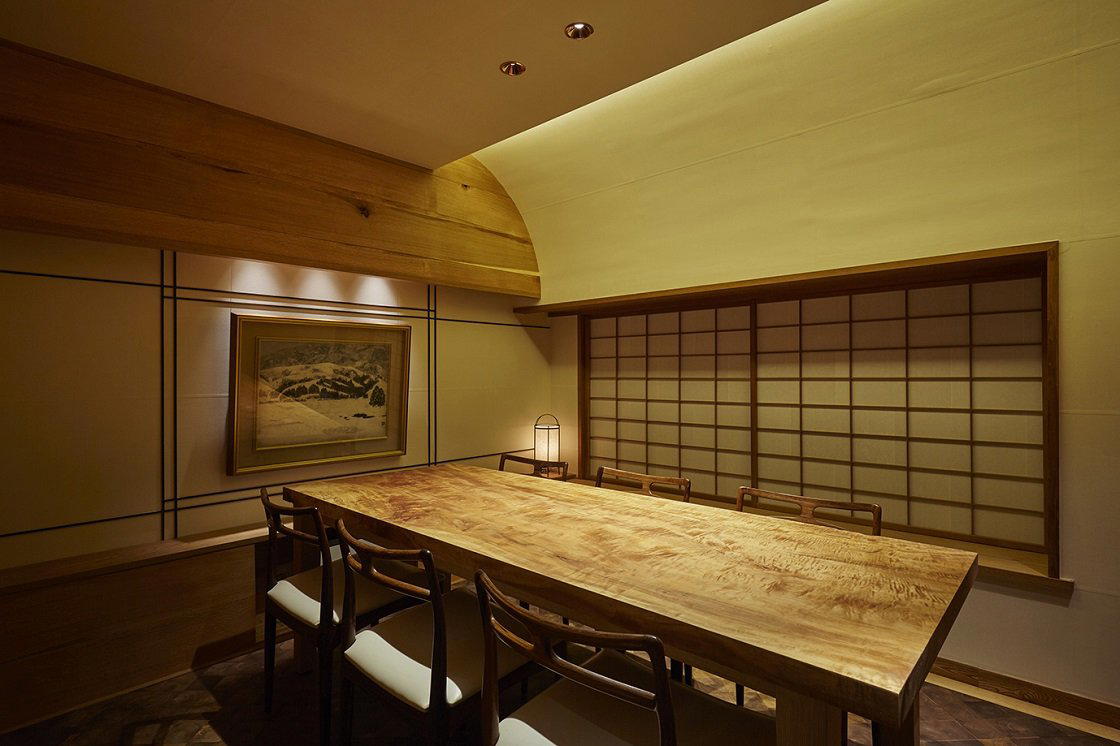

Hotels in Osaka
All hotels in Osaka →
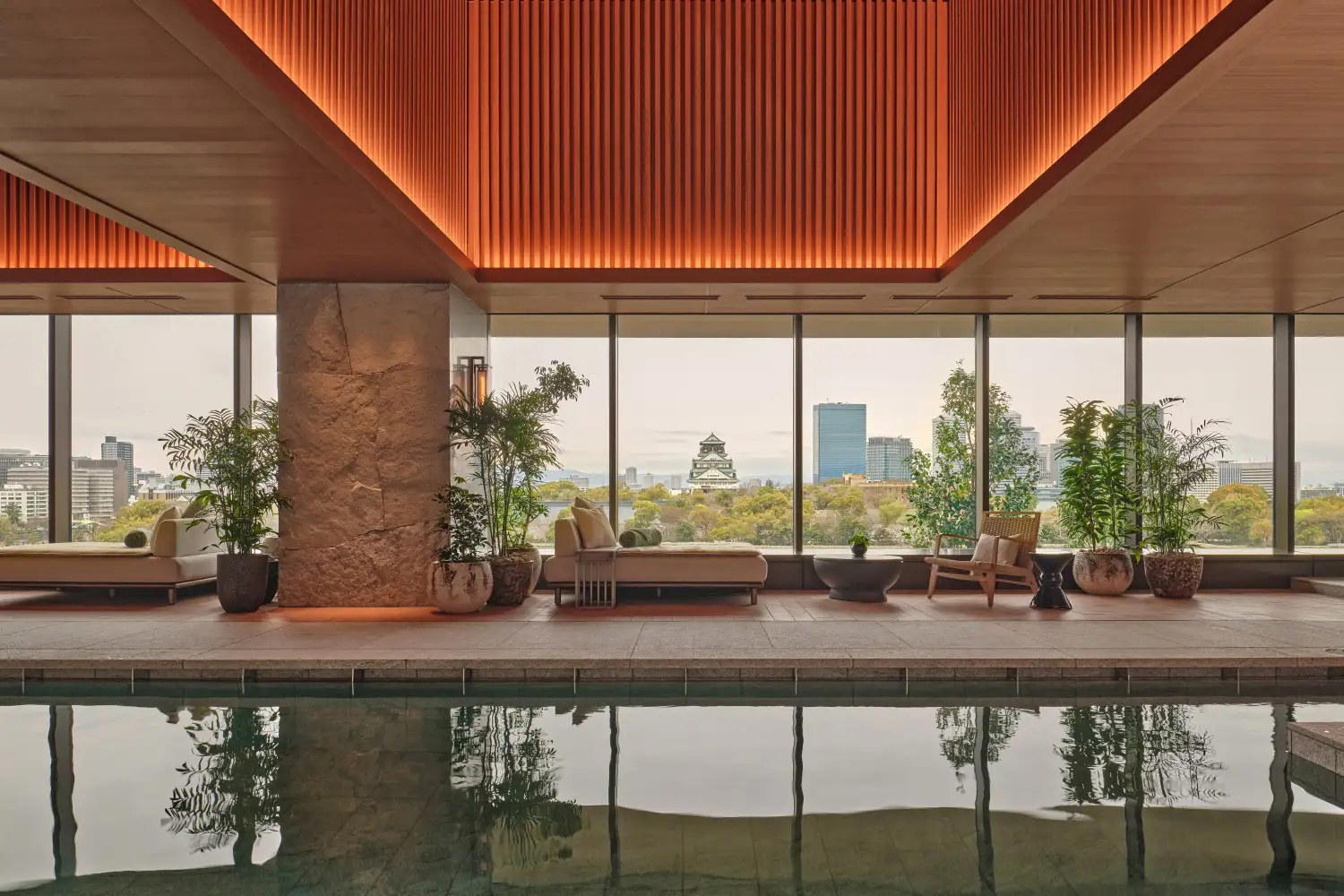


Wineries in Osaka
Browse all →
Details
- Cozy
- Casual
- Casual Hangout
- Counter Only
- Seated Bar
- Sake
Current opening hours
- Monday
- 5 PM–12 AM
- Tuesday
- 5 PM–12 AM
- Wednesday
- Closed
- Thursday
- 5 PM–12 AM
- Friday
- 5 PM–12 AM
- Saturday
- 11:30 AM–12 AM
- Sunday
- 11:30 AM–12 AM
Hours can change for holidays and private events. Hours as of .
Welcoming and casual with a focus on the lively frying area at the counter, creating an engaging atmosphere for diners.