

1 Michelin Star · Tabelog Bronze #5
Our verdict
Seasonal French cooking in Osaka’s Fukushima ward takes a quieter, more disciplined form at ad hoc, a 14-seat house restaurant with Tabelog Award Bronze recognition for 2024, 2025, and 2026. The appeal is not spectacle but concentration: fish-led cooking, wine service, and a room scaled for a long lunch or dinner rather than a high-volume night out.

Pearl is the En Primeur Club membership app, where members save venues, book tables and use the concierge.
The menu
What to order
- Sakuraniku Sansai
- Snow Crab with Red Bell Pepper
- Roasted Japanese Eel with Eggplant
- Oysters with Zucchini and Vermouth
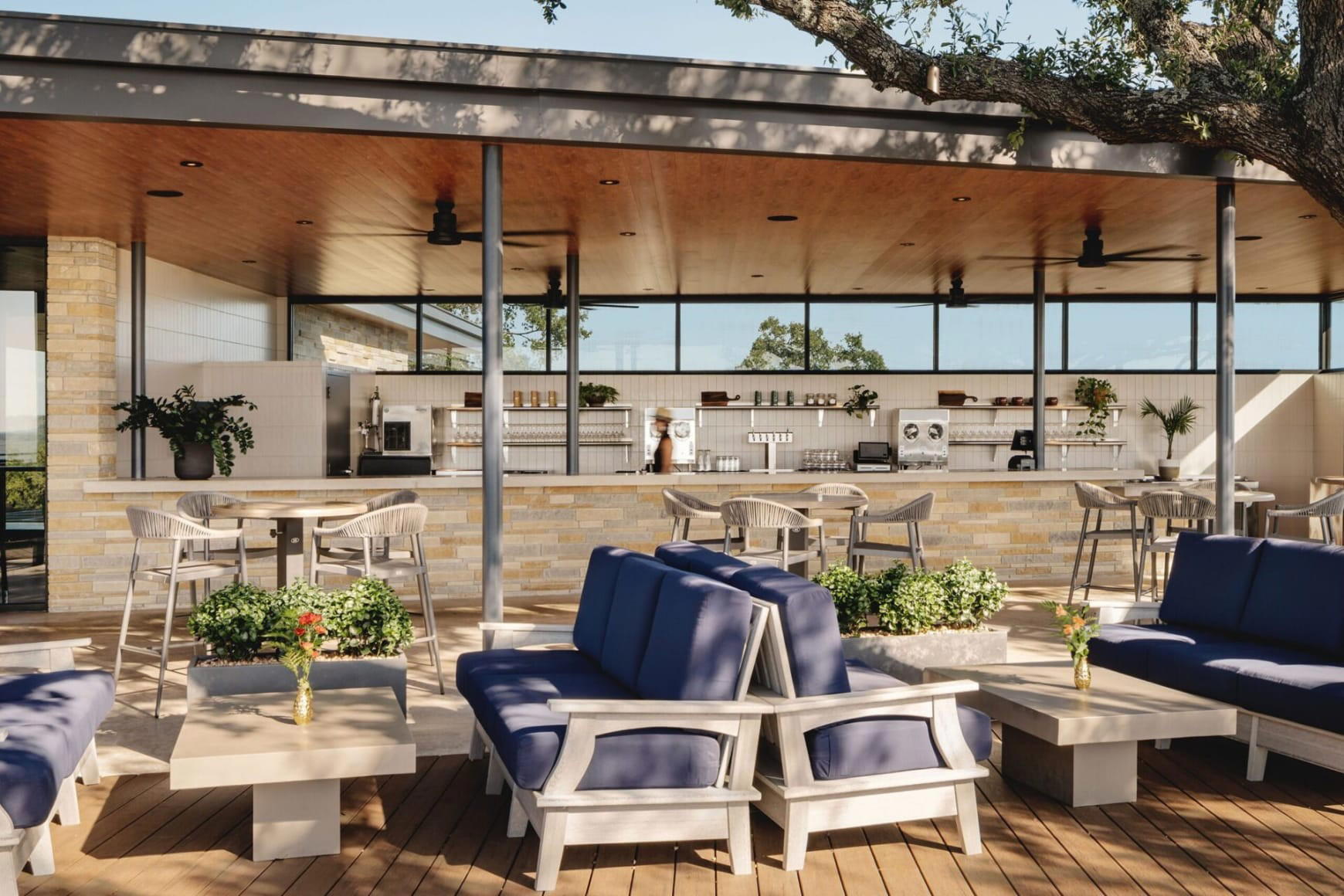
Fukushima’s dining streets change tone quickly: rail-line bustle, apartment blocks, compact counters, and small rooms where Osaka’s appetite for precision sits beside its appetite for ease. In that setting, modern French cooking has a different charge than it does in hotel dining rooms around Umeda or formal destination restaurants elsewhere in Japan. The scale is smaller, the rhythm more intimate, and the room matters because it governs the meal. ad hoc works inside that register: a house restaurant rather than a grand salon, with table seating for 14 and a non-smoking dining room shaped for conversation, wine, and a measured sequence of plates.
Osaka is often described through takoyaki, kushikatsu, okonomiyaki, and late-night drinking, but the city’s serious restaurant culture is broader than its street-food shorthand. French kitchens here tend to absorb Kansai priorities: seasonality, fish, restraint in portioning, and a willingness to let produce carry the argument. The Tabelog Award Bronze recognition in 2024, 2025, and 2026 places this restaurant in a category where consistency matters as much as invention, while selection for Tabelog French WEST 100 in 2021, 2023, and 2025 gives it a regional frame rather than a passing local mention.
Modern French in Fukushima, scaled for attention rather than theatre
The room’s size is the editorial clue. Fourteen table seats make this a compact restaurant, but not a counter performance; the experience leans toward composed pacing rather than chef-facing drama. That distinction matters in Osaka, where premium dining often divides between sushi and kappo counters on one side and Western-format tasting rooms on the other. Here the French category is not treated as imported ceremony. It becomes a Kansai dining format: controlled, seasonal, and attentive to fish, with wine service built into the experience through the presence of a sommelier.
The price band also tells readers how to place it. Lunch sits at JPY 15,000 to JPY 19,999, while dinner moves to JPY 20,000 to JPY 29,999. That is a serious commitment, but it sits below the extreme end of Japan’s destination tasting-menu economy. Compared with Otsuki in Osaka, which occupies a Japanese premium bracket, or casual regional options such as LA PIZZA NAPOLETANA REGALO and Ponshuya Santoku Rokumi Fukushima honten, this is a different decision entirely: less about genre-hopping through the city and more about giving one meal the evening. Yakitori Kokure, priced far lower, illustrates the gap between specialist comfort dining and a French meal built around sequence, wine, and pacing.
Fish is a useful lens for understanding the cooking without inventing a menu. Modern French restaurants in Japan often do their strongest work when technique serves seafood rather than heavy meat courses; Osaka’s access to Kansai markets makes that tendency feel natural rather than ornamental. The restaurant’s own positioning emphasizes fish and wine, which puts it closer to a produce-driven French conversation than to old-school richness. The better expectation is not flamboyance, but clarity: a meal where the visual architecture of each course, the quiet of the room, and the tempo of service carry as much weight as luxury ingredients.
How it fits into an Osaka itinerary
Fukushima is one of Osaka’s more useful dining districts for travelers who want serious meals without leaving the central city orbit. It sits close enough to Umeda and Osaka Station to work around hotel plans, but its restaurant identity is more granular: small dining rooms, wine bars, izakaya, and chef-led formats threaded through ordinary streets. For a broader city plan, the restaurant belongs in conversation with Our full Osaka restaurants guide, while nearby drinking and hotel decisions are better mapped through Our full Osaka bars guide and Our full Osaka hotels guide.
The audience is narrower than the address suggests. Children under junior high school age are not accepted, private rooms are unavailable, and seat preferences cannot be specified at reservation. Allergies and disliked ingredients are checked when booking, which is standard for tasting-led dining in Japan and particularly relevant for a fish-conscious French kitchen. Credit cards are accepted, but electronic money and QR-code payments are not. Strong perfume is discouraged, a small but telling rule in a room where wine service and close seating shape the meal.
Planning should account for the weekly rhythm: the restaurant closes on Wednesday and operates lunch and dinner on the other listed days. Parking is available through Dojima Cross Walk with a ticket arrangement, though the district is also practical by rail. Reservations may show unavailable online while seats remain by phone, so the booking picture is less binary than a calendar screen can imply. Course prices include consumption tax and service charge, with a 10 percent service charge noted in the restaurant’s terms.
Where to look next in Osaka and beyond
Osaka rewards contrast, and a polished French meal reads better when placed against the city’s everyday range. Build the surrounding days with lighter stops such as .cafe, 52CHO-ME BAKERY, 551 Horai (551蓬莱), 99 Pizza Napoletana Gourmet, and a canto (Italian). For travelers extending the itinerary, the same Japan dining map can stretch to -Grilled beef Sukiyaki- KAMAKURA TANUKIAN 鎌倉 たぬき庵 in Kamakura. 鮪と炭火焼き うお炭 秋葉原店 in Tokyo.know in Kumamoto, (Shoku) Vietnam in Kawasaki, [Curry Senmon Ten] Maruyama Kyoju. in Sapporo, and [ki:] in Kyoto. Beyond restaurants, Osaka’s broader travel texture sits in Our full Osaka wineries guide and Our full Osaka experiences guide, while transpacific dining notes can run through Jōdo Saké Bar in Los Angeles and Onigiri Time in Pasadena.
The case for ad hoc is strongest for travelers who want Osaka’s refined side without abandoning the city’s compact, neighborhood-driven dining culture. It is not the meal for a loose family table or a spontaneous large group. It is a controlled French address in Fukushima with awards history, a small room, wine orientation, and enough practical constraints to reward advance planning.
Frequently asked questions
Does ad hoc work for a family meal?
Not for younger children: ad hoc does not accept children under junior high school age. For adults, its 14-seat dining room in Fukushima, Osaka suits a quiet meal with a set course and wine.
What kind of setting is ad hoc?
ad hoc is a house restaurant in Osaka with a 14-seat table layout, described as stylish, relaxing, and spacious. It is non-smoking, and the room is set up for course dining rather than a counter format.
What days is ad hoc closed?
Hours at ad hoc: Mon, Tue, Thu, Fri, Sat, Sun 12:00 - 15:00 L.O. 12:30 18:00 - 22:00 L.O. 19:00.
Where is ad hoc in Osaka?
ad hoc is located in Osaka.
City Peers
Comparable venues to anchor price and recognition.
| Venue | Cuisine | Price | Awards | Notes |
|---|---|---|---|---|
| ad hocThis venue (the venue you are viewing) | Modern French with Japanese Sensibilities | $150–200 | 1 Michelin Star · Tabelog Bronze #5 | Not listed |
| Otsuki | Modern Japanese Washoku | $150–200 | Michelin Plate | Japanese |
| Yakitori Kokure | Not listed | Not listed | Not listed | JPY 8,000 - JPY 9,999 |
| LA PIZZA NAPOLETANA REGALO | Neapolitan Pizza | $10–20 | Tabelog 100 #55 | JPY 1,000 - JPY 1,999 JPY 1,000 - JPY 1,999 View spending breakdown |
| Ponshuya Santoku Rokumi Fukushima honten | Not listed | Not listed | Not listed | JPY 4,000 - JPY 4,999 |
Recognition history
Dated appearances from independent guides and award organizations, with the underlying list record or original source where available.
Michelin 1 Star
Michelin
Tabelog Bronze #5
Tabelog
Full recognition history (4 entries)
Tabelog 100 #7 · No. 7
Tabelog · Tabelog 100 - French - WEST - 2025
Tabelog Bronze
Tabelog
Continue exploring
More in Osaka
Restaurants in Osaka
All restaurants in Osaka →

Bars in Osaka
All bars in Osaka →
Hotels in Osaka
All hotels in Osaka →



Wineries in Osaka
Browse all →
Details
- Elegant
- Intimate
- Sophisticated
- Modern
- Date Night
- Celebration
- Special Occasion
- Open Kitchen
- Standalone
- Design Destination
- Sommelier Led
- Local Sourcing
- Tasting Menu
- Set Menu
- Wine Pairing
Current opening hours
- Monday
- 12–12:30 PM, 6–7 PM
- Tuesday
- 12–12:30 PM, 6–7 PM
- Wednesday
- Closed
- Thursday
- 12–12:30 PM, 6–7 PM
- Friday
- 12–12:30 PM, 6–7 PM
- Saturday
- 12–12:30 PM, 6–7 PM
- Sunday
- 12–12:30 PM, 6–7 PM
Hours can change for holidays and private events. Hours as of .
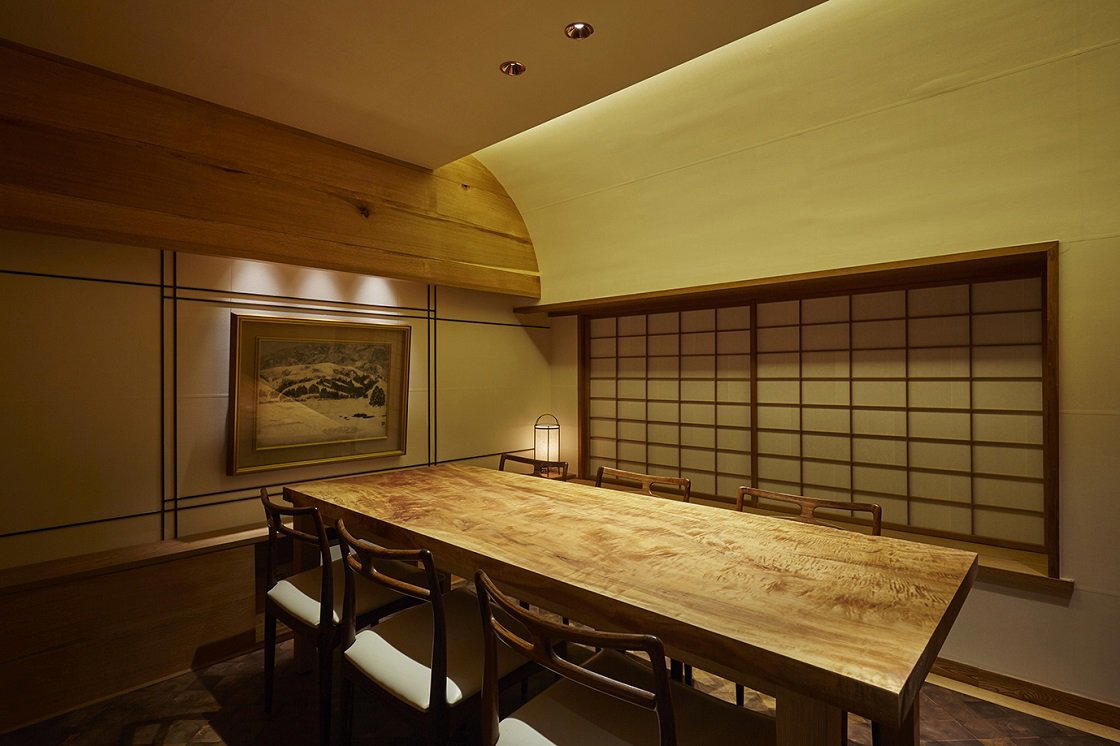
Gently lit, warm space with antique-modern decor featuring natural rock tables and wooden ornamental plates that convey the chef's love of nature; intimate and comfortable atmosphere.