
Tabelog 100 #3
Our verdict
Sion belongs to Kobe’s quieter curry-and-yoshoku tradition, where Western-style technique, Japanese rice culture, and careful sourcing matter more than spectacle. Its Tabelog Curry WEST 100 selection in 2023 and 2024 places it in a serious regional conversation, while the small counter-and-kotatsu format keeps the experience grounded and local.

Pearl is the En Primeur Club membership app, where members save venues, book tables and use the concierge.
The menu
What to order
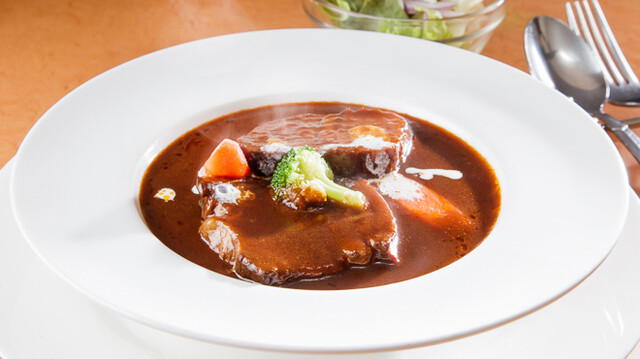
- European-style hotel curry
- Beef stew
- Limited shrimp curry
- Hamburg steak with curry or stew
Kobe moves differently away from its showpiece dining rooms: narrower rhythms, practical lunch culture, and office workers, families, and regulars passing between stations, shops, and small restaurants without theatre. Sion fits that register. The compact room feels closer to everyday yoshoku than destination dining, yet its recognition says more: a curry address operating inside a regional award conversation.
Visitors often misread Japanese curry as comfort before craft. In western Japan, stronger examples often sit close to yoshoku, the Japanese adaptation of Western cooking that became a cuisine of sauces, rice plates, stews, omelette rice, and curry. Its discipline is not fine-dining luxury produce, but base work, heat control, sweetness, bitterness, spice, and how sauce carries across rice without heaviness. Sion’s curry-and-yoshoku listing matters because it places the kitchen in that lineage.
Kobe curry through the lens of yoshoku sourcing
Kobe’s food identity is often reduced to beef, but its port history matters as much. Foreign trade, hotel dining rooms, bakeries, coffee shops, and Western-style kitchens made Kobe unusually fluent in imported culinary forms. Yoshoku is part of that inheritance: Japanese in appetite and format, Western in certain techniques, and local in its absorption of everyday ingredients. Curry here is not only a spice dish; it is a sauce tradition.
Sion’s public category connects the restaurant to curry and yoshoku, a useful Kobe pairing because Western-style cooking has long been part of the city’s dining culture. That should not become mythology, but it explains why a curry-and-yoshoku room in Kobe can draw attention beyond its scale. The point is discipline: roux, stock, aromatics, rice, and garnish judged by balance, not novelty.
The sourcing angle is less about named farms than how ingredients become legible through yoshoku structure. Curry rewards kitchens that understand how vegetable sweetness, browning bitterness, spice warmth, and fat behave over time. In casual settings, those choices can be invisible; in award-listed curry rooms, they separate a filling plate from one with architectural control. Sion’s 2024 Tabelog Hyakumeiten recognition is meaningful because the signal is category-specific rather than simply a general prestige claim.
Within Kobe’s dining spread, that places it apart from other Kobe dining rooms built around different occasions and formats. Some addresses express Kobe’s premium dining economy. Sion speaks to a humbler but no less exacting tradition: the everyday Western-style plate refined until it earns regional notice.
A small-room format that keeps the cooking in focus
The room shapes the meal’s tempo. Sion is best read as a compact Kobe restaurant where the category may be approachable by luxury standards but operations still need to be tight. The appeal is not a sprawling curry hall built for spectacle, but a focused format where consistency carries reputation.
That scale makes the yoshoku context important. Curry restaurants in Japan are not usually judged by ceremony, yet Sion’s curry-and-yoshoku category suggests a Western-style Japanese cooking mindset rather than pure fast lunch. Sauces, rice plates, browned flavors, and careful pacing all share a grammar that helps explain why curry can feel both ordinary and exacting in this setting.
Compared with other named Kobe options such as Mama no Eranda Motomachi Cake Motomachi honten, Le Shmiki, BRISK STAND Koube honten, Ouraku En, and Mangetsu, Sion is useful for a different kind of stop: curry and yoshoku with listed lunch and dinner budgets that remain approachable. That position is part of the appeal. Kobe has plenty of meals organized around occasion; Sion is built around category excellence at a scale locals can fold into routine.
For readers mapping Kobe beyond one meal, the contrast helps. Other Kobe dining points toward the city’s coffee-shop culture, casual restaurant culture, and the international foodways that sit naturally in a port city. Sion is not an isolated curiosity; it belongs to Kobe’s broader habit of absorbing outside forms and making them local.
How to read its award signal
Tabelog’s Hyakumeiten lists are not Michelin stars and should not be treated as interchangeable. Their value is category specificity. Sion’s 2024 recognition, alongside its listed 3.61 score, is the relevant trust marker: a curry-and-yoshoku address being recognized within a defined field rather than folded into a vague popularity claim.
The editorial takeaway is narrow and strong. This is the Kobe address to consider when the aim is not steak, sushi, or a hotel dining room, but yoshoku-rooted curry with enough credibility to justify planning around it. The meal belongs in a day that leaves space for Kobe’s older commercial rhythms as well as its better-known visitor circuits. It suits travellers who care how ordinary Japanese categories become precise through repetition, sourcing choices, and sauce work.
To place it inside a wider itinerary, use broader Kobe restaurant context, then branch into Kobe hotels, bars, wineries, and experiences as needed. For broader Japan and overseas contrasts, compare category-driven casual dining generically rather than treating Sion as part of a single luxury circuit. Its usefulness is local and specific: curry and yoshoku in Kobe, recognized in 2024, with approachable listed budgets for lunch and dinner.
Frequently asked questions
What are the operating hours at Sion?
Specific operating hours for Sion are not provided here; confirm directly before visiting.
What's the pricing like at Sion?
Pricing at Sion is listed as Dinner: JPY 2,000 - JPY 2,999; Lunch: JPY 1,000 - JPY 1,999.
What's Sion's location?
Sion is located in Kobe.
What is Sion known for?
Sion is known for curry and yoshoku, Japanese-style Western cuisine, in Kobe.
In Context: Similar Options
Comparable venues to calibrate price, style, and recognition.
| Venue | Cuisine | Price | Awards | Notes |
|---|---|---|---|---|
| SionThis venue (the venue you are viewing) | European-style Japanese curry & beef stew | $10–20 | Tabelog 100 #3 | Not listed |
| Kisetsu Ippin Ryori Fujiwara | Seasonal Japanese Izakaya & Seafood | $30–50 | Tabelog 100 #57 | Chūō |
| Yakiniku Possam Chip | Kobe beef & offal yakiniku with Korean-style cold noodles | $50–100 | Tabelog 100 #33 | Hyōgo |
| Yoshokuya Yuuki | Japanese yoshoku (Western-style comfort food) | $10–20 | Tabelog 100 #44 | Hyōgo |
| QUATTRO | Kobe yoshoku (Japanese-style Western) | $20–30 | Tabelog 100 #25 | Chūō |
| Koube Kitano Asahi Yaseinikuten | Kobe beef diner & butcher eat-in | $10–20 | Tabelog 100 #40 | Chūō |
Recognition history
Dated appearances from independent guides and award organizations, with the underlying list record or original source where available.
Tabelog 100 #3 · No. 3
Tabelog · Tabelog 100 - Curry - WEST - 2024
Continue exploring
More in Kobe
Restaurants in Kobe
All restaurants in Kobe →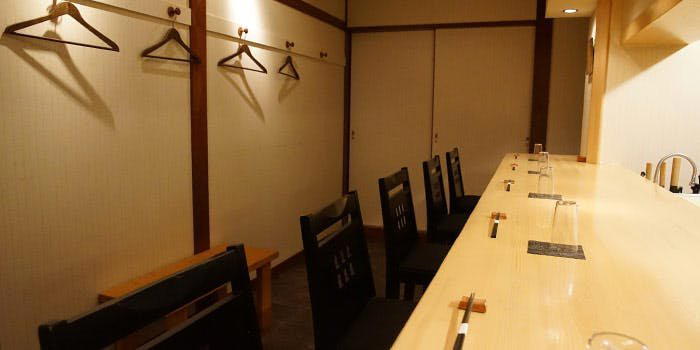
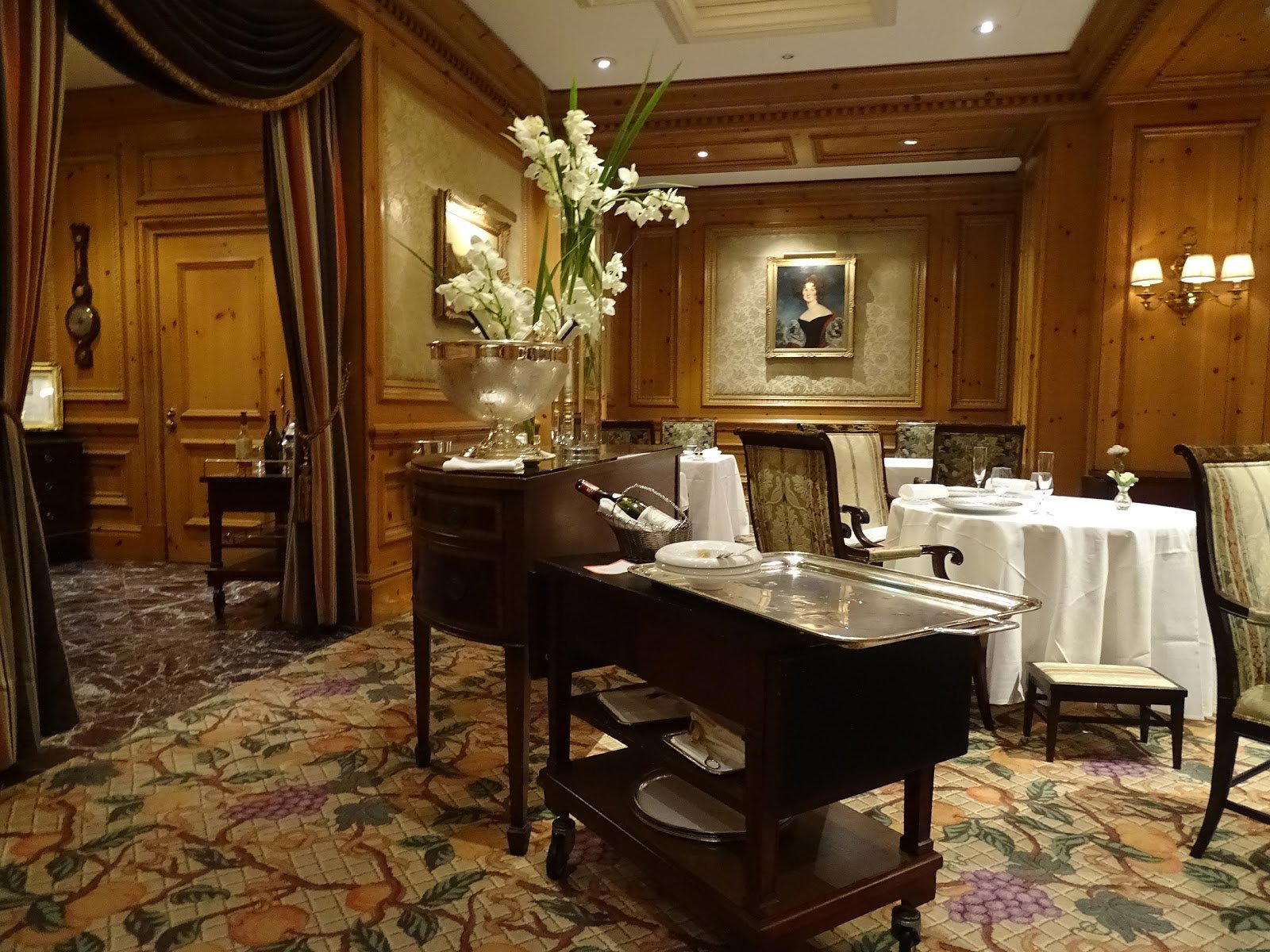

Bars in Kobe
Browse all →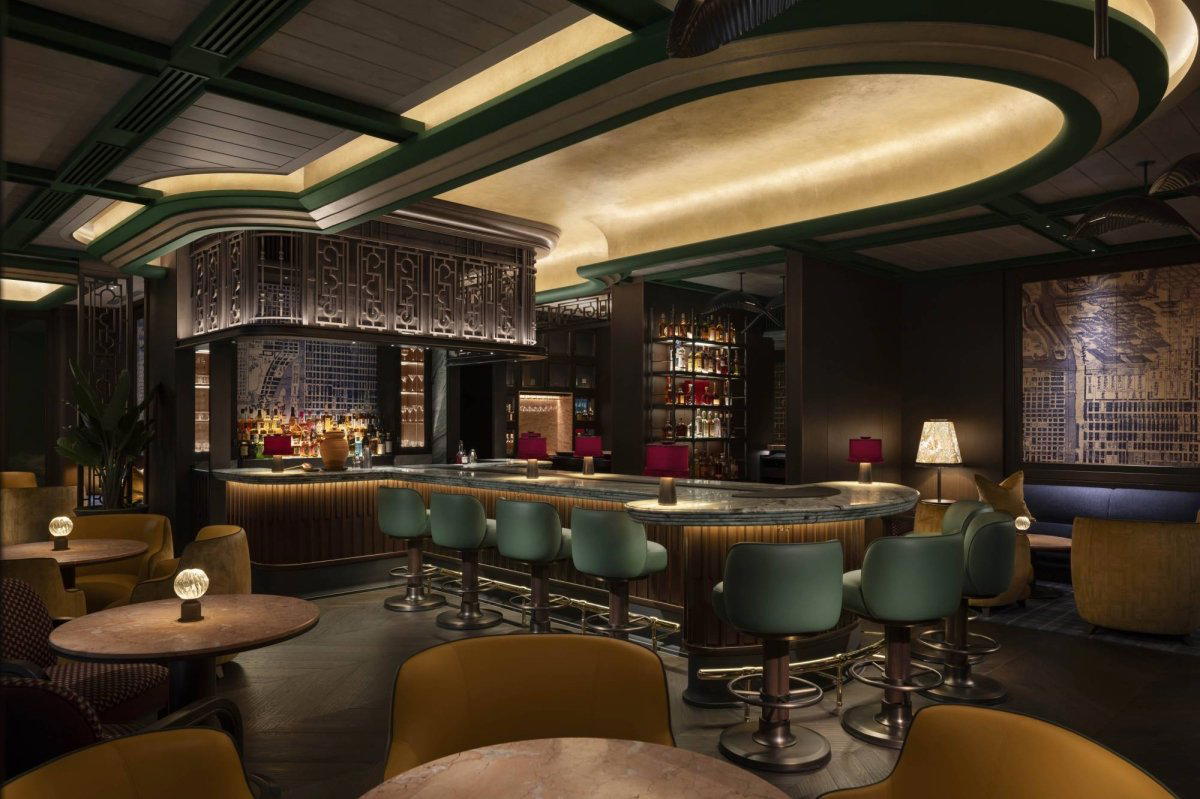
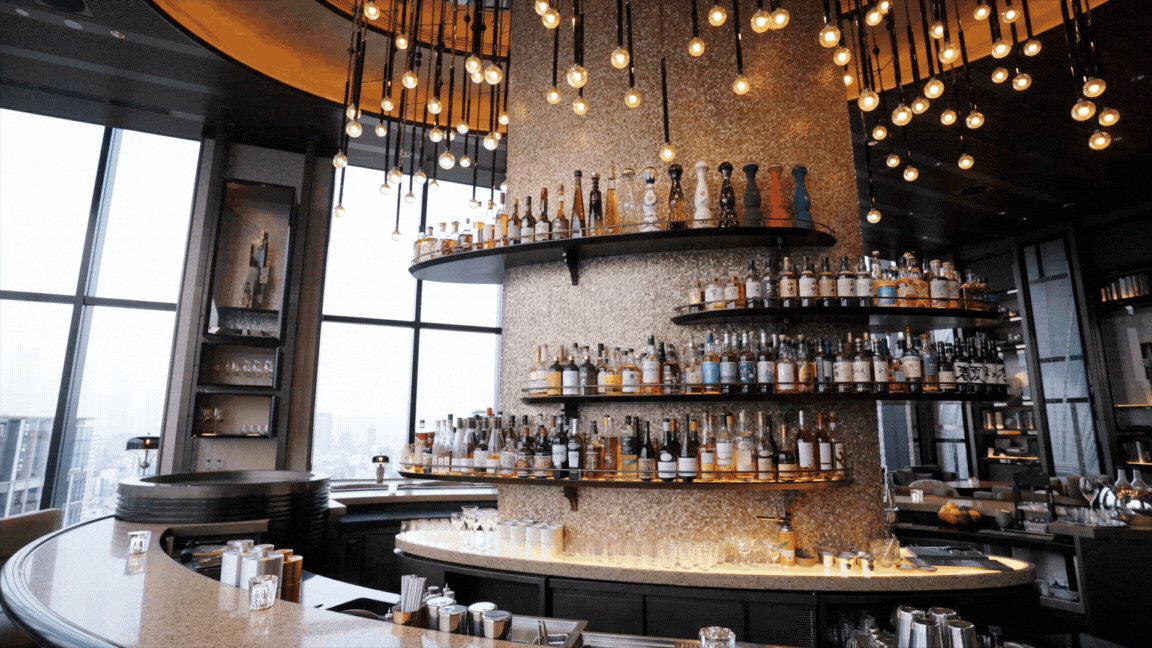



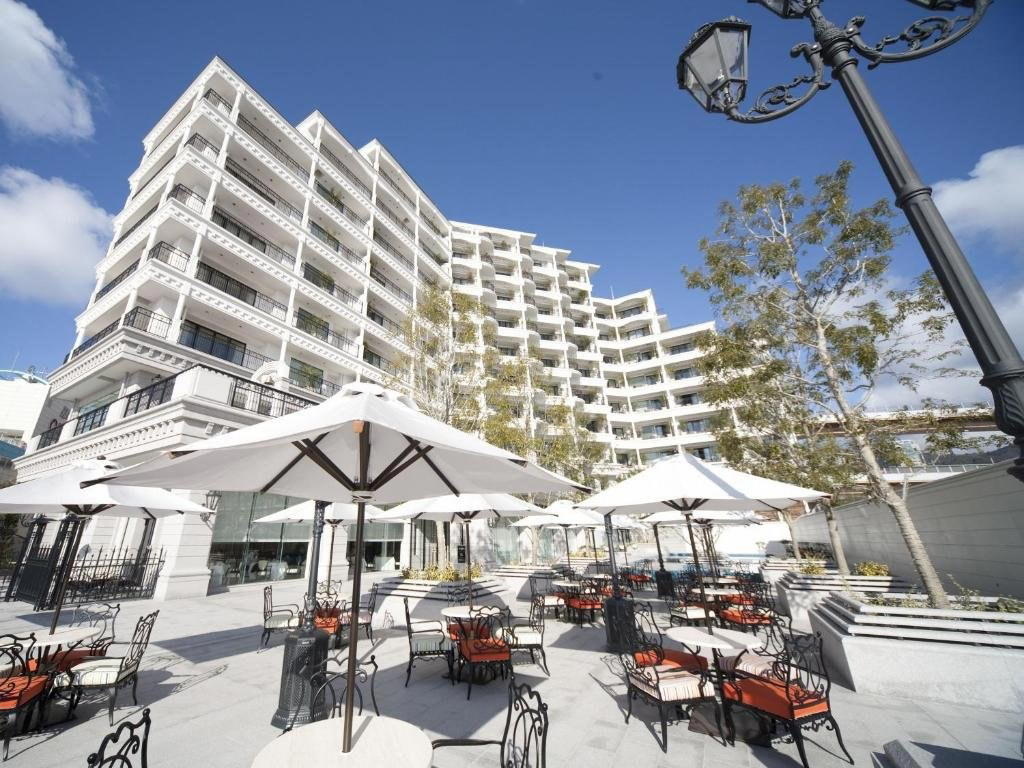


Details
- Cozy
- Elegant
- Intimate
- Classic
- Solo
- Business Dinner
- Group Dining
- Casual Hangout
- Family
- Celebration
- Chefs Counter
- Standalone
- Historic Building
- A La Carte
- Counter Dining
- Set Menu
Current opening hours
- Monday
- Closed
- Tuesday
- 11:30 AM–2:30 PM
- Wednesday
- 11:30 AM–2:30 PM
- Thursday
- 11:30 AM–2:30 PM
- Friday
- 11:30 AM–2:30 PM
- Saturday
- 11:30 AM–2:30 PM, 6–8 PM
- Sunday
- 11:30 AM–2:30 PM, 6–8 PM
Hours can change for holidays and private events. Hours as of .
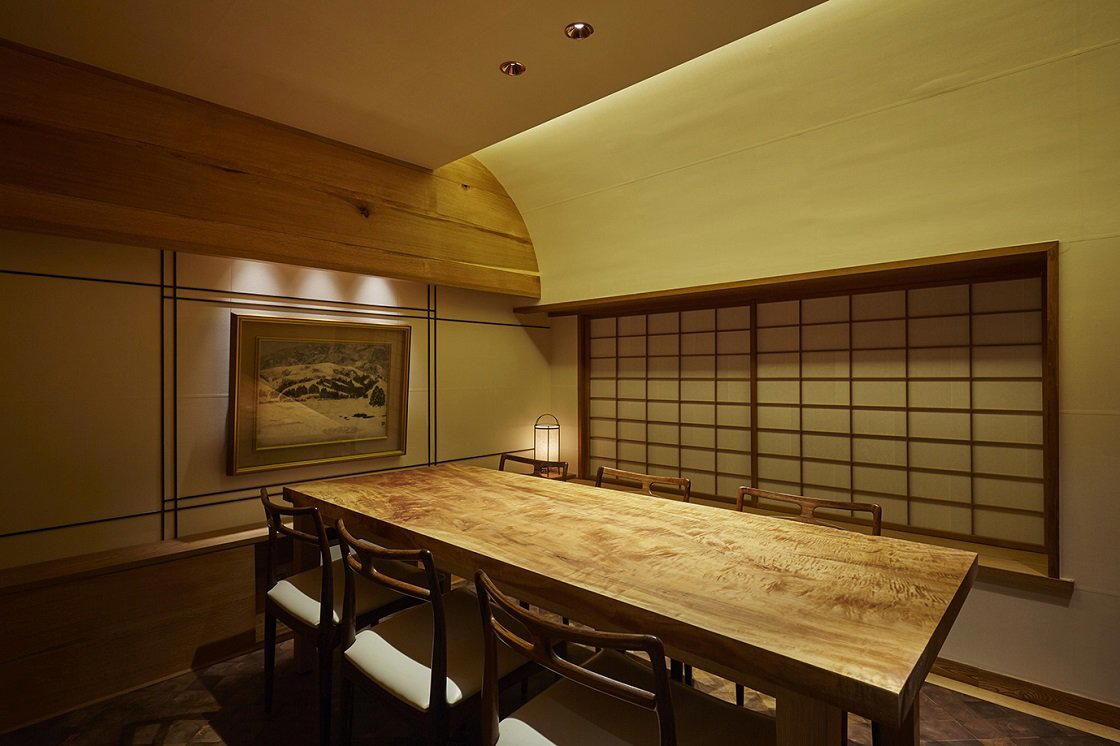
Small, clean and softly lit with an elegant yet relaxed feel; counter seats let guests watch the chef work, while low horigotatsu tables create a calm, unhurried atmosphere suited to quiet conversation and business meals rather than a noisy curry shop vibe.