

At Azabujuban's Soan Mitate, a Michelin Plate-recognised counter distills soba into its most elemental form: freshly ground, freshly kneaded, freshly boiled. A set menu moves through Toyama-sourced delicacies and buckwheat-flour galettes before arriving at slender, 100% buckwheat noodles. An extensive champagne list signals how far premium soba has travelled from its Edo-era street-stall origins.
Pearl is the En Primeur Club membership app — saves, bookings, and concierge access live there. Same editors, same standards.
- Address
- Japan, 〒106-0045 Tokyo, Minato City, Azabujuban, 2 Chome−8−12 リレント麻布十番 2階
- Phone
- +81 3-6722-6702
- Website
- instagram.com
- Directions
- Get directions
 Saves & bookings on Pearl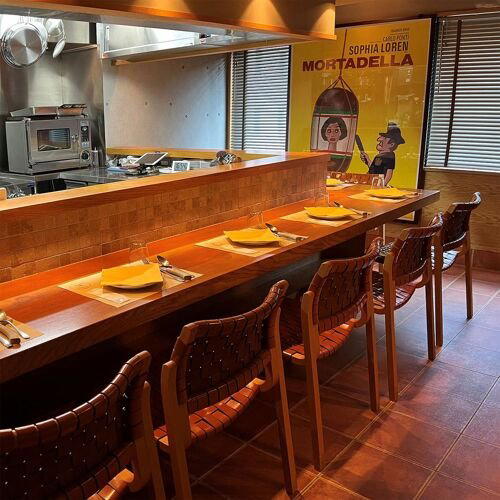
Where Soba Became a Tasting Menu
Tokyo's soba category has quietly split into two distinct tiers over the past two decades. The first is everyday, neighbourhood shops serving working lunches, kake soba at the counter, in and out in fifteen minutes. The second is something harder to classify: counter-format restaurants where the buckwheat noodle is treated with the same deliberateness applied to kaiseki, where provenance is documented, technique is visible, and the meal runs well beyond a single bowl. Soan Mitate, on the second floor of a building in Azabujuban, belongs to this second tier, and its positioning says a great deal about how premium soba has evolved in central Tokyo.
The name itself is a statement of philosophy before a single noodle is cut. Mitate translates to 'the three freshes': freshly ground, freshly kneaded, freshly boiled. It is a framework older than the restaurant, drawn from the foundational logic of sobakiri craftsmanship. What the kitchen at Soan Mitate has done is build a contemporary format around that ancient constraint, one that now sits comfortably alongside tasting-menu restaurants charging comparable prices in the same neighbourhood.
Azabujuban as Context
Minato City's Azabujuban district has long occupied a specific position in Tokyo's dining hierarchy. It is not the dense, chef-competitive terrain of Ginza, nor the experimental edge of Shibuya. It attracts a local clientele that moves between serious Japanese cooking and international fare, and its restaurant density rewards repeat visits rather than one-off tourism. Several of Tokyo's more considered Japanese-cuisine counters operate here precisely because the neighbourhood sustains regulars rather than chasing foot traffic. Soan Mitate's second-floor address, away from street level, is consistent with that model: you need to know it exists before you find it.
Peer soba counters with similar positioning in Tokyo, including Akasaka Sunaba, Azabukawakamian, and Edosoba Hosokawa, each approach the tradition from a different angle, whether emphasising Edo lineage, regional grain sourcing, or format discipline. The restaurant's differentiation lies in its Toyama provenance thread and in the breadth of its pre-soba course structure, which places it closer to a small kaiseki counter in pacing than to a traditional soba shop.
The Format and What It Has Become
Premium soba in Tokyo did not arrive as a tasting-menu format overnight. Through the 1990s and into the 2000s, a generation of craft soba makers pushed the category toward single-origin grain sourcing and visible stone-grinding, moves that repositioned the noodle from transport food to considered cooking. The logical endpoint of that shift, in particularly ambitious venues, was the sequential course structure that restaurant now delivers: a set menu that moves guests through an assortment of Toyama-sourced delicacies, buckwheat-flour galettes of tuna and caviar, and a procession of small dishes before the soba itself arrives.
That arrival, at this kind of counter, is the point of the whole exercise. The noodles at the restaurant are 100% buckwheat, no wheat flour blended in for elasticity, which is the technically difficult path, cut to a slender, precise width. Watching the preparation is described in the restaurant's own Michelin citation as an added dimension of the experience, which is characteristic of the counter format at this level: the craft is part of what is being served, not concealed in a kitchen behind closed doors.
The champagne list is worth pausing on. An extensive selection of champagne at a soba counter would have been incongruous thirty years ago. That it is now a genuine draw rather than an affectation reflects how thoroughly the premium soba tier has reoriented itself toward the same customer making dinner reservations at a French restaurant or high-end kaiseki counter. Venues like Hamacho Kaneko and Hamadaya operate in adjacent formal-Japanese territory, and the dining public moving between them and the restaurant is increasingly the same one.
Toyama as a Sourcing Identity
One of the more specific editorial details in the restaurant's record is the emphasis on Toyama as a provenance point. The chef's background connects to the prefecture, and the kitchen draws its primary ingredients from there, a regionalist commitment that mirrors what has happened in ambitious Japanese cooking more broadly. Just as Japanese chefs working in Europe or in Tokyo's international-cuisine tier have emphasised prefecture-level sourcing as a marker of seriousness, soba specialists have done the same with buckwheat. Knowing where the grain came from, and being able to articulate the distinction, has become part of the value proposition at the premium tier.
Toyama's food identity, sea bream, firefly squid, mountain vegetables, translates reasonably directly into the kind of pre-soba delicacy courses that restaurant structures its set menu around. The galettes of tuna and caviar, mentioned specifically in the Michelin evaluation, represent the contemporary end of that thinking: buckwheat as a vehicle for luxury ingredients, treated with the same precision as the noodles themselves. That framing would have been unusual in traditional soba culture, where the noodle was always the sole subject. It is now the direction in which serious soba is travelling.
Across Japan's Soba and Broader Dining Scene
The soba format at this level of ambition exists in other Japanese cities, though the counter density is lower outside Tokyo. Ayamedo in Osaka and Chikuyuan Taro no Atsumori in Kyoto represent different regional inflections of the same broad movement. Further afield, the ambition visible at places like HAJIME in Osaka, Gion Sasaki in Kyoto, akordu in Nara, Goh in Fukuoka, 1000 in Yokohama, and 6 in Okinawa signals how broadly the tasting-counter format has spread across Japanese fine dining. The restaurant belongs to this national conversation even as it is rooted specifically in Azabujuban and Toyama.
Planning Your Visit
Location: 2 Chome-8-12 Relent Azabujuban, 2nd Floor, Azabujuban, Minato City, Tokyo. Price range: ¥¥¥ (mid-to-upper tier for a soba counter; set menu format). Recognition: Michelin Plate 2024 and 2025. Booking is essential. Nearby context: Azabujuban is accessible via the Namboku and Oedo subway lines.
The Quick Read
Comparable venues nearby, for context on price, style, and recognition.
| Venue | Cuisine | Price | Notes |
|---|---|---|---|
| Soan MitateThis venue — the venue you are viewing | Minato, Modern Japanese Soba Omakase | $$$$ | Not listed |
| Hibinoryori Viola | Minato, Kaiseki Home Cooking | $$$$ | Not listed |
| SUKIYAKI ASAI | Minato, Traditional Omi Beef Sukiyaki | $$$$ | Not listed |
| Noto Kanazawanosachi Ginza Furuta | Chūō, Ishikawa Regional Japanese Kaiseki | $$$$ | Not listed |
| Fugu Club miyawaki Bettei | Chūō, Modern Fugu Fine Dining | $$$$ | Not listed |
| Motoazabu Kushima | Not listed | $$$$ | Minato, Modern Japanese Kappo Omakase with Wagyu |
Recognition history
Dated appearances from independent guides and award organizations, with the underlying list record or original source where available.
Michelin Plate
Michelin
Michelin Plate
Michelin
Tabelog 100 #73
Tabelog
Michelin Plate
Michelin






At a Glance
- Elegant
- Intimate
- Quiet
- Sophisticated
- Date Night
- Special Occasion
- Business Dinner
- Chefs Counter
- Open Kitchen
- Sake Program
- Sommelier Led
- Local Sourcing
Current opening hours
- Monday
- Closed
- Tuesday
- 6–11:30 PM
- Wednesday
- 6–11:30 PM
- Thursday
- 6–11:30 PM
- Friday
- 6–11:30 PM
- Saturday
- 2–9 PM
- Sunday
- Closed
Hours can change for holidays and private events. Last verified .
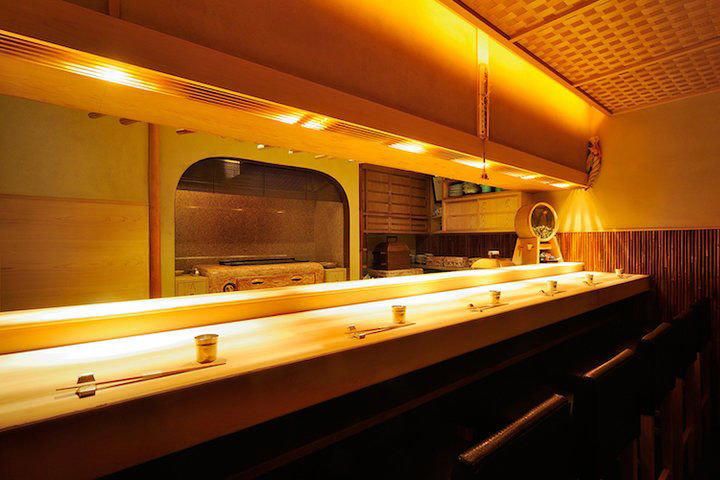
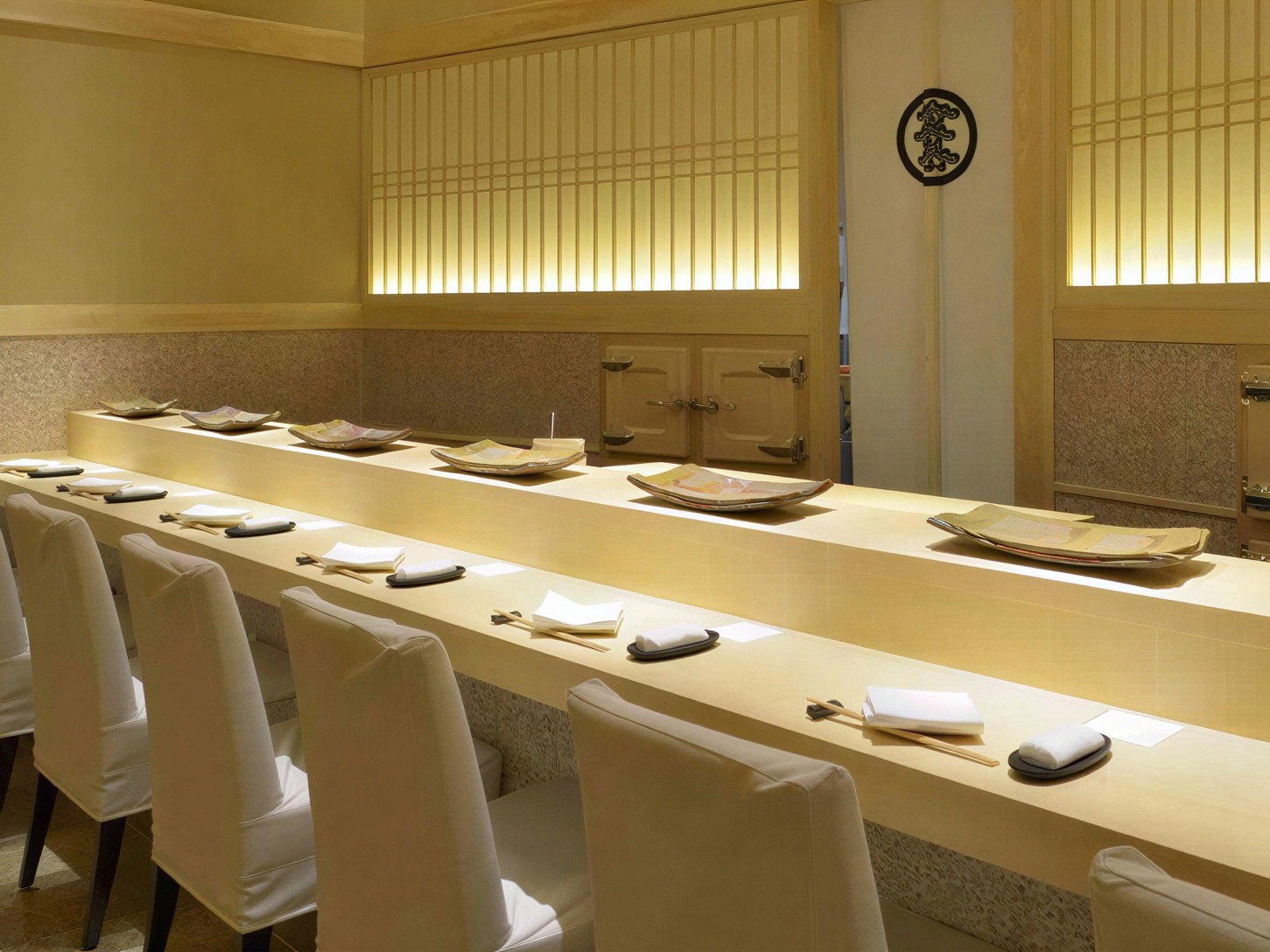
Clean and refined interior with understated elegance, featuring a Hinoki cypress counter where diners watch the chef's practiced movements preparing soba; warm, inviting atmosphere enhanced by the theatrical preparation of noodles.