
Ajuuta places Edomae sushi inside Shibuya’s Udagawacho backstreets rather than Tokyo’s more predictable luxury sushi corridors. Its Tabelog 100 Sushi Tokyo 2025 selection, compact counter format, private-room option, and fish-led Japanese cooking make it a serious reservation for diners who want Shibuya energy close by but a more controlled sushi-room rhythm once seated.
Pearl is the En Primeur Club membership app — saves, bookings, and concierge access live there. Same editors, same standards.
- Address
- Japan, 〒150-0042 Tokyo, Shibuya, Udagawacho, 37−15 ARISTO渋谷 B1F
- Phone
- +81 3-6804-7095
- Website
- sushi-ajuuta.com
 Saves & bookings on Pearl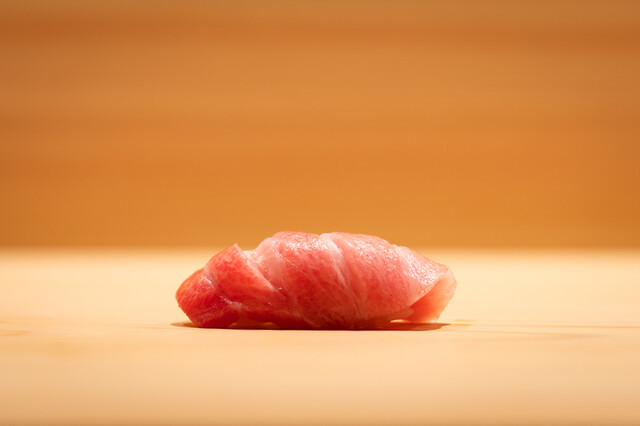
Shibuya’s loudest dining narratives usually happen above ground: station crossings, department-store basements, late-night izakaya blocks, and the steady churn of casual rooms built for speed. Ajuuta works against that rhythm. The setting is below street level in Udagawacho, close enough to the district’s nightlife to feel urban rather than ceremonial, yet structured around the discipline of a sushi counter. That tension is the point: Tokyo sushi does not belong only to Ginza, Akasaka, or hotel towers, and Shibuya’s sharper addresses increasingly prove it.
Edomae discipline in a Shibuya room built for focus
Tokyo’s serious sushi scene has split into several lanes. There are trophy counters built around international recognition, long-established neighbourhood specialists, and newer rooms that use small scale to create a controlled Edomae experience without the old luxury geography. Ajuuta sits in the third lane. Its Tabelog 100 Sushi Tokyo 2025 selection gives it a public marker inside a city where sushi reputation is unusually competitive, and its 3.76 Tabelog score places it in a bracket where Japanese diners are already paying attention.
The format matters more than decorative language here. The room is counter-led, with a main counter, a separate counter, and a private counter room, which puts the meal in the familiar Tokyo sushi grammar of pacing, sequence, and direct preparation. The restaurant’s own positioning emphasizes Edomae tradition and fish, while the drinks program lists sake, shochu, and wine rather than treating sushi as a sake-only exercise. That combination is useful in Shibuya, where international diners often want the rigor of a specialist sushi room but not the stiffness sometimes associated with more formal districts.
Compared with casual Tokyo peers in the supplied city set, the distinction is less about cuisine alone than commitment level. SUSHI KOURIN occupies a more accessible sushi register, while Pork Vindaloo Taberu Fukudaitoryo and Chillmatic Hamburger & Bistro point to Shibuya’s broader appetite for focused, lower-priced specialist cooking. Ajuuta belongs to a different decision category: a compact sushi room where the occasion, timing, and etiquette carry as much weight as the food category.
Why Udagawacho changes the meal
Udagawacho gives the experience a different charge from a Ginza counter. Shibuya is not a neutral backdrop; it is a district of compression, with music venues, fashion retail, offices, bars, and late trains pushing against each other. A sushi room here has to create separation quickly. The counter format does that by narrowing the field of attention. Once seated, the district outside becomes context rather than interruption.
That neighbourhood contrast is also why Ajuuta is more interesting than a simple prestige booking. Tokyo’s sushi culture has long rewarded lineage, scarcity, and technique, but geography now says almost as much about intent. A Shibuya sushi counter has to speak to local regulars, business diners, visitors staying west of the Yamanote Line, and guests who may be pairing dinner with bars or hotels nearby. For broader planning around the city, Our full Tokyo restaurants guide, Our full Tokyo hotels guide, Our full Tokyo bars guide, Our full Tokyo wineries guide, and Our full Tokyo experiences guide help place that west-side dining choice against the rest of the city.
The restaurant opened in 2021, which also matters. Recent Tokyo sushi rooms are entering a market where diners are more informed, reservation systems are more formal, and etiquette expectations are more explicit. The small counter model rewards punctuality, restraint, and a willingness to follow the room’s pace. This is not the city’s casual sushi vocabulary of quick nigiri and flexible ordering; it is the version where the guest accepts the structure in exchange for concentration.
How to place it in a wider Tokyo itinerary
Ajuuta suits a diner who wants Shibuya as a base but does not want Shibuya’s usual dining noise to define the night. The better comparison is not between sushi and non-sushi, but between open-ended dining and a controlled counter. In that sense, it pairs well with a trip built around contrast: high-discipline sushi one evening, then the city’s looser genre cooking on another.
Tokyo rewards that kind of sequencing. A trip might move from specialist sushi to Akihabara seafood cooking at. 鮪と炭火焼き うお炭 秋葉原店, Shinjuku dining at 12/10 Shinjuku ten, yakitori at 124. KAGURAZAKA (Yakitori), graphic café culture at 2D Cafe, or curry at 3 Chome no Curry Ya San. Those links are not substitutes for the same experience; they show how broad Tokyo’s dining bandwidth becomes when one serious counter is treated as an anchor rather than the whole itinerary.
For travellers extending the food route beyond Tokyo, the contrast sharpens further: beef sukiyaki in Kamakura at -Grilled beef Sukiyaki- KAMAKURA TANUKIAN 鎌倉 たぬき庵 in Kamakura, café culture at.cafe in Osaka, regional dining at.know in Kumamoto, Vietnamese cooking at (Shoku) Vietnam in Kawasaki, curry in Hokkaido at [Curry Senmon Ten] Maruyama Kyoju. in Sapporo, and Kyoto dining at [ki:] in Kyoto. For a transpacific sake thread, Jōdo Saké Bar in Los Angeles and Onigiri Time in Pasadena point to how Japanese formats travel and change outside Japan.
The editorial case is clear: Ajuuta is not just a sushi address in Shibuya, it is evidence that the district can hold serious counter dining without pretending to be another part of Tokyo. The award recognition, compact format, and fish-focused Edomae identity make it a strong choice for diners who understand that the room’s restraint is part of the value.
Accolades, Compared
Comparable venues at the same tier.
| Venue | Cuisine | Price | Notes |
|---|---|---|---|
| AjuutaThis venue — the venue you are viewing | Edomae Sushi Omakase in Shibuya | $$$$ | Not listed |
| Ginza 1954 | Japanese Bar | $$$$ | Ginza |
| Yakiniku Ushigoro Omotesando ten | Wagyu Yakiniku | $$$$ | Shibuya |
| Jukuseisushi Yorozu | Aged Sushi Omakase | $$$$ | Shibuya |
| 恵比寿えんどう | Edomae Omakase Sushi | $$$$ | Shibuya |
| Otani No Sushi | Traditional Japanese Omakase | $$$$ | Minato |
Recognition history
Dated appearances from independent guides and award organizations, with the underlying list record or original source where available.
Tabelog 100 #29 · No. 29
Tabelog · Tabelog 100 - Sushi - TOKYO - 2025














At a Glance
- Elegant
- Intimate
- Sophisticated
- Modern
- Date Night
- Special Occasion
- Business Dinner
- Celebration
- Solo
- Chefs Counter
- Private Dining
- Standalone
- Design Destination
- Sake Program
- Corkage Allowed
- Sustainable Seafood
Current opening hours
- Monday
- 6–10:30 PM
- Tuesday
- 6–10:30 PM
- Wednesday
- 6–10:30 PM
- Thursday
- 6–10:30 PM
- Friday
- 6–10:30 PM
- Saturday
- 6–10:30 PM
- Sunday
- Closed
Hours can change for holidays and private events. Last verified .
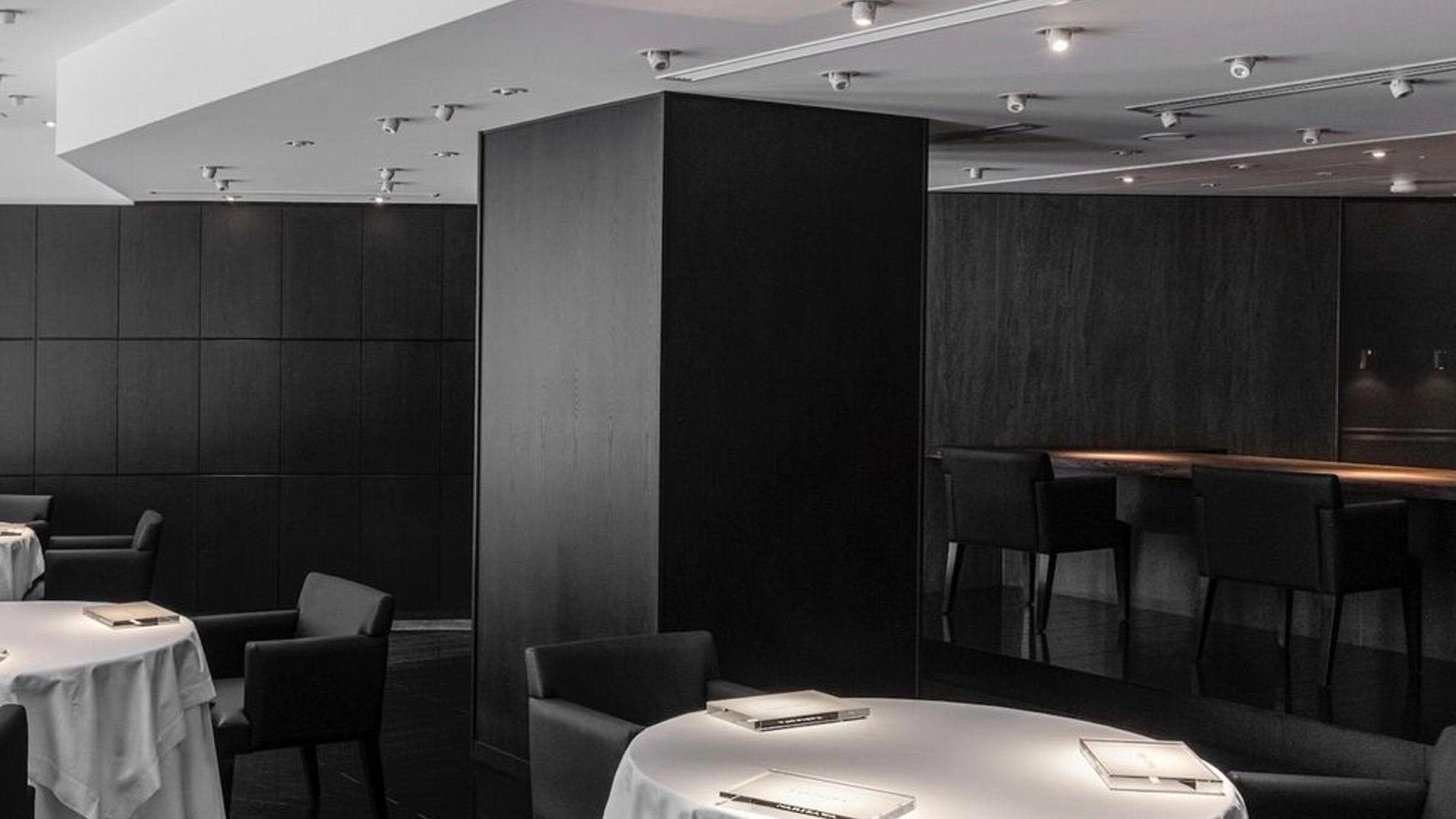
A small subterranean sushi counter with a calm, minimalist interior where the focus is on the chef’s craftsmanship; lighting is soft and warm, the atmosphere quiet and refined, suited to lingering over a structured omakase with carefully matched drinks.