Tabelog 100 #52
Our verdict
Takagaki's Sushi occupies a specific address in Nihonbashikakigaracho, Chuo City, placing it within one of Tokyo's more considered dining neighborhoods rather than the high-visibility Ginza corridor. The restaurant operates within a segment of Tokyo sushi where counter format and meal progression matter as much as raw ingredient sourcing. Travelers comparing options across the city's serious sushi tier will find it worth examining alongside counters with fuller public profiles.

Pearl is the En Primeur Club membership app, where members save venues, book tables and use the concierge.
Nihonbashikakigaracho and the Geography of Serious Tokyo Sushi
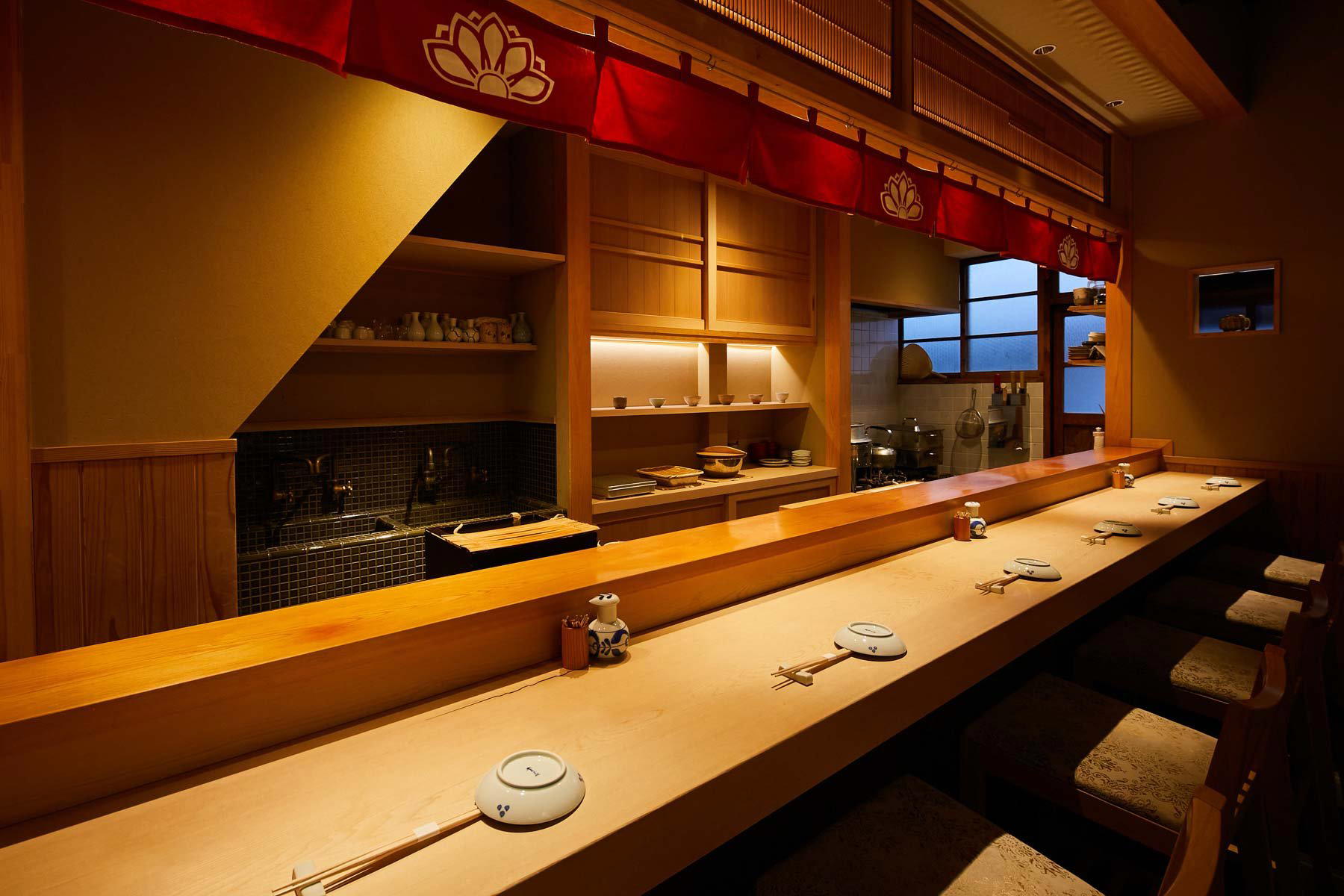
Tokyo's premium sushi scene does not distribute itself evenly. Ginza draws the bulk of international attention, hosting a dense cluster of Michelin-starred omakase counters that price against one another and compete for the same reservation slots. But a quieter tier operates in the surrounding Chuo City wards, including Nihonbashikakigaracho, where a different kind of sushi address has historically taken root: lower in visibility, consistent in sourcing, and largely word-of-mouth in reputation. Takagaki's Sushi sits at 1 Chome-30-2 Nihonbashikakigaracho within this geography. The address alone places it outside the international dining circuit that funnels tourists toward Ginza's most-photographed counters, and that positioning is itself a signal worth reading carefully before booking.
Nihonbashi as a broader district carries considerable culinary weight in Tokyo's longer history. As a financial and merchant center, it built a service culture oriented toward discretion and quality rather than display. That tradition informs the dining rooms that persist here, where the expectation is rarely theatrical and almost always sequential: you sit, you eat what is prepared, you leave knowing more about the fish than you did when you arrived. For context on how this neighborhood fits within Tokyo's wider dining map, see our full Tokyo restaurants guide.
Reading a Meal Through Its Progression
The omakase format that defines serious Tokyo sushi is, at its core, an argument about sequence. A counter that gets the progression right treats each piece not as an isolated event but as a movement in a larger arc: lighter, more delicate fish toward the opening, building toward fattier, more assertive cuts, with shellfish, egg, and rolled preparations marking transitions. This sequencing logic is what separates a meal at a considered counter from a la carte ordering, and it is also what makes comparing sushi counters genuinely difficult from the outside.
At counters operating in Takagaki's tier, the progression typically begins with something that reads almost as a palate calibration: a white fish of low intensity, cut thin, served at near-room temperature to let the fat speak without cold suppressing it. The middle section of a well-constructed omakase is where sourcing convictions show most clearly. Decisions about bluefin tuna aging, about how long a piece of shellfish has been alive before it reaches the hand, about whether the shari (seasoned rice) runs warm or cool, are all most visible when the meal reaches its midpoint and the counter's identity becomes legible. The closing pieces, often tamago and maki, function as a kind of resolution, a return to a simpler register after the intensity of what preceded them.
What the address in Chuo City suggests is that the restaurant operates within the same tradition that governs serious Tokyo omakase broadly: the chef composes, the guest receives, and the logic of the progression is the primary point of engagement. Counters like Harutaka in the Ginza tier demonstrate how much variation can exist within that single format, from fish selection to rice temperature to the pace of service between pieces.
Situating Takagaki's Against Tokyo's Broader Fine-Dining Field
Tokyo's fine-dining field at the premium end runs well beyond sushi. The city supports a range of formats at comparable price points, from kaiseki progressions at counters like RyuGin to French-influenced tasting menus at L'Effervescence, Sézanne, and Crony. The decision to book a sushi counter rather than any of these alternatives is partly about cuisine preference and partly about format: omakase sushi is among the most counter-intimate dining experiences available in Japan, with the chef working at arm's length and each piece handed directly across rather than plated in a back kitchen.
That intimacy carries its own demands. The pacing at a serious sushi counter is typically faster than a kaiseki or Western tasting menu, with twenty or more courses compressed into ninety minutes to two hours. There is less text, less explanatory narration per course, and less theatrical presentation. The emphasis falls on the quality and sequence of the fish itself. For travelers who have eaten at comparable counters in other cities, including at Atomix in New York or Le Bernardin, which approaches fish from a French technique frame, the shift to pure omakase sushi requires recalibrating expectations about what the meal is trying to do.
Japan's serious sushi scene also extends well beyond Tokyo. Travelers building a broader itinerary should consider how Nihonbashi-tier counters fit within a larger dining arc that might include HAJIME in Osaka, Gion Sasaki in Kyoto, akordu in Nara, or Goh in Fukuoka. Regional Japanese fine dining has its own internal hierarchies and sensibilities, and a meal in Tokyo's Chuo City reads differently once set against what Kyoto's kaiseki tradition or Fukuoka's proximity to Kyushu seafood produces.
For those exploring the full range of Japan's fine-dining geography, options like 一本杉 川嶋 in Nanao, 夕佳亭山乃 in Sapporo, 湖畔荘 in Takashima, 庄羽屋 in Nishikawa Machi, Birdland in Sakai, and Bistro Ange in Toyohashi illustrate how far the serious dining tradition distributes itself outside the major cities.
Practical Planning
Takagaki's Sushi is located at 1 Chome-30-2 Nihonbashikakigaracho, Chuo City, Tokyo 103-0014. The address is accessible from multiple Chuo City subway and metro connections, placing it within reasonable distance of central Tokyo. Guests accustomed to counters with high international profiles should expect a more research-dependent booking process here.
Address: 1 Chome-30-2 Nihonbashikakigaracho, Chuo City, Tokyo 103-0014.
Frequently asked questions
What's Takagaki's Sushi's location?
Takagaki's Sushi is located at 1 Chome-30-2 Nihonbashikakigaracho, Chuo City, Tokyo 103-0014, Japan, Tokyo.
How does Takagaki's Sushi location in Nihonbashikakigaracho compare to Ginza sushi counters?
Nihonbashikakigaracho sits in Chuo City, the same ward as Ginza but northeast of it, closer to the traditional merchant and financial districts that shaped old Tokyo's dining culture. Counters in this pocket tend to draw a local professional clientele rather than the international reservation queue that floods Ginza addresses. For visitors, that geography means a materially different room dynamic, even when the craft on the plate is comparable.
What's the must-try dish at Takagaki's Sushi?
Takagaki's operates within the omakase format, meaning the chef determines the sequence and selection rather than the guest. At a Nihonbashikakigaracho counter like this, the progression itself is the point, each course is structured to build on the last.
Do I need a reservation for Takagaki's Sushi?
Serious omakase counters in Tokyo's Chuo City almost universally require advance booking, and Takagaki's Sushi at 1 Chome-30-2 Nihonbashikakigaracho is no exception to that pattern. Walk-ins at this category of counter are generally not viable.
Just the Basics
Comparable venues nearby, for context on price, style, and recognition.
| Venue | Cuisine | Price | Awards | Notes |
|---|---|---|---|---|
| Takagaki's SushiThis venue (the venue you are viewing) | Traditional Edomae Omakase | $200–300 | Tabelog 100 #52 | Not listed |
| Bohemian Nishiazabu | Secret seasonal Japanese robata omakase | $100–150 | Not listed | Nishiazabu, Secret seasonal Japanese robata omakase |
| Hicho Kurata | High-End Yakitori Omakase | $200–300 | Tabelog 100 #92 | Chiyoda, High-End Yakitori Omakase |
| Yama no Ue | Traditional Japanese Tempura | $200–300 | Tabelog 100 #4 | Chūō, Edo-Style Tempura |
| Namba | Modern Japanese Omakase | $300–500 | La Liste Top Restaurants · Tabelog Silver #86 | Chiyoda, Modern Edomae Omakase |
| 新ばし 星野 | Traditional Japanese Kaiseki | $300–500 | Not listed | Minato, Traditional Japanese Kaiseki |
Recognition history
Dated appearances from independent guides and award organizations, with the underlying list record or original source where available.
Tabelog 100 #52 · No. 52
Tabelog · Tabelog 100 - Sushi - TOKYO - 2025