Our verdict
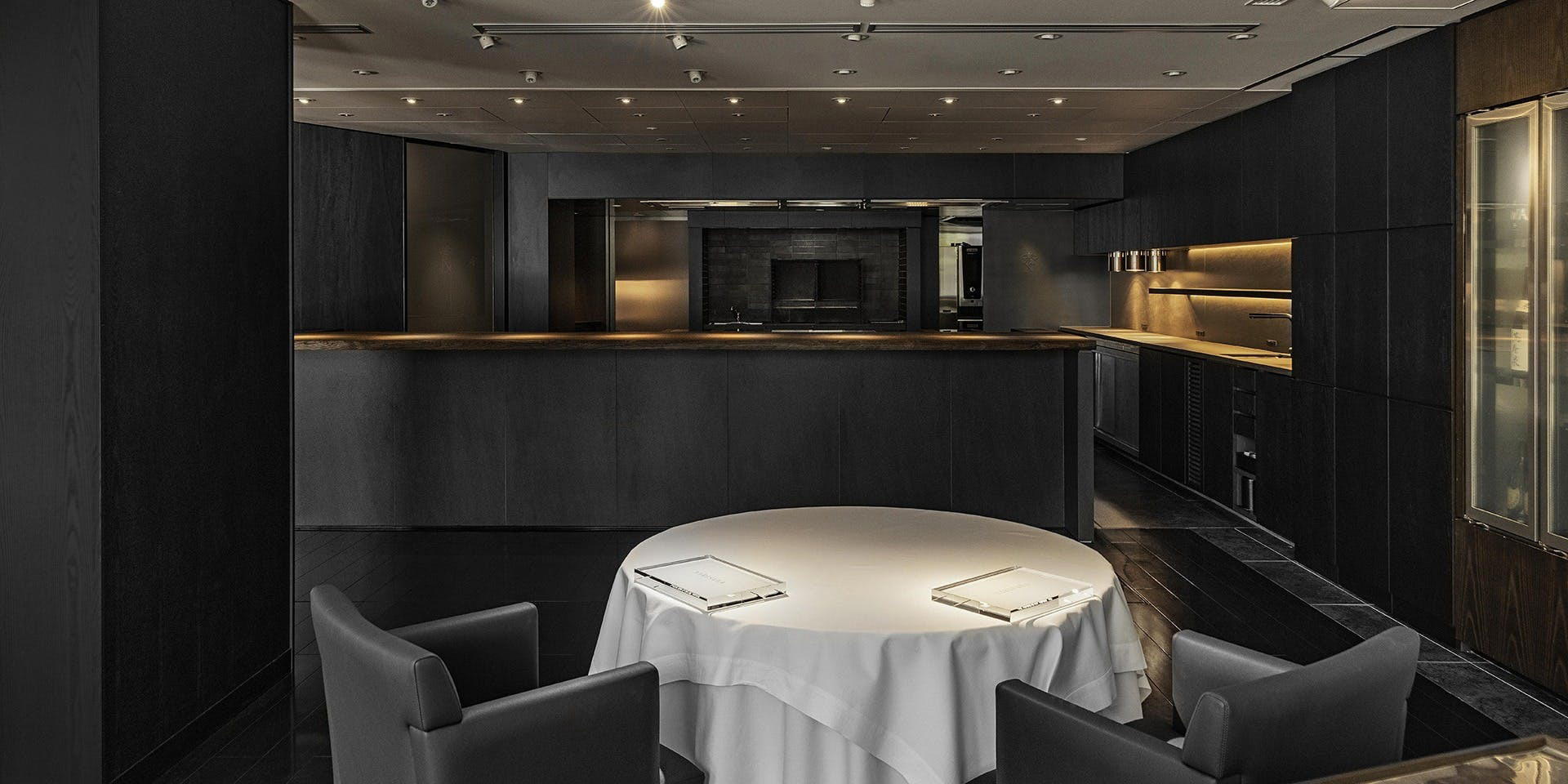
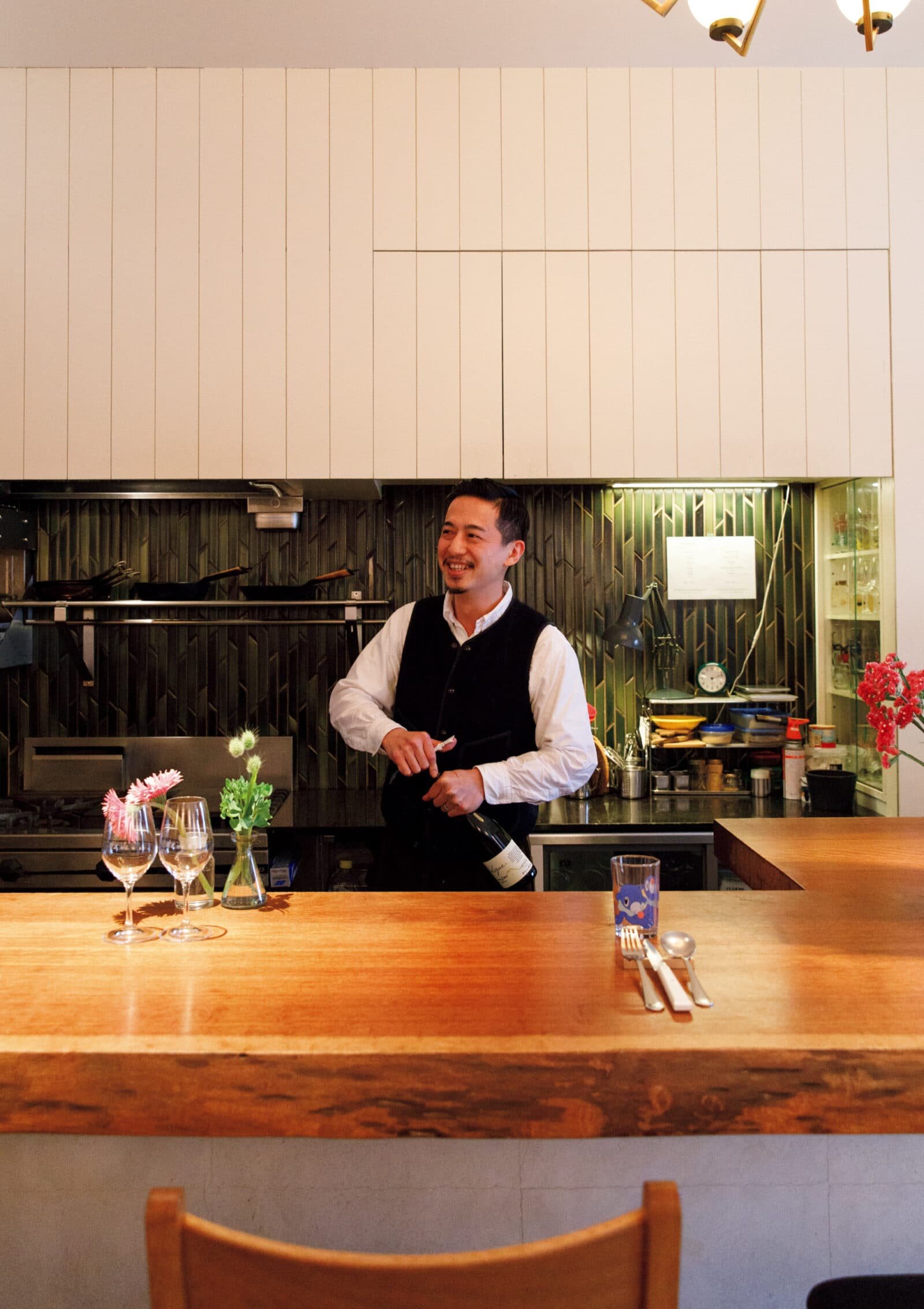
松㐂 serves Provençal French Bistro cooking in a quiet, leisurely dinner setting, with a sake program and signatures including onion tart, vegetable soup, and stewed beef.

Pearl is the En Primeur Club membership app — saves, bookings, and concierge access live there. Same editors, same standards.
- Address
- 2 Chome-23-3 Nakano, Nakano City, Tokyo 164-0001, Japan
- Phone
- +817032743730
- Hours
- Daily 3–9 PM
- Website
- omakaseje.com
- Directions
- Get directions
- Booking
- Book on the venue's website
Nakano and the Question of What a Tokyo Restaurant Becomes
Most of Tokyo's dining conversation runs along a predictable axis: Ginza, Minami-Aoyama, Shinjuku, and the cluster of Michelin-dense corridors that international visitors trace on repeat. Nakano sits west of that circuit, a residential ward where commuters outnumber food tourists by a ratio that keeps rents lower and formats freer. It is in this context that 松㐂 occupies its address at 2 Chome-23-3 Nakano — not as an outlier, but as a representative of how neighbourhood dining in Tokyo has quietly accumulated seriousness over the past decade, away from the pressure of high-traffic blocks.
The broader shift is worth naming clearly. Through the 2010s, a meaningful number of ambitious Japanese restaurants chose to open in non-central wards, a pattern driven partly by economics and partly by a deliberate distance from the tourist-first assumptions of Ginza or Roppongi. That geographic decentralisation changed the kind of regulars a restaurant could build: local, returning, less susceptible to the one-visit logic that governs reservation-driven destination dining. 松㐂, in Nakano, inherits that dynamic.
What Sparse Data Actually Tells You
For a category of restaurant in Tokyo — intimate, Japanese-character-named, operating in a residential ward, that combination of signals is not incidental. It describes a specific tier of operation: a place that does not require or pursue the infrastructure of discoverability. In Tokyo's dining economy, that posture is associated with a particular kind of confidence. The restaurant expects its customers to find it, or to be told about it.
Across Tokyo, the venues that operate without English-language booking infrastructure and without aggregator presence tend to cluster in two groups: very small neighbourhood establishments with no interest in outside custom, and tightly controlled counters or rooms that manage their own guest lists through personal introduction or repeat booking.
For comparison: Harutaka operates at ¥¥¥¥ with Michelin recognition and a similarly controlled booking posture in a very different ward. RyuGin and L'Effervescence represent the Michelin-recognised tier of Tokyo restaurants where price and award signals do the work of positioning. 松㐂 carries none of those published markers, which places it outside that particular competitive set, not below it, but elsewhere.
The Evolution of What Gets Called a Restaurant in This Part of Tokyo
Nakano's food scene has changed in a pattern that mirrors wider shifts in Tokyo's outer wards. Through the 1990s and early 2000s, these neighbourhoods were dominated by izakaya chains, ramen shops, and family-run establishments serving the commuter population. Over the following fifteen years, the picture became more complex: chef-owner formats multiplied, small counters appeared in shopfront spaces that had previously housed dry-goods stores, and a generation of cooks who had trained in central Tokyo or abroad began choosing non-central wards for reasons of both cost and audience.
The name 松㐂, the second character being an archaic variant of 㐂, itself a compressed form of 喜 meaning joy or happiness, combined with 松 (pine, carrying associations of longevity and stability in Japanese cultural tradition), suggests naming decisions made with attention to classical register. That kind of naming is more common in older establishments or in newer ones that are consciously positioning within a Japanese aesthetic tradition, as opposed to the romanised or concept-led naming that characterises many contemporary openings aimed at international audiences. It is one data point among few, but it points toward intention.
Elsewhere in Japan, restaurants operating with this kind of deliberate restraint in their outward presence include Gion Sasaki in Kyoto, which operates at the intersection of kaiseki tradition and chef-led evolution, and HAJIME in Osaka, where a different kind of formal ambition is expressed through a different set of outward signals. Across these examples, what connects them is not format but attitude: the sense that the work is addressed to people already invested enough to seek it.
How Nakano Fits the Wider Tokyo Picture
For readers using our full Tokyo restaurants guide, Nakano warrants a specific note. It is accessible by direct train from Shinjuku in under ten minutes on the Chuo Line, which means it is not genuinely remote, but it is consistently underweighted in itineraries built around central-ward dining. The ward's restaurant concentration is lower than Shinjuku or Shibuya, which means individual venues absorb more of their local regulars and operate with less of the transient traffic that shapes menus and pacing in high-tourist corridors.
That operational environment tends to produce a certain type of dining: more personal in tempo, less calibrated to the first-time visitor, and more likely to have evolved over years of iteration with a fixed audience rather than constant new arrivals. Whether 松㐂 exhibits those characteristics specifically cannot be confirmed without on-record data, but the address and operating posture make it a plausible example of the type.
Other venues across Japan that operate in this lower-profile, locally-anchored mode include Goh in Fukuoka, akordu in Nara, and further afield, 一本杉川嶋 in Nanao and 庄羽屋 in Nishikawa Machi, each operating in non-destination locations with specific local rootedness. The pattern across these venues suggests that geographic remove from major food-tourism infrastructure is not a constraint on seriousness but sometimes its condition.
For international reference, the equivalent posture in other cities tends to produce venues that are structurally similar: Atomix in New York City operates at a formal remove from casual discoverability, while Le Bernardin represents the opposite end, fully legible to an international audience through sustained public record. 松㐂 sits far closer to the former model in terms of outward presentation, without the confirmed award infrastructure that gives Atomix its anchor.
Additional context from Japan's regional dining circuit: 古代山乃 in Sapporo, 湖縁庵 in Takashima, Birdland in Sakai, and Bistro Ange in Toyohashi each illustrate how Japan's secondary and tertiary cities have developed serious dining outside the major-city frame. Crony and Sézanne represent the opposite pole within Tokyo, internationally legible French-inflected restaurants with confirmed recognition and full English-language booking infrastructure.
Planning a Visit
For a venue of this profile in Nakano, the most reliable approach is to visit in person during likely service hours, or to seek a Japanese-speaking introduction. The Nakano ward address (2 Chome-23-3 Nakano, Nakano City, Tokyo 164-0001) is reachable from Nakano Station on the Chuo and Tozai Lines. Budget and cuisine type are unconfirmed; approach without price or format assumptions.
Quick reference: 松㐂, 2 Chome-23-3 Nakano, Nakano City, Tokyo 164-0001. Nakano Station (Chuo/Tozai Lines), approximately 10 minutes from Shinjuku.
Frequently asked questions
Is 松㐂 okay with children?
Given its Nakano City address and the general character of similarly discreet, low-profile Tokyo neighbourhood venues, the format is unlikely to be child-centred. Visiting with children would require direct confirmation on arrival, as no booking channel is publicly listed.
Is 松㐂 better for a quiet night or a lively one?
The absence of a published website, phone number, or aggregated review presence for 松㐂 at 2 Chome-23-3 Nakano points toward the quieter end of the spectrum. Venues in Nakano City that maintain this level of public anonymity tend to be small-format and neighbourhood-focused rather than scene-driven. Expect something closer to a still room than a busy counter.
How do I find and visit 松㐂 in Nakano if there is no website or phone number listed?
松㐂 is located at 2 Chome-23-3 Nakano, Nakano City, Tokyo 164-0001, and no phone number or website appears in the public record. For Tokyo venues with this profile, the standard approach is to visit in person during likely service hours or ask locally in the immediate neighbourhood. Nakano is accessible by direct train from Shinjuku, making a preliminary visit to check opening status straightforward.
What should I order at 松㐂?
No menu details, cuisine type, or dish descriptions appear in the available record for 松㐂. The venue's Nakano City address and the lack of any aggregated listing means confirmed food information is not accessible without a visit. Arriving open to whatever is offered that day is the most realistic approach for this type of Tokyo neighbourhood address.
Fast Comparison
Comparable venues nearby, for context on price, style, and recognition.
| Venue | Cuisine | Price | Awards | Notes |
|---|---|---|---|---|
| 松㐂This venue — the venue you are viewing | Provençal French Bistro | $50–100 | Not listed | Not listed |
| ルミエルネ | French Bistro & Natural Wine Bar | $50–100 | Not listed | Setagaya |
| ビストロシンバ | Modern French Bistro | $100–150 | Michelin Plate · Tabelog 100 #79 | Chūō |
| Anis | Modern French Bistro | Not listed | Not listed | Hatsudai |
| ドゥ・フイユ | Modern French Bistro with Exceptional Bread | $50–100 | Not listed | Shinjuku |
| L`Orangerie Koh-An | French Bistronomy | $100–150 | Relais Chateaux Award | Chiyoda |