ドゥ・フイユ occupies a basement address in Shinjuku's Yokoteramachi district, placing it within Tokyo's broader conversation about French-inflected dining that resists easy categorisation. The venue sits in a city where the competition between kaiseki precision and European technique has produced some of Japan's most searching restaurants. Sparse on public data, it rewards the curious reader willing to look past the obvious Michelin circuit.
Pearl is the En Primeur Club membership app — saves, bookings, and concierge access live there. Same editors, same standards.
- Address
- Japan, 〒162-0831 Tokyo, Shinjuku City, Yokoteramachi, 1−1 B1
- Phone
- +81366821846
- Website
- restaurant.ikyu.com
- Directions
- Get directions
 Saves & bookings on Pearl
Shinjuku's Quieter Register: Where French Influence Meets a Different Kind of Tokyo Dining
Tokyo's fine-dining conversation tends to orbit a handful of well-documented corridors: the Ginza omakase circuit, the Aoyama French houses, the Roppongi kaiseki flagships. Shinjuku, by contrast, operates on a different register. Its food culture is broader and less curated for international visitors, which is precisely why the rare precision restaurant there carries a different weight. ドゥ・フイユ, at basement level in Yokoteramachi, sits in that less-charted segment of the city's dining geography.
The French word for "leaf" appearing in a Japanese restaurant name in Shinjuku is not incidental. It signals a positioning that has become increasingly common in Tokyo's mid-to-upper tier: restaurants that draw on French culinary grammar while building their reputation through consistency and word-of-mouth rather than award cycles. In this respect, the venue belongs to a recognisable cohort, even if
The Arc of the Format: How This Category Has Shifted
The editorial angle that matters most for ドゥ・フイユ is the category it appears to occupy, because that format has changed considerably over the past decade. A basement French-influenced restaurant in a non-Ginza Tokyo ward would have been read differently in 2010 than it is today. Then, the assumption was that serious European cooking required a prestigious address and a celebrity chef with documented foreign training. That assumption has largely dissolved.
Tokyo's dining scene has, over the same period, produced a generation of restaurants where the format itself carries the argument: smaller rooms, chef-driven counters or intimate table settings, menus that change with supply rather than season-by-season theatre. Crony, which sits at ¥¥¥¥ and operates within an innovative French framework, represents one endpoint of this evolution. L'Effervescence, also at ¥¥¥¥, represents another: a more formally recognised house that has become a reference point for French cooking in Japan. ドゥ・フイユ, with its Shinjuku address and basement position, appears to occupy the space between institutional recognition and the kind of quiet authority that does not require external awards.
That space has grown more credible, not less, as Tokyo diners have become more sophisticated about reading restaurants outside the award shortlists. The same pattern is visible in other Japanese cities: Gion Sasaki in Kyoto and akordu in Nara both operate with a depth of culinary intent that their geographic positioning might initially obscure.
Reading the Address: Yokoteramachi and What It Implies
Yokoteramachi is one of Shinjuku City's less-trafficked sub-districts. It does not appear in most Tokyo food guides, which is both a practical observation and an editorial one. Restaurants that choose addresses here are generally not optimising for walk-in traffic or tourist discovery. The decision to locate in a basement in this district suggests a venue oriented toward repeat local clientele, private dining sensibility, or both.
This pattern is common across Japanese cities. Goh in Fukuoka and HAJIME in Osaka both demonstrate that serious culinary intent does not require a central or high-visibility address. In Tokyo specifically, some of the city's most discussed counters occupy sub-street or side-street positions. Harutaka, operating in the sushi segment at ¥¥¥¥, is one example of a venue where address legibility is secondary to the reputation it carries within its specific audience.
For the visiting reader, the practical implication is that ドゥ・フイユ requires advance research rather than spontaneous discovery.
The French-in-Tokyo Question
French cooking in Tokyo exists across a wider price and format range than in most European capitals. At the leading, Sézanne has established itself as one of the city's most discussed French tables, operating at ¥¥¥¥ with a level of institutional recognition that takes years to build. At the other end, bistro-format venues proliferate across the city's residential wards. The interesting territory sits between those poles: restaurants with genuine culinary ambition but without the marketing infrastructure or award biography that would make them easy to locate and evaluate.
ドゥ・フイユ, belongs somewhere in that middle ground. The name itself, the basement address, and the Shinjuku location all suggest a deliberate distance from the more visible French-Tokyo circuit. Whether that positioning reflects a specific culinary philosophy or simply a different set of operational priorities is unclear from the record. What the category signals, however, is a dining experience oriented more toward the informed local than the international visitor seeking a reference-point table.
Internationally, this kind of positioning has parallels. Le Bernardin in New York and Atomix, also in New York, both demonstrate how French-inflected or European-trained cooking can operate at different levels of visibility while maintaining genuine culinary depth.
Where This Fits in the Wider Japan Circuit
Readers building a Japan itinerary around serious dining will already have the major anchors plotted. Beyond Tokyo's better-documented tables, the regional circuit has its own points of gravity: 一本杉川島料亭 in Nanao, 古代山乃 in Sapporo, 湖鱗庵墨 in Takashima, 庄羽屋 in Nishikawa Machi, Birdland in Sakai, and Bistro Ange in Toyohashi each represent a different strand of Japan's restaurant culture outside the main urban circuits. ドゥ・フイユ sits within Tokyo's own version of that off-circuit geography. See our full Tokyo restaurants guide for broader context on how the city's dining tiers map across its wards.
Also relevant for comparison: RyuGin, at ¥¥¥¥ and positioned within the kaiseki tradition, demonstrates how Japanese fine dining at the summit tier balances technique with seasonal discipline. Restaurants operating in adjacent categories in the same city are always, in some sense, in conversation with one another, even when they occupy different culinary languages.
Planning Your Visit
Peer Comparison: Tokyo French-Influenced Dining at a Glance
| Venue | Price Tier | Cuisine Type | Address Area |
|---|---|---|---|
| ドゥ・フイユ | Not published | Not confirmed | Shinjuku, Yokoteramachi (B1) |
| L'Effervescence | ¥¥¥¥ | French | Nishiazabu, Minato |
| Sézanne | ¥¥¥¥ | French | Marunouchi, Chiyoda |
| Crony | ¥¥¥¥ | Innovative, French | Ebisu, Shibuya |
Prospective visitors should treat the above comparison as a reference point rather than a direct equivalence.
Budget and Context
Comparable venues nearby, for context on price, style, and recognition.
| Venue | Cuisine | Price | Notes |
|---|---|---|---|
| ドゥ・フイユThis venue — the venue you are viewing | Not listed | $$$ | Not listed |
| The French Kitchen (フレンチ キッチン) | Roppongi, Classic French Bistro | $$$ | Not listed |
| ライラ | Not listed | $$$ | Minato, Modern French with Japanese influences |
| レストラン タニ | Not listed | $$$ | Minato, Classical French Bistro with Seasonal Japanese Ingredients |
| オー・プロヴァンソー | Chiyoda, Classical French Bistro | $$$ | Not listed |
| ビストロ トラディシオン | Chūō, Classical French Bistro | $$$ | Not listed |






At a Glance
- Modern
- Elegant
- Intimate
- Date Night
- Special Occasion
- Sake Program
Current opening hours
- Monday
- Closed
- Tuesday
- 11:30 AM–2:30 PM, 5:30–11 PM
- Wednesday
- 11:30 AM–2:30 PM, 5:30–11 PM
- Thursday
- Closed
- Friday
- 11:30 AM–2:30 PM, 5:30–11 PM
- Saturday
- 11:30 AM–2:30 PM, 5:30–11 PM
- Sunday
- 11:30 AM–2:30 PM, 5:30–11 PM
Hours can change for holidays and private events. Last verified .
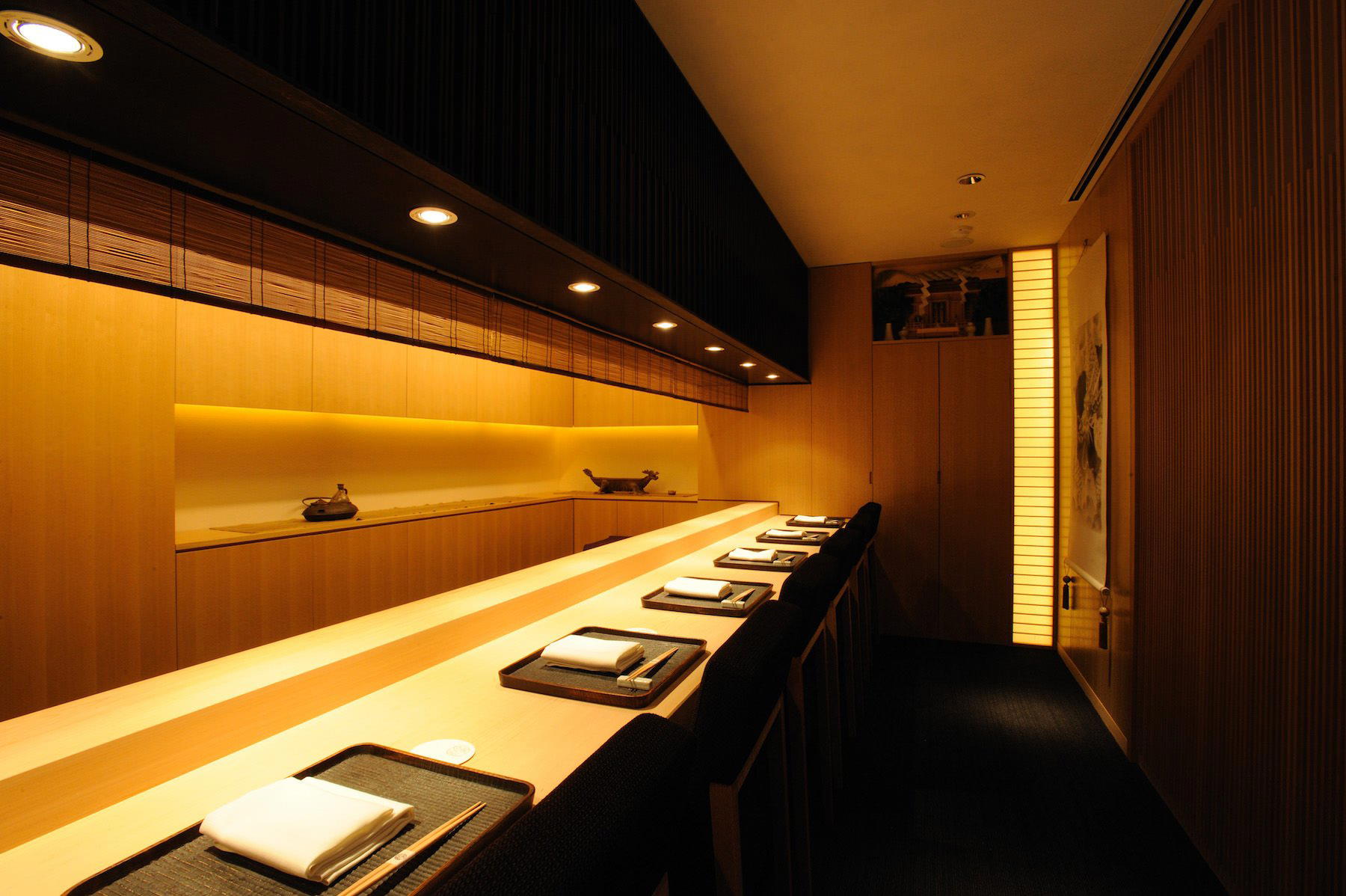
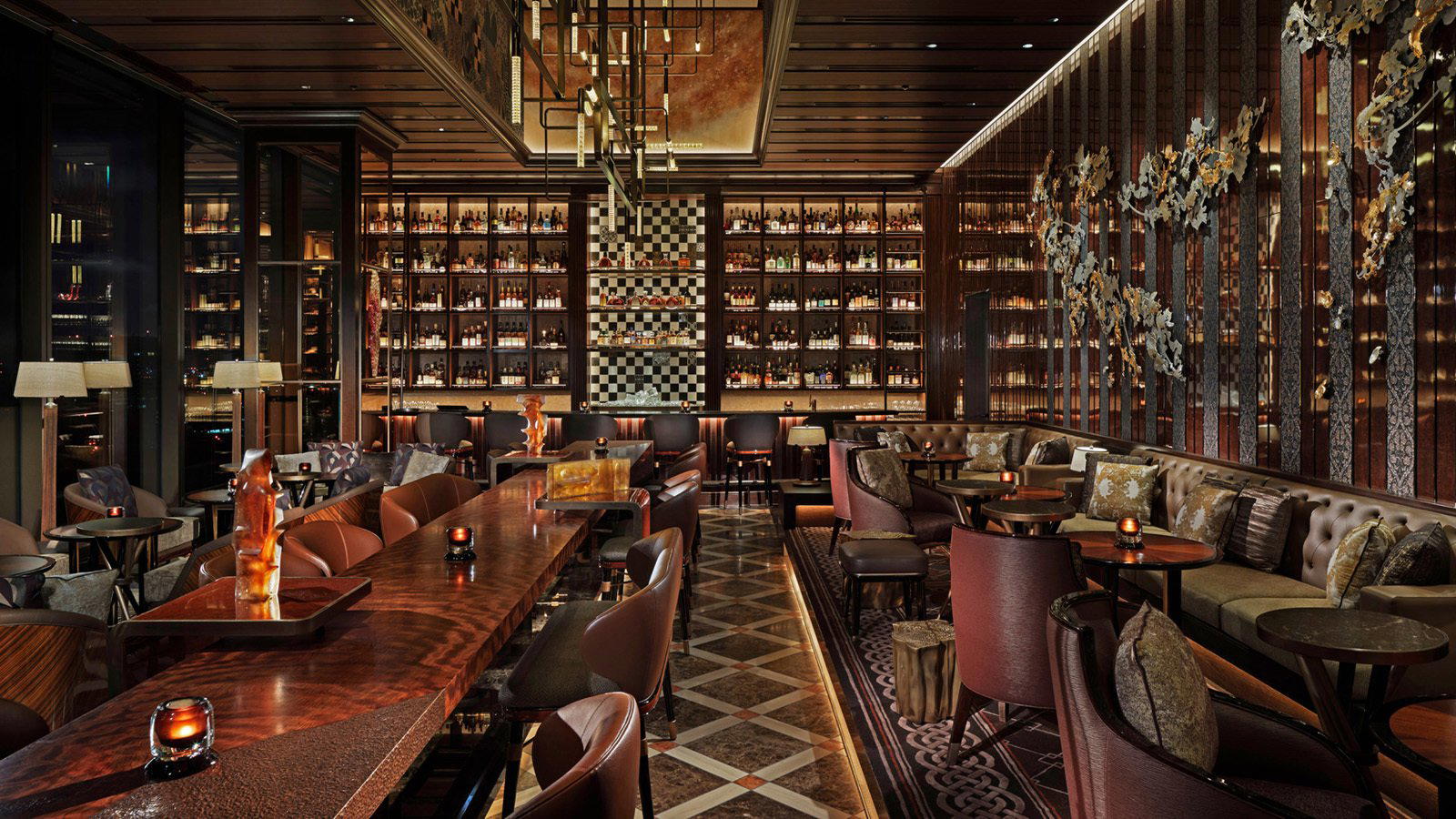
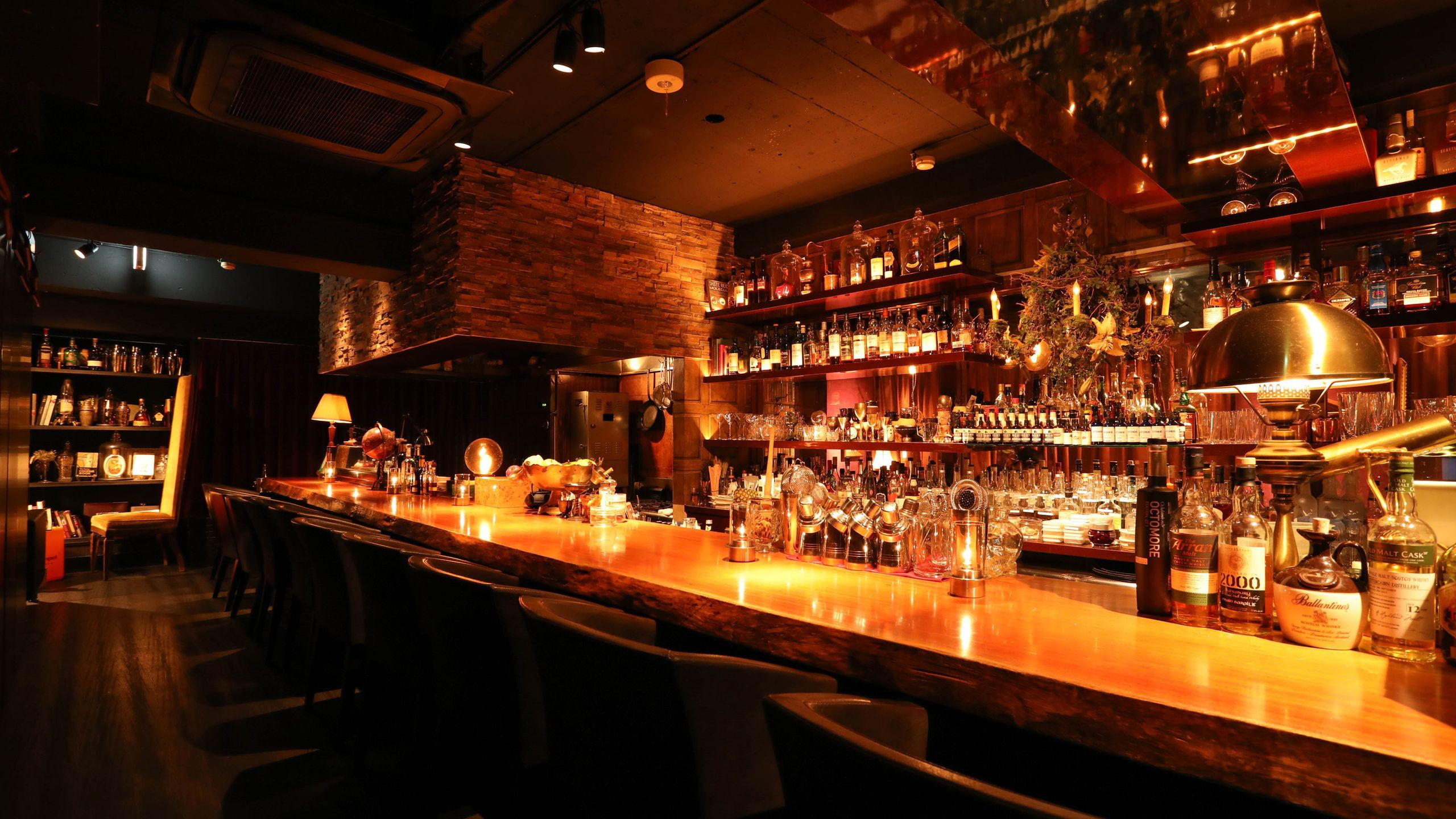
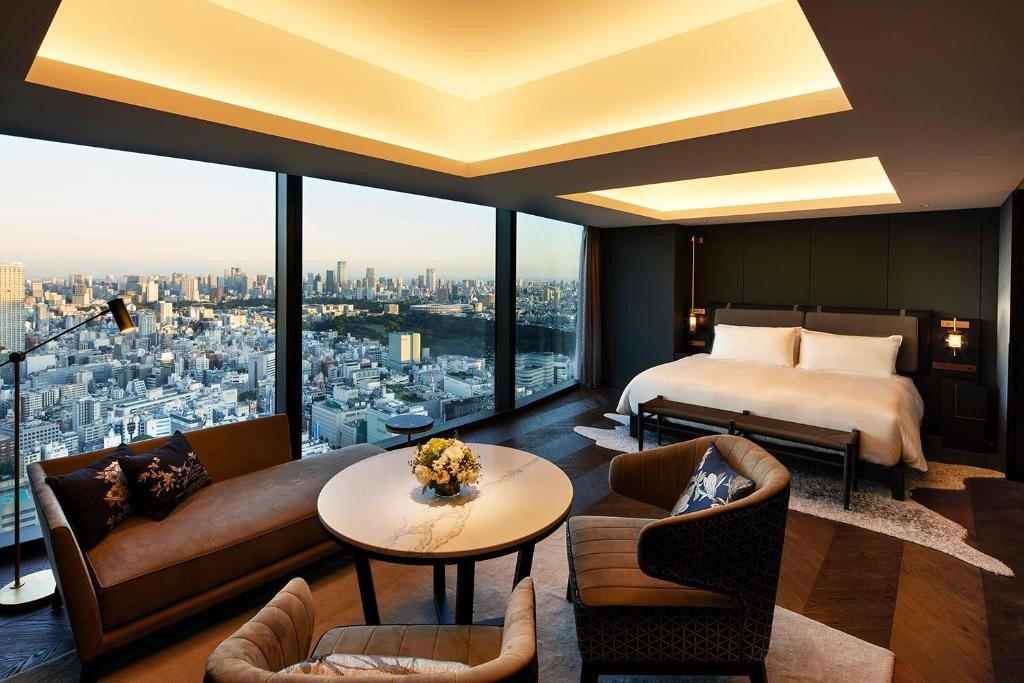
Modern space with exposed concrete walls and dark brown tones creating a calm, mature atmosphere.