Our verdict
ルミエルネ occupies a ground-floor space in Kitazawa, Setagaya — a neighbourhood better known for vintage shops and live music than high-end dining. With virtually no public footprint, it operates outside Tokyo's usual reservation circuits, making it one of the more quietly positioned restaurants in the city's southwest. The gap between what the address suggests and what the room likely delivers is, in itself, an editorial point worth investigating.

Pearl is the En Primeur Club membership app — saves, bookings, and concierge access live there. Same editors, same standards.
- Address
- Japan, 〒155-0031 Tokyo, Setagaya City, Kitazawa, 3 Chome−18−5 伊東ビル 1F
- Phone
- +81334650573
- Hours
- Mon ClosedTue–Fri 6–11 PMSat 5–11 PMSun 3–11 PM
- Website
- yoyaku.toreta.in
- Directions
- Get directions
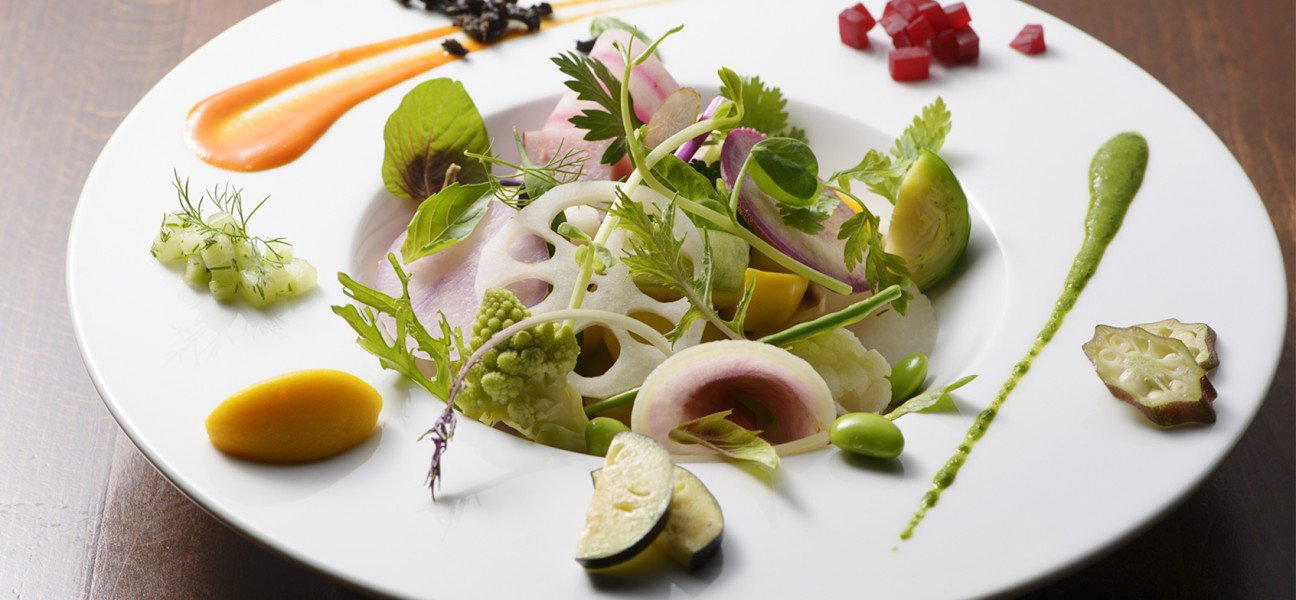
The menu
What to order
- Charcuterie board
- Rack of lamb
- Wagyu cube roll steak frites
Kitazawa and the Southwest Dining Corridor
Tokyo's dining conversation tends to collapse toward a handful of postcodes: Minami-Aoyama, Ginza, Azabu-Juban, Nishi-Azabu. The city's southwest, where Setagaya's Kitazawa district sits, rarely features in those discussions. That omission says less about quality than about the way restaurant discovery still operates in a city this large — by neighbourhood reputation first, individual merit second. Shimokitazawa (the area's more familiar romanised name) has built its identity around independent record shops, small theatres, and a density of basement live venues that makes it feel closer to Brooklyn's Williamsburg than to the polished corridors of central Tokyo. Restaurants here tend to be low-key by design, serving a local crowd rather than performing for international visitors or the Michelin circuit.
For comparison, the city's most decorated counters, Harutaka in Ginza and RyuGin in Roppongi, maintain transparent booking infrastructure and international press records. ルミエルネ operates in a different register entirely, one where local word-of-mouth and neighbourhood loyalty do the work that press cycles normally handle.
The Lunch and Dinner Divide in Tokyo's Mid-Tier Dining
Across Tokyo, the gap between lunch and dinner service is rarely trivial. At the ¥¥¥ and ¥¥¥¥ tier, where restaurants like L'Effervescence and Sézanne operate, lunch formats often compress the evening menu into a shorter, more accessible structure, with price points that can run thirty to fifty percent lower than the dinner equivalent. The trade-off is almost always time: lunch seatings are tighter, the room turns faster, and the unhurried quality of a long dinner service is harder to sustain. Evening sittings, by contrast, tend to become social events in themselves, particularly in neighbourhood restaurants where regulars occupy the same seats week after week.
In a district like Kitazawa, where the evening economy is driven as much by theatre-goers and music venue audiences as by dedicated diners, this divide takes on a particular shape. Lunch here tends to attract residents and workers; dinner pulls a more mixed crowd, often arriving late by Tokyo standards, after a show or a set. Restaurants that survive in Shimokitazawa without a significant web presence or awards recognition generally do so by reading their local customer cycle accurately.
The broader pattern across Tokyo's neighbourhood dining scene is that the lunch-dinner divide often marks the difference between a venue's identity and its economics. Dinner is where a kitchen earns its margin and its reputation; lunch is where it earns loyalty. Crony in Shibuya represents the kind of chef-driven, Franco-Japanese format that has pushed this logic upmarket, with lunch menus that function as curated access points for a broader audience. ルミエルネ's Kitazawa address places it in a different competitive set, less destination dining, more neighbourhood anchor.
Reading the Address: What Itō Building, 1F Signals
In Tokyo's restaurant geography, a first-floor address in a named residential or commercial building is a reliable signal of a certain kind of operation. These are not the basement speakeasies of the Nishi-Shinjuku cocktail scene, nor the high-floor dining rooms that trade on skyline views in Shinjuku or Shiodome. A 1F Kitazawa address points toward something informal, probably compact, almost certainly priced to serve the neighbourhood rather than to attract the kind of corporate expense-account traffic that sustains higher-ticket formats in central Tokyo.
Across Japan's broader dining geography, some of the most serious cooking happens in exactly these kinds of modest settings. Gion Sasaki in Kyoto, HAJIME in Osaka, and akordu in Nara all demonstrate that culinary ambition in Japan is distributed geographically in ways that resist the capital-city-first logic that dominates European dining hierarchies. Goh in Fukuoka, 一本木 菅川製 in Nanao, and 夕仙山乃 in Sapporo each show how serious kitchens anchor in mid-sized or regional cities. Even within Tokyo, venues like ルミエルネ reflect a strain of dining culture that resists the logic of visibility, where the absence of a booking platform or a social media presence is not an oversight but a considered stance.
Neighbourhood Context and Peer Comparisons
Setagaya is Tokyo's most populous ward, but its restaurant scene receives a fraction of the editorial attention devoted to Minato or Chuo. That imbalance is partly structural: international food media tends to follow Michelin circuits and hotel dining programs, both of which concentrate in central Tokyo. The result is that a genuinely interesting neighbourhood operation in Kitazawa can go years without appearing in any English-language publication, while functionally equivalent venues in Azabu generate review cycles on a monthly basis.
The comparison set for ルミエルネ, given its address and its absence from public data, is less the starred dining rooms of our full Tokyo restaurants guide and more the network of neighbourhood bistros, casual French-influenced rooms, and compact Japanese kitchens that fill Shimokitazawa's side streets. For equivalent formats in other regional contexts, Bistro Ange in Toyohashi and Birdland in Sakai point toward what neighbourhood-anchored dining at this kind of address typically delivers: focused menus, consistent regulars, and cooking that earns its reputation through repetition rather than spectacle.
For reference points further afield, Le Bernardin in New York and Atomix represent the opposite end of the visibility spectrum, venues where the public record is exhaustive and the booking infrastructure is international in scale. 湖畔荘 in Takashima and 庄羽屋 in Nishikawa Machi offer a closer analogy: venues that operate with minimal public profile in areas that reward local knowledge over guidebook navigation.
Planning Your Visit
Getting there: Shimokitazawa is served by the Odakyu Line (Shimokitazawa Station) and the Keio Inokashira Line, both offering direct access from Shinjuku and Shibuya in under fifteen minutes. The 3-chome address is a short walk from the station's north or east exits. Reservations: No booking platform or phone number is publicly listed; approach via the restaurant directly in person or through local recommendation networks. Budget: Timing: Arriving during lunch service may offer a more relaxed introduction to the space; evening seatings in Shimokitazawa typically fill later, in line with the district's post-show dining culture.
Frequently asked questions
What is the signature dish at ルミエルネ?
For a Tokyo restaurant with a similarly low public profile but confirmed culinary credentials, Crony offers a useful reference point for the kind of Franco-Japanese format that tends to anchor neighbourhood dining in this price range.
Is ルミエルネ reservation-only?
No booking infrastructure, phone, website, or third-party platform, is publicly associated with ルミエルネ. In Tokyo's neighbourhood dining tier, this typically indicates either a walk-in format or a reservation system that operates through direct contact rather than online booking. Given Shimokitazawa's character as a late-evening dining district, arriving early for dinner or targeting lunch service reduces the likelihood of a full room. Cities with strong neighbourhood dining cultures, including Tokyo, often sustain low-profile venues like this precisely because local regulars absorb most available seats.
How does ルミエルネ fit into Shimokitazawa's dining scene compared to central Tokyo restaurants?
Shimokitazawa operates as a largely self-contained dining ecosystem, distinct from the Michelin-mapped circuits of Ginza or Roppongi. ルミエルネ's Kitazawa address places it within that local ecosystem rather than in dialogue with the city's destination-dining tier. In a ward as large and residentially dense as Setagaya, restaurants at this address typically succeed by serving a consistent neighbourhood audience rather than by attracting out-of-district visitors, a pattern that aligns with what EP Club's broader Tokyo coverage identifies as the city's most durable and least documented dining layer.
At-a-Glance Comparison
Comparable venues nearby, for context on price, style, and recognition.
| Venue | Cuisine | Price | Awards | Notes |
|---|---|---|---|---|
| ルミエルネThis venue — the venue you are viewing | French Bistro & Natural Wine Bar | $50–100 | Not listed | Not listed |
| 玉笑 | Yoshoku French Bistro | Not listed | Not listed | Shibuya |
| 野田 | Modern Japanese Omakase with French Influences | $200–300 | Michelin Plate | Shibuya |
| PIERRE HERME PARIS Aoyama | Modern French patisserie & dessert salon | $30–50 | Tabelog 100 #9 | Shibuya |
| Libertable Akasaka ten | Creative French Patisserie Restaurant | $50–100 | Tabelog 100 #62 | Minato |
| ラ ピヨッシュ | French Bistro with Natural Wines | $50–100 | Star Wine List | Chūō |











ルミエルネ
The wine
- Wine program
- Exceptional wine program
- Extensive wine list
- Natural wine
- Sake program
Details
- Cozy
- Elegant
- Casual
- Date Night
- After Work
- Late Night
- Wine Cellar
- Extensive Wine List
- Natural Wine
- Sake Program
- Natural Wine
- A La Carte
- Natural Wine
Current opening hours
- Monday
- Closed
- Tuesday
- 6–11 PM
- Wednesday
- 6–11 PM
- Thursday
- 6–11 PM
- Friday
- 6–11 PM
- Saturday
- 5–11 PM
- Sunday
- 3–11 PM
Hours can change for holidays and private events. Last verified .
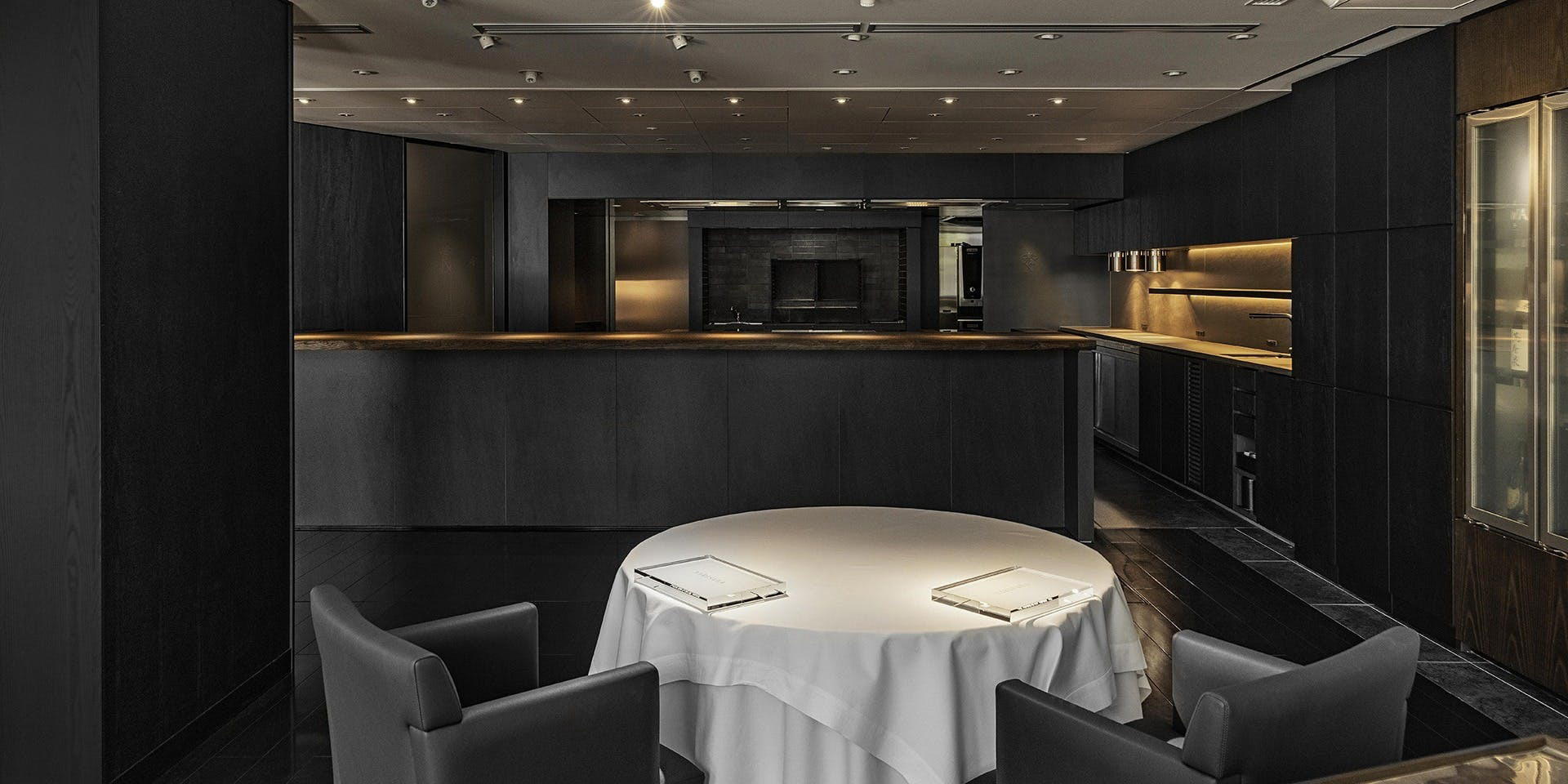
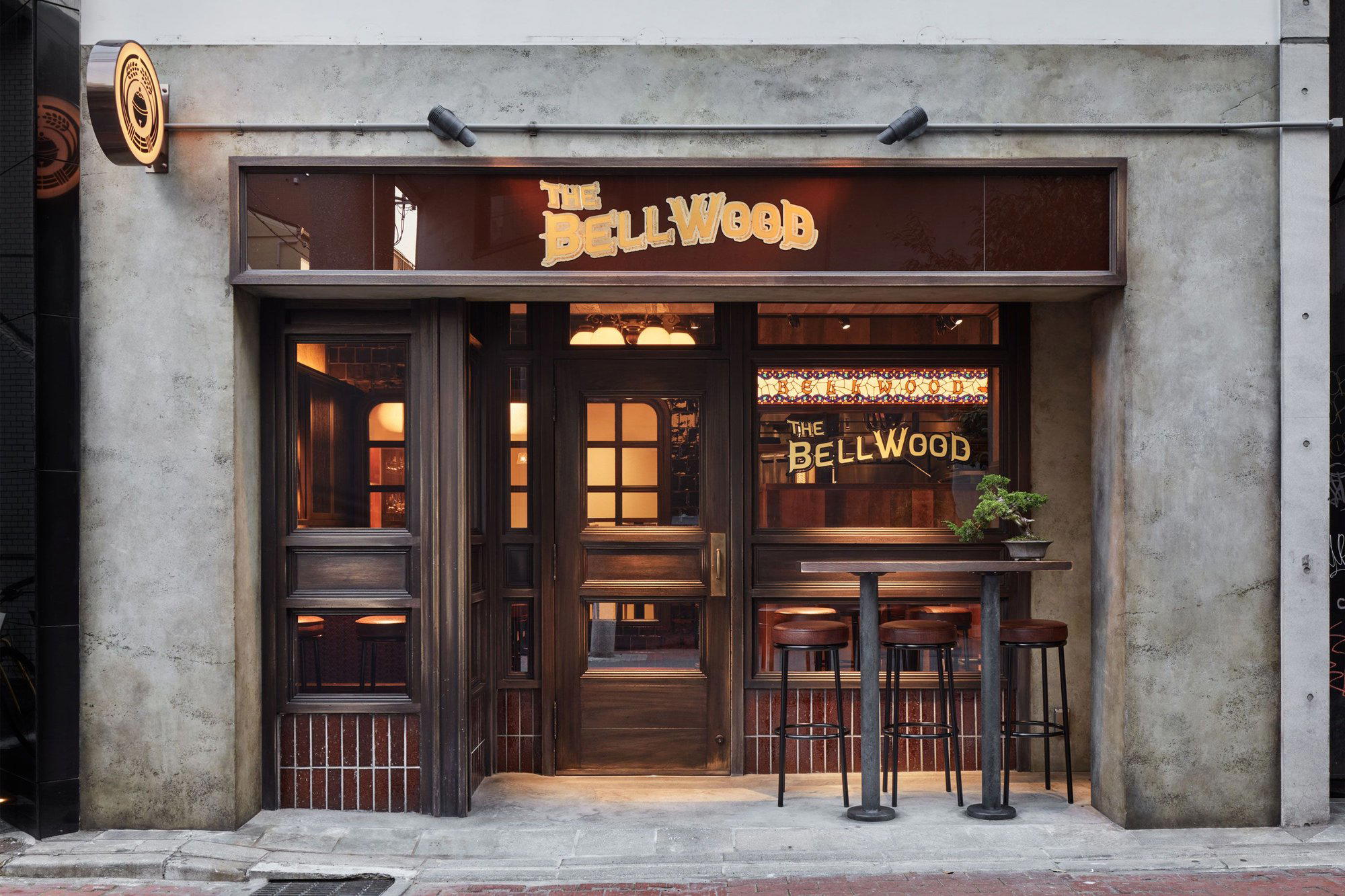
Casual atmosphere with counter and table seating in a residential area, offering a relaxed yet sophisticated vibe for late-night dining.