Miyabi sits in Minami-Aoyama, one of Tokyo's most considered residential and dining corridors, at an address that signals deliberate restraint over spectacle. Cross-reference with Tokyo's ¥¥¥¥ omakase and kaiseki tier for peer-set context.
Pearl is the En Primeur Club membership app — saves, bookings, and concierge access live there. Same editors, same standards.
- Address
- Japan, 〒107-0062 Tokyo, Minato City, Minamiaoyama, 5 Chome−4−30 Villa Soleil, E号
- Phone
- +81334993877
- Website
- omakase.in
 Saves & bookings on Pearl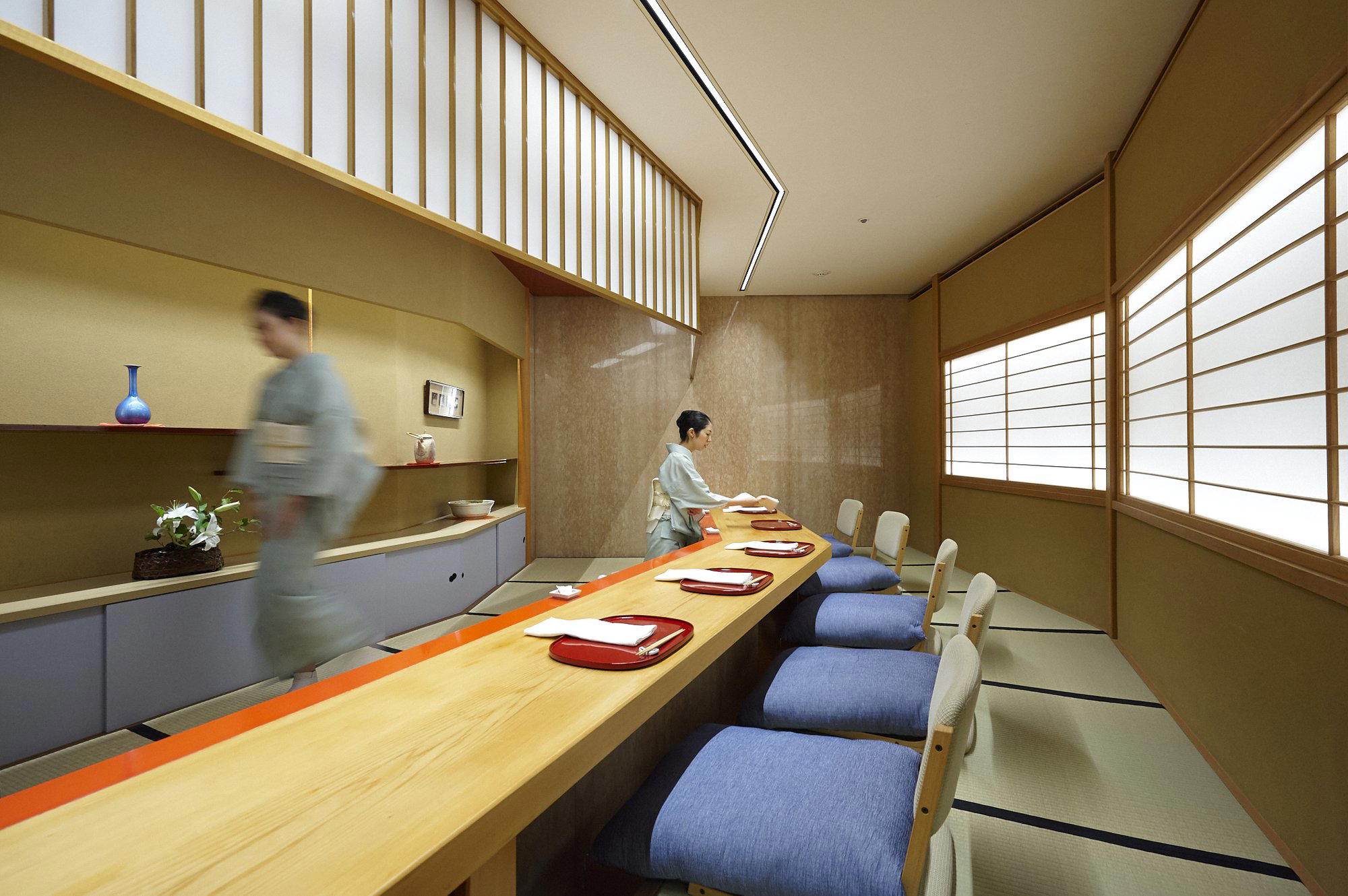
Minami-Aoyama and the Grammar of Quiet Ambition
宮仙 is a premium Hokkaido-style omakase sushi restaurant in Minato City, Tokyo, with a smart casual dress code and essential reservations. Minami-Aoyama belongs firmly to the second register. The neighbourhood, a few blocks south of Omotesando, carries a residential confidence that the louder parts of Shibuya or Ginza rarely achieve. Galleries, ateliers, and chef-driven restaurants share streets with apartment buildings whose residents expect a certain pitch of noise, low, and a certain density of consideration, high. It is in this context that 宮仙 (Miyabi) operates, at an address on the fifth block of Minamiaoyama that places it squarely in a corridor where dining decisions tend to be made by word of mouth rather than algorithm.
The Villa Soleil building is a low-rise residential-commercial structure in this part of Tokyo. In Minami-Aoyama, that architectural modesty is not a limitation. It is, functionally, a filter.
How Tokyo's Collaborative Dining Tier Works
Venues like RyuGin in Roppongi and L'Effervescence in Nishi-Azabu have built their reputations as much on front-of-house intelligence as on kitchen precision.
This collaborative grammar is particularly visible in the kaiseki and omakase formats that dominate Tokyo's ¥¥¥¥ tier. The pacing of a meal, when a guest is offered tea, when the sake shifts from junmai to aged, when the room's temperature of conversation changes, is orchestrated across departments, not delivered by one department alone. Harutaka in Ginza demonstrates this at the sushi counter, where the chef's reading of a guest's pace is matched by a floor team that adjusts without prompting. At venues operating in Minami-Aoyama's quieter idiom, that calibration tends to be even more precise because the rooms are smaller and the margin for drift is narrower.
The Minamiaoyama comparable set
In Tokyo's premium tier, venues that do not actively publish this information tend to operate in one of two ways: they are either so well-established that the information is presumed known, or they are deliberately limiting their public surface area to manage demand and guest profile. In Minami-Aoyama, the second dynamic is more common.
The neighbourhood's dining comparable set spans French-influenced creative cooking (as seen at Crony), European-Japanese hybrids, and intimate Japanese formats with strong seasonal programmes. For comparison, Sézanne at the Four Seasons Marunouchi operates at a similar price signal but within a hotel context that brings different logistical characteristics. Miyabi's residential-building address suggests the opposite of that: no concierge buffer, no hotel infrastructure, a more direct guest-to-kitchen relationship.
Across Japan, venues with this structural profile, small, address-only, low public data, appear in cities beyond Tokyo. HAJIME in Osaka, Gion Sasaki in Kyoto, and akordu in Nara each demonstrate how serious Japanese dining in mid-sized or secondary cities operates with similar discretion. Goh in Fukuoka is another example of a kitchen that built its reputation through the guest pipeline rather than public-facing awards campaigns. The pattern is consistent: when the team is confident in what it is doing, the marketing surface contracts.
The Neighbourhood as Context for the Experience
Arriving in Minami-Aoyama for dinner means arriving into a neighbourhood that has already done a significant amount of tonal work. The streets between Gaien-Nishi-Dori and Kotto-Dori are quieter after dark than their daytime gallery-browsing character might suggest. There is foot traffic, but not the concentrated volume of Shibuya or Roppongi. The effect is that a reservation in this part of the city carries a different psychological starting point: the guest is already in a frame of reduced distraction before they reach the door.
For a venue operating on the team-collaboration model, that environmental condition matters. The front-of-house does not need to work against ambient noise or a transient crowd. The dynamics that define Tokyo's most considered dining, precise pacing, attentive but non-intrusive service, a floor that reads the room rather than executes a script, are easier to maintain in this kind of address than in a high-traffic Ginza block. It is worth comparing this to how venues like Le Bernardin in New York City or Atomix in New York City use their address and room design to create a similar pre-arrival mood management, even in a denser urban context.
Planning a Visit: Logistics and Peer Comparison
| Venue | Area | Cuisine Tier | Booking Approach | Price Signal |
|---|---|---|---|---|
| 宮仙 | Minami-Aoyama | Hokkaido-style Omakase Sushi | Essential reservation | ¥¥¥¥ |
| Harutaka | Ginza | Sushi Omakase | Referral / months ahead | ¥¥¥¥ |
| L'Effervescence | Nishi-Azabu | French | Online / advance | ¥¥¥¥ |
| RyuGin | Roppongi | Kaiseki | Online / 1-2 months | ¥¥¥¥ |
| Crony | Minami-Aoyama | Innovative French | Online reservation | ¥¥¥¥ |
For regional context beyond Tokyo, the programmes at 一本杉川島 in Nanao, 夕然山乃 in Sapporo, 湖畔荘 in Takashima, 庄羽屋 in Nishikawa Machi, Birdland in Sakai, and Bistro Ange in Toyohashi illustrate how Japan's serious dining culture extends well beyond the capital.
Price and Positioning
Comparable venues nearby, for context on price, style, and recognition.
| Venue | Cuisine | Price | Notes |
|---|---|---|---|
| 宮坂This venue — the venue you are viewing | Minato, Hokkaido-style Omakase Sushi | $$$$ | Not listed |
| Akasaka Asada | Not listed | $$$$ | Akasaka, Traditional Kaga Kaiseki (Ryotei) |
| Taku | Not listed | $$$$ | Minato, Michelin-Starred Edomae Sushi Omakase |
| nami.nami | Shibuya, Modern Japanese Kaiseki | $$$$ | Not listed |
| Sushi Tanji | Not listed | $$$$ | Minato, Traditional Edo-style Omakase Sushi |
| Yakiniku Oboshimeshi | Not listed | $$$$ | Minato, Modern Yakiniku with Korean Influences |













At a Glance
- Elegant
- Sophisticated
- Special Occasion
- Chefs Counter
- Sake Program
- Skyline
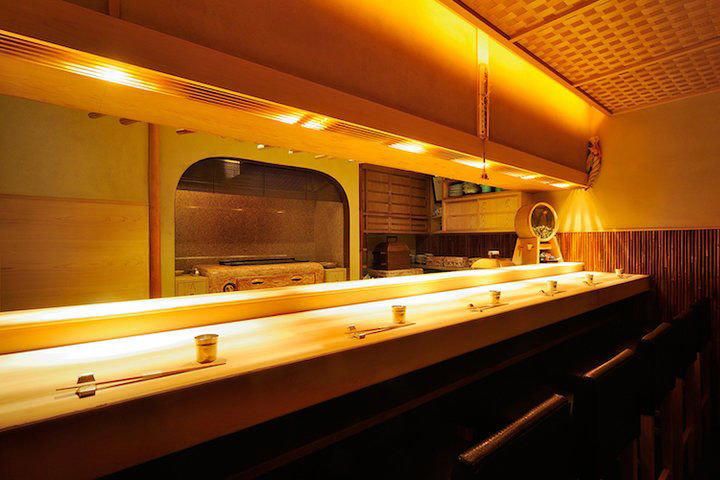
Laid-back yet elegant high-floor setting with panoramic city views.