Our verdict
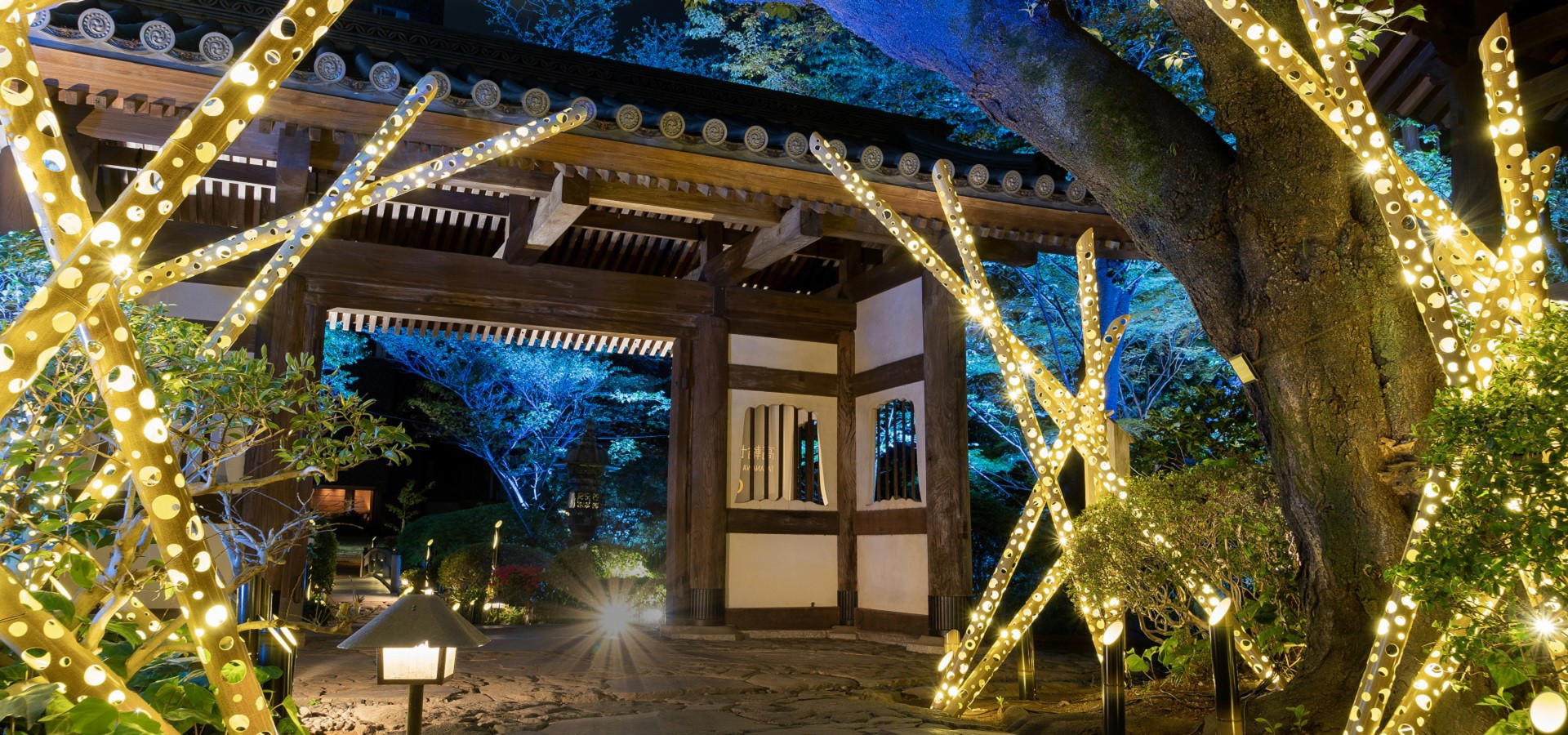
Positioned in Daikanyama's quieter residential fringe, nami.nami operates within one of Tokyo's most wine-literate dining neighbourhoods, where small-format rooms and considered beverage programs define the upper tier. The address, a compact building on Daikanyamacho, places it inside a scene that prizes depth over spectacle, making it a reference point for visitors tracking Tokyo's evolving relationship between food and wine.

Pearl is the En Primeur Club membership app, where members save venues, book tables and use the concierge.
The menu
What to order
- Pan-fried tuna head with sweet soy sauce
Daikanyama's Drinking and Dining Register
Daikanyama has spent the better part of two decades positioning itself as the quieter, more considered alternative to Roppongi or Ginza's high-gloss dining. The neighbourhood's restaurant stock tends toward smaller rooms, deliberate curation, and a clientele that arrives knowing exactly what it wants. That context matters when approaching nami.nami, located on Daikanyamacho in a building format common to this part of Shibuya-ku: compact floors, limited signage, and the kind of address that rewards those who looked it up beforehand rather than those who wandered in.
Across Tokyo's premium dining tier, wine programming has become an increasingly reliable signal of a room's ambition. Where a decade ago the conversation centred almost entirely on sake selection and the integrity of the kitchen's supply chain, the city's most closely watched restaurants now operate serious cellars alongside their tasting menus. Daikanyama has been part of that shift, with several addresses in the neighbourhood building reputations on the specificity of their bottle lists rather than their Michelin counts alone.
Wine as the Editorial Frame
Tokyo's relationship with European wine, Burgundy in particular, has matured considerably. Allocation access to Domaine de la Romanée-Conti, Henri Jayer successors, and the upper echelon of Champagne houses flows disproportionately to a handful of Japanese importers and the restaurants attached to them. That concentration of access creates a tiering effect: rooms that have earned importer relationships over years carry lists that simply cannot be replicated by newer entrants regardless of budget. Within Daikanyama's smaller restaurant ecosystem, wine curation at this level functions less as a service amenity and more as the primary editorial statement a room makes about itself.
nami.nami sits within that context. The Daikanyamacho address places it inside a neighbourhood where the expected register is intimate and specific, and where wine-forward operations have found their natural audience among Tokyo residents who travel to wine regions and treat their dining choices as an extension of that literacy. For visitors tracking this tier of the city's dining scene, the contrast with Ginza's larger omakase counters, places like Harutaka, where the fish is the complete argument, is instructive. Daikanyama's smaller rooms tend to frame wine and food as a conversation rather than a hierarchy.
Comparing logistics and positioning across Tokyo's upper dining tier helps locate what nami.nami represents within the city's overall offer. The table below maps it against a selection of peer-tier addresses across different registers.
| Venue | Neighbourhood | Cuisine Register | Price Tier | Primary Distinction |
|---|---|---|---|---|
| nami.nami | Daikanyama, Shibuya | Not publicly specified | Not published | Wine-forward, intimate Daikanyama format |
| Harutaka | Ginza | Sushi omakase | ¥¥¥¥ | Three-star precision counter, fish-centric |
| L'Effervescence | Nishi-Azabu | French | ¥¥¥¥ | Seasonal, fermentation-led French |
| RyuGin | Roppongi | Kaiseki | ¥¥¥¥ | Three-star kaiseki, seasonal Japanese |
| Sézanne | Marunouchi | French | ¥¥¥¥ | Classically trained, hotel-based French |
| Crony | Minami-Aoyama | Innovative French | ¥¥¥¥ | Natural wine focus, neighbourhood-scaled |
The table makes one structural point clearly: nami.nami is the only entry without a published price tier or cuisine specification in the public record. That opacity is itself a positioning signal common to Daikanyama's more discreet operations, where word-of-mouth and neighbourhood residency tend to generate the core audience rather than external discovery channels.
The Daikanyama Approach to Small-Format Dining
Internationally, the shift toward smaller rooms and wine-centred programming has played out in different ways depending on the city. In New York, places like Atomix in Midtown have built their reputations on tasting formats where the beverage pairing is as considered as the food sequence. In Paris, the bistronomie wave produced a generation of chefs who treated the wine list as co-author of the meal. Tokyo's version of this shift has been quieter, partly because the city's premium dining culture historically centred on single-product mastery rather than cross-category curation.
Daikanyama has been one of the neighbourhoods where that convergence has found room to develop. The residential character of Daikanyamacho, where nami.nami is located, keeps the ambient register lower than the broader Shibuya district surrounding it. That physical context tends to attract operators who are building for a specific, return-visit clientele rather than maximising discovery traffic from tourists or business entertainment expense accounts.
Japan's Broader Wine Dining Circuit
Tokyo is not the only Japanese city where this kind of wine-forward, small-format dining has taken hold. Osaka's HAJIME operates in a register where the beverage program is treated with comparable seriousness to the kitchen. Kyoto's Gion Sasaki approaches the question from a kaiseki tradition that has absorbed European wine culture without abandoning its own seasonal logic. Further afield, akordu in Nara and Goh in Fukuoka represent regional nodes in a circuit that increasingly treats wine pairing as a given rather than a differentiator at the upper tier. Even further north, addresses like this Sapporo restaurant are building wine programs that reflect the city's growing access to import channels. Regional discoveries like this Nanao address, this Takashima spot, and this Nishikawa Machi room suggest the decentralisation of serious dining and wine culture beyond Japan's three major cities is already underway. Tokyo remains the densest concentration, but the circuit is expanding.
For context on the breadth of that Tokyo concentration, our full Tokyo restaurants guide maps the city's dining tiers across neighbourhoods and formats. Visitors planning around the wine-forward tier specifically will find Daikanyama and Minami-Aoyama the most productive areas, with Ginza and Nishi-Azabu covering the more classical end of the spectrum.
Planning Your Visit
Daikanyama is served by the Tokyu Toyoko Line at Daikanyama Station, a single stop from Shibuya. The neighbourhood is compact enough to walk from Nakameguro as well. The Daikanyamacho address of nami.nami sits within a five-minute walk of the station. Given that specific booking details, hours, and reservation methods are not in the public record for this address, the practical approach is to attempt contact through the building's listed address or to monitor discovery platforms that track Daikanyama openings. Seasonal visits to the neighbourhood are worth timing: spring and autumn bring the area's tree-lined streets to their most atmospheric, which aligns with the kind of considered evening that a room in this register rewards. Parallel planning references from Japan's broader circuit include Birdland in Sakai, Bistro Ange in Toyohashi, and internationally, Le Bernardin in New York for a reference point on how wine and food parity operates at the formal end of the spectrum.
Frequently asked questions
What's the address for nami.nami?
nami.nami is located at Japan, 〒150-0034 Tokyo, Shibuya, Daikanyamacho, 7−2 Ever, 1F, Tokyo.
Is nami.nami in Daikanyama suitable for guests focused on Japanese wine selections alongside European producers?
Tokyo's wine dining circuit, particularly in Daikanyama, has developed alongside growing access to both domestic Japanese labels and European allocations, with Burgundy producers commanding particular attention in this tier of the market. nami.nami's Daikanyamacho positioning places it within a neighbourhood that has consistently attracted this dual-interest guest. Confirmed list specifics for nami.nami are not in the public record, but the format and location are consistent with programming that engages seriously with both categories.
What do regulars order at nami.nami?
Guests at comparable Tokyo addresses in this format typically come with a specific producer or vintage in mind and let the kitchen sequence around that choice.
Should I book nami.nami in advance?
Reservation logistics for nami. Daikanyama draws a local clientele that books regularly rather than spontaneously, so walk-in availability at peak hours is unlikely. Contacting the venue directly ahead of any planned visit is the practical baseline.
What is nami.nami known for?
nami.nami sits within Daikanyama's wine-forward, small-format dining scene, a segment of Tokyo restaurant culture that treats the cellar as the primary editorial frame rather than a supporting element. The Daikanyamacho address places it in one of the city's more considered neighbourhoods, where the room size and wine programming tend to attract guests whose reference point is the bottle list rather than a single cuisine tradition.
Comparable Venues
Comparable venues nearby, for context on price, style, and recognition.
| Venue | Cuisine | Price | Awards | Notes |
|---|---|---|---|---|
| nami.namiThis venue (the venue you are viewing) | Modern Japanese Kaiseki | $50–100 | Not listed | Not listed |
| 日本料理 明寂 | Modern Minimalist Kaiseki | $300–500 | 3 Michelin Stars · World's 50 Best #33 | Nishi-Azabu |
| Kawasaki | Seasonal Japanese Kaiseki / Omakase | $150–200 | Tabelog 100 #57 | Minato |
| 重よし | Traditional Japanese Kappo | $200–300 | Not listed | Shibuya |
| Sushi Izumi | Traditional Edomae Sushi | $500+ | Not listed | Meguro |
| Mitate Soba | Modern Japanese Soba Omakase | $150–200 | Michelin Plate · Tabelog 100 #73 | Minato |