
Our verdict
A Daikanyama sushi counter operating outside the Ginza omakase circuit, Daikanyama Ogawaken under Chef Tarou Kohira has earned consecutive recognition from Opinionated About Dining, ranking 572nd among Japan's top restaurants in 2025. The Shibuya address and split lunch-dinner format place it firmly in the neighbourhood specialist tier, drawing regulars who prefer proximity over prestige address.

Pearl is the En Primeur Club membership app, where members save venues, book tables and use the concierge.
The menu
What to order
- Sea Bream Carpaccio
- Stewed Beef
- Omurice
- Beef Curry
- Scallops in Saffron Sauce
Counter Dining in Daikanyama: What the Neighbourhood Tells You First
The geography matters before the fish does. Daikanyama sits a single stop from Shibuya on the Tokyu Toyoko Line, but the neighbourhood operates at a different register entirely: low-rise, independently minded, and considerably quieter than the sushi corridors of Ginza or Roppongi. Counter restaurants here attract a clientele that has largely self-selected away from the theatre of Michelin address-climbing. That context shapes what to expect at Daikanyama Ogawaken before you take your seat.
Tokyo's sushi scene has fractured into recognisable tiers over the past decade. At the leading, a cluster of Ginza counters competes on Michelin recognition, lineage, and allocation scarcity, venues like Harutaka and Sushi Kanesaka occupy that bracket and price accordingly. Below them, a middle tier of neighbourhood specialists builds credibility through sustained critical attention rather than star count. Daikanyama Ogawaken operates in that second tier: consecutive Opinionated About Dining recognition in 2023 (Recommended) and a ranked position at 572nd in Japan for 2025 signal a counter that the serious eating community has noted, even without a Michelin banner. For comparison, Edomae Sushi Hanabusa and Hiroo Ishizaka represent adjacent positions in the Tokyo sushi hierarchy worth mapping against.
The Counter as the Primary Argument
Edomae sushi only fully makes sense at a counter. The physical arrangement, guest seated close enough to observe every incision, every temperature decision, every moment of seasoning, is not decorative. It is how the cuisine transmits. The distance from hand to plate is centimetres, not metres, and that proximity removes the buffer that a restaurant dining room normally provides between kitchen and table. You are not watching sushi being made. You are inside the process.
At a well-run sushi counter, the choreography is compressed and deliberate. Rice is pressed and presented with a tempo the chef controls; a longer pause between pieces invites attention to what just arrived.
Chef Tarou Kohira leads the counter. In the context of neighbourhood sushi in Tokyo, the chef's sustained personal presence behind a small counter is the operational model, not a selling point layered on top of it. The cuisine and the person are not separable in the same way they might be at a large brigade kitchen.
Daikanyama as a Sushi Address
The neighbourhood has a particular relationship with food that differs from central Tokyo's more stratified dining corridors. Daikanyama's restaurant stock trends toward the owner-operated and the deliberately low-profile, a pattern visible across its cafes, wine bars, and independent kitchens. A sushi counter here competes less against Ginza peers and more against the neighbourhood's own culinary character: considered, slightly understated, and resistant to the kind of spectacle that drives reservation queues elsewhere.
That said, the OAD ranking places Daikanyama Ogawaken in a competitive national frame. Japan's restaurant density means that a position in the top 600 across the country represents a filtered critical judgment, not a participation acknowledgment. The progression from Recommended in 2023 to a ranked position in 2025 indicates sustained attention from a dining community that revisits and re-evaluates rather than simply logging first impressions.
Situating Daikanyama Ogawaken in a Wider Japan Context
Tokyo's sushi counters draw the most attention, but serious eaters mapping a Japan itinerary increasingly think across cities. The OAD list that recognises Daikanyama Ogawaken also covers venues like HAJIME in Osaka, Gion Sasaki in Kyoto, akordu in Nara, Goh in Fukuoka, 1000 in Yokohama, and 6 in Okinawa, a reminder that the critical map of Japanese dining extends well beyond the Tokyo metro. For those building a Japan dining itinerary, the OAD framework provides a consistent reference point across regions.
Within Tokyo itself, the sushi category extends from entry-level standing bars through to three-star omakase at significant per-head cost. Daikanyama Ogawaken occupies a position in the recognised middle of that range, a neighbourhood counter with verifiable critical standing. Sushi has also crossed borders in ways that invite comparison: Sushi Shikon in Hong Kong and Shoukouwa in Singapore represent how the edomae counter format has transplanted to other Asian cities, each carrying different freight in terms of cost, sourcing, and cultural context.
Know Before You Go
Know Before You Go
- Address: 10-13 Daikanyamacho, Shibuya, Tokyo 150-0034, Japan
- Hours: Monday to Saturday, 12:00–15:00 and 17:30–22:00. Closed Sunday.
- Chef: Tarou Kohira
- Recognition: Opinionated About Dining, Ranked #572, Leading Restaurants in Japan (2025); Recommended (2023)
- Getting there: Daikanyama Station (Tokyu Toyoko Line) is the closest access point, one stop from Shibuya.
- Booking:
- Price range:
Explore More in Tokyo and Beyond
For a fuller map of Tokyo's dining, drinking, and hospitality options, see our full Tokyo restaurants guide, our full Tokyo hotels guide, our full Tokyo bars guide, our full Tokyo wineries guide, and our full Tokyo experiences guide.
Frequently asked questions
What dish is Daikanyama Ogawaken famous for?
No specific signature dish is confirmed in available data for Daikanyama Ogawaken. The venue operates as a sushi counter under Chef Tarou Kohira, with recognition from Opinionated About Dining in both 2023 and 2025 indicating a kitchen operating at a level that has drawn sustained critical attention. In the edomae tradition, the counter format means the full sequence of the meal, rather than any single piece, carries the most weight. Visitors seeking a specific dish focus should confirm current omakase content directly with the venue before booking.
A Lean Comparison
A small set of peers for context, based on recorded venue fields.
| Venue | Cuisine | Price | Awards | Notes |
|---|---|---|---|---|
| Daikanyama OgawakenThis venue (the venue you are viewing) | Classic Yoshoku & French-Influenced Western Cuisine | $150–200 | Not listed | Not listed |
| Harutaka | Edo-Style Omakase Sushi | $200–300 | 3 Michelin Stars · World's 50 Best #76 | Sushi |
| RyuGin | Modern Kaiseki | $500+ | 3 Michelin Stars · World's 50 Best #41 | Kaiseki, Japanese |
| L'Effervescence | Modern French with Japanese Influences | $200–300 | 3 Michelin Stars · World's 50 Best #69 | French |
| HOMMAGE | Modern French with Japanese Influences | $150–200 | 2 Michelin Stars · World's 50 Best #78 | Innovtive French, French |
| MAZ | Innovative Peruvian-Japanese Fusion | $150–200 | 2 Michelin Stars · World's 50 Best #28 | Innovative |
Recognition history
Dated appearances from independent guides and award organizations, with the underlying list record or original source where available.
Opinionated About Dining Top Restaurants in Japan Recommended
Opinionated About Dining
Full recognition history (3 entries)
Opinionated About Dining Top Restaurants in Japan Ranked #572
Opinionated About Dining
Opinionated About Dining Top Restaurants in Japan Recommended
Opinionated About Dining
Continue exploring
More in Tokyo
Restaurants in Tokyo
All restaurants in Tokyo →


Bars in Tokyo
All bars in Tokyo →





Details
- Elegant
- Classic
- Quiet
- Sophisticated
- Special Occasion
- Business Dinner
- Date Night
- Open Kitchen
- Historic Building
- Standalone
- Extensive Wine List
- Local Sourcing
- A La Carte
- Set Menu
- Prix Fixe
- Wine
Current opening hours
- Monday
- 12–3 PM, 5:30–10 PM
- Tuesday
- 12–3 PM, 5:30–10 PM
- Wednesday
- 12–3 PM, 5:30–10 PM
- Thursday
- 12–3 PM, 5:30–10 PM
- Friday
- 12–3 PM, 5:30–10 PM
- Saturday
- 12–3 PM, 5:30–10 PM
- Sunday
- Closed
Hours can change for holidays and private events. Hours as of .
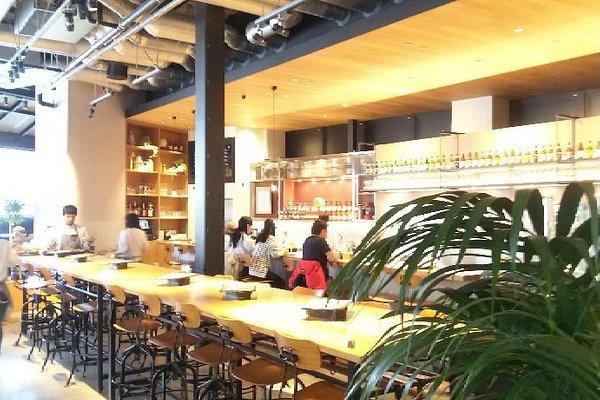
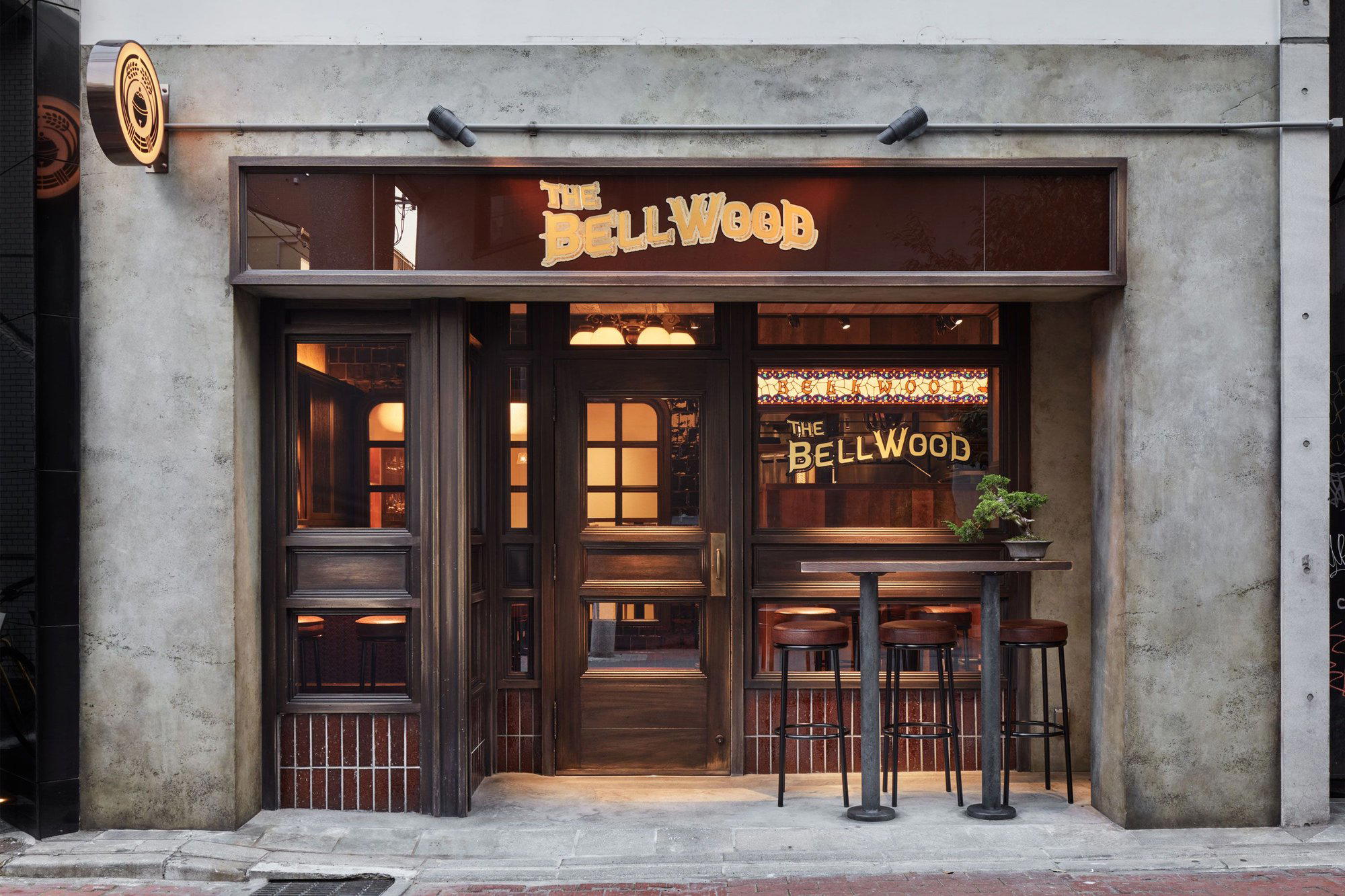
Simple yet classy interior with an open kitchen concept; quiet atmosphere punctuated by the soothing sounds of the working kitchen; stylish street-front space that blends seamlessly with the Daikanyama surroundings.