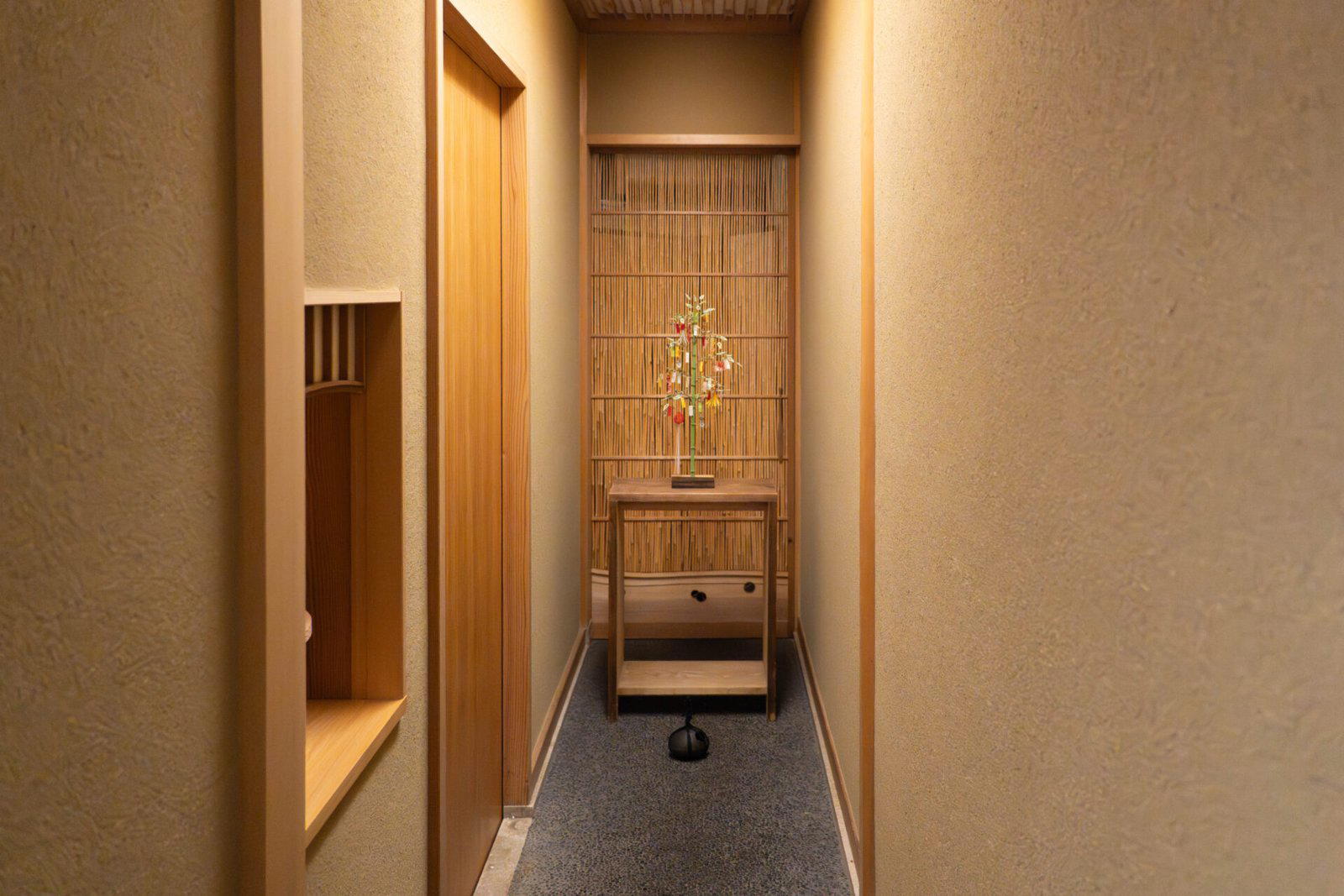
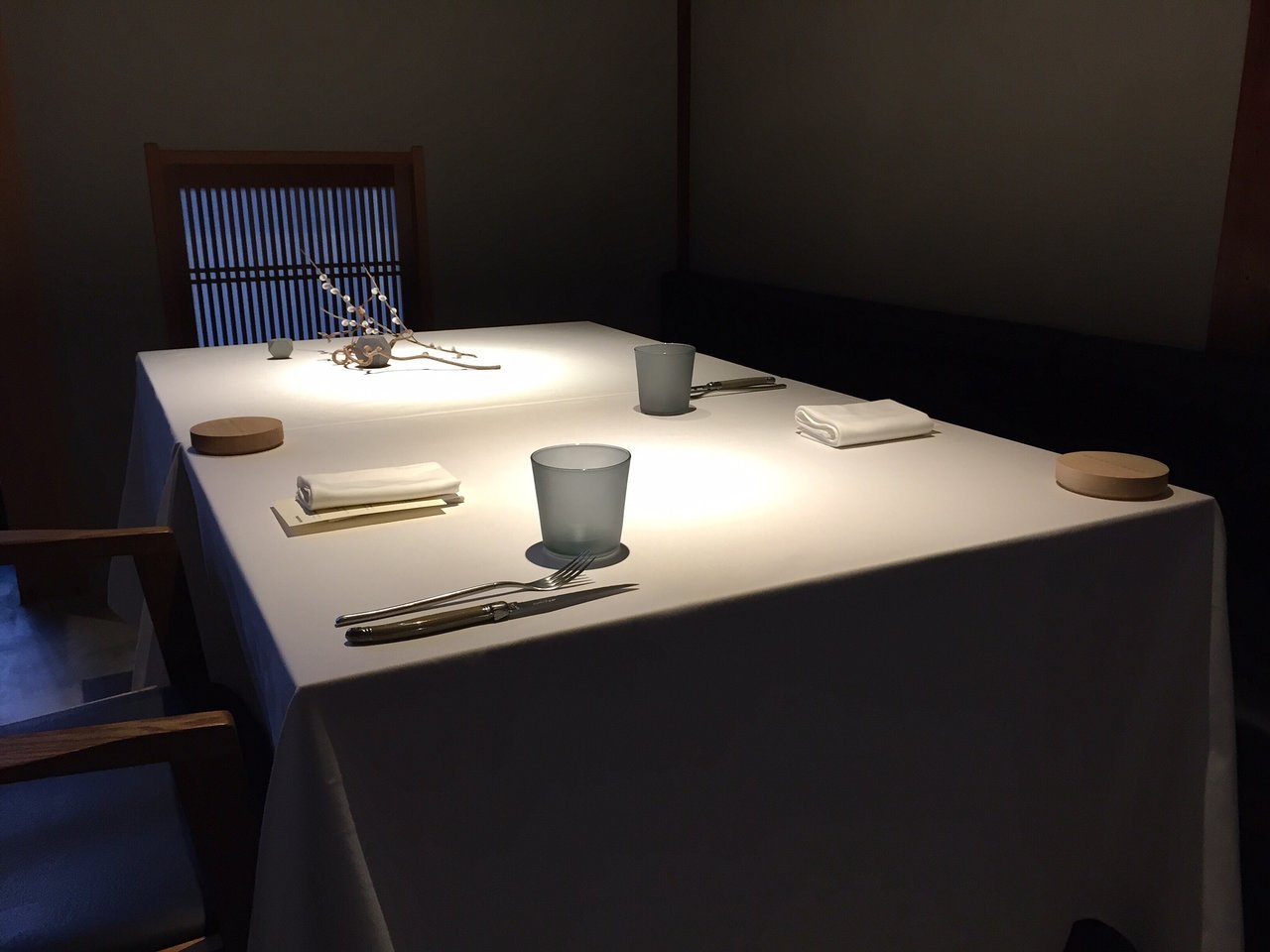
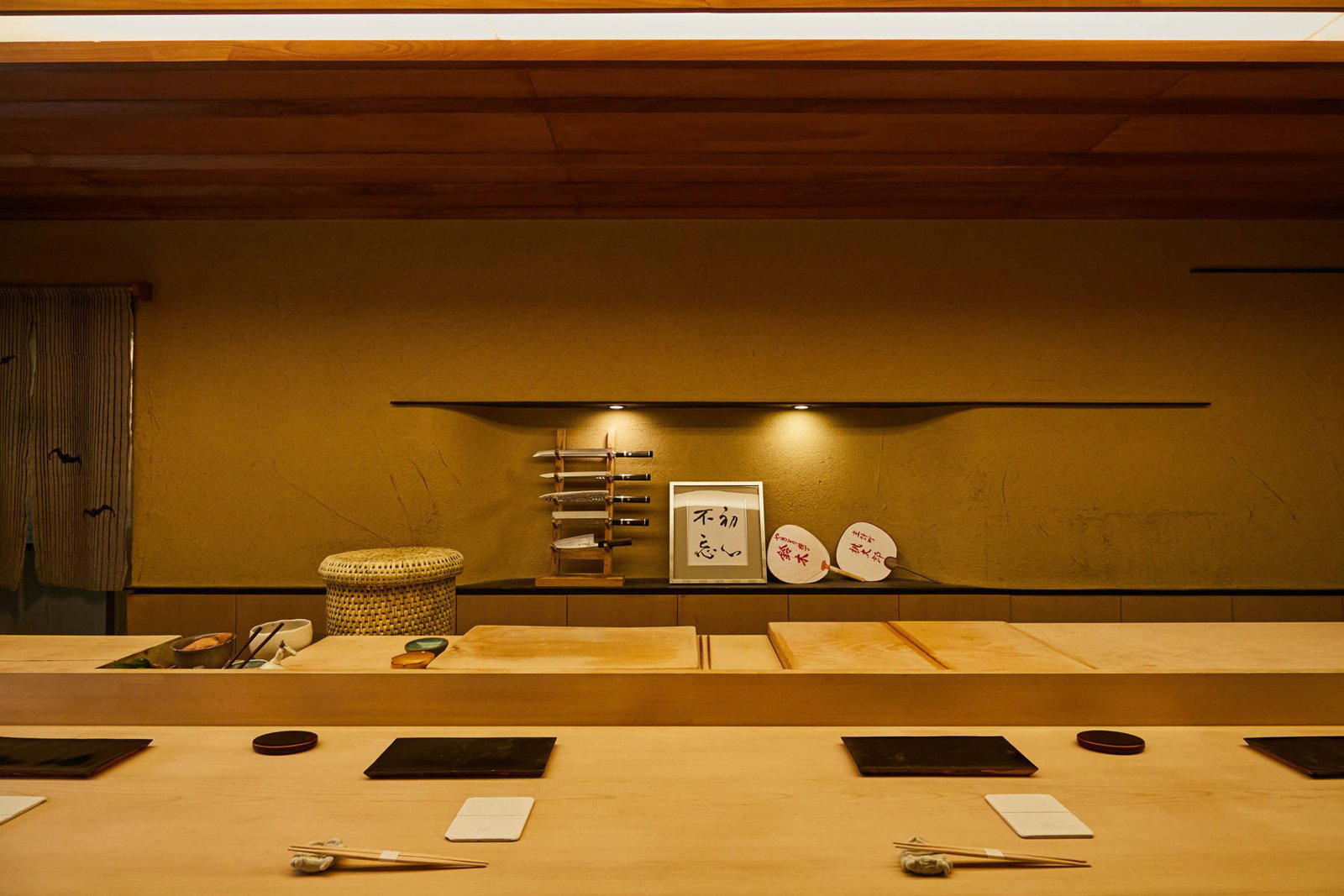
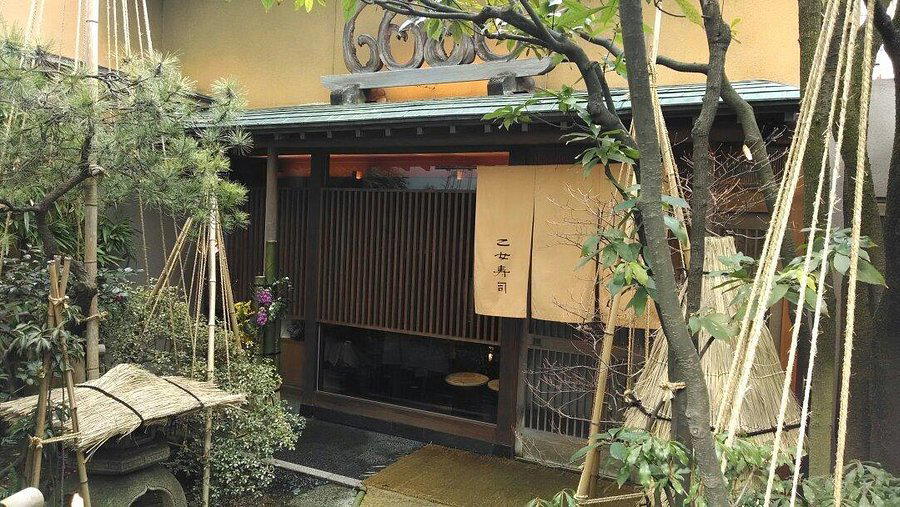
Our verdict
かなざわ玉泉邸 occupies a historic address in Koshomachi, one of Kanazawa's older residential quarters, positioning it within the city's tradition of occasion-grade kaiseki dining. With almost no public-facing information available, the venue operates on the quieter, allocation-style end of the spectrum — the kind of table you hear about rather than stumble across. For milestone meals in a city with serious culinary credentials, it belongs on the shortlist.

Pearl is the En Primeur Club membership app — saves, bookings, and concierge access live there. Same editors, same standards.
- Address
- 8-3 Koshomachi, Kanazawa, Ishikawa 920-0932, Japan
- Phone
- +815017210875
- Hours
- Mon ClosedTue–Sun 12–3 PM, 6–9:30 PM
- Website
- gyokusen-tei.jp
- Directions
- Get directions
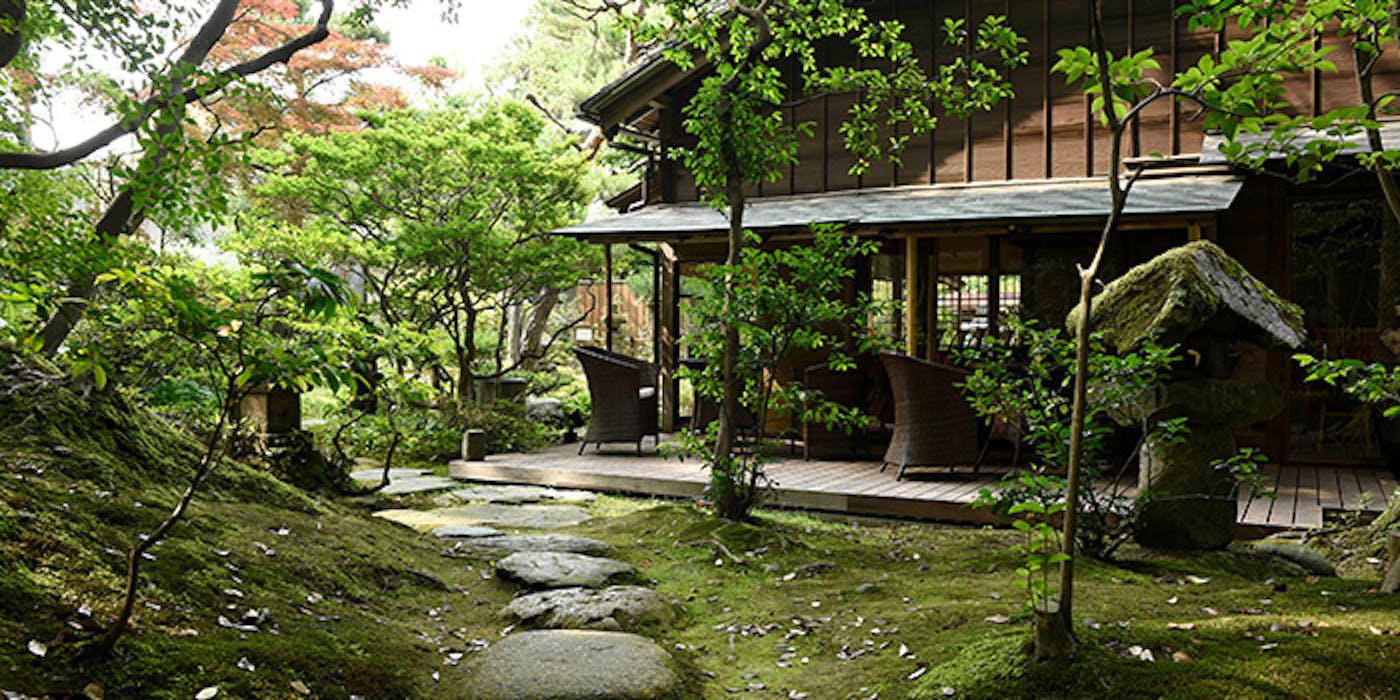
Occasion Dining in a City That Takes It Seriously
Kanazawa has long occupied a particular position in Japan's culinary geography: a secondary city by population, but a first-tier city by gastronomic tradition. The concentration of high-grade kaiseki, the access to Noto Peninsula seafood, and the centuries-old culture of craft and ceremony have made it a destination where milestone meals feel contextually appropriate rather than performative. Dining here for a significant occasion — an anniversary, a birthday, a deliberate marker of something — carries a weight that cities with more restaurants but shallower traditions sometimes cannot match. かなざわ玉泉邸, located at 8-3 Koshomachi in the older residential fabric of central Kanazawa, sits inside that tradition.
The Address and What It Signals
Koshomachi is not a neighbourhood that advertises itself. It sits within the broader historic core of Kanazawa, an area the city has worked carefully to preserve, and addresses here tend to belong to private residences, small traditional inns, or the kind of restaurant that does not need a sign facing a busy street. In a city where the comparison set includes formidable kaiseki houses like Zeniya and Kataori, both of which operate at the upper tier of Kanazawa's dining register, the Koshomachi address places かなざわ玉泉邸 in a neighbourhood associated with quietness and deliberate dining rather than foot-traffic volume. That positioning matters when you are choosing a table for an occasion that deserves its own geography.
Kanazawa's dining culture has historically rewarded this kind of physical restraint. The city's most respected restaurants rarely compete on visibility. They compete on the quality of the product reaching the table, on the specificity of service, and on the sense that the room was built for concentration rather than throughput. For guests arriving from outside Kanazawa, the city sits within reach of major Honshu routes: the Hokuriku Shinkansen connects Kanazawa to Tokyo in roughly two and a half hours, and the broader Ishikawa Prefecture produces the seasonal ingredients, Noto squid, Kaga vegetables, Kanazawa winter snow crab, that define what serious local cooking looks and tastes like.
What Occasion Dining Actually Requires Here
Across Japan's mid-size culinary cities, the restaurants that handle milestone meals most effectively tend to share a structural characteristic: they are small enough that the room does not swallow the occasion, but established enough that the kitchen is not distracted by novelty. Kanazawa's upper tier operates largely within the kaiseki format, a sequential meal rooted in seasonality, precision, and the kind of pacing that prevents any single dish from becoming the whole story. That format is, almost by design, suited to occasions: the progression of courses mirrors the arc of a significant evening rather than simply delivering calories efficiently.
This is not unusual in Kanazawa's upper register. Several of the city's most-regarded tables operate without Michelin documentation, the Michelin Guide's Ishikawa coverage is narrower than its Tokyo or Kyoto presence, and function primarily through local reputation, word of mouth, and the kind of booking process that assumes the guest already knows why they are there. For international visitors, the practical implication is direct: approach with the same seriousness you would bring to securing a table at Gion Sasaki in Kyoto or Harutaka in Tokyo, meaning early, through whatever channel is available, and with clear communication about dietary requirements from the outset.
Kanazawa's Broader Dining Register
Understanding where かなざわ玉泉邸 sits requires a working map of what Kanazawa actually offers. The city's dining scene is not large by Tokyo or Osaka standards, but it is coherent in a way that fewer Japanese cities achieve. Kaiseki dominates the serious end, with venues like Zeniya and Kataori representing the tradition's most technically demanding expression. Below that formal tier, yakitori specialists like Hamagurizaka Maekawa, and more accessible neighbourhood restaurants, fill out a scene that rewards explorers willing to move between price points and formats.
For visitors building a Kanazawa itinerary around a central occasion meal, the city's other restaurants serve as useful brackets. Amanatto Kawamura and Hakuichi represent Kanazawa's craft and confectionery tradition, appropriate for afternoons before or after a formal dinner. Dokkan and Budoonomori Les Tonnelles offer different registers of the city's cooking ambition. For something more casual in between, the kind of reset a multi-day trip requires, Go! Go! Curry is as Kanazawa-rooted as it gets, having originated in the city before expanding nationally. For the full picture, our full Kanazawa restaurants guide maps the scene by neighbourhood and occasion type.
Beyond Kanazawa, the region feeds into a wider network of serious Japanese dining. HAJIME in Osaka, akordu in Nara, and Goh in Fukuoka each represent distinct regional approaches to occasion-grade dining, useful reference points for travellers moving through Honshu and Kyushu. Further afield, 一本木 佳川制 in nearby Nanao and 湖畔荘 in Takashima point toward the quieter, accommodation-integrated dining tradition that the broader Sea of Japan coast has developed. Internationally, Le Bernardin in New York City and Atomix in New York City offer useful comparison points for guests calibrating what a serious tasting-format occasion meal requires in terms of advance planning and communication, both book months out and reward guests who arrive with clear intent.
Planning a Visit
Given the absence of published contact details, the practical approach for securing a table at かなざわ玉泉邸 mirrors the method that works across Kanazawa's quieter upper-tier establishments: hotel concierge contact in advance, ideally through a Kanazawa property with strong local hospitality networks, or through a Japan-based travel specialist who maintains working relationships with the city's less publicly visible restaurants. Guests with specific dietary requirements, allergies, religious restrictions, or strong preferences, should communicate these at the point of booking rather than on arrival; kaiseki kitchens sequence their menus in advance, and late changes are structurally difficult in a way they are not at à la carte restaurants. The address at 8-3 Koshomachi, Kanazawa, Ishikawa 920-0932 is the confirmed physical location. All other logistical details should be confirmed directly through whatever booking channel is established.
For travellers comparing notes across the region, 古代山乃 in Sapporo, 鳥羽屋 in Nishikawa Machi, and Birdland in Sakai each illustrate how Japan's regional dining culture handles occasion meals differently depending on format and geography, worth reading alongside any Kanazawa planning.
Frequently asked questions
What part of town is かなざわ玉泉邸 in?
かなざわ玉泉邸 is located at 8-3 Koshomachi, Kanazawa, Ishikawa 920-0932, Japan, Kanazawa.
Is かなざわ玉泉邸 suitable for a private event or group celebration in Kanazawa?
The combination of a historic-quarter address in Koshomachi and the venue's evident positioning around milestone and occasion dining suggests it is structured for exactly this use. Kanazawa has a stronger tradition of private dining rooms within its heritage buildings than most Japanese cities of its population, and 玉泉邸's estate-style name points toward that architectural category. Group suitability and private room availability should be confirmed directly, ideally with the support of a local concierge given the absence of published booking details.
What's the signature dish at かなざわ玉泉邸?
No specific menu items are published for かなざわ玉泉邸. What the Koshomachi address and occasion-dining positioning suggest is a kitchen operating within Kanazawa's established tradition of seafood-led, seasonally structured Japanese cuisine — a tradition the city has maintained with unusual consistency relative to its size. Confirming current dishes requires direct contact with the venue.
Should I book かなざわ玉泉邸 in advance?
Yes. Kanazawa's serious dining rooms — particularly those in the historic core around Koshomachi — operate with limited seatings and no walk-in culture. Advance reservation is the standard expectation across this tier of the city's restaurants. No online booking channel or phone number is currently published for かなざわ玉泉邸, so the practical approach is to contact the venue through your hotel concierge or a specialist reservations service familiar with Kanazawa.
What's the defining dish or idea at かなざわ玉泉邸?
The venue's location at 8-3 Koshomachi places it within Kanazawa's preserved historic quarter, and the name 玉泉邸 (Gyokusen-tei, referencing a jewelled-spring estate) frames the experience as one rooted in place rather than any single dish. Kanazawa's dining identity is built on proximity to Sea of Japan seafood, Kaga vegetables, and a craft culture that the city has protected more deliberately than most Japanese cities of comparable size. The defining idea here appears to be occasion dining anchored in that local specificity.
What if I have allergies at かなざわ玉泉邸?
At this tier of Japanese restaurant — particularly in a city where menus are built around seasonal and regional produce — allergy communication is best handled at the point of reservation rather than on arrival. If booking through a concierge, provide dietary requirements in writing at the time of the reservation request.
Side-by-Side Snapshot
Comparable venues nearby, for context on price, style, and recognition.
| Venue | Cuisine | Price | Awards | Notes |
|---|---|---|---|---|
| かなざわ玉泉邸This venue — the venue you are viewing | Kaga Kaiseki | $100–150 | Not listed | Not listed |
| 貴船 | Traditional Kaga Kaiseki | $150–200 | Not listed | Kanazawa |
| Katsusen Nomura | Japanese Seafood and Tempura | $50–100 | Not listed | Izumino Demachi |
| A_RESTAURANT | Innovative Japanese Omakase | Not listed | Tabelog 100 #50 | Kanazawa |
| Sushi Hachiya | Kanazawa Seasonal Sushi | $100–150 | Not listed | Shimeno Nakamachi |
| Sakai | Japanese Kaiseki | $50–100 | Not listed | Kanazawa |