Our verdict
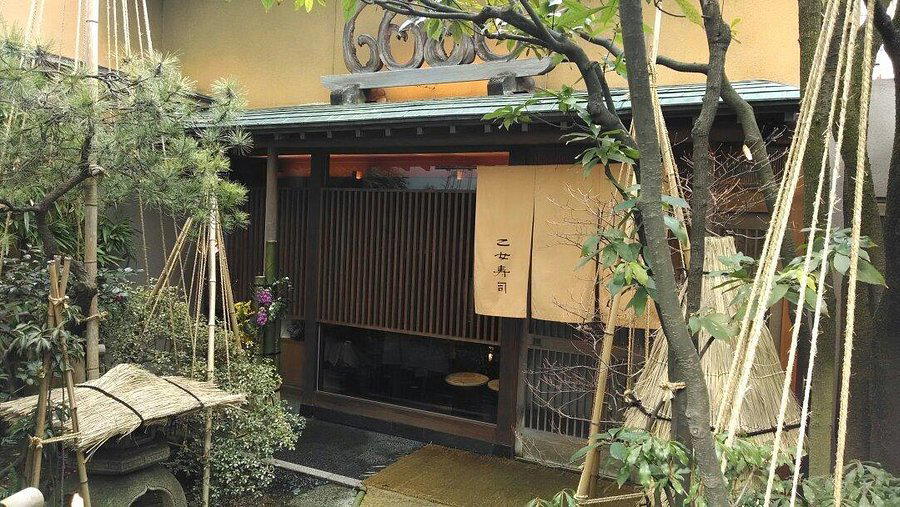
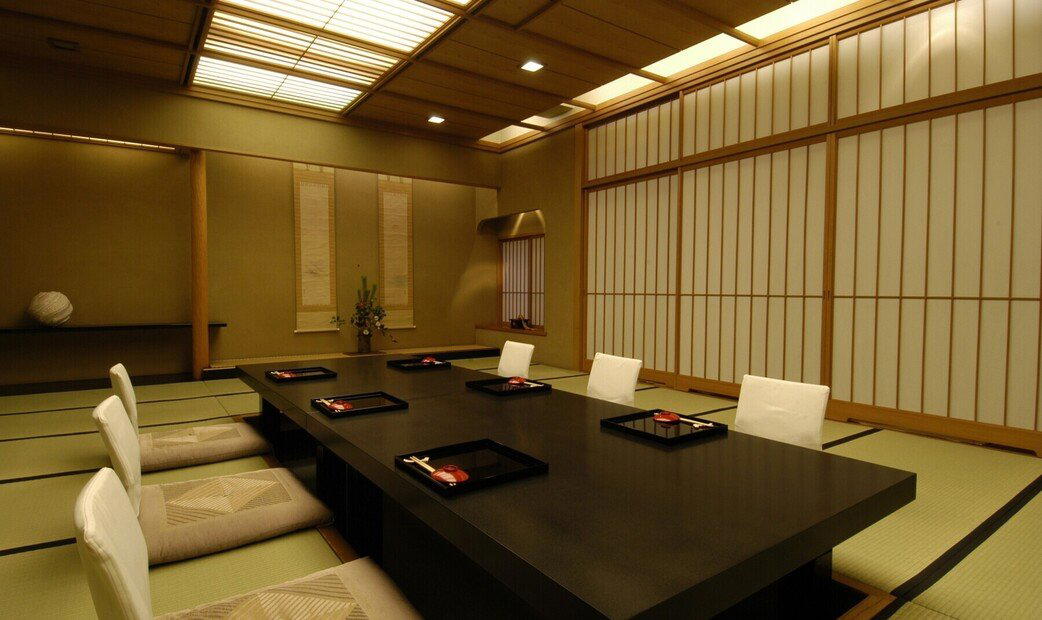
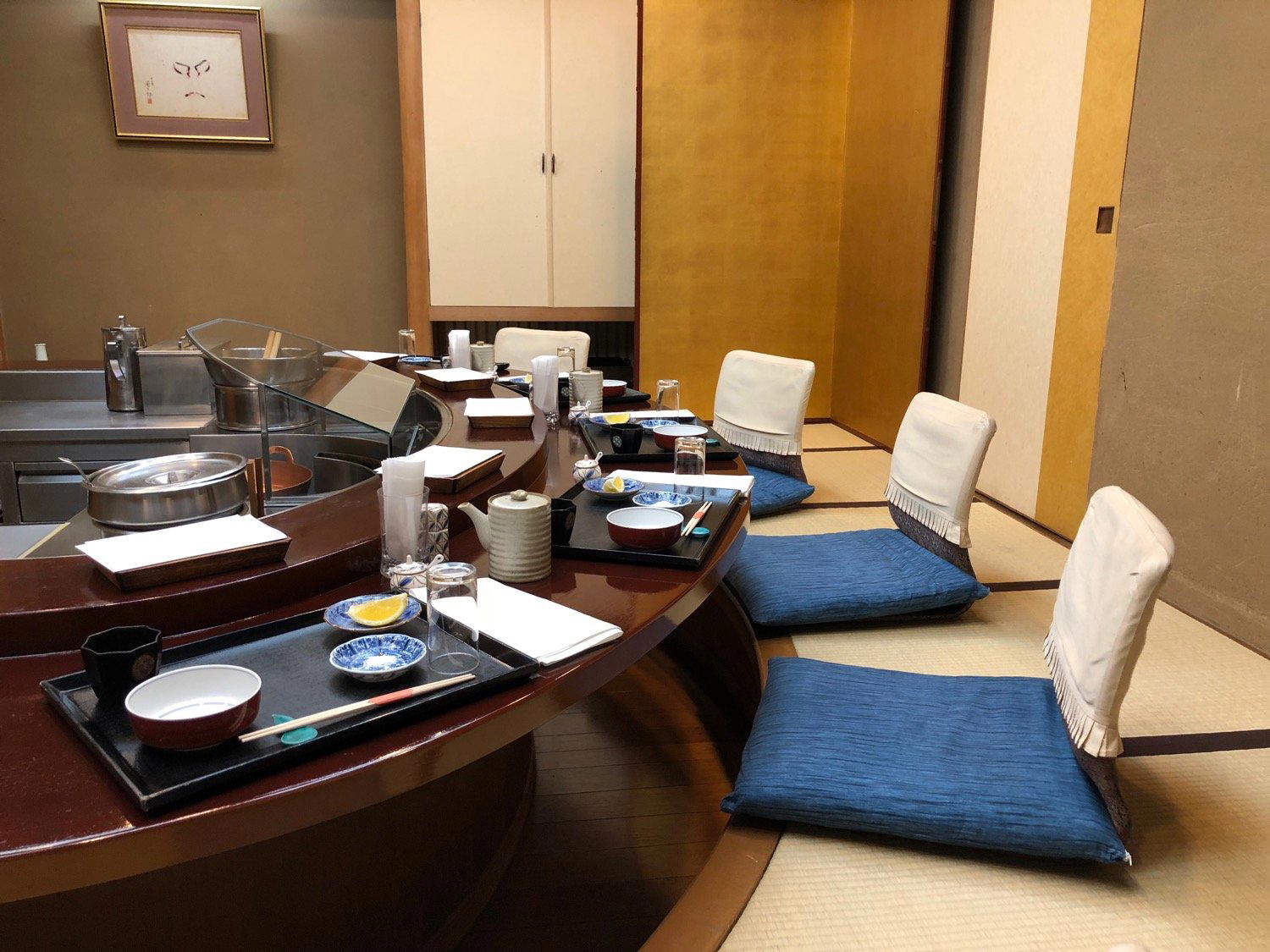
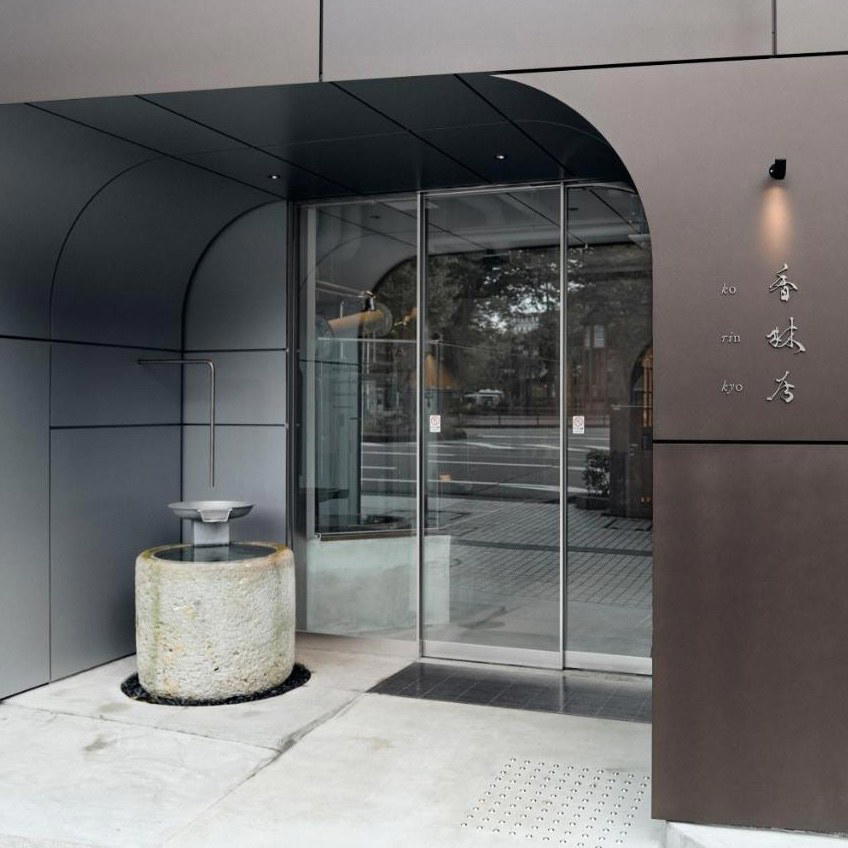
Sakai occupies a quiet address in Kanazawa's Kiguramachi district, placing it within a city that has spent centuries refining the traditions of kaiseki and local craftsmanship. The restaurant draws on Kanazawa's deep culinary culture, where proximity to the Sea of Japan and the legacy of Kaga cuisine set the terms for serious dining. For visitors seeking a grounded encounter with that tradition, Sakai represents a considered point of entry.

Pearl is the En Primeur Club membership app — saves, bookings, and concierge access live there. Same editors, same standards.
- Address
- 6-8 Kiguramachi, Kanazawa, Ishikawa 920-0988, Japan
- Phone
- +81762213911
- Website
- restaurant.ikyu.com
- Directions
- Get directions
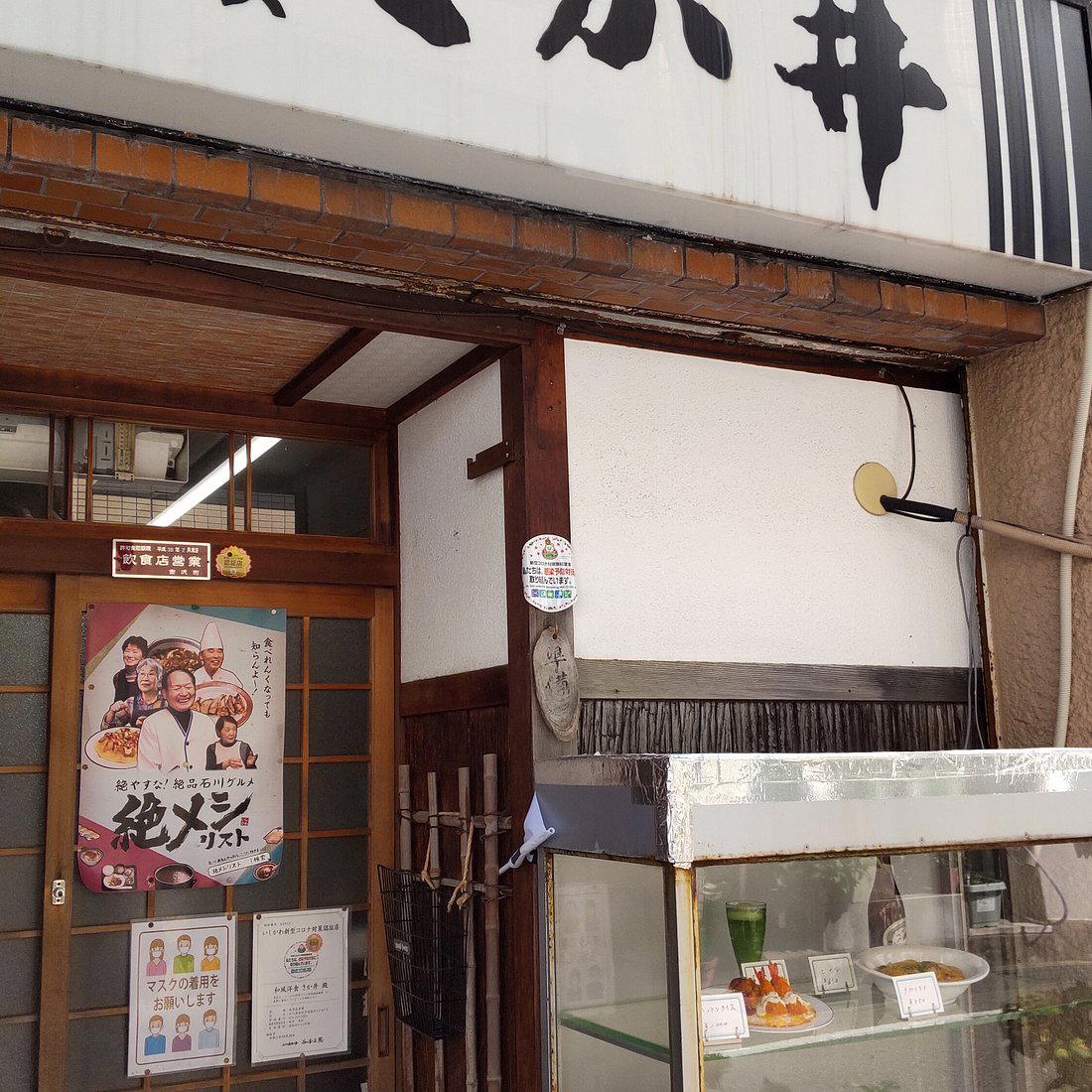
Kiguramachi and the Weight of Kanazawa's Culinary Identity
There is a particular quality to dining in Kanazawa that separates it from the more internationally publicised restaurant cities of Japan. Where Tokyo operates at volume and Kyoto trades on imperial history, Kanazawa's culinary character formed under the Maeda clan's long patronage of the arts, which shaped local craft, food culture, and aesthetic sensibility simultaneously. The result is a city where seasonal ingredients, lacquerware presentation, and the rhythms of Kaga cuisine carry genuine historical weight rather than curatorial afterthought. Sakai, addressed at 6-8 Kiguramachi in the Kanazawa district of Ishikawa Prefecture, sits inside this context rather than outside it looking in.
Kiguramachi is one of Kanazawa's older commercial quarters, removed from the more heavily visited geisha districts of Higashi Chaya and Nishi Chaya but still deeply tied to the city's pre-Meiji character. Restaurants in this part of Kanazawa tend to draw a local clientele alongside informed visitors, which typically signals something about calibration: these are not venues priced or formatted for tourist traffic alone.
Kaga Cuisine and What It Demands of a Restaurant
To understand where Sakai sits within Kanazawa's dining scene, it helps to understand what Kaga cuisine actually requires. The tradition draws on the Sea of Japan's cold-water seafood, from snow crab (zuwaigani) in winter to nodoguro (blackthroat seaperch) across seasons, alongside mountain vegetables and river fish sourced from the Noto Peninsula and surrounding Ishikawa countryside. The cooking idiom is kaiseki-adjacent but not always strictly kaiseki: the sequence of courses, the balance between raw and cooked preparations, and the relationship between ingredient and vessel all follow principles that Kanazawa's culinary culture has refined over several centuries.
Kanazawa has no Michelin Guide coverage of its own, which means the usual shorthand for ranking restaurants disappears. In its place, local reputation, longevity, and the choices made by visiting food professionals carry more signal than any published star count. Compared to kaiseki practitioners in Kyoto such as Gion Sasaki in Kyoto, or the kaiseki-inflected innovation found at HAJIME in Osaka, Kanazawa's restaurants often feel less performed and more directly anchored to the specific ingredients of their region.
Within Kanazawa itself, Sakai operates in the company of a small number of serious restaurants that have collectively defined the city's culinary reputation for visitors who look beyond its more famous craft industries. Zeniya and Kataori represent the most discussed kaiseki addresses in the city, both running traditional multi-course formats built around Kaga ingredients and refined presentation. Hamagurizaka Maekawa holds a different position, focusing on yakitori at a level of precision that places it closer to the dedicated yakitori culture found in Tokyo than to typical izakaya formats. Sakai's address in Kiguramachi locates it within this broader ecosystem without necessarily competing on identical terms with any single counterpart.
For visitors building a Kanazawa itinerary around serious dining, the city's compact geography works in their favour. The restaurant quarter around Katamachi and the older streets extending toward Kiguramachi concentrate several of these addresses within walking distance of each other, which matters when dinner reservations and afternoon visits to Hakuichi or Amanatto Kawamura need to coexist in a single day's schedule.
How Kanazawa Dining Compares Across Regions
Japan's regional dining scene has deepened considerably over the past decade, with cities outside the Michelin-covered axis of Tokyo, Kyoto, and Osaka drawing more sustained attention from food professionals. The comparison set for a serious Kanazawa restaurant now extends further than it once did. Harutaka in Tokyo and Goh in Fukuoka each represent their city's version of ingredient-led precision; akordu in Nara shows how a smaller Japanese city can support format innovation within a serious dining context. Kanazawa's answer to that question has historically been Kaga kaiseki tradition, maintained with a level of craft that the city's other cultural industries, lacquerware, Kenroku-en garden design, Noh theatre, seem to reinforce by proximity.
The Noto Peninsula's 2024 earthquake affected food supply chains across Ishikawa Prefecture, with several producers and fishing operations requiring time to rebuild. This is relevant context for any visitor eating in Kanazawa through 2025: the seasonal ingredient picture may differ from what longer-standing descriptions of Kaga cuisine suggest, and restaurants operating close to their sources will have adjusted accordingly.
Planning a Visit
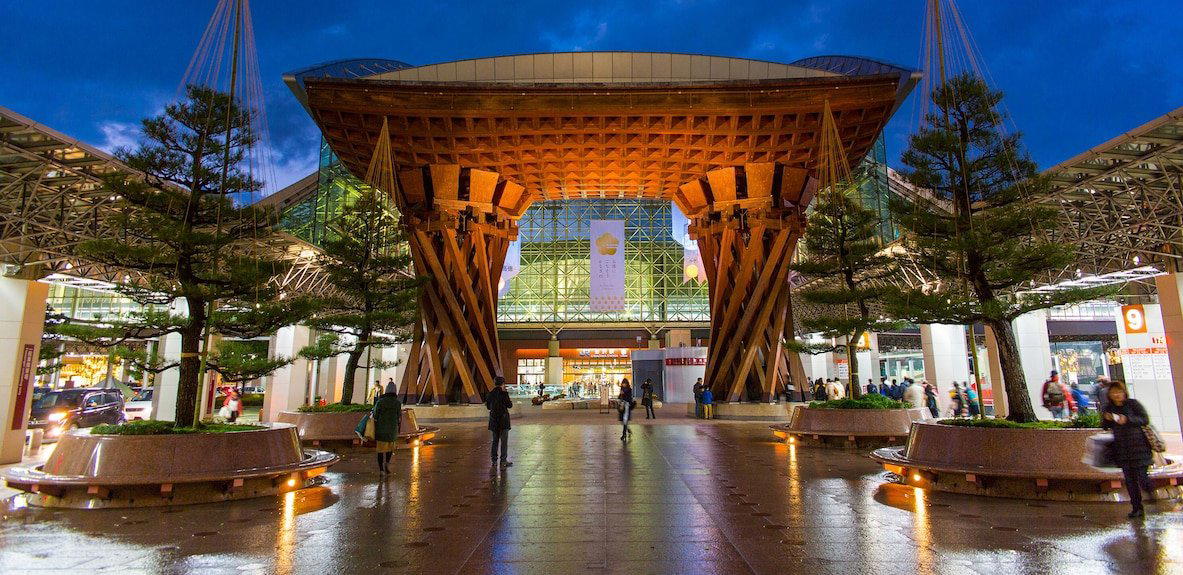
Kanazawa is accessible by Shinkansen from Tokyo in approximately two and a half hours via the Hokuriku Shinkansen, which extended to Tsuruga in March 2024, making the city more reachable from Osaka and Kyoto as well. The journey itself passes through Toyama Prefecture and offers a shift in landscape that marks the transition to the Sea of Japan coast. Within Kanazawa, the Kiguramachi address for Sakai is walkable from the central Katamachi district, though taxis from Kanazawa Station take under fifteen minutes.
Given that the city's serious restaurants operate without the international profile that drives Michelin-listed venues to extend booking windows, reservation lead times in Kanazawa vary significantly by address. For any restaurant in the Sakai price and format tier, contacting the venue directly and allowing at least two to three weeks before your visit is the conservative approach. The city's dining options span a wide range: Go! Go! Curry, where Kanazawa-style curry occupies a distinct regional category, sits at one end; Sakai's quieter, more considered offering sits considerably further along the spectrum. Dokkan and Budoonomori Les Tonnelles represent additional reference points for the range of serious dining the city now supports.
For a fuller view of Kanazawa's dining scene across cuisines and price points, the EP Club Kanazawa restaurants guide covers the city's full range with the same editorial depth applied here.
Frequently asked questions
Where exactly is Sakai?
Sakai is located at 6-8 Kiguramachi, Kanazawa, Ishikawa 920-0988, Japan, Kanazawa.
How does Sakai's location in Kiguramachi shape the dining experience?
Kiguramachi is one of Kanazawa's preserved historic districts, and dining there carries a different context than eating in a modern commercial block — the neighbourhood itself is part of what a visit to Sakai means. Kanazawa has long functioned as a counterpoint to Kyoto, maintaining a living craft and food culture without the tourist density, and Kiguramachi sits near the centre of that reputation. Sakai's address at 6-8 Kiguramachi places it directly within the district that has produced several of the city's most respected culinary names.
What dish is Sakai famous for?
Sakai works within the Kaga cuisine tradition, which draws on Ishikawa Prefecture's distinct seasonal ingredients — including local seafood from the Sea of Japan and mountain vegetables particular to the Hokuriku region.
Should I book Sakai in advance?
Kanazawa's serious dining addresses, particularly those in Kiguramachi, are sought after by both domestic Japanese travellers and an increasing number of international visitors arriving via the Hokuriku Shinkansen. Booking well ahead is the standard approach for any restaurant operating at this level in the city. Sakai's contact and reservation details are best confirmed through local concierge services or current Japanese dining platforms.
What is Sakai known for?
Sakai is known as a representative of Kaga cuisine, the culinary tradition specific to the Kanazawa region that has shaped Ishikawa's dining identity for centuries. Its standing rests on the rigour of that regional tradition rather than on international award cycles.
A Quick Peer Check
A quick peer check to anchor this venue’s price and recognition.
| Venue | Cuisine | Price | Awards | Notes |
|---|---|---|---|---|
| SakaiThis venue — the venue you are viewing | Japanese Kaiseki | $50–100 | Not listed | Not listed |
| Kataori | Hyperseasonal Hokuriku Kaiseki Omakase | $200–300 | World's 50 Best #82 · La Liste Top Restaurants | Kaiseki |
| Respiracion | Modern Spanish with Kanazawa Ingredients | $200–300 | World's 50 Best #92 · La Liste Top Restaurants | Innovative Spanish |
| Sushi Kibatani | Edomae-Style Hokuriku Omakase | $150–200 | Tabelog Bronze #174 | Chinese |
| Zeniya | Kaga-Style Kaiseki | $200–300 | La Liste Top Restaurants · Relais Chateaux Award | Kaiseki |
| Hamagurizaka Maekawa | Yakitori | $150–200 | Not listed | Not listed |