貴船 sits in Kanazawa's Hikosomachi district, operating within a city that has built one of Japan's most coherent regional food cultures around Kaga cuisine and Sea of Japan seafood. With almost no public-facing information — no listed menu, no published phone number — it functions largely through local knowledge and repeat patronage, the kind of place that earns loyalty precisely because it doesn't solicit it.
Pearl is the En Primeur Club membership app — saves, bookings, and concierge access live there. Same editors, same standards.
- Address
- Japan, 〒920-0901 Ishikawa, Kanazawa, Hikosomachi, 1 Chome−9−69 料理貴船
- Phone
- +81762206131
- Directions
- Get directions
 Saves & bookings on Pearl
What the Absence of a Sign Tells You
In Kanazawa, the restaurants that require the least explanation often demand the most from the people who find them. The city's dining culture has developed over centuries around Kaga ryori, the regional kaiseki tradition shaped by the Maeda clan's patronage of craft and culinary refinement, and that culture still produces establishments that assume a certain prior knowledge from their guests. 貴船, addressed simply to Hikosomachi 1-chome in the 920-0901 postal district, belongs to that category. There is no published phone number in wide circulation, no website, no menu posted online. What exists is an address and, among Kanazawa regulars, a reputation passed between people who already know where to look.
That information gap is itself a trust signal in a city that has long operated on the assumption that the right people will find the right places. Kanazawa's food scene sits apart from Tokyo and Osaka in part because its premium tier is not organised around visibility. Venues like Zeniya and Kataori carry kaiseki lineage that is well-documented, but the city also sustains a quieter tier of dining rooms whose reputations circulate almost entirely by word of mouth. 貴船 occupies that quieter tier.
The City Behind the Venue
Understanding what 貴船 represents requires understanding what Kanazawa has historically produced. The city sits on the Sea of Japan coast in Ishikawa Prefecture, giving its kitchens access to crab, yellowtail, and shellfish that arrive with a different character than what reaches Tokyo's wholesale markets — shorter transit times, seasonal rhythms tied to local fishing rather than national distribution logistics. Kaga cuisine formalises that access through specific preparations: jibuni (duck simmered in dashi with wheat flour), kabu-mushi (sea bream steamed on turnip), and various styles of preserved or slow-cooked seasonal produce that reflect the region's cold winters and the preservation techniques that shaped them.
That culinary foundation underpins almost every serious dining room in the city, whether kaiseki-format or not. Restaurants as different in register as the French-inflected Budoonomori Les Tonnelles and the traditional sweet-focused Amanatto Kawamura operate against this same regional backdrop, drawing on local ingredient networks even when the format diverges from kaiseki orthodoxy. 貴船's Hikosomachi address places it within walking distance of the historic centre, in the kind of residential-commercial mix that Kanazawa's older dining rooms have always occupied.
The Regulars' Calculus
Places with no public-facing infrastructure — no booking portal, no English-language presence, no social media footprint, sustain themselves through return visits. That dynamic shapes both the clientele and the kitchen's approach. When a restaurant does not need to explain itself to strangers, it can spend its energy on the people who already understand the format. This produces a particular kind of dining rhythm: courses that shift with season and supply rather than menu engineering, preparations that build on what a returning guest already knows to expect, and an unwritten contract between kitchen and table that unfolds over multiple visits rather than one.
In practice, this means that asking what regulars order at 貴船 is less useful than asking what they return for. The answer, in establishments of this type, is almost always consistency within variation: the same disciplined approach to Kaga ingredients, applied differently as the calendar moves from the sweet shrimp and crab of winter through the lighter fish and vegetable preparations of spring and summer. The Sea of Japan supplies a clear seasonal logic, and kitchens that have operated for years in this environment tend to be more responsive to that logic than to trend cycles. For comparison, Gion Sasaki in Kyoto operates on a similar principle of seasonal fidelity within a kaiseki framework, while HAJIME in Osaka applies seasonal thinking within a more contemporary register.
The Hikosomachi neighbourhood itself supports this regulars-first logic. It is not a district that draws significant foot traffic from tourists, which means the clientele is self-selecting: people who have sought the address out, rather than people who wandered in. That filtering mechanism is part of the experience at venues like this, and it is partly why the sparse public profile does not suggest obscurity so much as deliberate calibration.
Placing 貴船 in a Wider Context
Kanazawa's dining tier spreads across formats in ways that other regional Japanese cities do not always replicate. A visitor comparing their options might also consider Dokkan for a different register of local produce, or Hakuichi for a gold-leaf-focused cultural experience. The city also has a casual everyday tier that functions as a point of contrast: Go! Go! Curry represents the Kanazawa curry tradition, a local fast-food culture that sits at the opposite end of the formality spectrum from the kaiseki rooms but is no less specific to the city.
Across Japan's regional dining scene, venues that operate with minimal public infrastructure tend to cluster at either end of the quality distribution: the very informal, or the quietly serious. Given 貴船's address in the older residential part of central Kanazawa and its apparent word-of-mouth model, it fits the pattern of the latter. For reference, similarly word-of-mouth establishments in other regions include Goh in Fukuoka, akordu in Nara, and Abon in Ashiya, all of which operate in smaller-city contexts with strong local clientele bases. Internationally, the principle of the low-profile serious dining room appears across formats: Le Bernardin in New York City and Lazy Bear in San Francisco both built sustained followings on kitchen credibility rather than marketing volume, though in contexts with far greater institutional visibility. Elsewhere in Japan, Harutaka in Tokyo, affetto akita in Akita, Aji Arai in Oita, Ajidocoro in Yubari District, and Akakichi in Imabari each represent the same regional-city logic: places that earn their reputations without press campaigns.
Planning Around Uncertainty
The practical challenge with 貴船 is that arriving without a connection is genuinely difficult. No published booking method appears in accessible sources, which means the most reliable approach is through local concierge networks, hotel staff at Kanazawa's better-connected properties, or Japanese-speaking contacts who can make an enquiry directly. Walk-in access at venues of this type is rarely viable during peak periods, particularly the winter crab season from November through March when demand on Kanazawa's better dining rooms is at its highest. Visiting outside those months, or with a local intermediary, increases the probability of a table substantially. The address, Hikosomachi 1-chome-9-69, Kanazawa, is specific enough to navigate to without difficulty, but getting there is the simpler half of the problem. For broader orientation before committing to a specific booking strategy, our full Kanazawa restaurants guide maps the city's dining tiers and provides context for how the various neighbourhoods function.
Cuisine and Credentials
| Venue | Cuisine | Awards |
|---|---|---|
| è²´è¹This venue — the venue you are viewing | This venue | Not listed |
| Kataori | Kaiseki | Kaiseki |
| Respiracion | Innovative Spanish | Innovative Spanish |
| Zeniya | Kaiseki | Kaiseki |
| Sushi Kibatani | Chinese | Chinese |
| Hamagurizaka Maekawa | Yakitori | Yakitori |
Continue exploring
More in Kanazawa
Restaurants in Kanazawa
Browse all →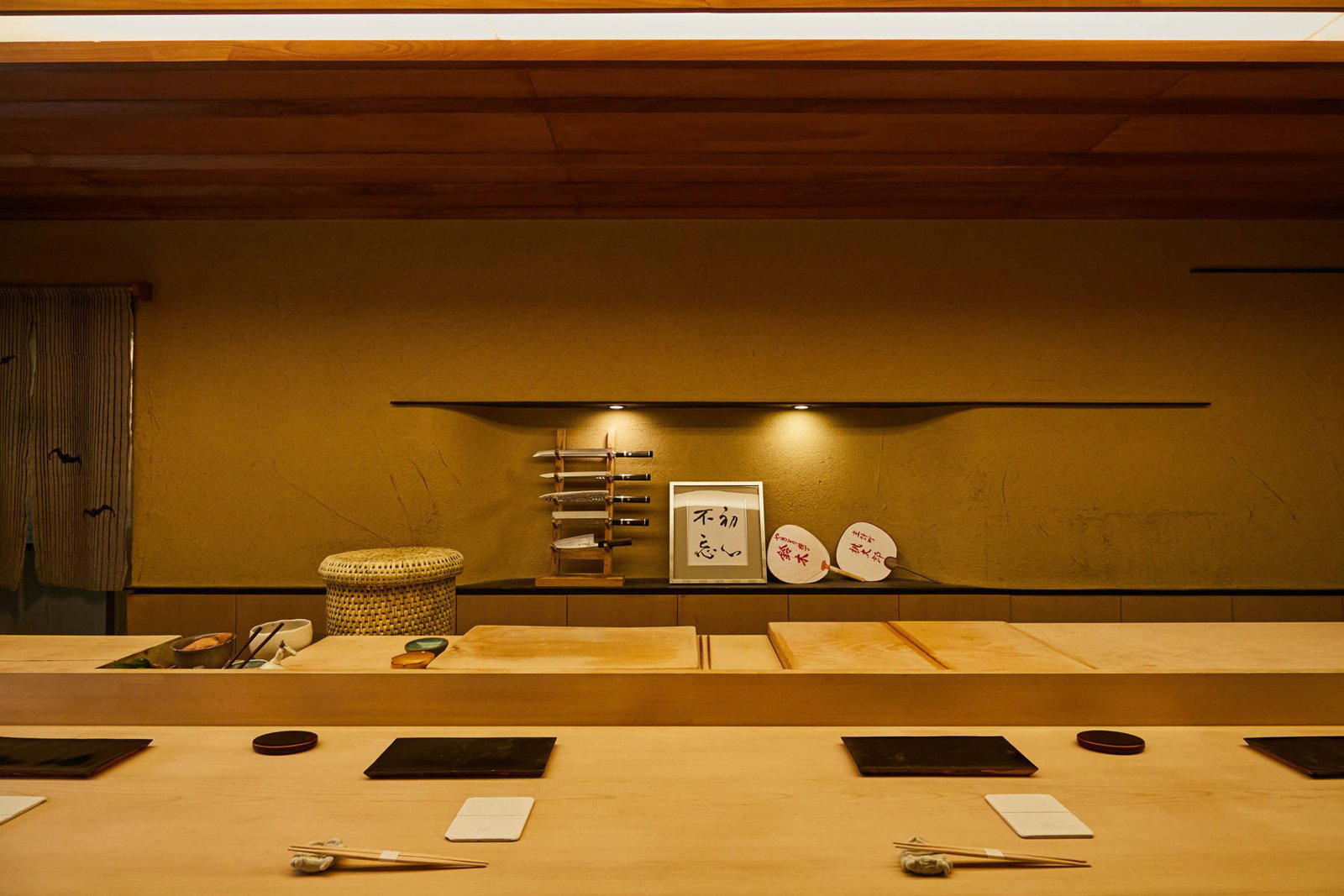
Bars in Kanazawa
Browse all →
Hotels in Kanazawa
Browse all →
Wineries in Kanazawa
Browse all →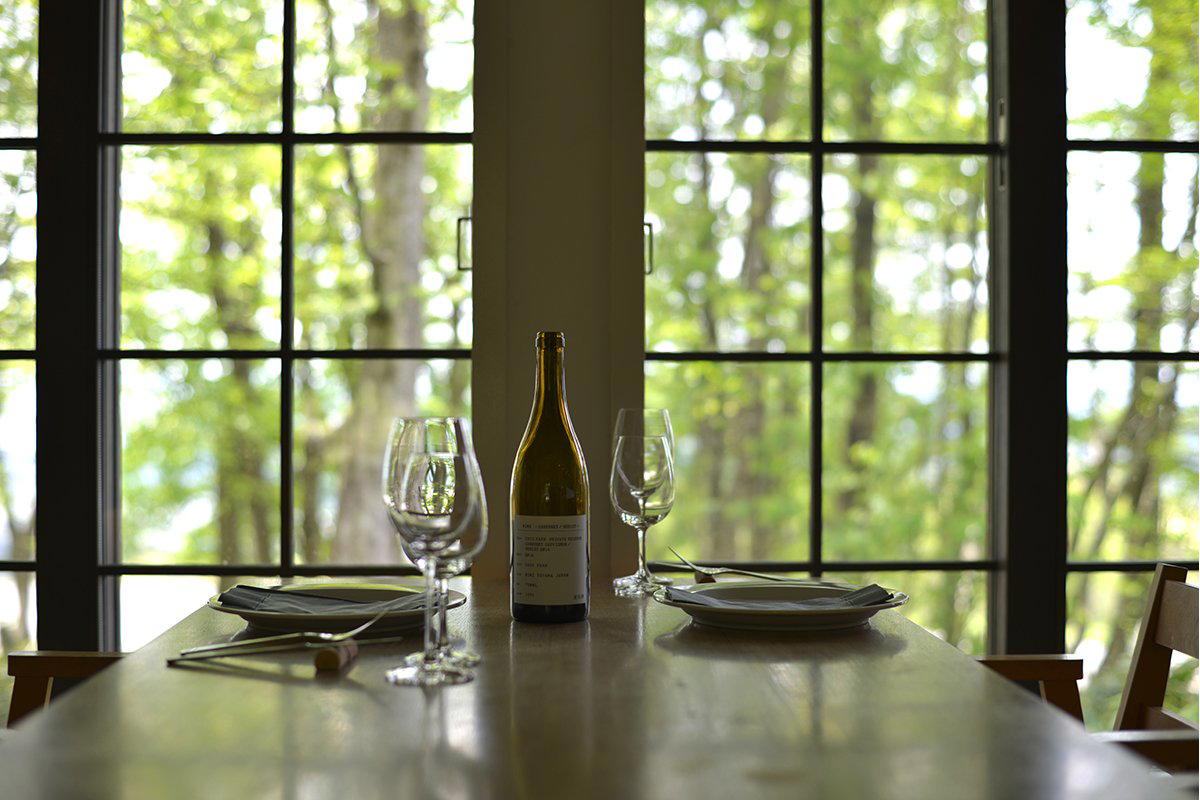
At a Glance
- Elegant
- Intimate
- Sophisticated
- Classic
- Special Occasion
- Date Night
- Celebration
- Open Kitchen
- Standalone
- Sake Program
- Local Sourcing
- Garden
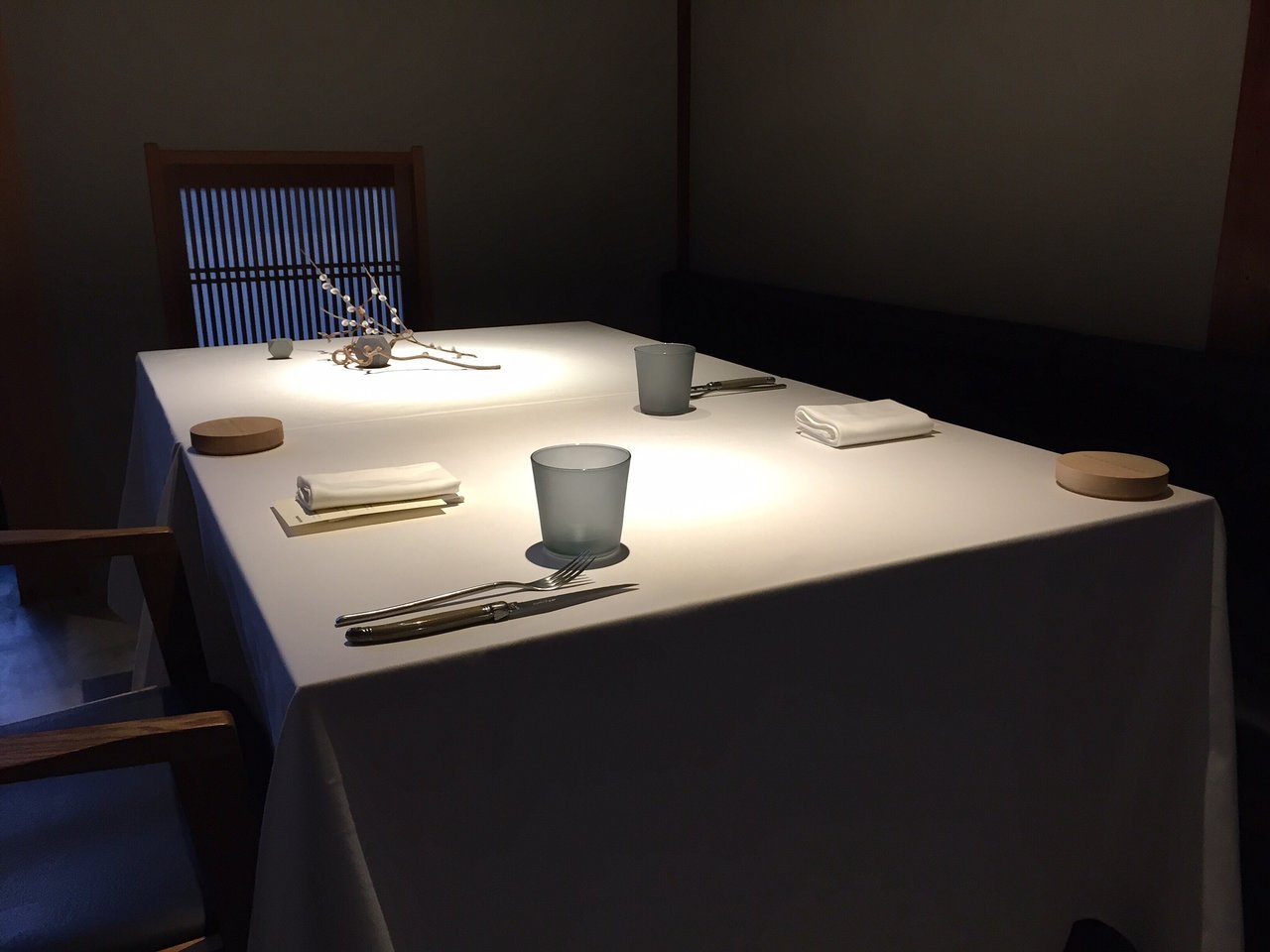
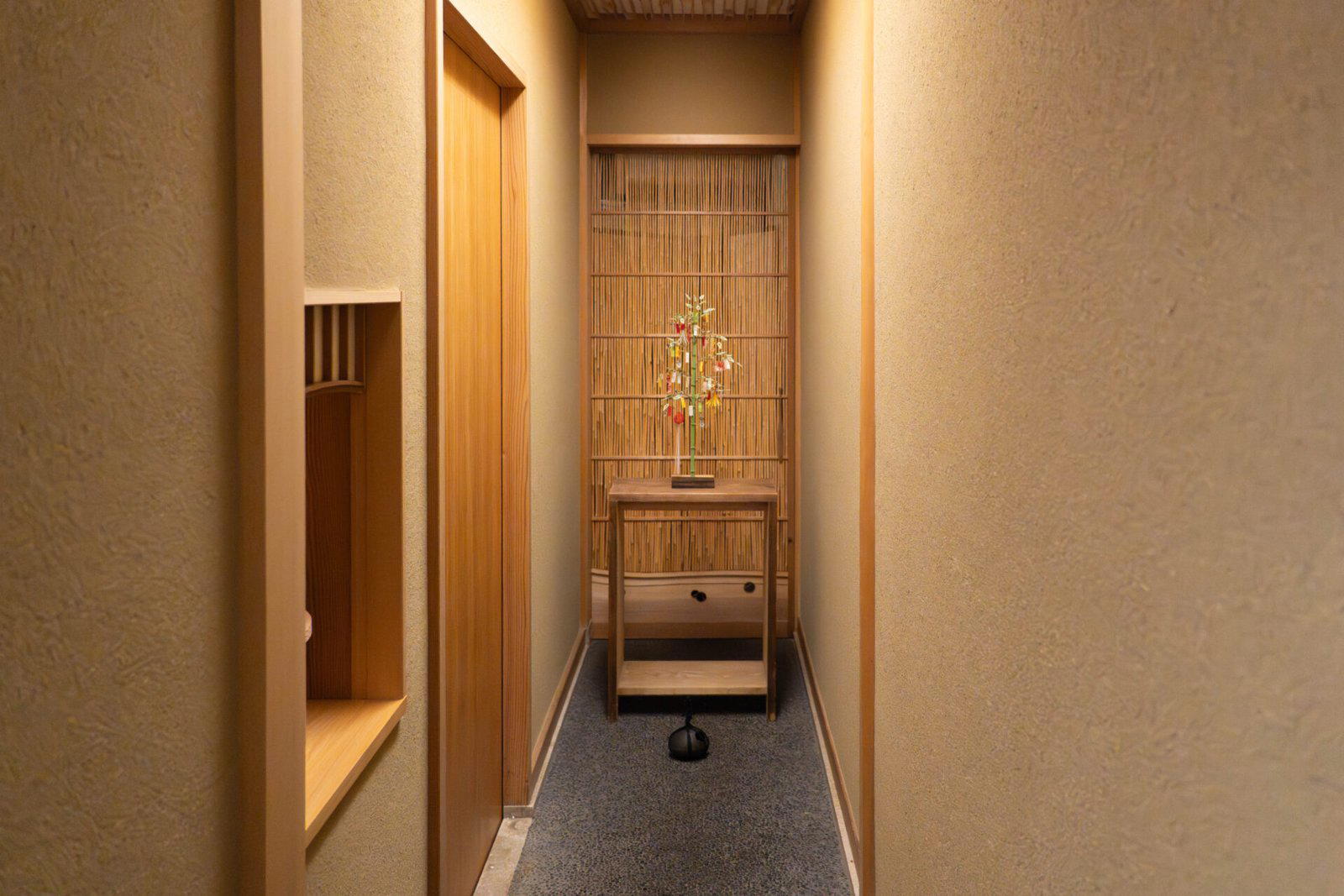
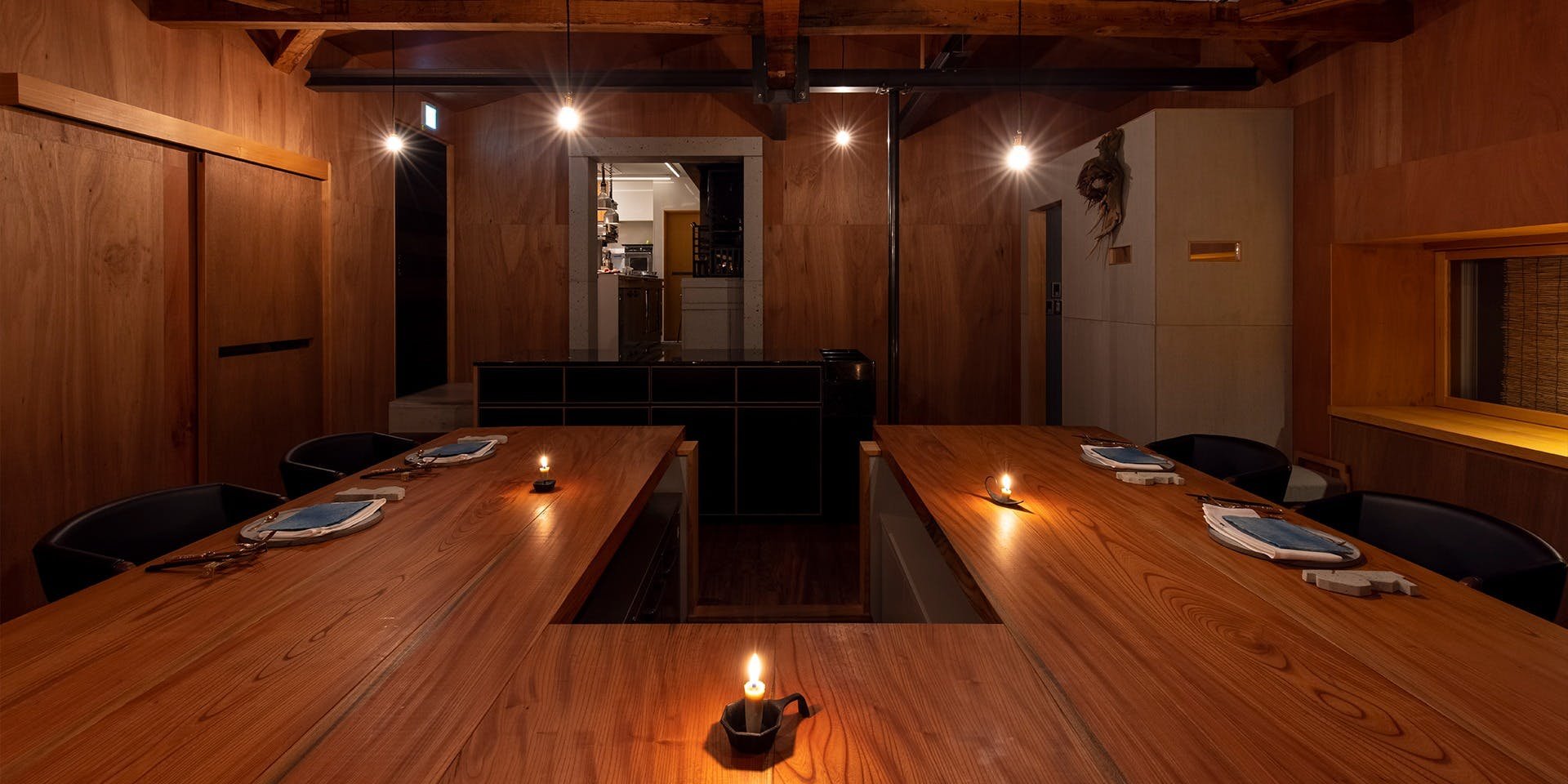
Refined and serene with soft lighting, traditional wooden interiors, and a contemplative atmosphere that honors Japanese aesthetic principles.
Know Before You Go
- Getting there
- Japan, 〒920-0901 Ishikawa, Kanazawa, Hikosomachi, 1 Chome−9−69 料理貴船