Our verdict
Kanazawa's sushi tradition draws on one of Japan's most celebrated seafood regions, and Sushi Hachiya operates within that lineage. The restaurant sits in a city where proximity to the Sea of Japan and a deeply rooted craft culture set the baseline expectations for omakase dining. For visitors already familiar with Tokyo or Kyoto's top counters, Hachiya offers a regional perspective worth understanding on its own terms.

Pearl is the En Primeur Club membership app, where members save venues, book tables and use the concierge.
Where Kanazawa's Seafood Culture Meets the Counter
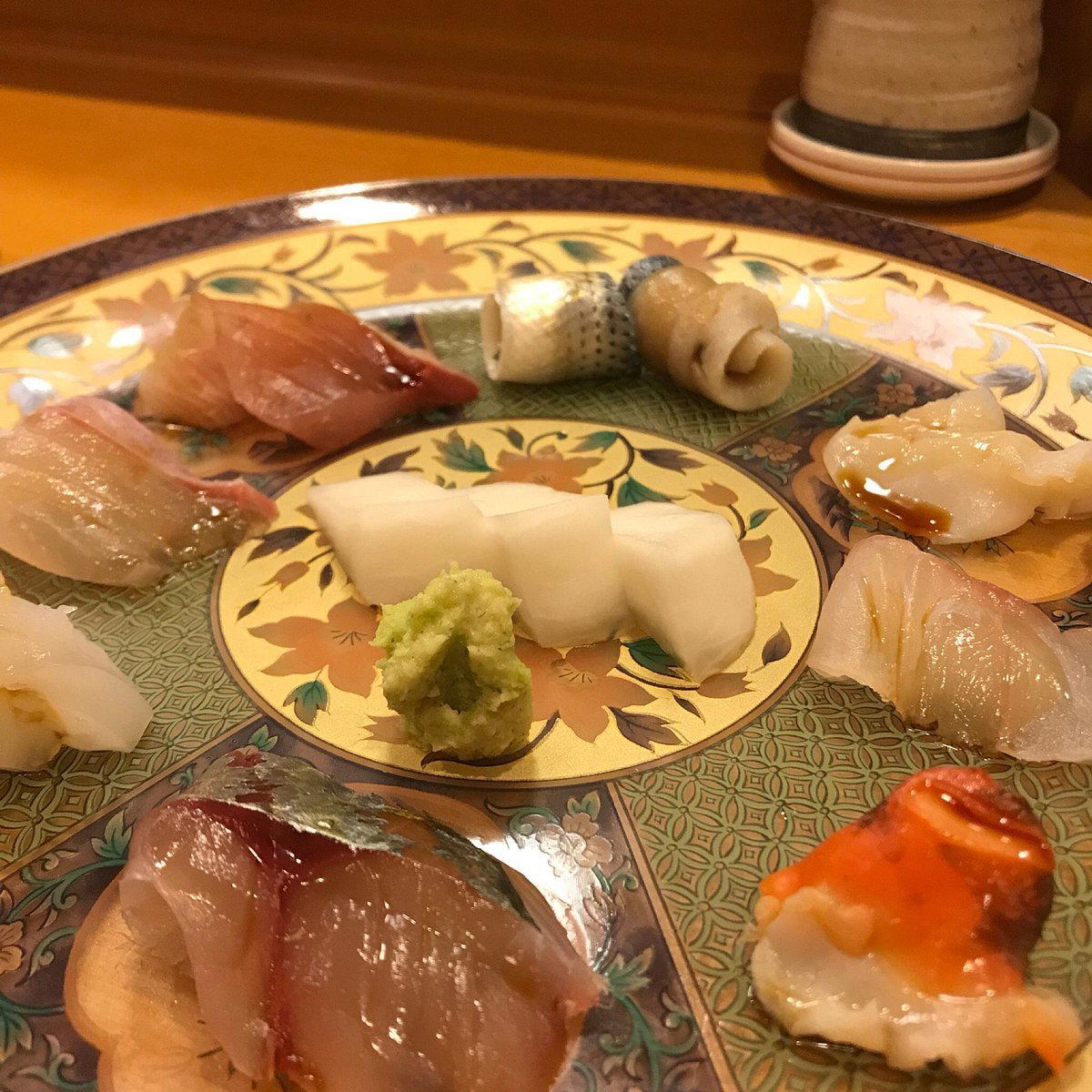
Approach Kanazawa's older dining quarters on a grey afternoon and the city reads differently from Japan's more touristed food destinations. There is less performance here, less theatrical queue-management. The restaurants that matter tend to occupy narrow frontages on streets that don't announce themselves, and the assumption is that guests already know why they've come. Sushi Hachiya fits that pattern. It is a counter-format sushi restaurant in a city that has earned its reputation for seafood not through marketing but through sustained geographic advantage: the Sea of Japan delivers crab, bream, and yellowtail to Kanazawa's Omicho Market with a regularity and variety that justifies the city's status as one of Japan's serious fish destinations.
That regional foundation matters more than it might seem. Kanazawa's sushi tradition is not a satellite of Tokyo's Tsukiji-era counter culture. It developed alongside the city's kaiseki lineage, sharing an emphasis on seasonal precision and restrained presentation. Venues like Dokkan and the kaiseki houses Amanatto Kawamura represent one pole of that tradition; sushi counters like Hachiya represent another, but the underlying logic of letting seasonal, local product carry the meal is shared across both formats.
Kanazawa as a Sushi City: Context Before Counter
Japan's premium sushi conversation defaults to Tokyo, with occasional acknowledgment of Kyoto's influence through kaiseki crossover. Kanazawa sits outside that axis but has credible claims on any serious itinerary. The city's access to Noto Peninsula seafood, combined with a craft culture that permeates every local industry from lacquerware to gold-leaf production, produces a dining sensibility that values precision and material quality over novelty. For context, compare the Tokyo counter experience at a venue like Harutaka in Tokyo, where Tsukiji-era sourcing networks and metropolitan competition define the register, against the quieter, regionally anchored rhythm of a Kanazawa counter. The differences are instructive rather than hierarchical.
Kanazawa's sushi counters also price differently from their Tokyo equivalents. The city's cost structure, lower rent, smaller tourist premium, and a local clientele with deep expectations but less appetite for theatrical luxury pricing, tends to position even serious omakase counters at a more accessible point than comparable Tokyo seats. This is not a signal of lower quality; it reflects a different market logic. Visitors accustomed to the allocation systems and advance-booking windows of leading Tokyo counters, such as those required for Harutaka, may find Kanazawa's counters somewhat more reachable, though serious seats still require planning.
The Dining Format and What It Demands
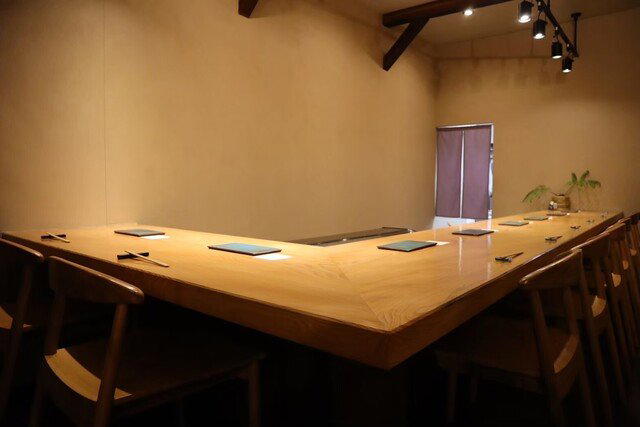
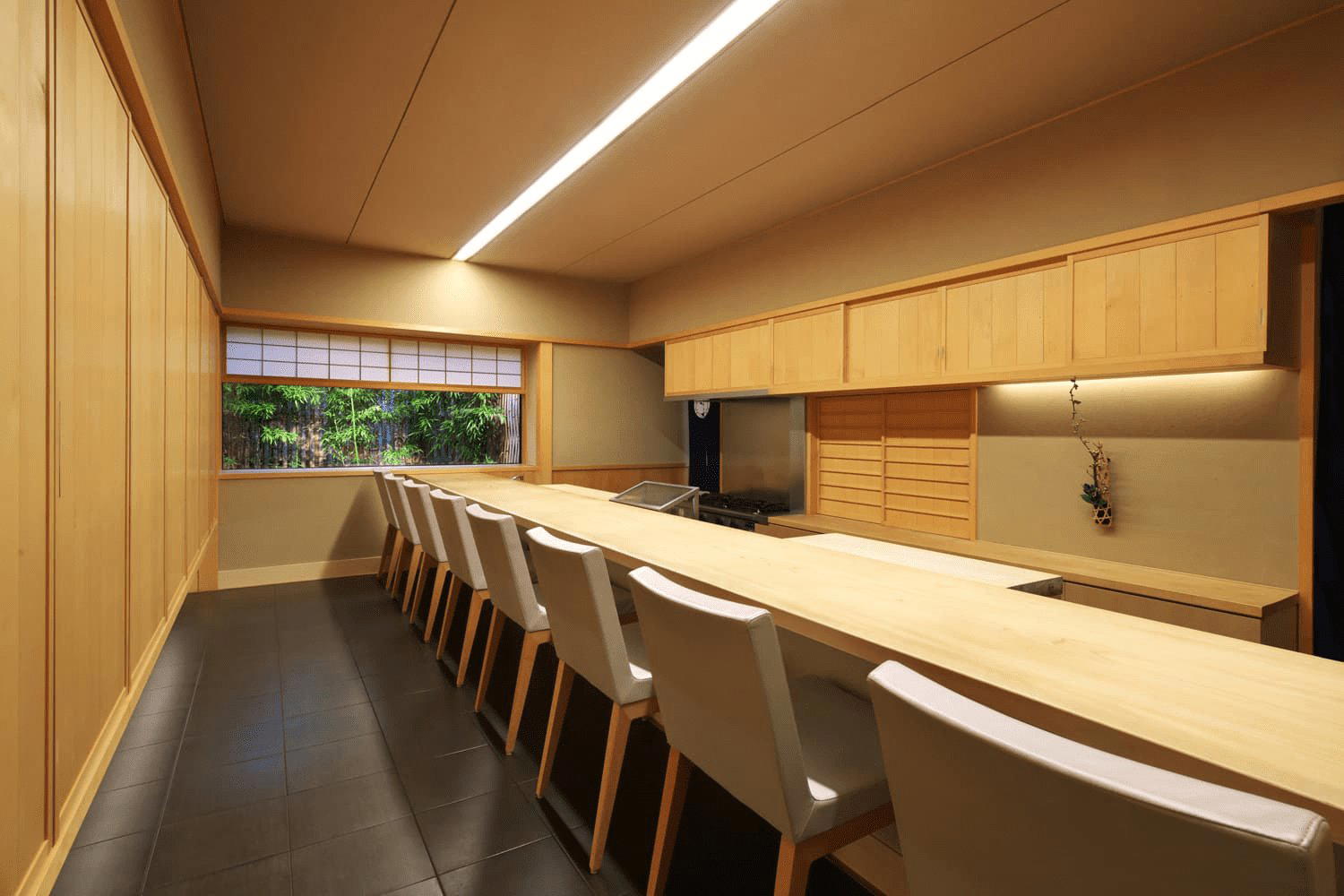
Omakase counter dining in a city like Kanazawa operates on a rhythm that is set by the kitchen, not the guest. The format assumes a degree of flexibility, a willingness to eat what is seasonal rather than what is requested, and an understanding that the meal's pacing is part of its argument. Kanazawa's proximity to the Sea of Japan means winter months bring Kano crab in abundance, and autumn shifts emphasis toward the rich, fatty fish that the cold water produces. A counter visit in January carries a very different seasonal logic from one in July, and serious guests plan accordingly.
Compared to the French-influenced innovation visible at Budoonomori Les Tonnelles in the same city, or the more casual register of Go! Go! Curry, a sushi counter like Hachiya occupies the traditional, craft-focused tier where the product and technique speak for themselves without conceptual framing. It is a different proposition from the inventive kaiseki at Gion Sasaki in Kyoto or the precision-led format of HAJIME in Osaka, but it sits within the same broader category of Japanese fine dining where material quality and technical discipline define the experience rather than theatrical presentation.
Planning a Visit: What to Know
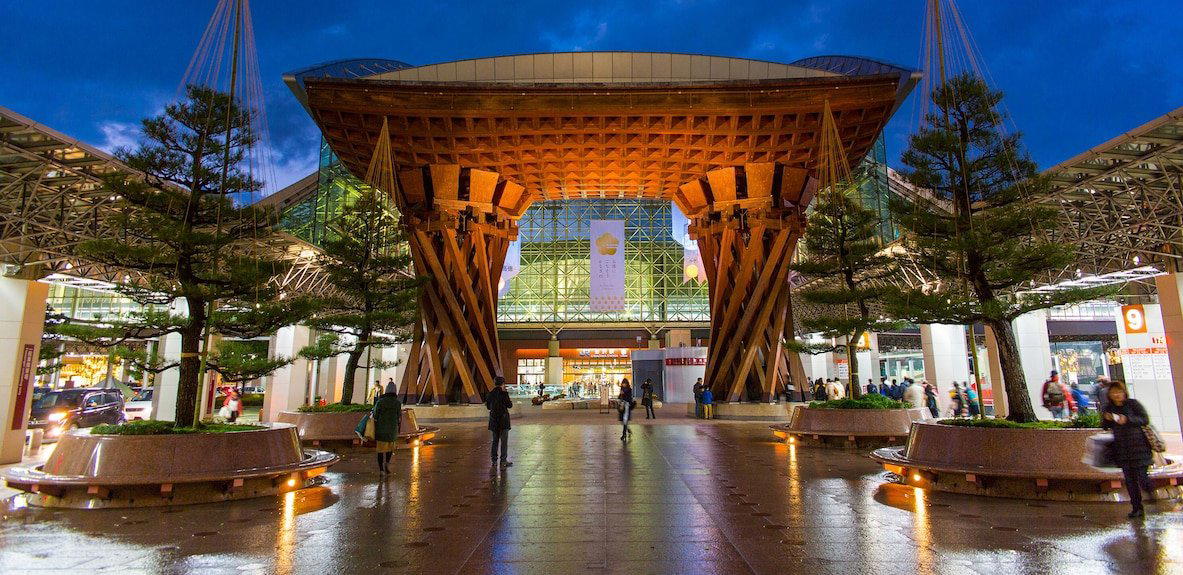
Counter seats at serious Kanazawa sushi restaurants are finite by definition, and Hachiya is no exception. Reservations made through the restaurant directly, or via a hotel concierge with established local relationships, represent the most reliable path for international visitors. Kanazawa is accessible by Shinkansen from Tokyo, a journey of roughly two and a half hours on the Hokuriku line, which opened to Kanazawa in 2015 and significantly changed the city's position on the Japan travel circuit. For visitors building a broader Hokuriku itinerary, the region's dining options extend into neighbouring prefectures: the counter at 三本木 石川県 in Nanao, within Ishikawa Prefecture, represents the kind of regional discovery that a Kanazawa base makes logistically sensible.
The city's dining scene rewards guests who go beyond the central Kenroku-en tourist corridor. Hakuichi anchors one dimension of Kanazawa's food culture; sushi counters anchor another. Visitors building a multi-day Kanazawa program can consult our full Kanazawa restaurants guide for a broader view of where the city's dining sits across categories and price points. For those planning wider Japan itineraries, reference points outside Kanazawa include Goh in Fukuoka, akordu in Nara, and the distinct regional registers represented by 北海道山之 in Sapporo and 湖鄰庵 in Takashima.
Frequently asked questions
Is Sushi Hachiya formal or casual?
Counter omakase dining in Kanazawa sits closer to formal than casual in practice. The format is chef-led and paced by the kitchen, which places implicit expectations on guests around punctuality and attention. Quiet dress and reserved conduct are the norm at serious sushi counters in the city, and Hachiya is no exception to that local standard.
How does Sushi Hachiya compare to Tokyo omakase counters for travelers focused on Sea of Japan fish?
Kanazawa's geographic position on the Sea of Japan coast gives restaurants like Hachiya direct access to species, including locally prized winter crab and cold-water flatfish, that Tokyo counters source from greater distance. The city's sushi culture developed largely outside Tokyo's competitive spotlight, producing a counter tradition with its own pacing and seasonal logic. For travelers whose focus is on Japan Sea seafood rather than prestige-address dining, Kanazawa offers access that the capital cannot replicate at the same supply proximity.
What's the best thing to order at Sushi Hachiya?
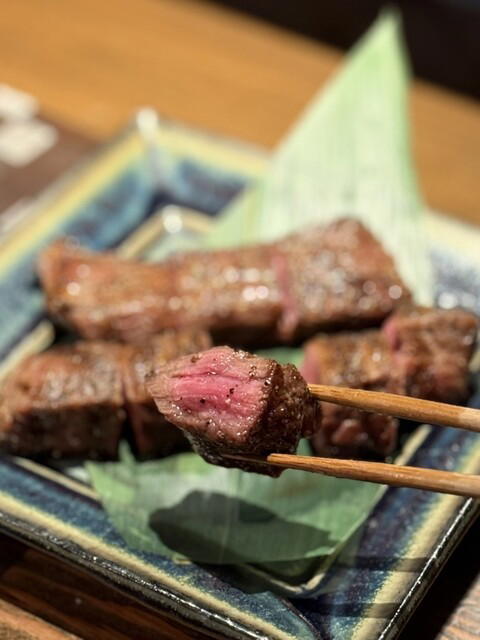
Omakase counters do not work from an à la carte menu, so ordering is not part of the format. The chef determines the sequence based on the day's fish, which in Kanazawa means access to Sea of Japan catches that Tokyo restaurants rarely see at the same proximity. The full counter progression is the only way to experience what Hachiya offers.
Do they take walk-ins at Sushi Hachiya?
Counter seats at serious Kanazawa sushi restaurants are finite by definition, and a walk-in strategy carries real risk of being turned away. Reservations made through the restaurant directly are the expected approach. Given Kanazawa's growing profile as a sushi destination, securing a booking well in advance is advisable.
What has Sushi Hachiya built its reputation on?
Hachiya operates within Kanazawa's distinct seafood culture, a city whose proximity to the Sea of Japan and historical distance from Tokyo's dining trends has produced a sushi tradition that runs parallel to, rather than derivative of, the capital's. The counter format concentrates that regional identity into a single sitting, with fish sourced from waters that give Kanazawa its edge over landlocked competitors.
Do they accommodate allergies at Sushi Hachiya?
Omakase counters are structured around a fixed progression designed by the chef, which makes significant dietary restrictions difficult to accommodate without prior communication. Guests with allergies or strict dietary requirements should raise them at the time of reservation, not on arrival. Kanazawa counters at this level typically require advance notice to adjust any part of the sequence.
Cuisine and Recognition
Comparable venues nearby, for context on price, style, and recognition.
| Venue | Cuisine | Price | Awards | Notes |
|---|---|---|---|---|
| Sushi HachiyaThis venue (the venue you are viewing) | Kanazawa Seasonal Sushi | $100–150 | Not listed | Not listed |
| 木佐貫 | Kanazawa Kaiseki Omakase | $200–300 | Tabelog Silver #57 | Tokiwamachi |
| 蕎味 櫂 | Kappo-Style Kaiseki | $200–300 | Tabelog 100 #28 | Kanazawa |
| 八や | Omakase Sushi | $100–150 | Not listed | Shimeno Nakamachi |
| A_RESTAURANT | Innovative Japanese Omakase | Not listed | Tabelog 100 #50 | Kanazawa |
| さかい | Japanese Kaiseki | $50–100 | Not listed | Kiguramachi |
Recognition history
Dated appearances from independent guides and award organizations, with the underlying list record or original source where available.
Opinionated About Dining Top Restaurants in Japan Recommended
Opinionated About Dining