
A Michelin Plate-recognised address in Shimogyo Ward where sake-and-wine pairings anchor a menu that moves freely between Japanese, Chinese, Western, and ethnic influences. COPPIE operates from a converted machiya, and the chef's command of fermentation sets the kitchen's flavour profile apart from Kyoto's kaiseki mainstream.
Pearl is the En Primeur Club membership app — saves, bookings, and concierge access live there. Same editors, same standards.
- Address
- Japan, 〒600-8353 Kyoto, Shimogyo Ward, Takatsujiinokumacho, 367番地
- Phone
- +81 50-3139-1491
- Website
- coppie-shouten.com
- Directions
- Get directions
 Saves & bookings on Pearl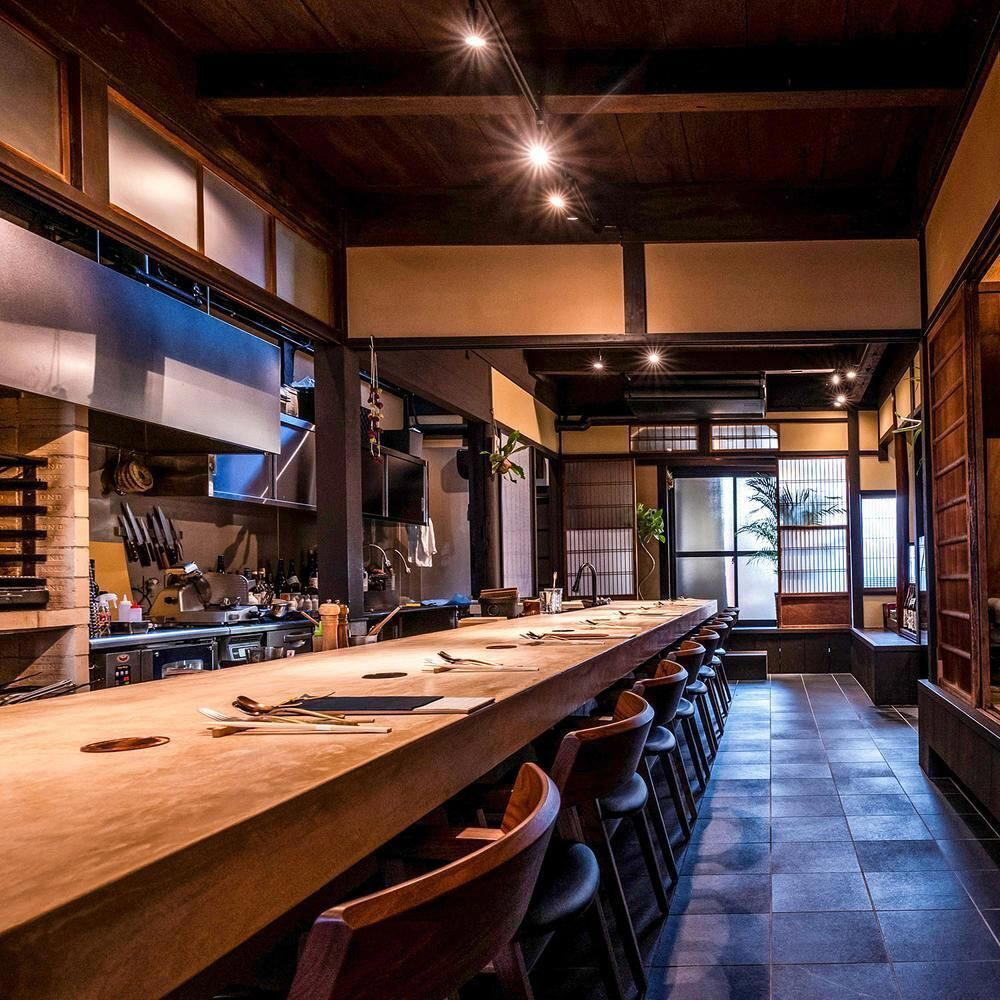
Walking Into the Room
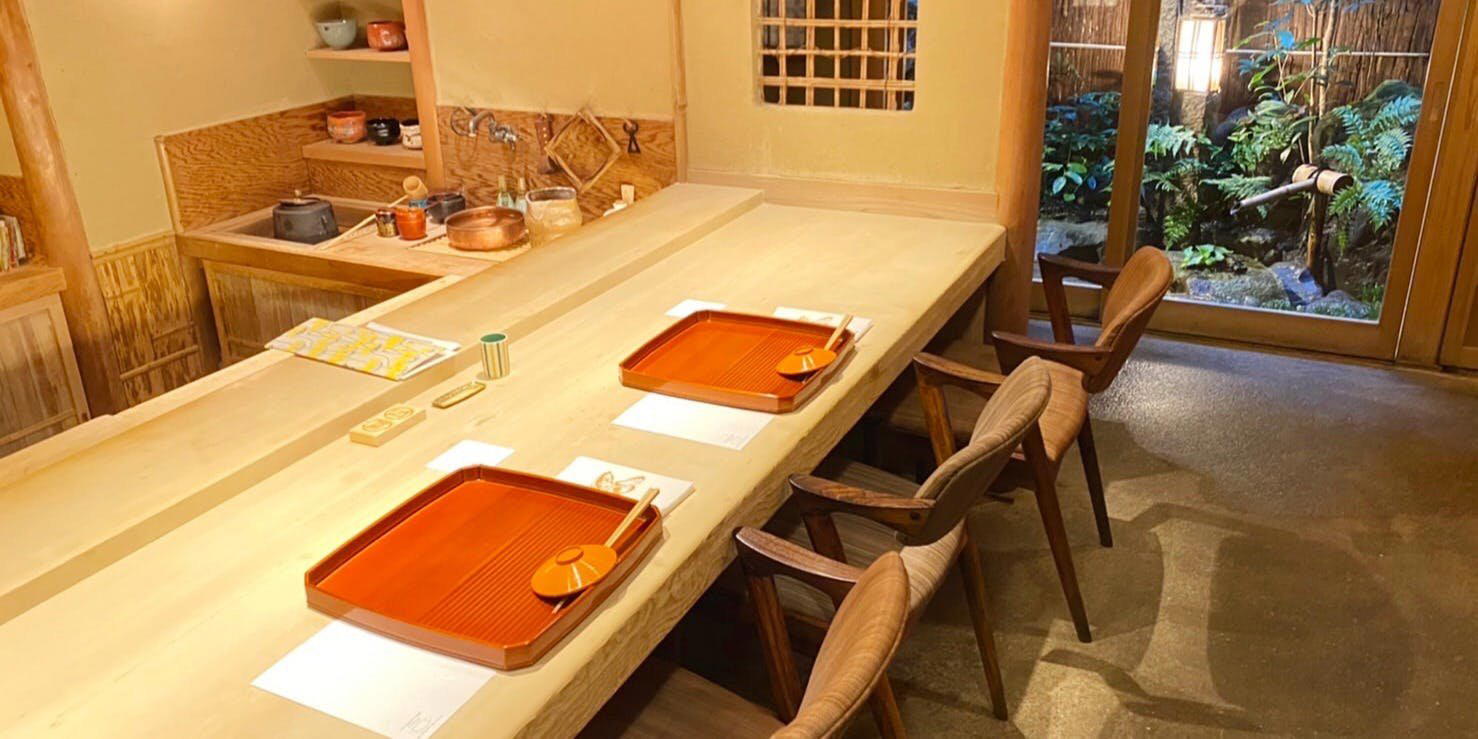
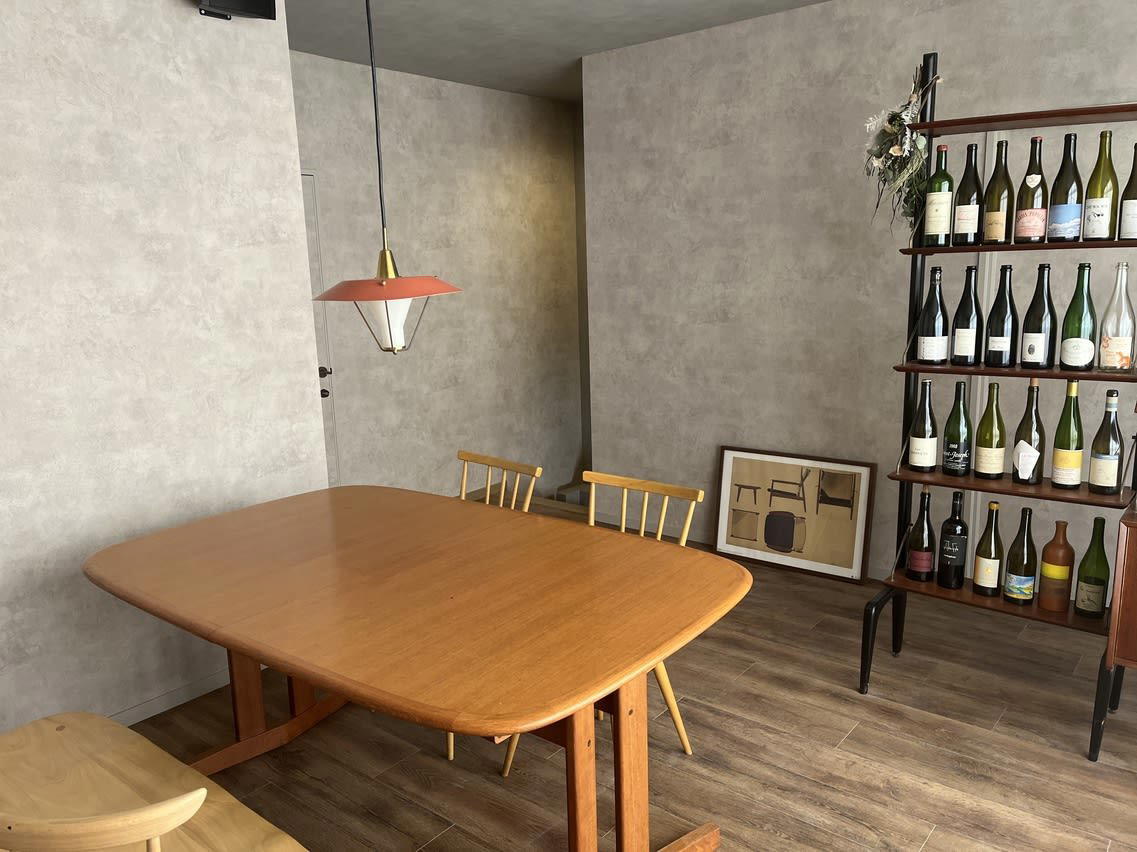
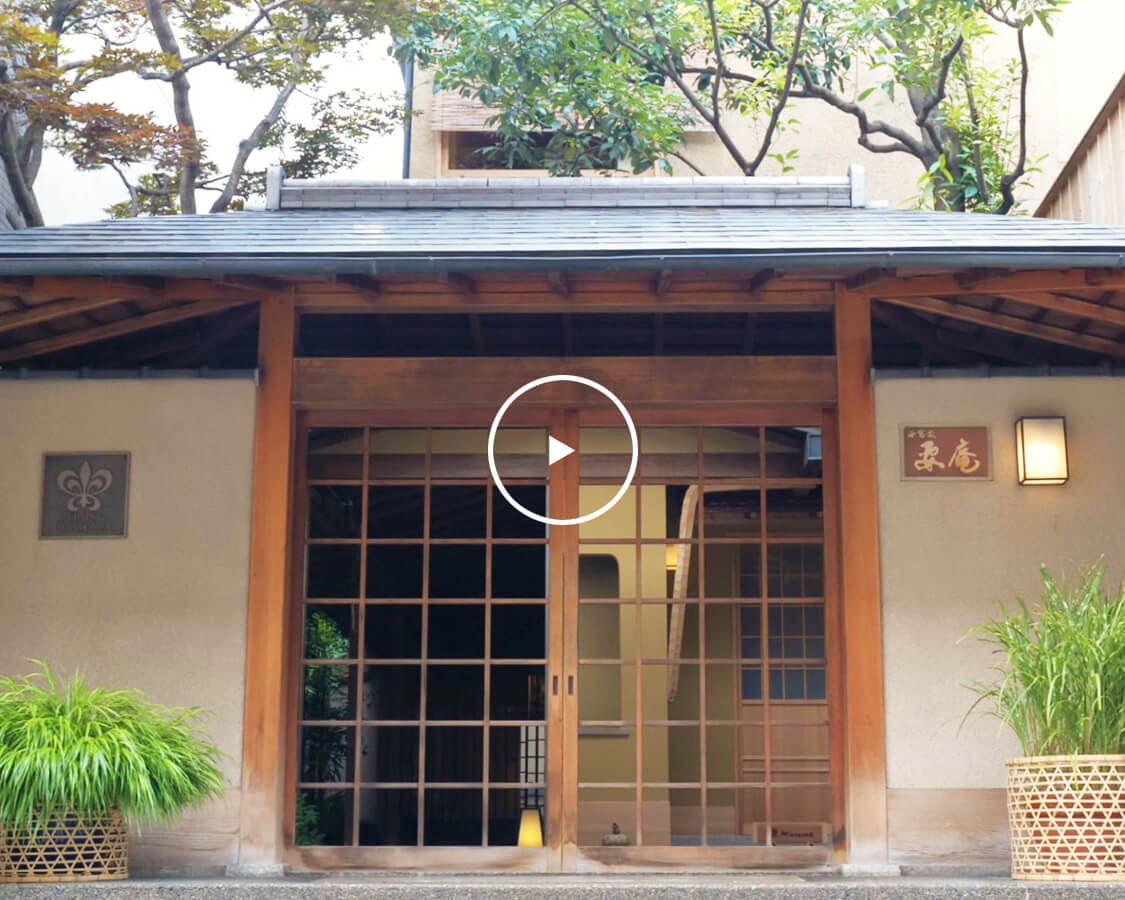
COPPIE is a restaurant in Kyoto's Shimogyo Ward, serving modern Japanese izakaya with Italian fusion at a smart casual, reservation-essential address. Its converted Japanese-style house reads less as a designed concept and more as an inherited one, the kind of place where the architecture does the atmospheric work before a single dish arrives. Aproned staff greet guests in a way that resembles a domestic welcome rather than a restaurant entrance, which tells you something about how the evening is meant to proceed.
That register, somewhere between a private dining room and a neighbourhood fixture, is precisely the type of room that builds regulars. In Kyoto's restaurant culture, where the kaiseki tradition commands a great deal of the attention and the higher price brackets, a mid-range address running on warmth and curiosity occupies a different social niche. It becomes the place people return to without an occasion.
What the Kitchen Is Doing
The dominant mode of Kyoto fine dining sits firmly in the kaiseki tradition. Places like Gion Sasaki, Ifuki, and Kyokaiseki Kichisen operate at the ¥¥¥¥ tier with Michelin star recognition and centuries of formal Japanese culinary grammar behind them. COPPIE prices at ¥¥¥, and the kitchen operates on entirely different logic. The chef declines to bind the menu to any single genre, working across Japanese, Chinese, Western, and ethnic influences in a way that treats those categories as a shared ingredient bank rather than distinct disciplines to honour separately.
The throughline is fermentation. Using fermentation to impart flavour and tartness is the kitchen's core technique, and it places COPPIE in a broader movement visible across contemporary Japanese cooking, where fermented condiments, aged proteins, and lacto-fermented vegetables give dishes their defining acidity and depth. This is a technical commitment, not a trend gesture. The results position the menu as food designed to sit alongside sake and wine rather than to stand alone as a tasting sequence.
That pairing logic is worth taking seriously. Kyoto has a well-documented sake culture, and the decision to build a menu around what fermented beverages can carry, rather than what cuisine a beverage should accompany, is a meaningful inversion. The approach makes the evening collaborative rather than ceremonial. For comparison, middle and shiro also work in Kyoto's contemporary register, each with their own frameworks, but COPPIE's explicit sake-and-wine-first menu structure is a distinct editorial position.
The Regulars' Logic
7 across 159 reviews is a specific kind of signal. It does not indicate a place people visit once and file away; it suggests a room where repeat visitors return with enough enthusiasm to keep logging assessments. The Michelin Plate recognition in 2024 and 2025 confirms a quality baseline without placing the restaurant inside the starred competitive set. That combination, strong peer approval and Michelin acknowledgment at a level that doesn't inflate expectation or price, tends to sustain the kind of loyal patronage that a small Shimogyo Ward address runs on.
The unwritten logic of the regulars here is probably this: the menu shifts with the chef's current preoccupations, the sake list changes seasonally, and the room's intimacy means the staff remember what you ordered last time. None of that is stated here, but it is the structural condition that houses like COPPIE produce. The warmth of the greeting, the nostalgic interior, the absence of a rigid genre framework, these are design choices that reward return rather than novelty-seeking.
For visitors arriving in Kyoto during the quieter months, between late November and early March when the major temple crowds thin and the city operates at a different pace, a room like this serves a specific function. It is the dinner you book for a Tuesday, not a Saturday showcase occasion. Its price point makes it accessible for multiple visits within a single trip.
Placing COPPIE in Kyoto's Contemporary Scene
Kyoto's contemporary restaurant tier has expanded noticeably over the past decade, with chefs trained in European kitchens or multi-cultural environments returning to work within the city's produce and seasonal frameworks. MASHIRO, Raiz, and TOKI each represent different approaches to that convergence. COPPIE's position in this group is as the more informal, beverage-led proposition, where the menu's eclecticism is the point rather than a compromise.
Across Japan's broader contemporary dining circuit, kitchens that foreground fermentation as a primary flavour tool have become a recognisable cohort. HAJIME in Osaka operates in the same country with a different level of formal recognition, and Goh in Fukuoka offers another regional reference point for contemporary Japanese cooking with personality. For those building a Japan itinerary that moves between cities, COPPIE sits comfortably in a progression that might also include Harutaka in Tokyo, akordu in Nara, 1000 in Yokohama, or 6 in Okinawa. For those looking at contemporary parallels in other Asian cities, Jungsik in Seoul and César in New York City offer a useful frame for how genre-fluid cooking lands in different cultural contexts.
Planning a Visit
COPPIE is located in Shimogyo Ward at Takatsujiinokumacho, a quiet residential-commercial pocket that rewards guests who arrive a little early and walk the block. The address is a machiya conversion, so it will not announce itself the way a Gion restaurant-row address might. The ¥¥ price range makes it one of the more accessible Michelin Plate addresses in the city. Phone and website details are not included here, so confirmation of hours and booking method should be checked directly.
Nearby-ish Comparables
Comparable venues nearby, for context on price, style, and recognition.
| Venue | Cuisine | Price | Notes |
|---|---|---|---|
| COPPIEThis venue — the venue you are viewing | Modern Japanese Izakaya with Italian Fusion | $$$ | Not listed |
| Gion Senryu | Seasonal Tempura Omakase | $$$ | Higashiyama |
| Senda | Seasonal Kaiseki | $$$ | Shimogyō |
| Mishimatei | Traditional Japanese Sukiyaki | $$$ | Nakagyō |
| Tokuo | Michelin 3-Star Traditional Japanese Kaiseki | $$$$ | Nakagyō |
| Pontocho Masuda | Kyoto-style Obanzai | $$$ | Nakagyō |
Recognition history
Dated appearances from independent guides and award organizations, with the underlying list record or original source where available.
Michelin Plate
Michelin
Michelin Plate
Michelin
Michelin Plate
Michelin
Continue exploring
More in Kyoto
Restaurants in Kyoto
Browse all →
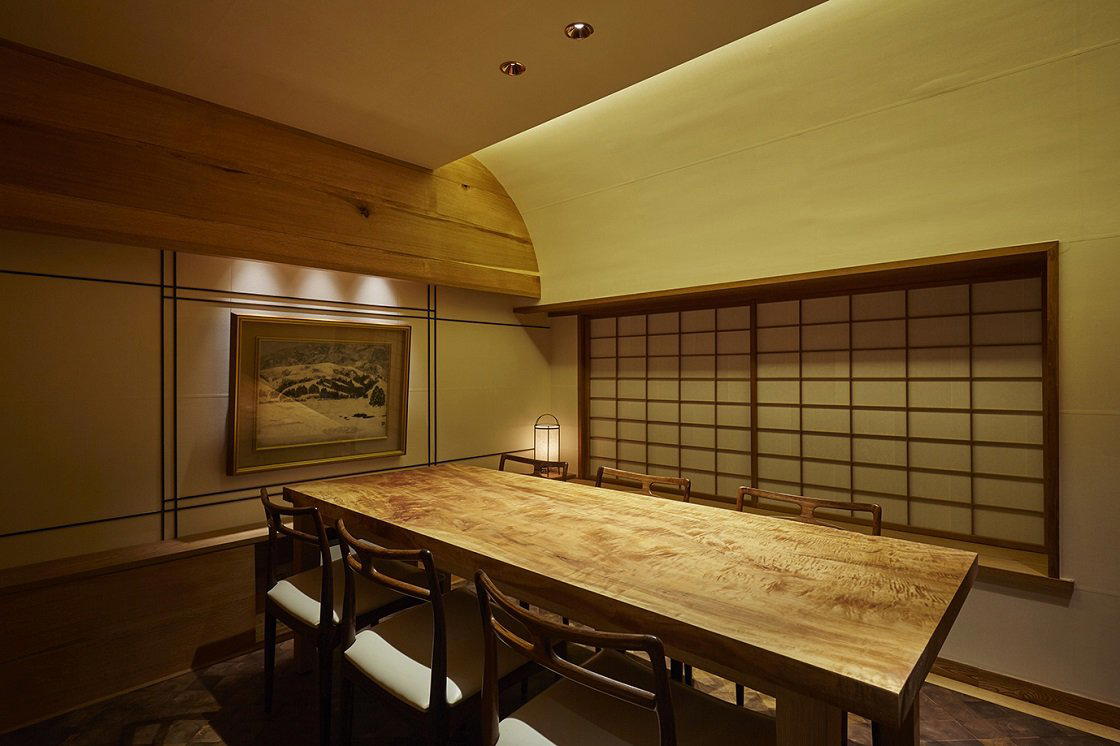
Bars in Kyoto
Browse all →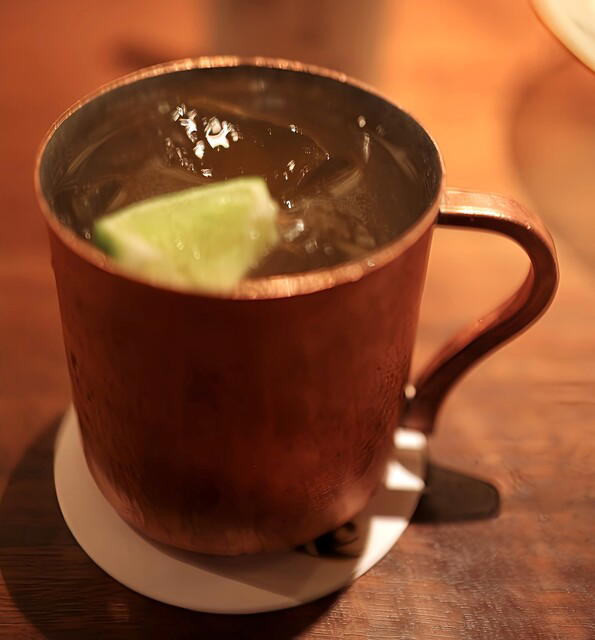
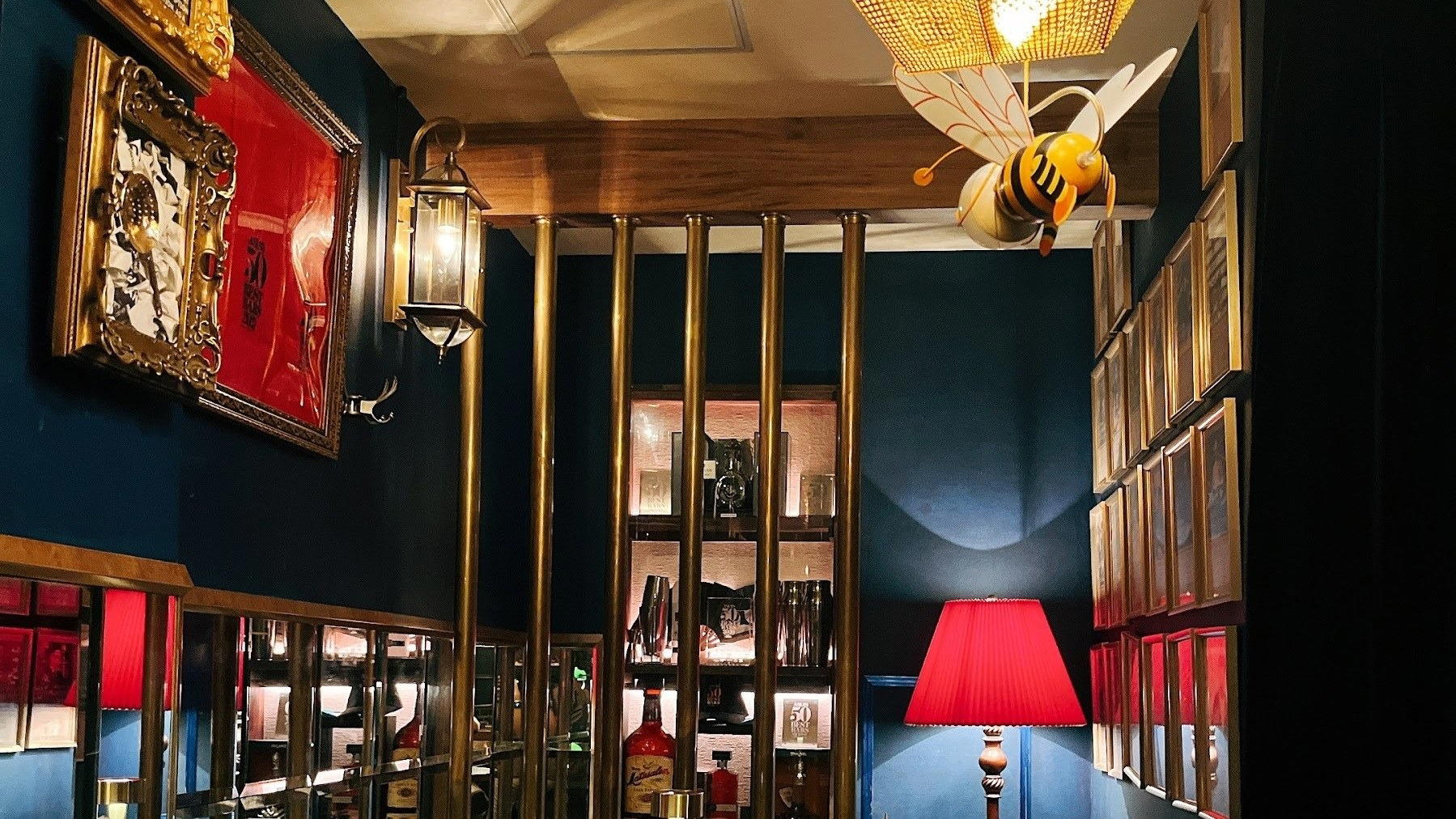
Hotels in Kyoto
Browse all →

Wineries in Kyoto
Browse all →
At a Glance
- Intimate
- Cozy
- Elegant
- Relaxed
- Date Night
- Special Occasion
- Celebration
- Open Kitchen
- Historic Building
- Sake Program
- Extensive Wine List
Current opening hours
- Monday
- 5 p.m.–12 a.m.
- Tuesday
- 5 p.m.–12 a.m.
- Wednesday
- 5 p.m.–12 a.m.
- Thursday
- 5 p.m.–12 a.m.
- Friday
- 5 p.m.–12 a.m.
- Saturday
- 5 p.m.–12 a.m.
- Sunday
- 5 p.m.–12 a.m.
Hours can change for holidays and private events. Last verified .
Nostalgic machiya interior with soft lighting, low ceilings, exposed beams, open kitchen counter, and serene, welcoming atmosphere like dining at a friend's home.