Google: 4.8 · 40 reviews
.png)

In Kyoto's Kita Ward, Raiz applies Spanish techniques to vegetables sourced directly from farmers in Nara and Kyoto, building a Michelin Plate–recognised menu around producer relationships rather than culinary tradition for its own sake. The name, Spanish for 'roots', signals the organising principle: provenance first, technique in service. At the ¥¥¥ price tier, it occupies a specific niche in a city better known for kaiseki formality.

Kita Ward, Quieter Kyoto, and the Logic of Provenance Cooking
Murasakino sits north of the tourist circuits that define most visitors' Kyoto itineraries. The neighbourhood is residential in character, its streets quieter than Gion or Nakagyō-ku, and the restaurants that operate here tend to do so without the foot traffic that sustains larger venues elsewhere in the city. Arriving at 21-4 Murasakino Kamimonzencho, in Kita Ward, you are in a part of Kyoto where the dining proposition has to earn its audience on merit rather than location. That context matters when assessing what Raiz is doing and why it works at the price point it occupies.
Kyoto's dining identity is built, in the global imagination at least, around kaiseki: the multi-course, seasonal Japanese format that venues like Gion Sasaki, Ifuki, and Kyokaiseki Kichisen represent at the ¥¥¥¥ tier. Raiz operates at ¥¥¥ and outside that tradition entirely. Its frame of reference is Spanish technique applied to Japanese produce, a combination that sits in a small but increasingly established category across Japan. akordu in Nara works a comparable territory, and HAJIME in Osaka represents the more abstract, concept-driven end of Western-Japanese hybrids. Raiz positions itself closer to the ingredient-led, producer-relationship model that has become a credible alternative to the kaiseki hierarchy in cities across the region.
What You Are Paying For at ¥¥¥
The value question at any ¥¥¥ contemporary restaurant in Kyoto is specific: you are one tier below the city's kaiseki establishments, which carry significant historical and ceremonial weight, and one tier above the mid-market. The ¥¥¥ bracket in Kyoto accommodates a range of approaches, from Italian (cenci operates here) to Chinese (Kyo Seika), and Raiz sits among them as the Spanish-influenced outlier.
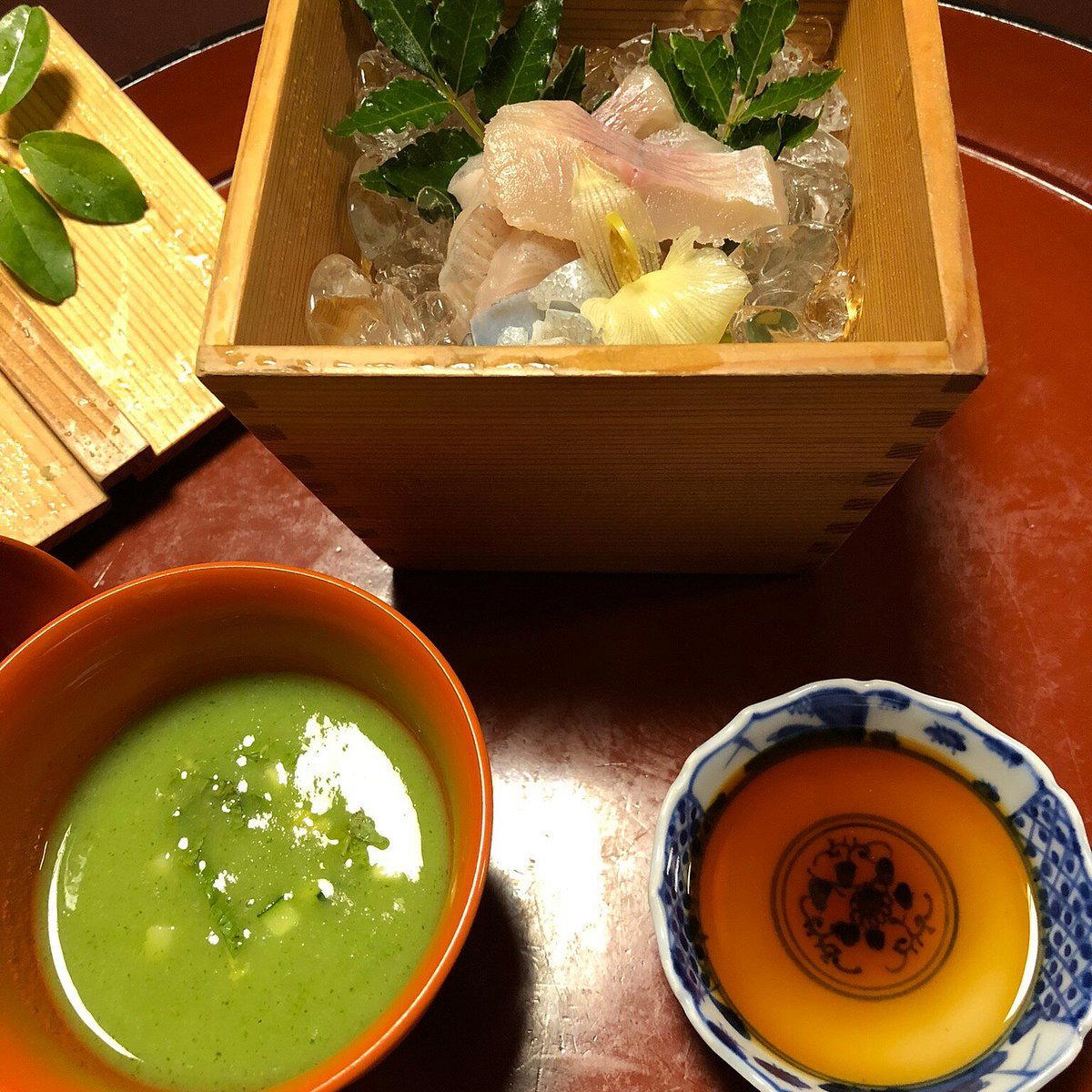
What distinguishes the Raiz offer at this price level is the sourcing architecture. The menu is built around vegetables from farmers in Nara and Kyoto, with whom the chef maintains active working relationships. This is not incidental background detail. In practical terms, it means the menu shifts with what producers have available, which concentrates the dining value in a particular season's version of the food rather than a fixed repertoire. Visiting in spring means a different set of vegetables than autumn. The produce-first logic is the product, and at ¥¥¥ rather than ¥¥¥¥, the kitchen is making a legible argument: rigorous sourcing at accessible-relative-to-top-tier pricing is the proposition.
The seafood and meat components of the menu exist in relation to the vegetables rather than as the headline. Spanish techniques, which tend toward clean emulsification, precise temperature work, and restrained plating, are used to frame the produce without overwhelming it. The arrangements are described in the Michelin documentation as simple and modern, which in this context reads as a deliberate restraint: the technique is in service of the ingredient, not the other way around.
The Michelin Plate and What It Signals
The 2025 Michelin Plate designation places Raiz in a specific position within the guide's hierarchy. A Plate indicates a restaurant serving food of good quality, one tier below a Bib Gourmand (which would add the value-for-money signal) and two tiers below a single star. For a contemporary restaurant at ¥¥¥ in Kyoto's Kita Ward, the Plate is meaningful primarily as an orientation signal: it confirms the kitchen is operating at a consistent standard and that the Michelin inspectors found the food worth noting, even if the format does not yet carry the complexity or distinction that stars require.
Comparison set in Kyoto's guide includes venues at ¥¥¥¥ with multiple stars, which makes the Plate-level ¥¥¥ offer at Raiz a different kind of access point into serious cooking. For a reader deciding between Raiz and a higher-tier kaiseki counter, the question is not which is better in absolute terms but which fits the specific appetite: Japanese ceremonial tradition at a premium, or producer-driven contemporary cooking at a price that permits a follow-up dinner the same trip.
Within Kyoto's contemporary category, Raiz is in company with venues like middle, shiro, and TOKI, each of which navigates the same question of what contemporary means in a city where traditional formats carry outsized cultural authority. The Spanish-influenced framework at Raiz is a distinct answer to that question. For other reference points in the region, Harutaka in Tokyo, Goh in Fukuoka, and 1000 in Yokohama each illustrate how contemporary Japanese dining diverges across cities when freed from kaiseki convention. Internationally, César in New York City and Jungsik in Seoul occupy analogous positions in their respective cities: contemporary format, serious sourcing, outside the dominant local tradition.
Reading the Name as a Menu Brief
The name Raiz, Spanish for roots, does double work. It signals the Spanish technical lineage and announces the organising editorial principle of the food: that every dish traces back to a specific producer, a specific farm, a specific relationship. In a city where the concept of terroir is usually expressed through the kaiseki format's seasonal rhythm, Raiz applies it through a different cultural lens. The Nara and Kyoto farmers whose vegetables appear on the menu are the equivalent of the named mountain streams and specific tofu makers that kaiseki tradition treats as provenance signals. The mechanism is different; the underlying logic is similar.
This also means Raiz rewards repeat visits more than many restaurants at the same tier. A guest returning in a different season will encounter a different menu, built from what the producer relationships currently yield. That variability is a feature rather than an inconsistency, and at ¥¥¥ rather than a higher commitment tier, it is an argument for multiple visits within a single extended trip or across trips.
Planning a Visit
Raiz holds a Google rating of 4.7 from 26 reviews, a small sample but consistently high, suggesting the kitchen delivers reliably at the standard implied by the Michelin Plate. The Kita Ward address means the venue is not walkable from central Kyoto accommodation; planning transport in advance is practical, particularly for an evening reservation. Booking should be arranged ahead of arrival in Kyoto given the format and likely limited covers. The ¥¥¥ price range places it within a dinner budget that allows for a sake pairing or drinks without pushing into the ¥¥¥¥ tier total.
For a fuller picture of where Raiz sits in Kyoto's eating and drinking offer, see our full Kyoto restaurants guide, our full Kyoto bars guide, our full Kyoto hotels guide, our full Kyoto wineries guide, and our full Kyoto experiences guide. Among Kyoto's contemporary venues, MASHIRO and COPPIE represent different angles on the same question of what serious cooking looks like outside the kaiseki frame. For Okinawa-based contemporary dining, 6 in Okinawa takes a comparable producer-relationship approach in a very different geographical context.
Quick reference: Raiz, 21-4 Murasakino Kamimonzencho, Kita Ward, Kyoto — ¥¥¥ — Michelin Plate 2025 , Google 4.7 (26 reviews) , book in advance.
What Do People Recommend at Raiz?
Given the format and the Michelin framing, the consistent recommendation across sources points to the vegetable-led dishes as the reason to visit. The kitchen's relationships with farmers in Nara and Kyoto mean the produce is the centrepiece, with Spanish techniques used to build clean, modern arrangements around it. The combination of seafood or meat with that vegetable base appears to be the recurring structure of the menu. akordu in Nara works comparable Iberian-Japanese territory if a second reference point is useful for comparison. The middle counter in Kyoto provides an alternative contemporary format for the same city visit. Specific dishes are not documented in the public record with enough consistency to name with confidence, but the produce-driven seasonal menu is the consistent signal from both the Michelin citation and the 4.7 Google average.
Local Peer Set
A quick peer check to anchor this venue’s price and recognition.
| Venue | Cuisine | Price | Notes |
|---|---|---|---|
| Raiz | Contemporary | ¥¥¥ | This venue |
| Gion Sasaki | Kaiseki, Japanese | ¥¥¥¥ | Kaiseki, Japanese, ¥¥¥¥ |
| cenci | Italian | ¥¥¥ | Italian, ¥¥¥ |
| Ifuki | Kaiseki | ¥¥¥¥ | Kaiseki, ¥¥¥¥ |
| Kyokaiseki Kichisen | Japanese | ¥¥¥¥ | Japanese, ¥¥¥¥ |
| Kyo Seika | Chinese | ¥¥¥ | Chinese, ¥¥¥ |
Continue exploring
More in Kyoto
Restaurants in Kyoto
Browse all →Bars in Kyoto
Browse all →Hotels in Kyoto
Browse all →Wineries in Kyoto
Browse all →At a Glance
- Cozy
- Elegant
- Intimate
- Modern
- Relaxed
- Special Occasion
- Date Night
- Celebration
- Private Dining
- Garden
- Sake Program
- Local Sourcing
- Garden
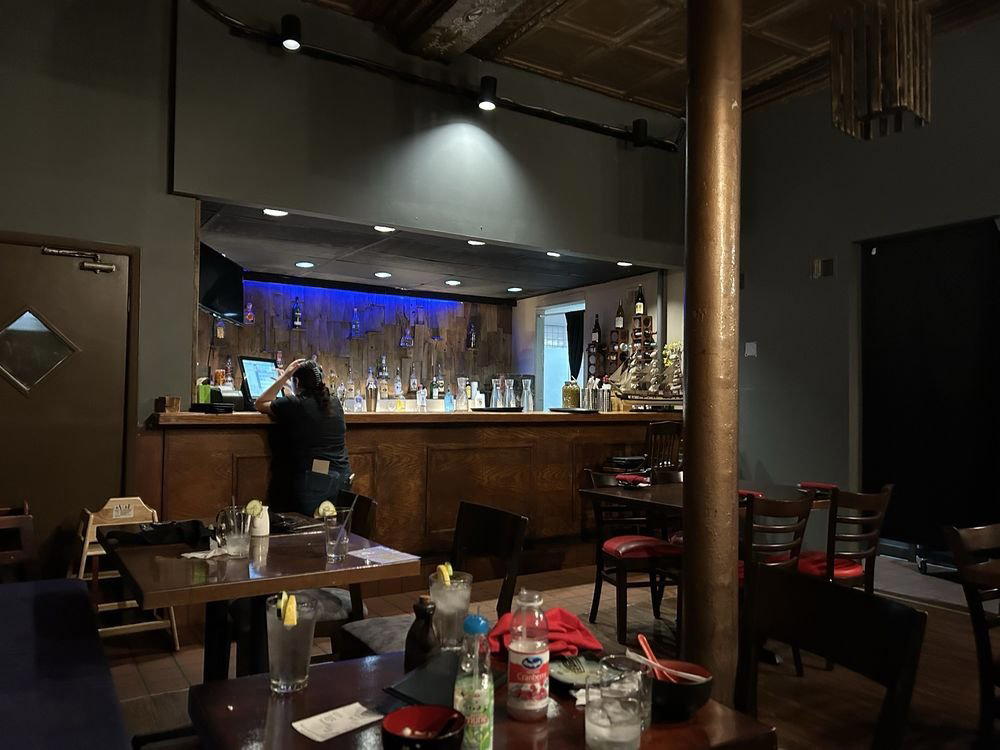
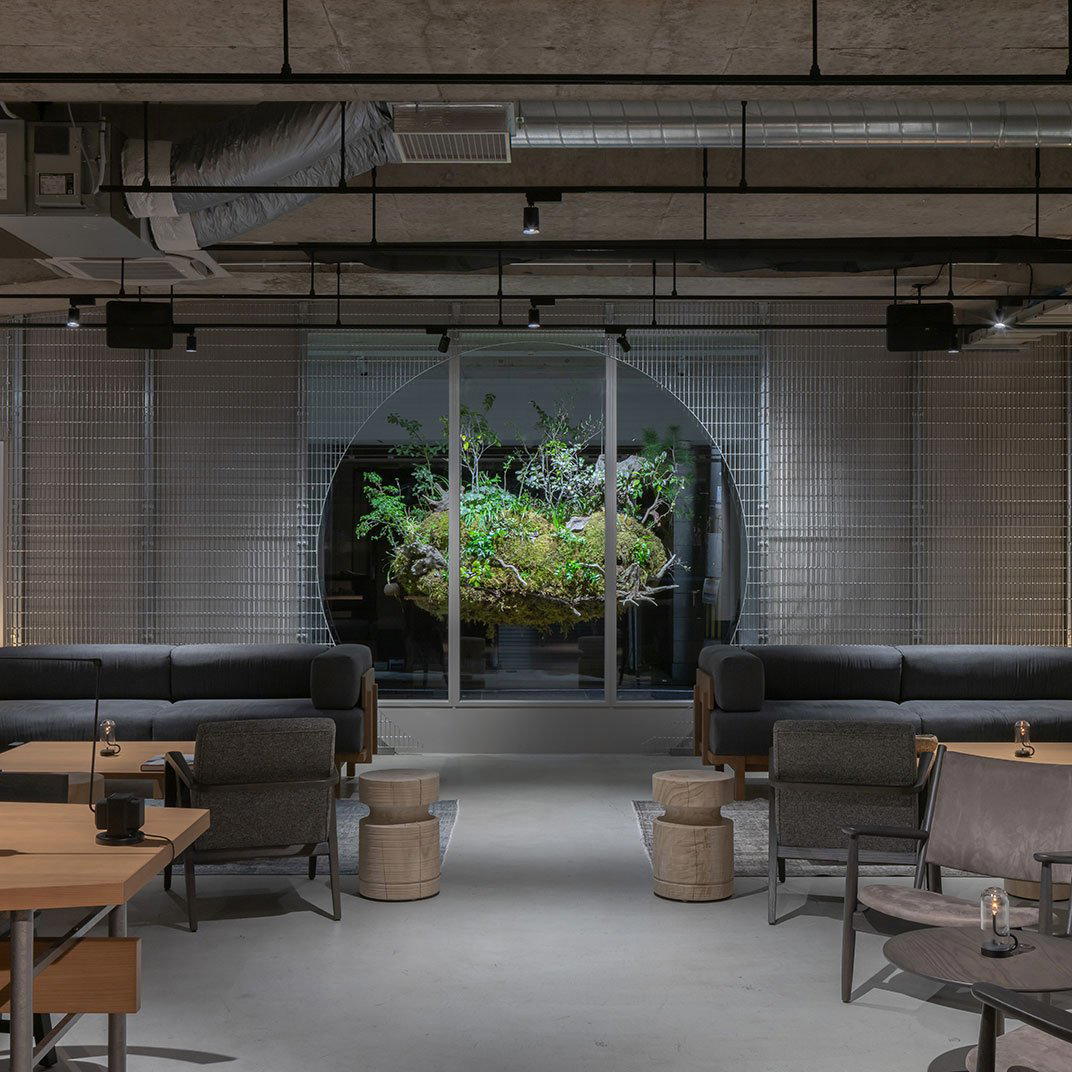
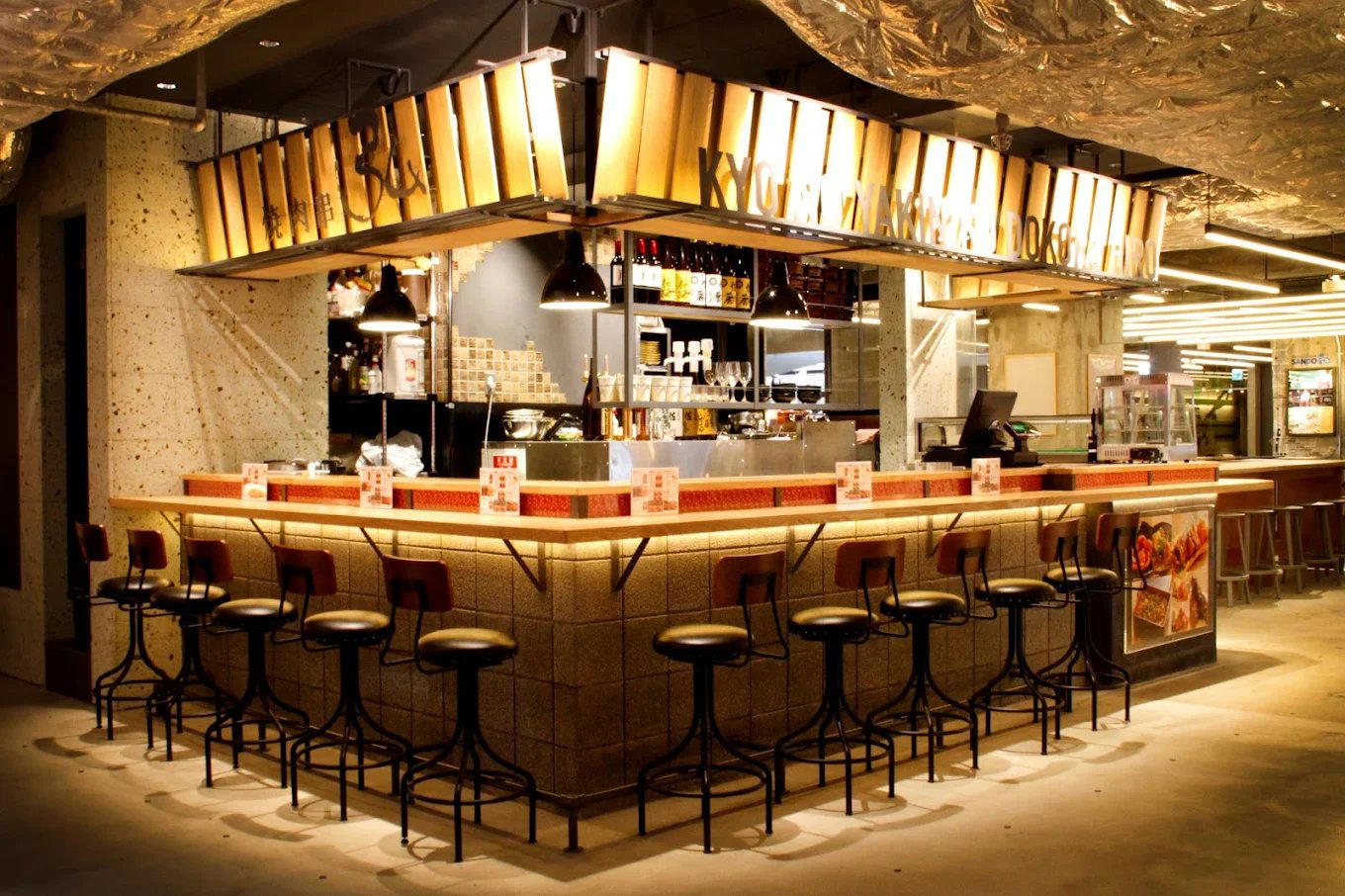
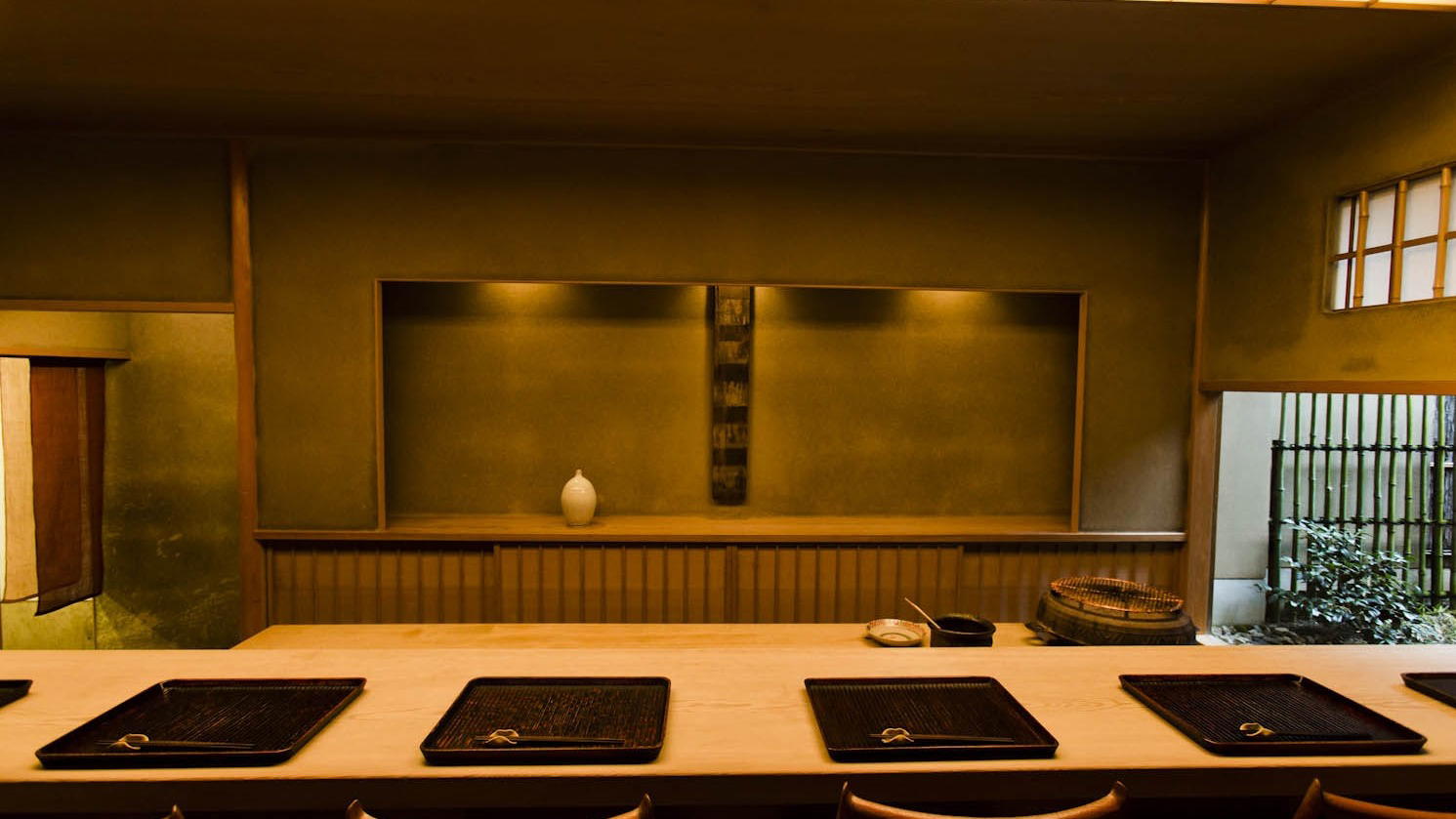
Warm wooden interior with relaxing atmosphere, stylish and cozy space featuring counter seating and a private room overlooking a courtyard garden.