
A Michelin Plate-recognised Japanese restaurant in Kyoto's Shimogyo Ward, Senda draws its identity from two distinct sources: the plum-blossom heritage of the Kitano Tenmangu neighbourhood and the chef's family eel restaurant in Fukui. Grilled unagi at lunch and kabayaki at dinner, basted in the family's own dipping sauce, sit at the centre of a menu that uses seasonal ingredients and sake sourced from the chef's home region of Wakasa.
Pearl is the En Primeur Club membership app — saves, bookings, and concierge access live there. Same editors, same standards.
- Address
- Japan, 〒600-8103 Kyoto, Shimogyo Ward, Shiogamacho, 379 坂田ビル 379
- Phone
- +81 75-361-8873
- Website
- kyoto-sen.com
- Directions
- Get directions
 Saves & bookings on Pearl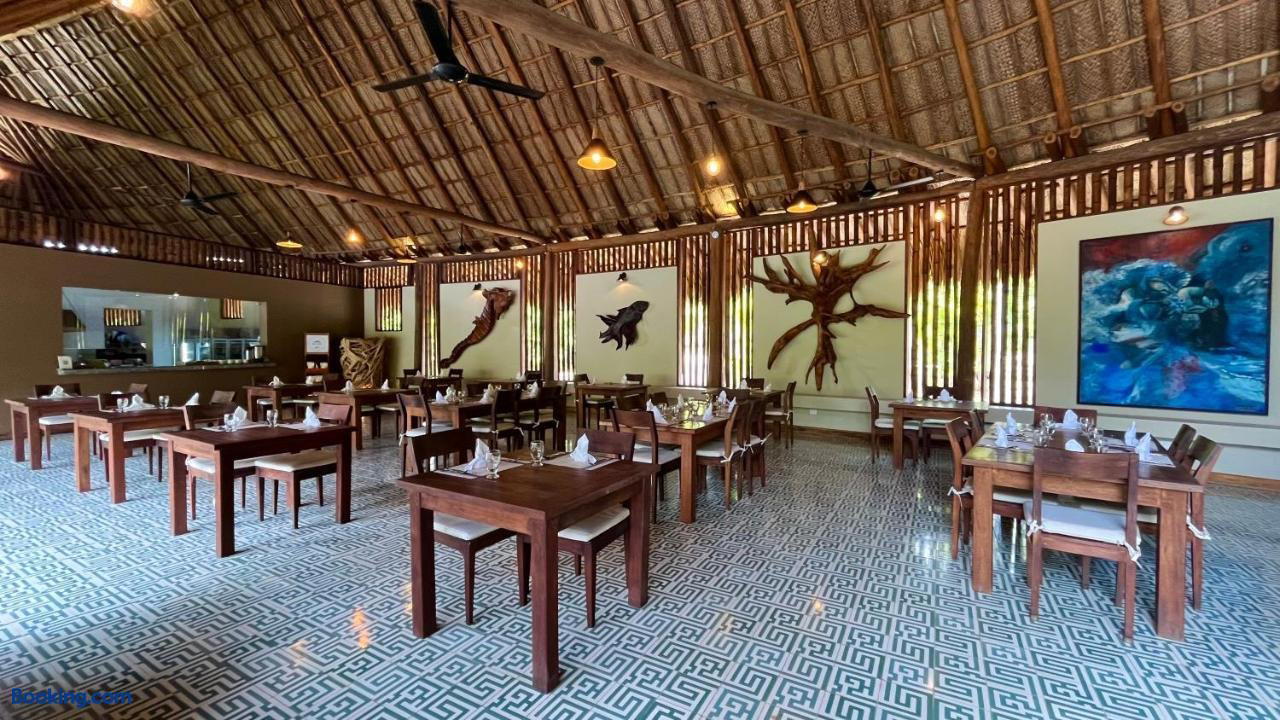
Shimogyo's Quiet Northern Corner and What It Produces
The streets around Kitano Tenmangu Shrine carry a different tempo from Gion or the Higashiyama corridor. Here, in the neighbourhood officially known as Hakubaicho, White Plum Town, the cultural reference point is the plum blossom, the flower most associated with Sugawara no Michizane, the deified scholar enshrined at Kitano. Restaurants in this area operate in the shadow of that heritage rather than the heavier foot traffic of central Kyoto, and the dining that survives tends to be specific, purposeful, and built for repeat visitors rather than passing trade. Senda is a restaurant in Kyoto's Shimogyo Ward serving Seasonal Kaiseki at about $100 per person. It sits on this block of Shiogamacho, and the neighbourhood's character is not incidental to what the restaurant does.
The Awards Signal and What It Places in the Room
Kyoto's Michelin coverage spreads across a wide range of formats, from the multi-starred kaiseki rooms at the summit of the price tier to Plate-recognised specialists working narrower ground. Senda holds a Michelin Plate for 2025, the guide's designation for restaurants cooking at a good standard, and that positioning is meaningful context: it places the restaurant below the starred category occupied by kaiseki institutions like Isshisoden Nakamura or Gion Matayoshi, and alongside a set of focused specialists who are recognised for doing something well rather than for comprehensive kaiseki ambition.
Within Kyoto's ¥¥¥ tier, the competitive set includes restaurants of quite different culinary directions. Venues like Kenninji Gion Maruyama and Kikunoi Roan represent the Kyoto-kaiseki lineage at the same price point. Senda's distinction is that it operates outside that lineage entirely. It is not a kaiseki room with ambitions toward the starred tier, and it does not position itself as a comprehensive seasonal menu. It is a restaurant organized around specific dishes with specific provenance, and the Michelin Plate reflects that specialisation rather than penalising its narrowness.
The Menu's Two Anchors
Kyoto has a well-documented historical relationship with freshwater ingredients, including eel, through trade routes that connected the city to fishing communities along the Sea of Japan coast. What Senda does with that tradition is particular rather than generic. Chef Ryuji Senda's family operated an eel restaurant in Fukui, and the dipping sauce used at that family shop forms the technical and emotional spine of the cooking here. The grilled unagi served over rice at lunch and the kabayaki format at dinner both draw on that family recipe, with the eel basted before broiling in a method carried directly from the Fukui operation.
This kind of culinary inheritance is not unusual in Japan, where family techniques are preserved across generations with genuine fidelity, but it is relatively uncommon to find it so explicitly foregrounded in a Kyoto restaurant. The result is a menu in which the unagi dishes carry a verifiable backstory rather than a generic claim to tradition. The eel kabayaki at dinner has been specifically noted by the Michelin inspectors as the centrepiece of the meal, and that designation carries weight given the guide's familiarity with Kyoto's broader unagi offering.
The second anchor is the plum. Given the restaurant's location in Hakubaicho, the choice to feature ume on the bowls of stewed items is a considered piece of place-making rather than decoration. Frozen desserts made with unripe plums, sourced from a former classmate's produce, extend that connection beyond presentation into the actual ingredients. Sake sourced from Wakasa, the chef's home region, completes a menu framework built around specific geographic origins rather than a generalised appeal to Kyoto seasonality.
How Senda Fits the Broader Kansai Picture
Kyoto's restaurant culture rewards patience and specificity from diners. Restaurants like Kodaiji Jugyuan operate in the same city but on entirely different conceptual ground, and the variety within Kyoto's ¥¥¥ tier reflects how many different ideas of Japanese cooking can coexist at the same price point. Senda's approach, with its regional sourcing, family-recipe techniques, and neighbourhood-specific symbolism, represents a mode of Japanese restaurant thinking that appears across the country at different price levels. Myojaku in Tokyo and Azabu Kadowaki operate in a comparable register of rooted Japanese cooking, though in quite different formats and price brackets.
Further afield, the Kansai region produces restaurants of notably different character. HAJIME in Osaka represents a different end of the spectrum entirely, while akordu in Nara demonstrates how regional identity can be channelled through non-Japanese formats. Senda's value within that broader map is its compression: a narrow menu, a clear geographic identity, and a set of techniques that carry a traceable lineage.
For readers moving between cities, Harutaka in Tokyo, Goh in Fukuoka, 1000 in Yokohama, and 6 in Okinawa each represent different regional expressions of serious Japanese cooking. Senda sits within that national network as a Kyoto-specific, mid-tier specialist with a regional identity anchored outside the city itself.
Planning a Visit
Senda is located at 379 Shiogamacho, Shimogyo Ward, Kyoto, in the Sakata Building. The address places it within walking distance of Kitano Tenmangu Shrine in the northern part of Shimogyo. Budget: ¥¥¥ tier, consistent with a focused specialist in the Kyoto mid-range. Format: Lunch service centres on grilled unagi over rice; dinner leads with kabayaki and includes the seasonal appetiser course. Booking: advance reservation is essential. Timing: The neighbourhood's plum blossom season at Kitano Tenmangu, typically late February into March, provides additional context for visiting when the restaurant's ume references are at their most seasonally coherent.
Cuisine and Credentials
Comparable venues nearby, for context on price, style, and recognition.
| Venue | Cuisine | Price | Awards | Notes |
|---|---|---|---|---|
| SendaThis venue — the venue you are viewing | Seasonal Kaiseki | $$$ | Michelin Plate | Not listed |
| Nikuryori Shibuya | Japanese Wagyu Omakase | $$$ | Michelin Plate | Shimogyō |
| Kyoryori Hachisei | Traditional Kyoto Kaiseki | $$$ | Michelin Plate | Shimogyō |
| Pontocho Masuda | Kyoto-style Obanzai | $$$ | Michelin Plate | Nakagyō |
| Okuniya Mambei | Traditional Kyoto Unagi Kabayaki | $$$ | Michelin Plate | Nakagyō |
| Takocho | Traditional Kyoto Oden | $$$ | Michelin Plate | Higashiyama |
Recognition history
Dated appearances from independent guides and award organizations, with the underlying list record or original source where available.
Michelin Plate
Michelin
Michelin Plate
Michelin
Michelin Plate
Michelin
Continue exploring
More in Kyoto
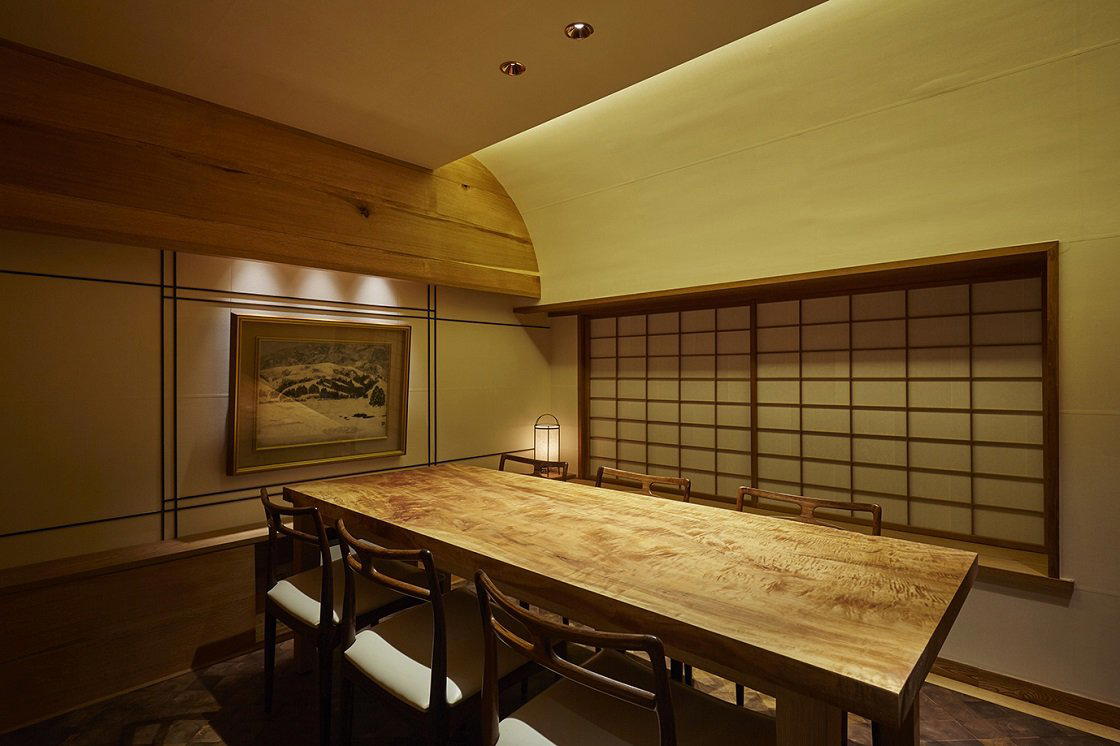
Restaurants in Kyoto
Browse all →
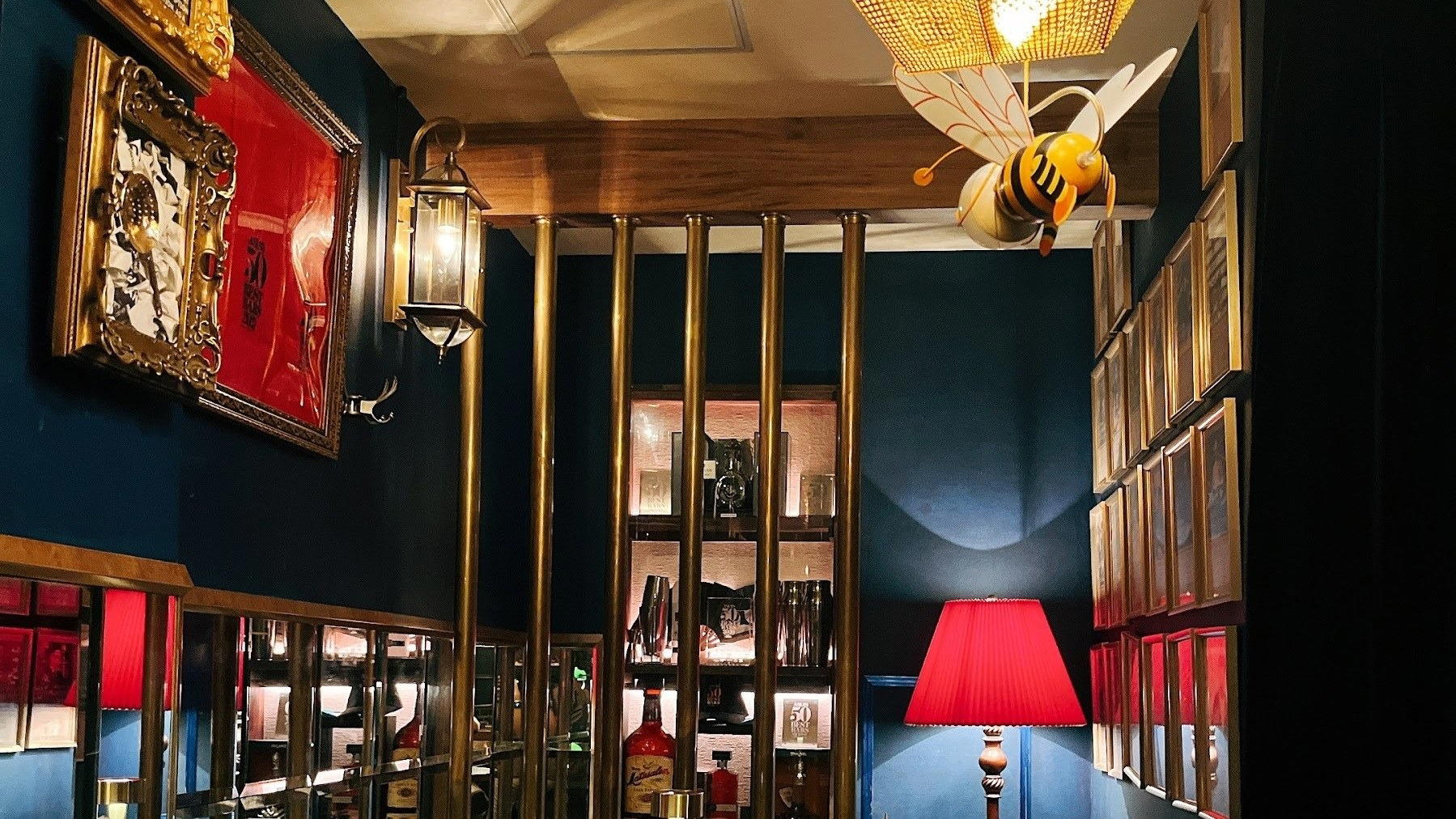
Bars in Kyoto
Browse all →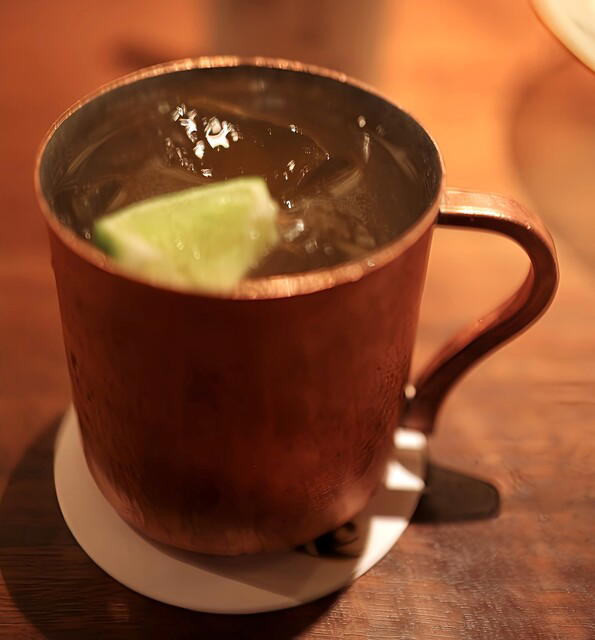
Hotels in Kyoto
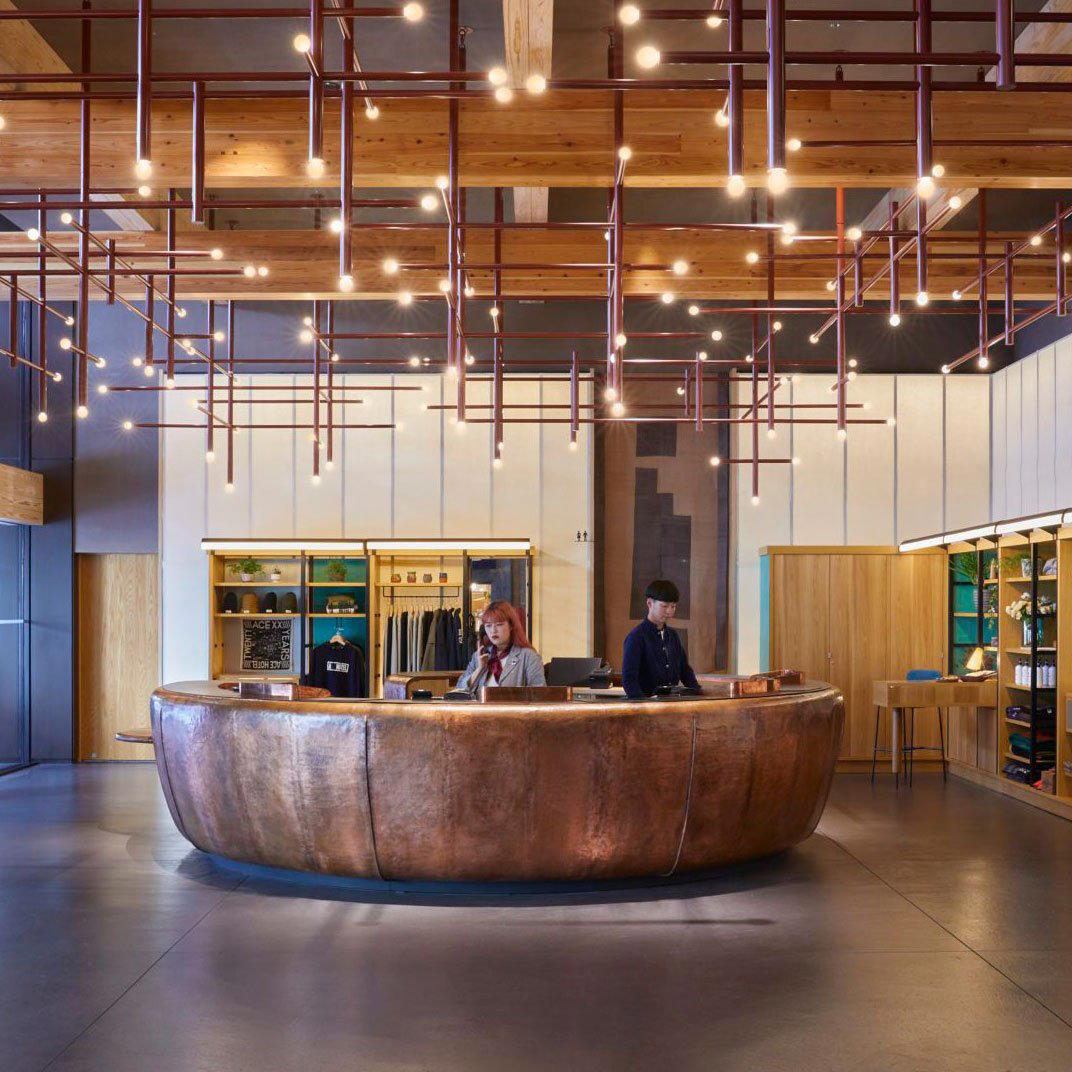
Browse all →
Wineries in Kyoto
Browse all →
At a Glance
- Intimate
- Quiet
- Elegant
- Cozy
- Date Night
- Special Occasion
- Private Dining
- Sake Program
Current opening hours
- Monday
- 6:30–10 PM
- Tuesday
- 12:30–3 PM, 6:30–10 PM
- Wednesday
- 12:30–3 PM, 6:30–10 PM
- Thursday
- 6:30–10 PM
- Friday
- 6:30–10 PM
- Saturday
- 12:30–3 PM, 6:30–10 PM
- Sunday
- 12:30–3 PM, 6:30–10 PM
Hours can change for holidays and private events. Last verified .
Serene and calm Japanese space with courteous service, relaxing atmosphere, and sophisticated streamlined design.