Michelin Plate
Our verdict
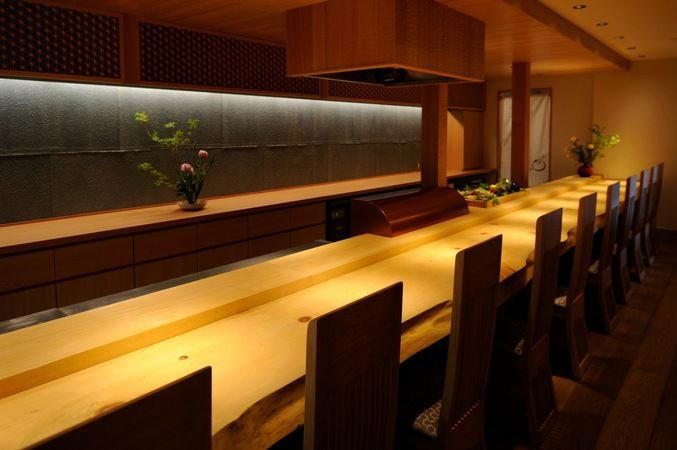
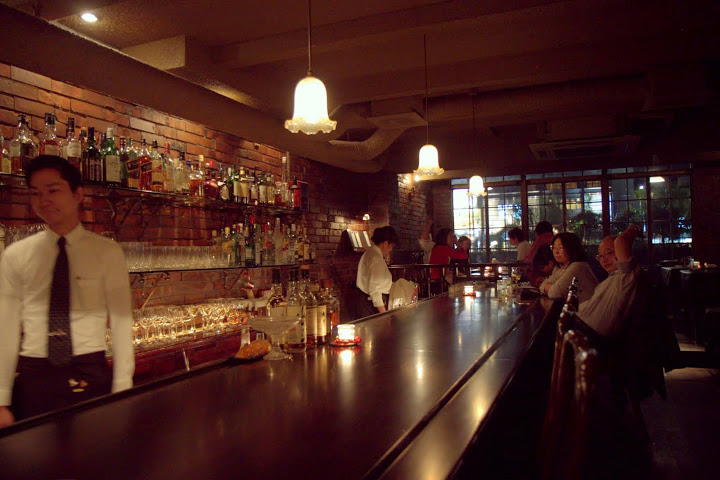
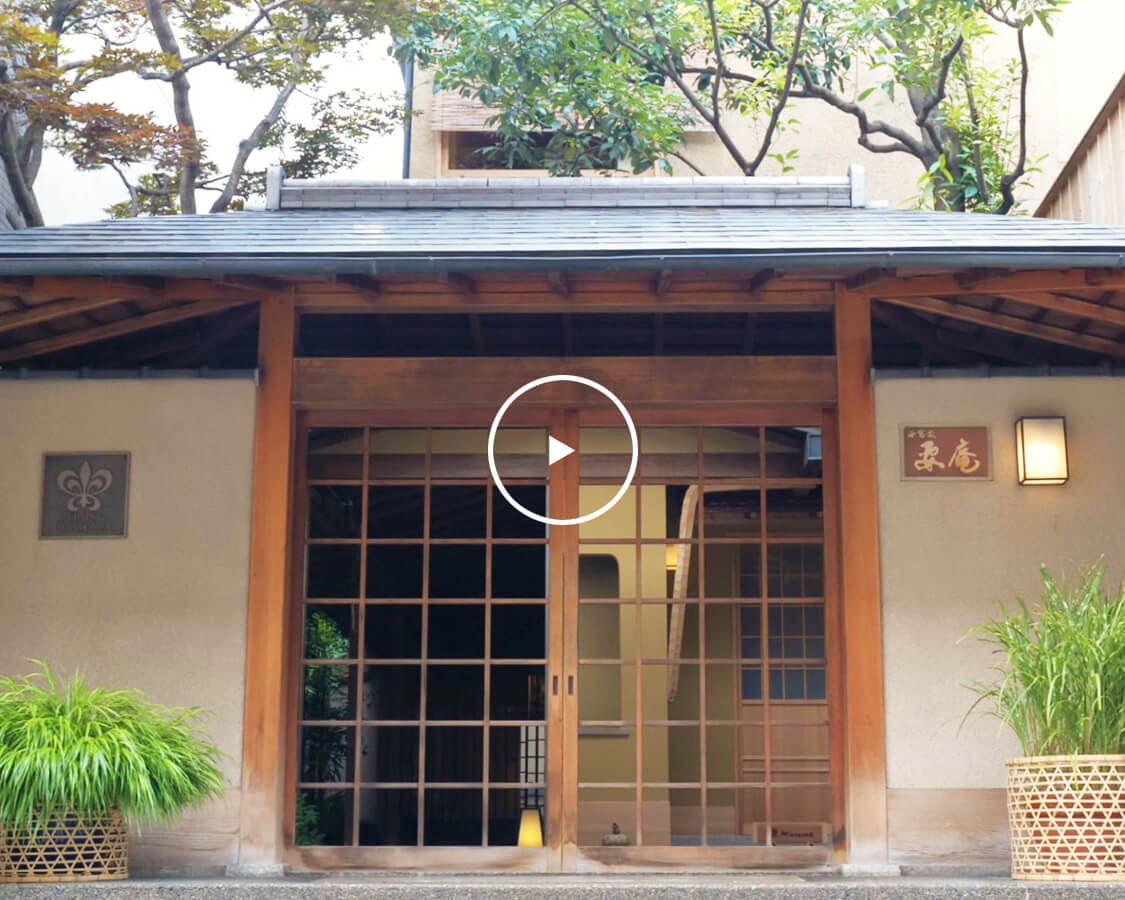
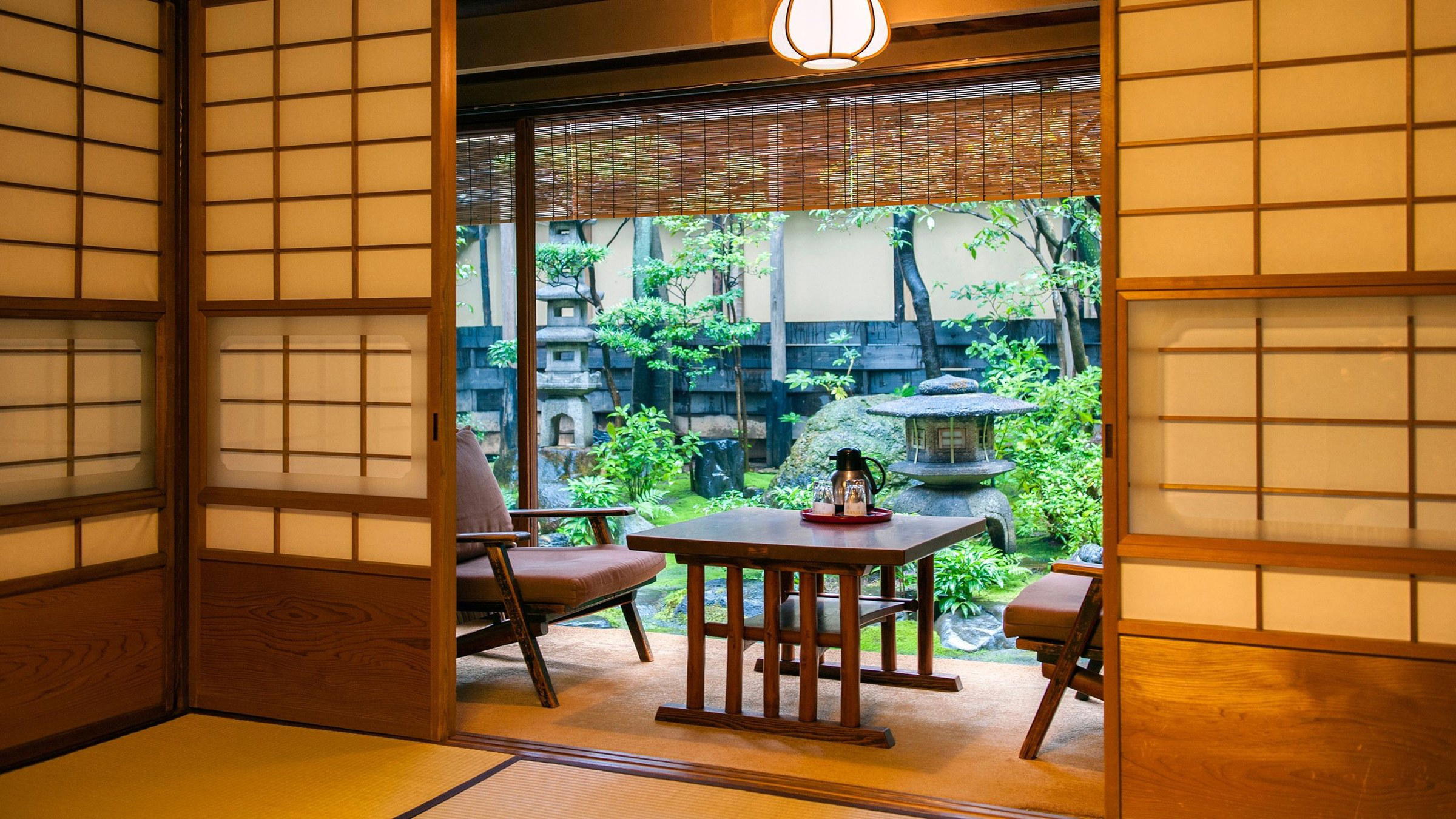
A two-generation family kitchen on Kyoto's storied Pontocho alley, Pontocho Masuda holds a Michelin Plate for its quietly disciplined obanzai cooking. Simple simmered side dishes, grilled seafood, and slow-cooked seasonal stews anchor a menu rooted in the everyday food traditions of Kyoto households. The mood is Showa-era neighbourhood dining, not ceremony.

Pearl is the En Primeur Club membership app, where members save venues, book tables and use the concierge.
The menu
What to order
- Mackerel sushi
- Simmered eggplant
- Fried tofu
The Alley, the Era, the Cooking
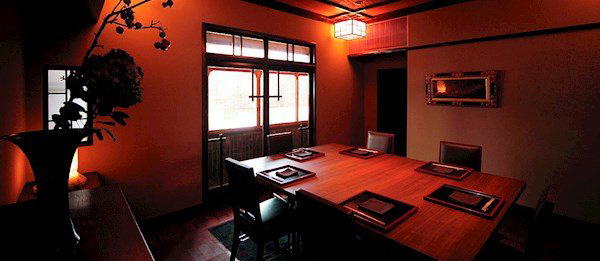
Pontocho runs barely 500 metres between the Kamo and Takase rivers, a stone-flagged corridor where the density of restaurants per square metre ranks among the highest in Kyoto. Most of the alley operates at a register somewhere between polished and theatrical: seasonal kaiseki counters, tourist-facing grills, sake bars designed to photograph well. Pontocho Masuda occupies a different frequency. The atmosphere here reaches back to the Showa period, when the alley was quieter, more residential in character, and the cooking in its narrow kitchens was shaped by what Kyoto families actually ate rather than by what visiting diners expected.
That distinction matters in a city where dining has stratified sharply between destination-format kaiseki at ¥¥¥¥ and accessible neighbourhood cooking. Venues like Gion Sasaki, Hyotei, and Kikunoi Honten define the formal end of that range. Pontocho Masuda operates at ¥¥, a price tier that in Kyoto's dining culture carries its own kind of credibility: you cannot maintain it without discipline in sourcing, simplicity in execution, and genuine rootedness in the tradition you are cooking from.
Obanzai: Kyoto's Household Register
Obanzai is not Kyoto's prestige food style. It is, in some respects, the opposite: the accumulated domestic cooking of the city's households, shaped over centuries by the Buddhist-influenced preference for plant-based ingredients, the pragmatics of preservation, and the exceptional quality of local produce. The word itself is associated with thrift and daily rhythm rather than occasion. Simmered vegetables, pickled roots, small fish preparations, tofu and its by-products, these are the grammar of obanzai, and they require a cook who understands restraint as a positive choice rather than a constraint.
What distinguishes a serious obanzai kitchen from a generic one is the handling of dashi, the precision of the simmer, and the timing of pickling. The Michelin Plate that Pontocho Masuda has held consecutively through 2024 and 2025 signals that the inspectors found both technical control and cultural authenticity here, the two criteria most likely to be used when assessing a cuisine style defined by its refusal to be showy. Among Kyoto's restaurants earning recognition at this tier, obanzai specialists are relatively few; most Michelin attention in the city gravitates toward kaiseki and its formal relatives, as with Isshisoden Nakamura and Oryori Menami.
The Menu as Seasonal Record
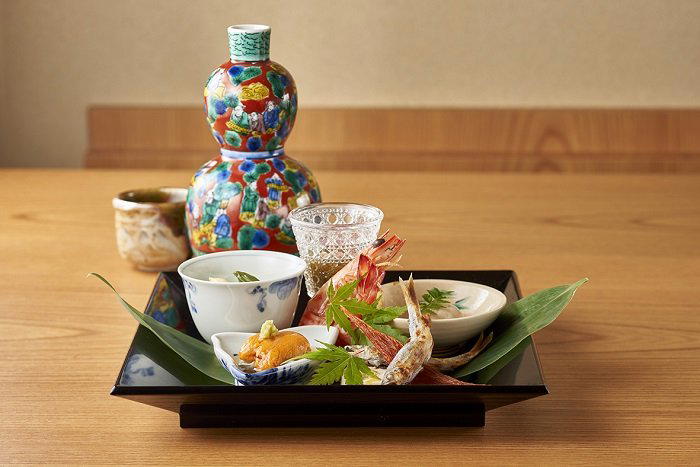
The dishes documented for this kitchen include okara (the fibrous pulp left after pressing soy milk), hijiki simmered in dashi, and nishin-nasu, the pairing of Pacific herring with eggplant that has roots deep in Kyoto's food history. Nishin-nasu is a study in how a landlocked city solved the problem of preserved fish: the dried herring was carried inland from the Sea of Japan coast and over time became inseparable from the eggplant grown in Kyoto's basin, the two ingredients exchanging salt and sweetness during the simmer until the dish is something neither ingredient could produce alone.
Daimyotaki, another preparation named in the kitchen's record, is dried daikon that has been pickled and then simmered in dashi. The name alone announces its lineage: this is preserved-vegetable cooking from the era before refrigeration, when the wisdom of making something last through a season was also the wisdom of making it taste of the season. Dishes like this do not evolve quickly. They improve or decline based on the cook's calibration, and they reward a diner who knows what they are tasting.
Grilled seafood and seasonal stews round out the menu alongside these side dishes. The combination reflects the two rhythms of obanzai: the small, shareable plates that accompany rice and sake, and the heavier, simmered preparations that anchor a meal as the temperature drops. The kitchen runs on seasonal logic rather than a fixed, year-round card.
A Family Kitchen on a Commercial Alley
The two-generation model, father and son working the kitchen together, is worth noting not as a sentimental detail but as a structural one. In a city where culinary lineage is tracked seriously, and where the transfer of technique between generations is considered a form of cultural continuity, a family kitchen represents a different kind of credential than a chef who trained at a named establishment before opening independently. The cooking here is institutional in the original sense: it belongs to a household, and the household belongs to Pontocho.
That positioning makes Pontocho Masuda something of a counter-example to the standard trajectory in high-attention restaurant districts. Across Japan, cities have seen their premium dining neighbourhoods tilt toward formats optimised for out-of-town visitors and high-spend occasions. In Tokyo, for instance, the progression from neighbourhood ryotei to destination counter is well-documented at venues across the spectrum, from accessible kaiseki to the tasting-menu tier represented by places like Harutaka. In Osaka, the formal-creative end is represented by venues like HAJIME. Kyoto has its own version of that pressure, and Pontocho is not immune to it.
Against that backdrop, a kitchen that cooks obanzai at a ¥¥ price point with two consecutive Michelin Plates is making an argument about what the alley is actually for.
Placing Pontocho Masuda in Context
For readers building a Kyoto itinerary that spans price tiers and cooking styles, Pontocho Masuda sits at the accessible end of a spectrum that runs upward through mid-range creative formats and into the multi-hour kaiseki counters. It pairs logically with a visit to venues operating in the Gion district or the Higashiyama area, where the formal register is higher and the contrast with obanzai's domestic plainness becomes instructive. Comparative dining at different registers, obanzai one evening, kaiseki the next, is one of the more efficient ways to understand why Kyoto's food culture carries the weight it does.
For the wider Japan picture, the range of approaches available across the country is worth considering. akordu in Nara operates in a European-influenced register; Goh in Fukuoka and 1000 in Yokohama represent the creativity of Japan's secondary cities; 6 in Okinawa sits at the far end of the country's culinary geography. Within Kyoto itself, the full picture is available through our full Kyoto restaurants guide. The city's hotels, bars, and other experiences are covered separately in our Kyoto hotels guide, our Kyoto bars guide, and our Kyoto experiences guide.
Planning a Visit
Pontocho Masuda is located at 202 Shimokorikicho, Nakagyo Ward, in the heart of Pontocho. The ¥¥ price range places it significantly below the kaiseki tier and makes it accessible for a mid-week dinner without special-occasion budgeting. Booking details and hours are not published through a standard online channel; reservation enquiries are leading made directly through the venue or via a hotel concierge familiar with the alley's smaller kitchens. The Pontocho area is walkable from both Kawaramachi and Gion-Shijo stations on the Hankyu line.
Quick reference:
What Should I Eat at Pontocho Masuda?
The kitchen is anchored in obanzai, the everyday cooking tradition of Kyoto households. The dishes to focus on are the simmered side preparations: okara (soy pulp), hijiki, and nishin-nasu, the herring-and-eggplant pairing that is one of the more historically specific dishes in Kyoto's food vocabulary. Daimyotaki, the dashi-simmered pickled daikon, is another preparation that belongs to this kitchen's particular register. Grilled seafood and seasonal stews are the more substantial options and shift with the time of year. The menu operates on seasonal logic, so what is available in autumn differs from what is available in spring. Given the Michelin Plate recognition across both 2024 and 2025, the kitchen's consistency across the full range of its preparations is the clearest signal of where to place trust when ordering.
Frequently asked questions
What's Pontocho Masuda's location?
Pontocho Masuda is located at 202 Shimokorikicho, Nakagyo Ward, Kyoto, 604-8016, Japan, Kyoto.
What's the cuisine at Pontocho Masuda?
What awards or recognition does Pontocho Masuda have?
Pontocho Masuda has received recognition including: The mood is the Showa era, when Pontocho was a much sleepier place. Two generations, father and son, man the kitchen, displaying their talents in ryotei cooking. ‘Obanzai’, a style of cooking beloved by Kyoto families, exudes the warmth and….
What should I eat at Pontocho Masuda?
The kitchen is built around simmered obanzai preparations: okara (soy pulp), hijiki in dashi, and nishin-nasu, the classic pairing of Pacific herring with eggplant. Daimyotaki, dried daikon pickled and simmered in dashi, is a house speciality with roots in generations of Kyoto domestic cooking. Grilled seafood and seasonal stews round out a menu that changes with the market rather than a fixed script. The ¥¥ price range makes this one of the more accessible kitchens on Pontocho, which tilts heavily toward higher-spend kaiseki.
Cuisine and Awards Snapshot
A quick peer check to anchor this venue’s price and recognition.
| Venue | Cuisine | Price | Awards | Notes |
|---|---|---|---|---|
| Pontocho MasudaThis venue (the venue you are viewing) | Kyoto-style Obanzai | $50–100 | Michelin Plate | Not listed |
| Gion Sasaki | Modern Kaiseki | $300–500 | 3 Michelin Stars · La Liste Top Restaurants | Kaiseki, Japanese |
| cenci | Innovative Italian-Japanese Fusion | $100–150 | 1 Michelin Star · World's 50 Best #76 | Italian |
| Ifuki | Sumibi Kappo Kaiseki | $200–300 | 2 Michelin Stars · La Liste Top Restaurants | Kaiseki |
| Kyokaiseki Kichisen | Kyoto Kaiseki | $200–300 | 2 Michelin Stars · La Liste Top Restaurants | Japanese |
| Kyo Seika | Modern Chinese Fine Dining | $150–200 | 1 Michelin Star · Tabelog Bronze #216 | Chinese |
Recognition history
Dated appearances from independent guides and award organizations, with the underlying list record or original source where available.
Michelin Plate
Michelin
Full recognition history (3 entries)
Michelin Plate
Michelin
Michelin Plate
Michelin