


Michelin Plate · Wine Spectator Award of Excellence · Tabelog 100 #98
Our verdict
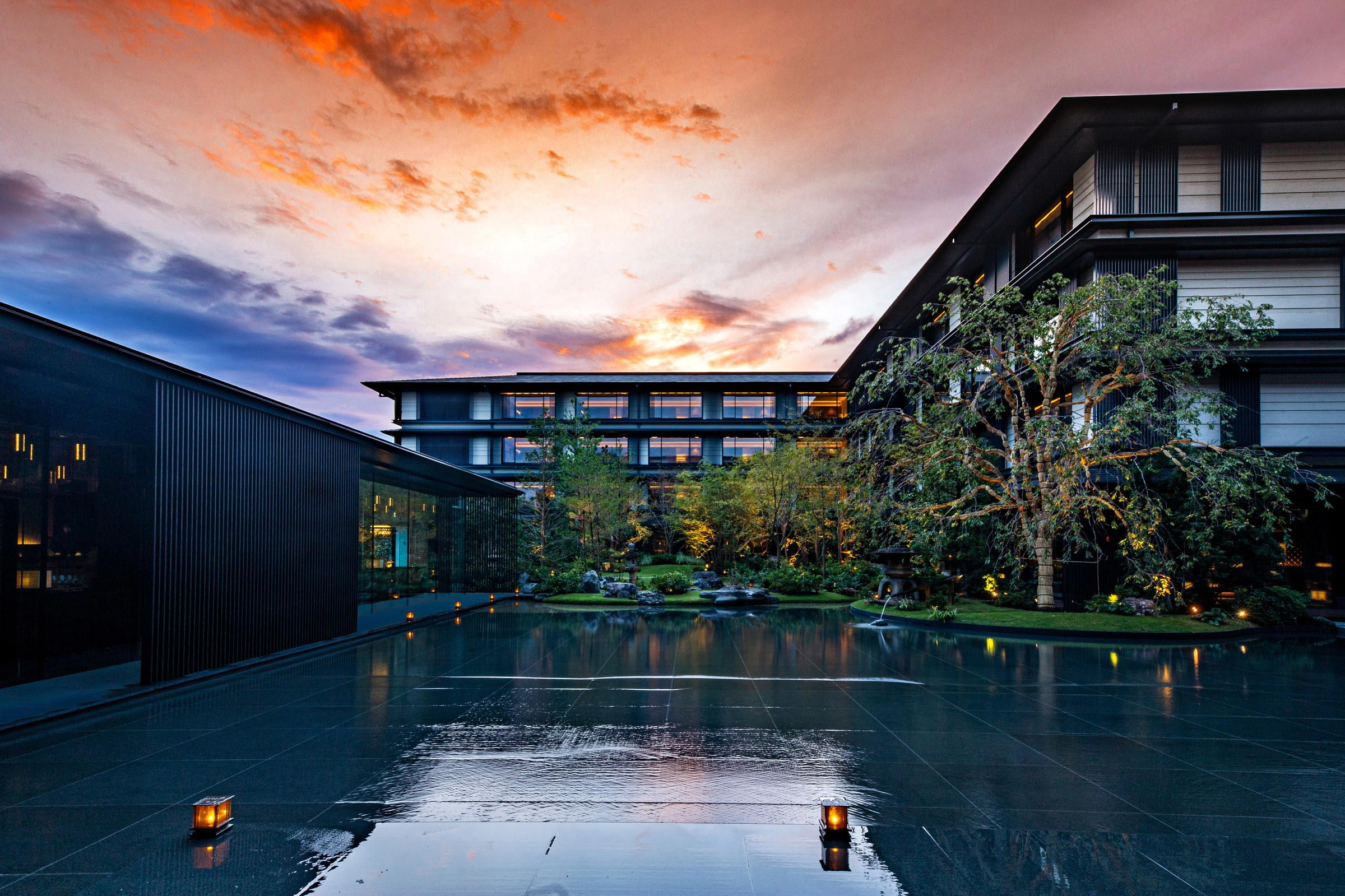
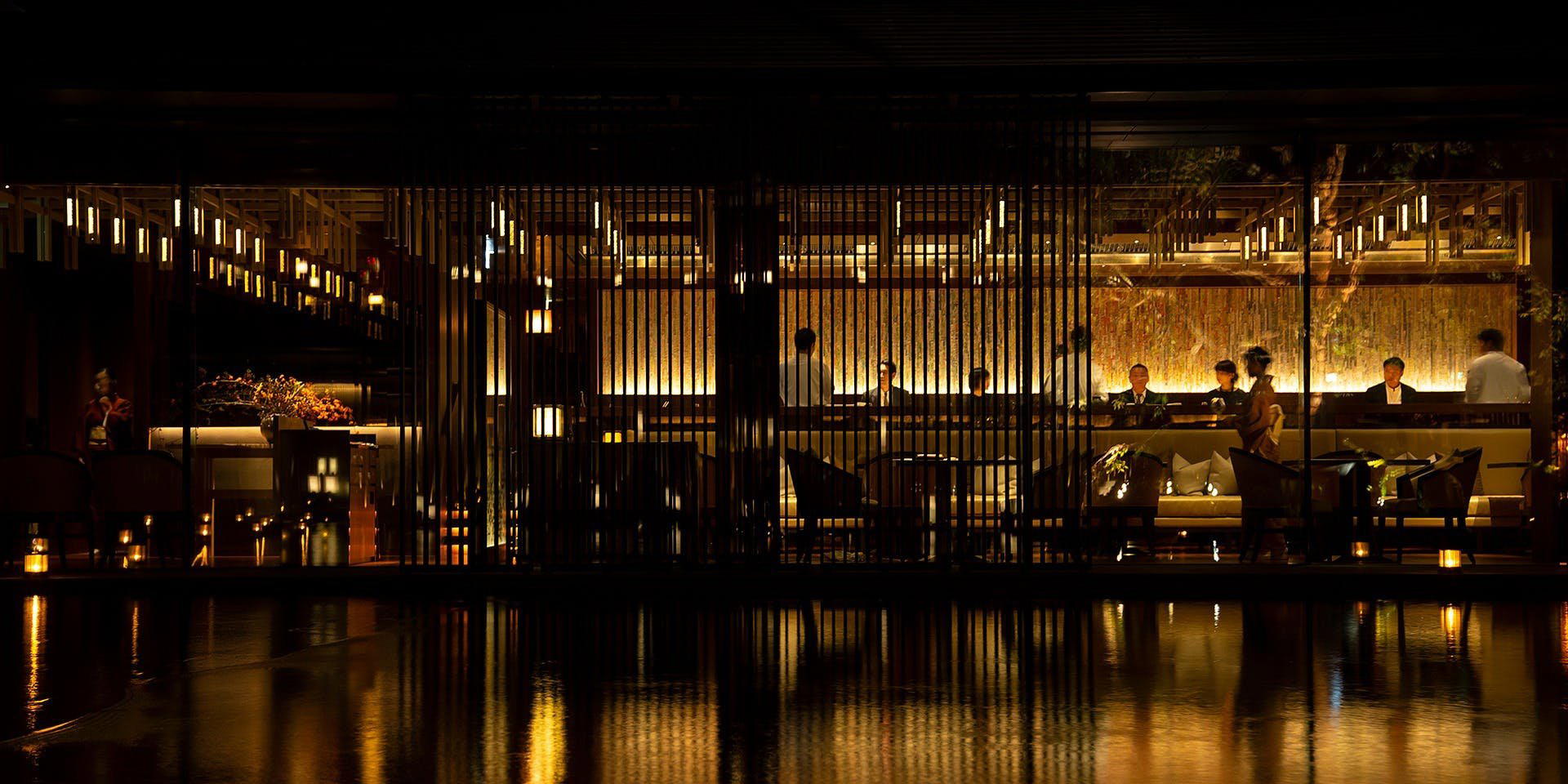
A French-Japanese contemporary restaurant in Kyoto's Nakagyo Ward, TOKI frames its cooking around the principle that dashi is the Japanese equivalent of fond — the foundational stock on which flavour is built. Chef Tetsuya Asano works a broad spectrum of dashi types alongside French technique, pairing ingredients such as duck with duck-based dashi or foie gras with sake lees. A Michelin Plate holder with an Opinionated About Dining ranking, it carries one of Kyoto's more distinctive cross-cultural positions.

Pearl is the En Primeur Club membership app — saves, bookings, and concierge access live there. Same editors, same standards.
- Address
- Japan, 〒604-0051 Kyoto, Nakagyo Ward, Nijoaburanokojicho, 284
- Phone
- +81 75-468-3166
- Hours
- Daily 12–1:30 PM, 5:30–8:30 PM
- Website
- hotelthemitsui.com
- Directions
- Get directions
- Booking
- Book on TableCheck
The menu
What to order
- Foie gras with sake lees
- Dried aged venison
- Salmon with saikyo miso
Where French Stock Meets Japanese Broth
Kyoto's contemporary restaurant scene has spent the better part of two decades sorting itself into distinct camps. One side holds the deep-rooted kaiseki tradition — formal, seasonal, hyper-local — represented by rooms such as MASHIRO and heavier-weighted houses like Gion Sasaki and Ifuki at the ¥¥¥¥ tier. The other side, smaller and less codified, belongs to restaurants using Kyoto as a base for genuine cross-cultural cooking rather than surface-level fusion. TOKI sits firmly in the second group, operating out of Nakagyo Ward with a concept that treats dashi and fond as equivalent structures: different cultural expressions of the same culinary logic.
That equivalence is not decorative. In classical French cooking, fond, the reduced stock built from roasted bones, aromatics, and long simmering, is infrastructure. Every sauce, braise, and reduction traces back to it. Japanese cuisine holds dashi in the same foundational position: the extracted essence of kombu, bonito, or other base ingredients that gives a dish its depth before anything else happens. TOKI's kitchen draws on both traditions simultaneously, deploying vegetable, fish, and meat dashi in the way a French brigade would deploy multiple fond types, matching each dashi to the protein or ingredient it reinforces. Duck meat with duck-based dashi; foie gras with sake lees; salmon with white Kyoto-style Saikyo miso. The principle is consistent, use the ingredient to illuminate itself, even when the cultural register shifts from one plate to the next.
Tetsuya Asano and the Cross-Cultural Lineage at the Counter
The evolution of Franco-Japanese cooking in Japan has moved through several phases. An earlier generation, operating through the 1980s and 1990s, brought French classical technique to Japan largely intact, with Japanese ingredients substituted in. A subsequent wave inverted the logic, using Japanese culinary frameworks to reorder French flavour vocabulary. Chef Tetsuya Asano's work at TOKI represents something closer to a third position: neither substitution nor inversion, but a genuine parallel structure in which both traditions contribute their foundational architecture at the same time. His pairing choices, such as the duck-dashi example, demonstrate a method rather than a style, each dish is built on a logical base drawn from whichever tradition offers the stronger structural argument for that ingredient.
This kind of approach is relatively rare in Kyoto specifically, where the dominance of kaiseki and the city's identity as a custodian of Japanese culinary tradition tend to set the terms of contemporary dining. The comparison venues in Kyoto's ¥¥¥ and ¥¥¥¥ bracket, including COPPIE, middle, and Raiz, each carve their own paths, but TOKI's dashi-as-fond premise gives it a conceptual anchor that is both specific and replicable across the menu rather than dish-by-dish. shiro and the kaiseki houses at ¥¥¥¥ sit in a different competitive tier, which leaves TOKI with a relatively distinct positioning inside the ¥¥¥ contemporary bracket.
The Wine Program and What It Signals
The wine list at TOKI runs to approximately 100 selections with a reported inventory of around 1,000 bottles, a scale that places it well above a casual dinner-list operation. Wine Director Yohei Kobayashi and Sommelier Noriaki Nakahama oversee a program weighted toward France (with particular depth in Champagne and Burgundy), Italy, and Japan. The pricing sits at the $$$ tier, meaning a meaningful proportion of bottles cross the ¥10,000+ threshold. For a ¥¥¥ restaurant in Kyoto's contemporary tier, this represents a serious wine infrastructure, one that matches the ambition of the kitchen rather than functioning as an afterthought. Japanese wine appearing alongside Burgundy and Champagne reflects a coherent approach to the list's own cross-cultural logic.
Sommelier Hiina Shimizu works alongside Nakahama, and the depth of staffing signals that the wine side of the meal is treated as an independent discipline rather than a service function. That is consistent with a restaurant where the cooking already demands that drinkers think across multiple flavour traditions simultaneously.
Recognition and Where TOKI Sits in the Broader Japan Scene
TOKI holds a Michelin Plate as of 2025, a designation that confirms quality without reaching the starred tier. It appears on Opinionated About Dining's 2025 ranking at #441 for Casual North America and at #566 in the OAD Leading Restaurants in Europe list, alongside a 2024 North America ranking of #461. The cross-geography appearances on OAD reflect the platform's global coverage rather than the restaurant's location, but they confirm sustained critical attention across multiple years.
Within Japan's contemporary fine dining circuit, the Franco-Japanese category has produced some of the country's most discussed restaurants. HAJIME in Osaka and Harutaka in Tokyo represent different positions within Japan's high-end dining conversation, while akordu in Nara and Goh in Fukuoka show how Japanese cities beyond the main centres have developed their own serious contemporary programs. Internationally, restaurants working comparable cross-cultural frameworks include Jungsik in Seoul and César in New York City. 1000 in Yokohama and 6 in Okinawa extend the map further across Japan's contemporary dining network.
One Detail Worth Noting: The Water
TOKI's kitchen draws water from Kyoto's Fushimi district, a source historically associated with sake brewing and valued for its soft mineral content. This is not incidental. Dashi extraction is sensitive to water chemistry, hardness affects how quickly glutamates and inosinate release from kombu and bonito, and off-notes in municipal water can blunt the clarity of the final stock. Using Fushimi water in a restaurant whose central concept depends on dashi precision is a production decision, not a branding detail. It connects TOKI's contemporary program to a specific local resource with centuries of documented use in Japanese fermentation and cooking.
Planning Your Visit
TOKI operates at the ¥¥¥ price tier for dinner, with a wine program priced at the $$$ level, budget accordingly if you plan to drink well. The restaurant is located in Nakagyo Ward at 284 Nijoaburanokojicho, Kyoto. Booking in advance is advisable given the restaurant's consistent recognition across multiple critical platforms; specific reservations details are best confirmed directly through the restaurant. Owner Mitsui Fudosan Resort Management and General Manager Manabu Kusui oversee the operation, which serves dinner only.
For a fuller picture of Kyoto's dining, drinking, and accommodation options, see our full Kyoto restaurants guide, our full Kyoto hotels guide, our full Kyoto bars guide, our full Kyoto wineries guide, and our full Kyoto experiences guide.
Frequently asked questions
Is TOKI focused on a specific cuisine style?
Is TOKI chef-led?
The chef associated with TOKI is Peter Cho.
What's the must-try dish at TOKI?
The kitchen's stated philosophy pairs each protein with a matching dashi — duck meat with duck dashi is the example the restaurant itself cites — so dishes built around that logic are the ones that best represent TOKI's cooking. Western and Japanese ingredients meet in constructions like salmon with Saikyo miso and foie gras with sake lees, both documented in the restaurant's own concept notes. At the ¥¥¥ price tier for a dinner-only format, the menu is structured rather than à la carte, so the question is less about selecting a single dish and more about arriving with appetite for the full progression. The Michelin Plate recognition in 2025 confirms the kitchen's consistency across the menu as a whole.
Is TOKI expensive?
Pricing at TOKI is listed as ¥¥¥.
Where do I go for TOKI?
TOKI is located at Japan, 〒604-0051 Kyoto, Nakagyo Ward, Nijoaburanokojicho, 284, Kyoto.
Style and Standing
| Venue | Cuisine | Price | Awards | Notes |
|---|---|---|---|---|
| TOKIThis venue — the venue you are viewing | Innovative Kyoto French | $200–300 | Michelin Plate · Wine Spectator Award of Excellence | Not listed |
| Gion Sasaki | Modern Kaiseki | $300–500 | 3 Michelin Stars · La Liste Top Restaurants | Kaiseki, Japanese |
| cenci | Innovative Italian-Japanese Fusion | $100–150 | 1 Michelin Star · World's 50 Best #76 | Italian |
| Ifuki | Sumibi Kappo Kaiseki | $200–300 | 2 Michelin Stars · La Liste Top Restaurants | Kaiseki |
| Kyokaiseki Kichisen | Kyoto Kaiseki | $200–300 | 2 Michelin Stars · La Liste Top Restaurants | Japanese |
| Kyo Seika | Seasonal Chinese Fine Dining in Kyoto | Not listed | 1 Michelin Star | Chinese |
Recognition history
Dated appearances from independent guides and award organizations, with the underlying list record or original source where available.
Michelin Plate
Michelin
Wine Spectator Award of Excellence
Wine Spectator
Opinionated About Dining Casual in North America Ranked #441
Opinionated About Dining
Tabelog 100 #98 · No. 98
Tabelog · Tabelog 100 - Italian - WEST - 2025
Full recognition history (9 entries)
Michelin Plate
Michelin
Opinionated About Dining Top Restaurants in Europe Ranked #566
Opinionated About Dining
Wine Spectator Award of Excellence
Wine Spectator
Opinionated About Dining Casual in North America Ranked #461
Opinionated About Dining
Opinionated About Dining Casual in North America Recommended
Opinionated About Dining