
A Michelin Plate tempura counter in Gion where the format splits the difference between omakase and à la carte: the chef sequences the meal, but guests add favoured tempura items at will. The head chef's specialism in vegetables gives the seasonal list unusual depth, and sauces are matched to individual items with the same logic applied to wine pairings.
Pearl is the En Primeur Club membership app — saves, bookings, and concierge access live there. Same editors, same standards.
- Address
- 227-3 Nishinocho, Kyoto, 605-0088, Japan
- Phone
- +81 75-541-9679
- Website
- instagram.com
- Directions
- Get directions
 Saves & bookings on Pearl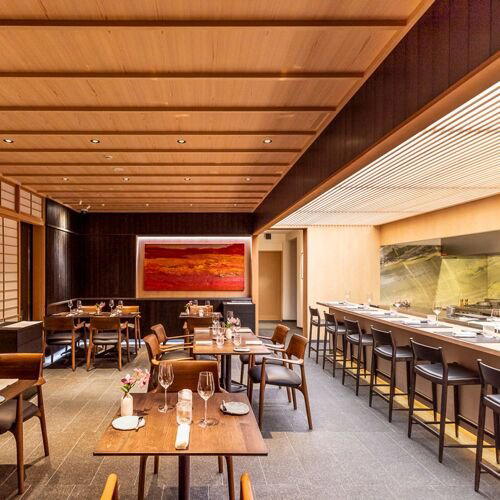
Tempura in Gion: The Format That Shapes the Meal
Kyoto's tempura scene occupies a different register from Tokyo's. Where Edo-style tempura counters in the capital tend toward precision theatre, white coats, sesame oil, each piece timed to the second, Kyoto's approach bends toward the kaiseki sensibility that defines the city's dining culture more broadly: seasonality as discipline, vegetables treated as seriously as protein, and the meal structured as a conversation rather than a performance. Gion Senryu is a Kyoto restaurant in Gion specializing in seasonal tempura omakase at about $157 per person. Situated in Nishinocho on Kyoto's east side, it operates from that local logic. Its format is neither pure omakase nor pure à la carte, but a deliberate hybrid of the two.
The structure works as follows: the kitchen sequences the meal, tempura and decoratively arranged seasonal sashimi, but guests are invited to add whichever tempura items they want as the meal progresses. That balance between guided pacing and personal preference is less common than it sounds. Most high-end tempura counters in Japan ask guests to surrender entirely to the chef's sequence. Here, a degree of agency is built into the format, which changes the rhythm of the table and, practically, the nature of how drinks are chosen and paced.
The Vegetable Depth That Separates This Counter
The kitchen's focus on vegetables shows directly in the menu's composition. Tempura lists in Japan typically weight heavily toward seafood, prawns, whiting, squid, with vegetables appearing as supporting items. At Gion Senryu, the vegetable selection is extensive by any comparison within the category, which in Kyoto specifically carries additional meaning. The city's agricultural tradition, Kyoyasai, the designated heritage vegetables of the Kyoto basin, grown in the alluvial soil of areas like Nishigamo and Yamashina, gives a vegetable-forward kitchen access to produce that rarely appears on menus outside the city. The regional context establishes why a vegetable emphasis in this city reads as a considered culinary position rather than a novelty.
For comparison, look at the broader tempura tier in Kyoto: Miyagawacho Tensho and Tenjaku both operate within the city's tempura offer at varying price points, while Tempura Matsu represents the category's highest expression in the city. Gion Senryu sits in the ¥¥¥ tier, making it a mid-premium option within a neighbourhood where the competition skews expensive.
Sauces as a Pairing System
One of the more interesting structural choices at Gion Senryu is how sauces are handled. Rather than the single tentsuyu dipping broth and salt stations that define most tempura service, sauces here are sometimes chosen to suit particular items, an approach the kitchen explicitly frames as analogous to wine pairing. The logic is sound: the batter profile, oil temperature, and moisture content of a piece of renkon (lotus root) differ substantially from those of a piece of anago (conger eel), and a sauce calibrated to one will flatten the other.
This also shapes beverage pairing. Japanese sake, like the kitchen's sauce approach, varies considerably across styles: a junmai daiginjo with high acidity and a clean finish will work alongside delicately battered vegetables in a way that a rich, aged kimoto would not. Tempura's light batter and high-heat cooking make it one of the more versatile Japanese dishes for pairing, the fat from the frying oil calls for acidity, which sake's broad range can provide, while the seasonal vegetables shift the pairing logic course by course. A kitchen already thinking in terms of sauce-to-item matching is implicitly creating the same framework that a thoughtful sake list would occupy. The culinary structure creates the opening for it.
Rice, Tendon, and Tencha: How the Meal Closes
The closing structure of the meal at the restaurant is worth understanding before you sit down. Rice is cooked in an earthenware pot, donabe, which is the slower, higher-moisture method that produces a more textured result than electric cooking. Two rice formats are available: tendon, where tempura is placed over rice and dressed, and tencha, where the rice is served in a tea broth, often with tempura, a format that shares structural logic with ochazuke and brings a lighter, more cleansing finish to the meal than the richer tendon version. Guests can take both a little at a time, which allows the closing course to extend or abbreviate depending on appetite, rather than committing to a single format.
That flexibility at the close mirrors the format's broader logic. It is a sensible design for a counter that sits in Gion's tourist corridor while still attracting repeat local guests, the two audiences have different relationships with portion size and pacing, and the format accommodates both without sacrificing culinary intention.
Gion Senryu in Kyoto's Broader Dining Context
Gion as a dining address has been pulled in two directions over the past decade. The neighbourhood's highest-end rooms, kaiseki counters running ¥¥¥¥ price points, several of them Michelin-starred, have consolidated their positions with international clientele willing to book months ahead. Below that tier, the mid-premium category (¥¥¥) is more competitive and more varied. The restaurant's Michelin Plate recognition places it within the documented quality tier for the neighbourhood without claiming starred status.
Across Japan's other major cities, the tempura category presents different reference points. Numata in Osaka and Mudan Tempura in Taipei show how the format travels and adapts in different urban contexts. For those building a broader Japan itinerary around serious dining, Enyuan Kobayashi represents Kyoto's kaiseki register, while HAJIME in Osaka, Harutaka in Tokyo, akordu in Nara, Goh in Fukuoka, 1000 in Yokohama, and 6 in Okinawa map the category's range across the country's main dining cities. For everything else in Kyoto, hotels, bars, experiences, and wineries, see our full Kyoto hotels guide, bars guide, experiences guide, and wineries guide.
Planning Your Visit
The restaurant is located at 227-3 Nishinocho, Kyoto 605-0088, placing it within the Gion district on the city's east side, walkable from Gion-Shijo Station on the Keihan Line. The price range sits at ¥¥¥, which in Kyoto's current market puts it above casual dining but below the ¥¥¥¥ kaiseki rooms that dominate the neighbourhood's upper tier. Booking is essential, and the restaurant opens daily from 5 to 11 PM.
What Regulars Order at Gion Senryu
The format itself is the answer to this question. Because the menu is built around the chef's sequence with additions at the guest's discretion, regulars tend to use the fixed structure as a baseline and direct their additions toward whichever seasonal vegetables are at peak, the list is extensive enough that it changes the experience meaningfully across visits. The tencha finish (rice in tea broth with tempura) is the lighter closing option and the one better suited to guests who have been adding freely to the main sequence; the tendon format suits those who have held back earlier and want a more substantial close. The sashimi arranged between tempura courses varies with the season, which is the other variable that shifts the experience from one visit to the next.
Standing Among Peers
Comparable venues nearby, for context on price, style, and recognition.
| Venue | Cuisine | Price | Awards | Notes |
|---|---|---|---|---|
| Gion SenryuThis venue — the venue you are viewing | Seasonal Tempura Omakase | $$$ | Michelin Plate | Not listed |
| Torisho sai | Premium Yakitori Omakase | $$$ | Michelin Plate | Nakagyō |
| COPPIE | Modern Japanese Izakaya with Italian Fusion | $$$ | Michelin Plate | Shimogyō |
| Shokudou Ogawa | Modern Japanese Izakaya | $$$ | Not listed | Shimogyō |
| Nawaya | Wood-Fired Seasonal Kaiseki Omakase | $$$ | Not listed | Kyotango |
| Taketoko | Traditional Kyoto Kappo | $$ | Michelin Plate | Nakagyō |
Recognition history
Dated appearances from independent guides and award organizations, with the underlying list record or original source where available.
Michelin Plate
Michelin
Michelin Plate
Michelin
Michelin Plate
Michelin
Continue exploring
More in Kyoto
Restaurants in Kyoto
Browse all →
Bars in Kyoto
Browse all →
Hotels in Kyoto
Browse all →
Wineries in Kyoto
Browse all →
At a Glance
- Elegant
- Intimate
- Quiet
- Sophisticated
- Date Night
- Special Occasion
- Solo
- Chefs Counter
- Open Kitchen
- Historic Building
- Sake Program
- Sommelier Led
- Local Sourcing
Current opening hours
- Monday
- 5–11 PM
- Tuesday
- 5–11 PM
- Wednesday
- 5–11 PM
- Thursday
- 5–11 PM
- Friday
- 5–11 PM
- Saturday
- 5–11 PM
- Sunday
- 5–11 PM
Hours can change for holidays and private events. Last verified .
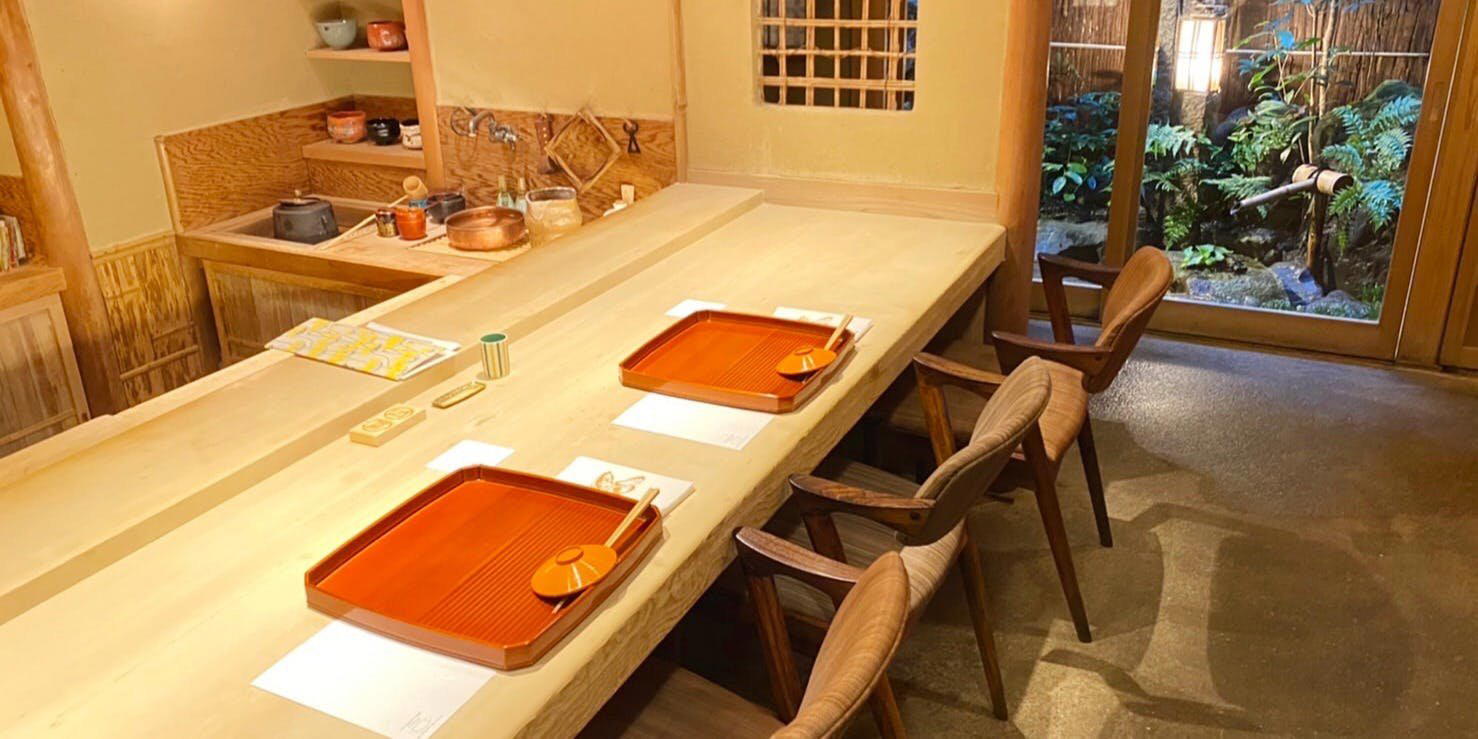
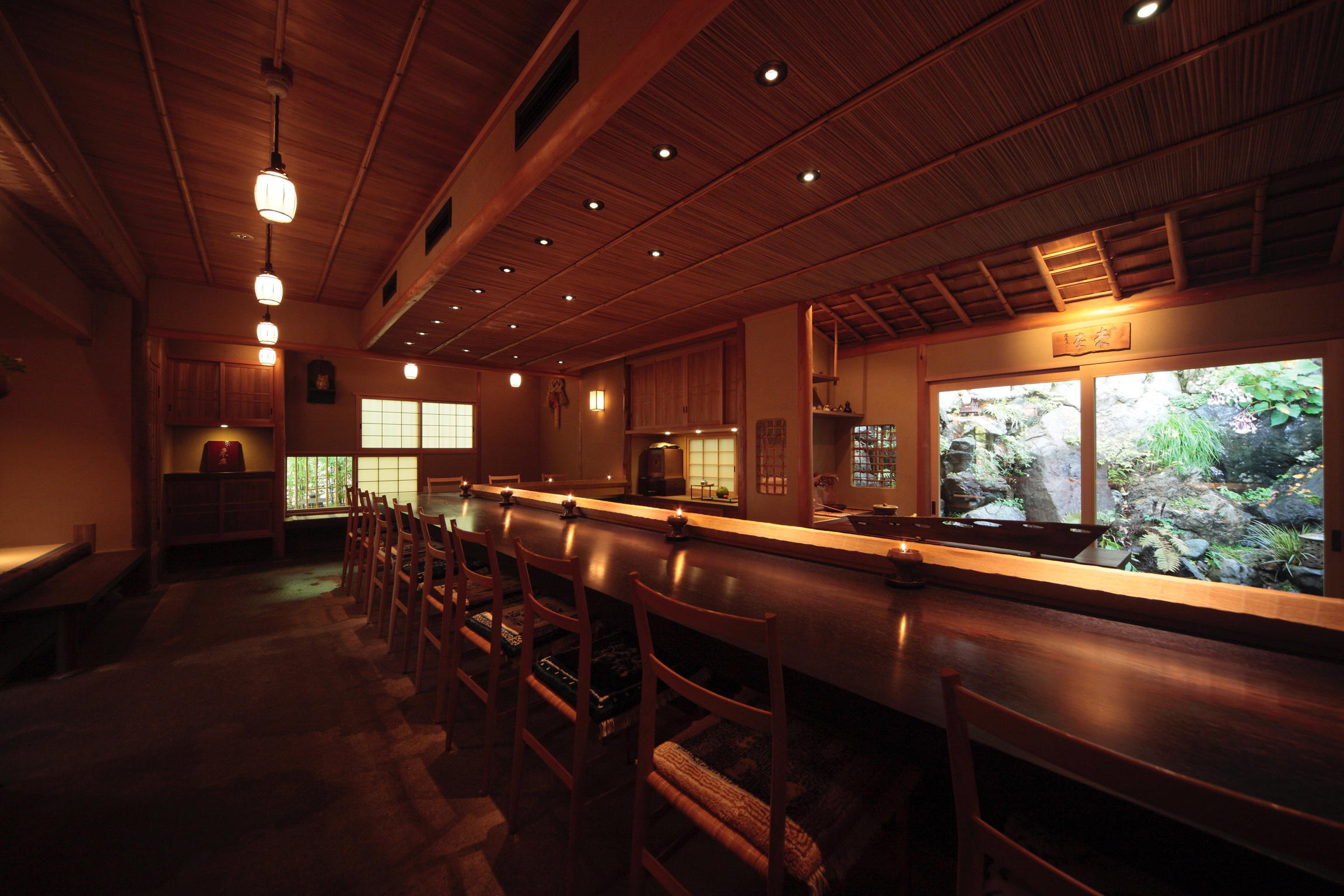
Tranquil, adult-oriented hideaway with warm counter seating overlooking the open kitchen, blending seamlessly into Gion's traditional architecture along Shinmonzen Street.