Our verdict
Clap sits on Martyr’s Square in Beirut’s Annahar Bldg, 8th Floor, serving modern Japanese omakase with Nikkei influences, skyline views, and a sommelier-led drinks program.

Pearl is the En Primeur Club membership app — saves, bookings, and concierge access live there. Same editors, same standards.
- Address
- Martyr’s Square, Annahar Bldg, 8th Floor, Beirut, Lebanon
- Phone
- +96170633888
- Hours
- Daily 8 PM–2 AM
- Website
- claprestaurant.com
- Directions
- Get directions
The menu
What to order
- Wagyu Beef and Foie Gras Gyoza with Dashi Parmesan Cream
- Rock Shrimp Tempura with Spicy Chilli Mayo
- Black Cod Miso
- Seafood Moriawase Ceviche
- Hokkaido Scallops with Foie Gras
Eight Floors Above Martyrs' Square
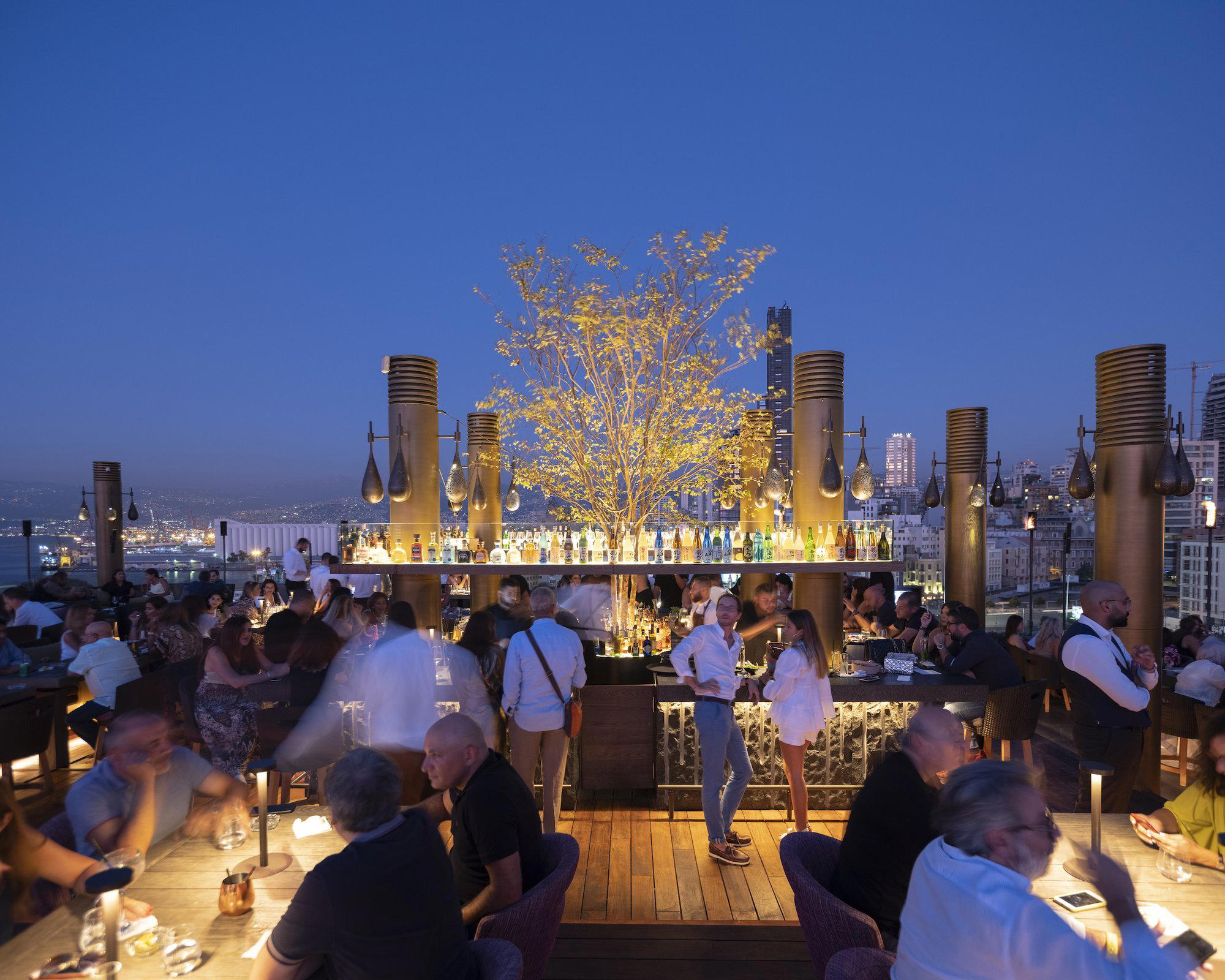
Arriving at Clap means riding an elevator to the eighth floor of the Annahar Building, one of Beirut's more architecturally charged addresses. Martyrs' Square sits below: a space that has absorbed decades of political weight, street demonstrations, and, in recent years, the slow, uneven effort to rebuild a city center that the 1975-1990 civil war largely erased. The view from that height frames central Beirut in a way that few dining rooms in the city can match. The building itself carries editorial lineage, having housed the historic An-Nahar newspaper, and that cultural residue shapes the context in which any restaurant here operates. At this altitude, the room is as much about the panorama as it is about what arrives at the table.
Beirut's restaurant scene has historically been organized around neighborhood nodes: the meze houses of Hamra, the rooftop dining of Achrafieh, the casual-to-formal spectrum along the waterfront. A venue positioned directly on Martyrs' Square occupies a different kind of territory, one more symbolic than residential. For diners exploring the full range of what the city offers, our full Beirut restaurants guide maps those neighborhoods and the venues that define each one.
What Clap Represents in Beirut's Dining Conversation
Beirut has long operated a dual dining register. The first is the Lebanese tradition itself: meze culture built on mezze spreads of hummus, kibbeh, tabbouleh, and slow-cooked meats, where the meal is structured around sharing and abundance rather than a single composed plate. Institutions like Em Sherif and Al Halabi represent the formal expression of that tradition, the kind of Lebanese dining where quality of ingredient and depth of preparation carry the experience. The second register is internationalist, pulling influences from Tokyo, Paris, and New York into a city that has historically been among the most cosmopolitan in the Arab world.
Clap operates in this second register, drawing from Japanese culinary tradition while positioning itself within Beirut's premium dining tier. The brand itself originated in Dubai and has expanded across cities where a certain cross-cultural appetite exists among diners who move between financial capitals. That trajectory places it in a recognizable category: Japanese-inflected, design-forward, oriented toward an international clientele rather than a hyperlocal one. In Beirut, that positioning carries particular meaning. The city's dining culture has always been outward-looking, and venues that import a cosmopolitan format can find traction precisely because the audience is already primed for it.
The comparison set here is less Al Falamanki Sodeco or Al Rawda and more the rooftop dining tier represented by Albergo Rooftop, where the Lebanese tradition is either reinterpreted or set aside entirely in favor of a broader Mediterranean or international grammar. Both tiers have their own integrity; they serve different purposes in a city that demands both.
Japanese Cuisine in a Lebanese Context
The cultural logic of serving Japanese food in Beirut is worth examining directly. Lebanese diners, particularly in the upper income brackets that support venues at this price point, have traveled extensively. Tokyo's sushi culture, the izakaya format, the discipline of Japanese knife work, all of these are not abstractions for this audience. They are reference points formed through travel, through exposure to Japanese restaurants in London, Paris, and New York, cities like the ones where Le Bernardin and Atomix set a global benchmark for what serious cooking looks like. When a Japanese-format restaurant opens in Beirut, it enters a room where the clientele already has a formed opinion about what good looks like.
That creates both an opportunity and a pressure. The opportunity is that the format is understood and valued. The pressure is that comparison is immediate: the audience knows what they are measuring against. Venues working in this space in Beirut need to deliver on the visual precision and technical consistency that the format demands, while also reading the room in a city where conviviality and the social occasion matter as much as the food itself.
Lebanese dining culture has always placed the table at the center of social life. The meze tradition is explicitly communal, a structure designed for conversation and extended time at the table. A Japanese-inflected format that imports share-plate logic, as Clap does with its robata-forward menu, maps reasonably well onto that cultural appetite. The social architecture is compatible even when the culinary tradition is not the same.
For those who want to cross-reference this style of dining against what Lebanon's own tradition produces at its most accomplished, venues such as Lakkis Farm in Baalbek or Feniqia in Byblos show how deep the Lebanese culinary tradition runs when given the right setting and sourcing.
The Scene and Who It Serves
Clap in Beirut draws from the same cohort as its sibling operations elsewhere: professionals in their thirties and forties, an internationalized crowd that reads design as a signal of quality, and diners for whom the evening is as much about the energy of the room as the specific composition of any dish. The eighth-floor position reinforces that. Rooftop and refined dining rooms in Beirut have historically attracted a particular kind of evening: dressed, social, oriented toward seeing and being seen as much as eating seriously.
That does not diminish the food; it contextualizes how to think about the experience. Beirut's more technically focused dining, the kind of kitchen work happening at BRUT by Youssef Akiki in the Keserwan District or the neighborhood-embedded conviction of Onno Bistro in Bourj Hammoud, operates with a different center of gravity. Both are legitimate ways to spend an evening in Beirut; they are simply optimized for different things.
Visitors to the wider Lebanese food scene who want to follow the thread outward will find that the country's dining extends well beyond Beirut. Jammal in the Batroun District, Shams in Aanjar, and Laiterie Massabki in Chtoura each represent a strand of Lebanese food culture that has little to do with international formats and everything to do with place, product, and accumulated knowledge. Kitchen Garage in the Aley District and Al Halabi in the Matn District extend that map further. Even within Beirut itself, a stop at Falafel Sahyoun is a reminder of what the city's street-level food culture can deliver without a rooftop view or a designed interior.
Planning a Visit
The Annahar Building address puts Clap in the heart of the city center, within reach of Gemmayzeh and the waterfront by a short drive. Given Beirut's variable traffic patterns and the general unpredictability of movement around the downtown core, building in extra time before an evening booking is advisable. The eighth-floor location and the premium positioning of the venue suggest that evenings tend to run late, as is consistent with Beirut dining culture broadly. Reservations are advisable for weekend evenings, when the combination of a central address, a recognizable brand, and a social crowd creates real demand for the room.
Frequently asked questions
Is Clap a family-friendly restaurant?
Clap's format — an eighth-floor venue above Martyrs' Square with an evening social atmosphere — places it in Beirut's premium adult dining tier rather than the family-oriented meze restaurant category. It is better suited to adult dinners, client entertaining, or group occasions with older teenagers. Families with young children will find it an awkward fit given the setting and pace of service.
What's the vibe at Clap?
The room runs social and dressed, consistent with Beirut's upper-tier dining circuit. The eighth-floor position in the Annahar Building puts Martyrs' Square directly below, which adds a distinct visual backdrop that most ground-level venues in the city cannot offer. Expect a crowd in their thirties and forties, a mix of Beirut professionals and internationals, and an energy that picks up as the evening progresses.
How does Clap Beirut compare to other Japanese restaurants in the city?
Clap operates within a small cohort of Beirut venues that have built programming around Japanese cuisine rather than the Lebanese meze tradition. Its eighth-floor address in the Annahar Building on Martyrs' Square is a physical differentiator — most Japanese restaurants in Beirut operate at street level in Gemmayzeh or Achrafieh. The robata-and-sharing format also distinguishes it from sushi-focused alternatives in the premium segment.
What should I eat at Clap?
Clap's menu draws from Japanese robata grilling and izakaya-style sharing formats, which means the table is built around multiple smaller plates rather than individual mains. The robata grill is the structural anchor of the menu.
Where exactly is Clap?
Clap is located at Martyr’s Square, Annahar Bldg, 8th Floor, Beirut, Lebanon, Beirut.
Do I need a reservation for Clap?
For weekend evenings, booking ahead is the sensible move. A single-floor venue at this address and price point in Beirut, with views over Martyrs' Square, draws a consistent crowd that fills tables early in the evening. Walk-ins may find space on quieter weeknights, but the risk is higher on Thursdays through Saturdays.
Booking and Cost Snapshot
Comparable venues nearby, for context on price, style, and recognition.
| Venue | Cuisine | Price | Notes |
|---|---|---|---|
| ClapThis venue — the venue you are viewing | Modern Japanese Omakase with Nikkei Influences | $100–150 | Not listed |
| Burgundy | Modern French Fine Dining | $50–100 | Saifi Village, Modern French Fine Dining |
| Mayrig | Authentic Armenian | $30–50 | Gemmayzeh, Authentic Armenian |
| Al Rawda - Shatila - Restaurant | Traditional Lebanese | $10–20 | Manara, Traditional Lebanese |
| Marinella | Classic Italian Trattoria | $50–100 | Mar Mikhael, Classic Italian Trattoria |
Continue exploring
More in Beirut
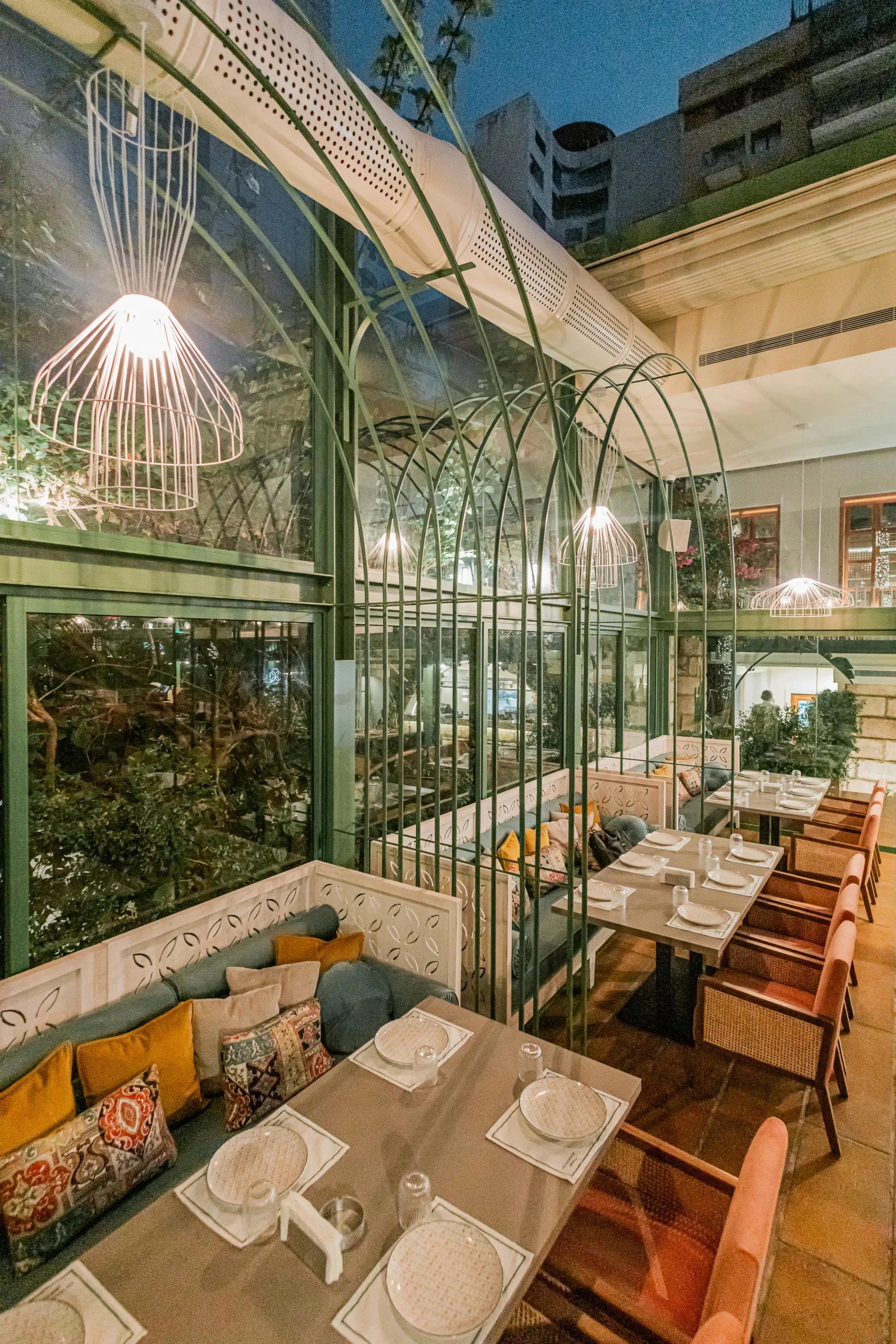
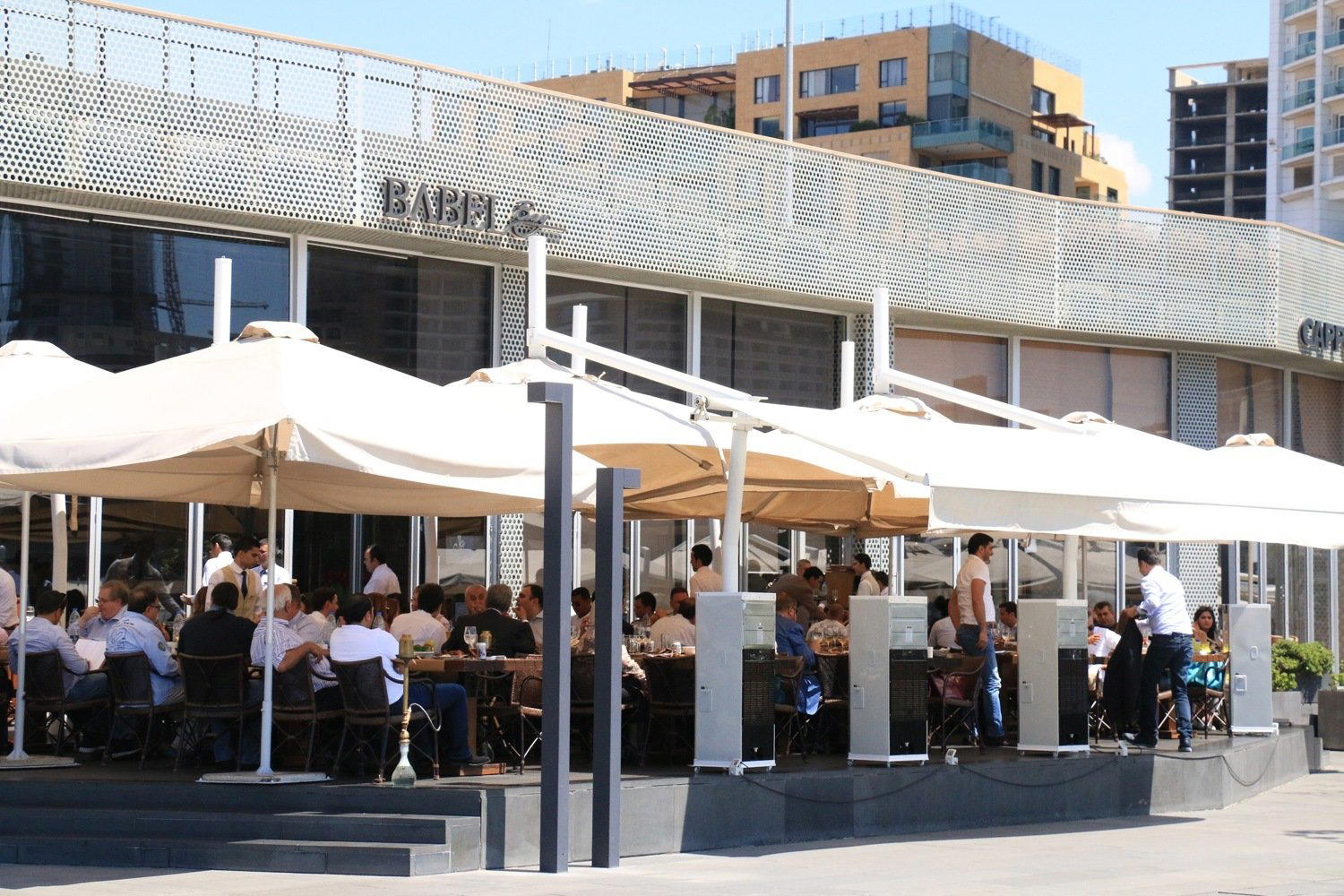
Restaurants in Beirut
Browse all →
Bars in Beirut
Browse all →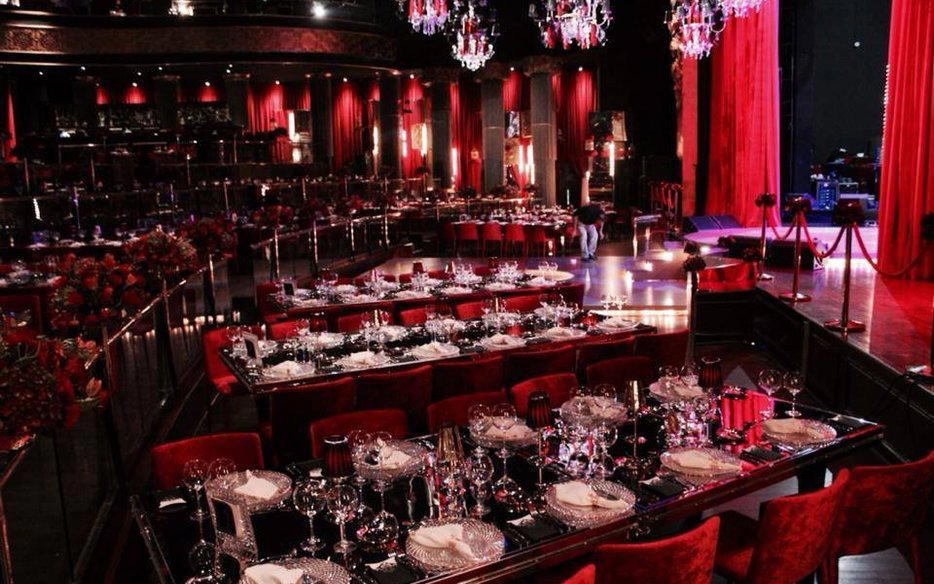
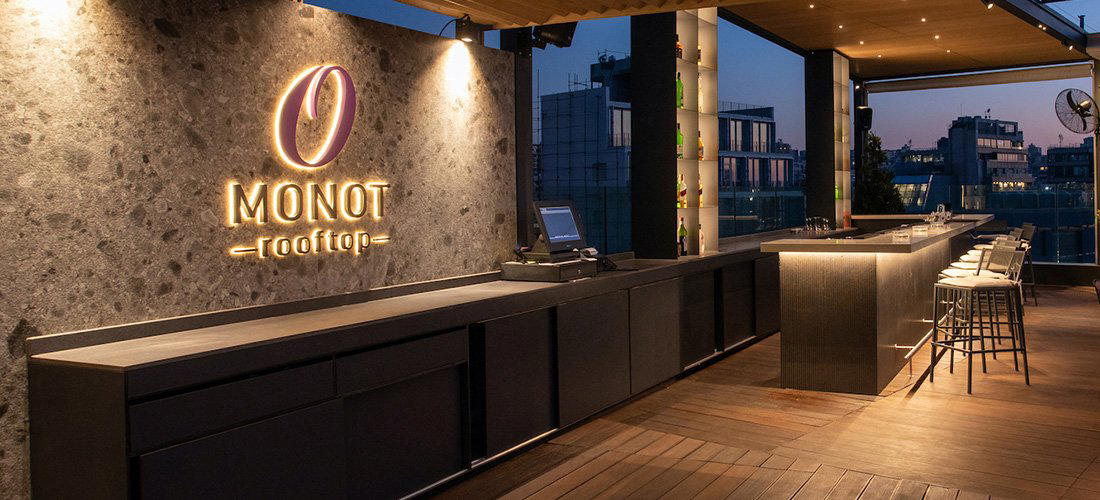
Hotels in Beirut
Browse all →

Details
- Elegant
- Sophisticated
- Modern
- Scenic
- Romantic
- Date Night
- Special Occasion
- Business Dinner
- Celebration
- Rooftop
- Panoramic View
- Open Kitchen
- Terrace
- Design Destination
- Extensive Wine List
- Craft Cocktails
- Sake Program
- Sommelier Led
- Skyline
- Omakase
- Tasting Menu
- Signature Cocktails
- Vintage Champagnes
- House Sake
- Pescatarian Friendly
Current opening hours
- Monday
- 8 PM–2 AM
- Tuesday
- 8 PM–2 AM
- Wednesday
- 8 PM–2 AM
- Thursday
- 8 PM–2 AM
- Friday
- 8 PM–2 AM
- Saturday
- 8 PM–2 AM
- Sunday
- 8 PM–2 AM
Hours can change for holidays and private events. Last verified .
Modern and luxurious with warm, ambient lighting from fire pits and an illuminated bar; sophisticated indoor dining room with an open kitchen; spacious outdoor terrace with comfortable seating overlooking the city skyline.