Château Héritage

Set against a backdrop where Roman temples dedicated to Bacchus once stood, the winery positions itself within Lebanon's small tier of prestige producers. Visitors approaching the region encounter a winemaking tradition that predates most European appellations by several millennia.
Pearl is the En Primeur Club membership app — saves, bookings, and concierge access live there. Same editors, same standards.
- Address
- Qob Elias, Kab Elias, Elias Touma Building, Lebanon
- Phone
- +961 3 650 829
- Website
- chateauheritage.com
- Directions
- Get directions
 Saves & bookings on Pearl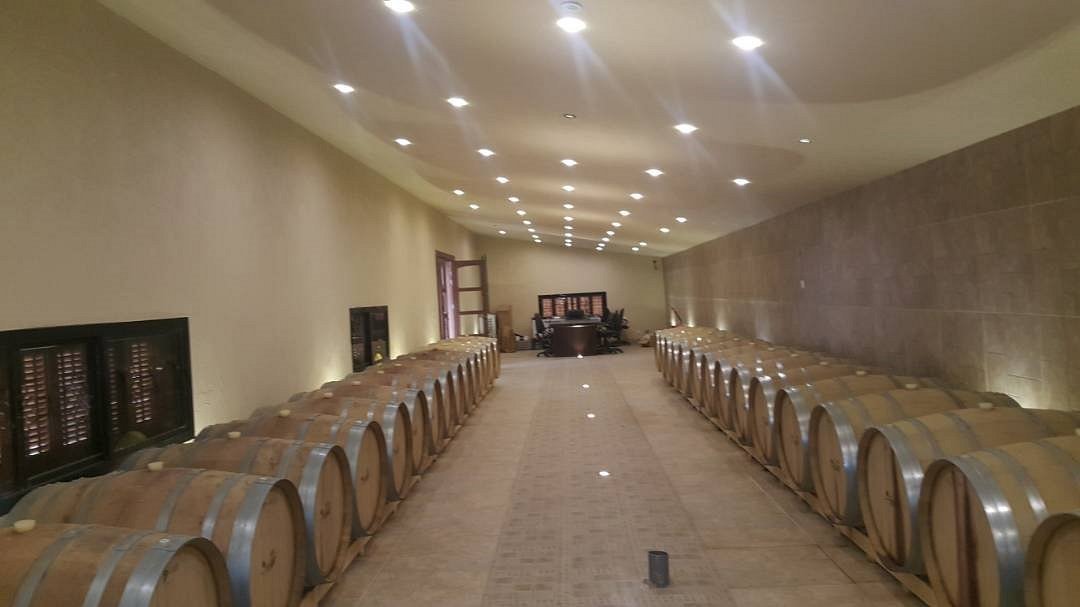
Where Roman Ruins and Lebanese Vines Share the Same Soil
The Bekaa Valley floor sits roughly 1,000 metres above sea level, flanked by the Lebanon and Anti-Lebanon mountain ranges, and the light here has a particular quality: sharp and dry through most of the growing season, softening at altitude into something that suits slow phenolic development in the grape. It is the kind of terrain that makes sense only when you know that winemaking in this corridor predates the Roman Empire by at least two thousand years. The Temple of Bacchus at Baalbek, the Roman god of wine, still stands a short distance from the valley's active vine rows, not as metaphor but as archaeology. No other wine region in the Middle East carries that specific historical weight at such proximity to its current production.
Within that setting, Château Héritage operates from Qob Elias, in the Kab Elias zone of the valley. The address places it in the central Bekaa, the part of the appellation that most Lebanese producers consider the core. Its 2025 recognition places it among the region's standout producers.
The Bekaa's Prestige Tier and Where Château Héritage Sits Within It
Lebanese wine has reorganised itself considerably over the past two decades. What was once a category largely defined by a handful of long-established houses has expanded to include a new generation of smaller, more focused producers working with both indigenous Lebanese varieties and international grapes adapted to the valley's specific conditions. The prestige tier, estates making wines assessed at awards level rather than commercial volume, now includes a diverse comparable set. Among them, Château Oumsiyat, also in the Bekaa, and Château Kefraya in Kafraya represent different approaches to the region's potential, one favouring precision, the other scale and tradition. Château Cana and Karam Wines in Southern Lebanon extend the category into different sub-regions, indicating that Lebanese prestige wine is no longer exclusively a Bekaa Valley story, even if the valley remains its centre of gravity.
The Pearl system is structured so that two-star recognition indicates wines of consistent quality and character rather than occasional achievement, a distinction that matters when the regional market includes significant variation in production standards. For visitors planning a serious tour of the Bekaa's wine estates, that credential is a useful filter.
Winemaking Philosophy in a Region With Millennia of Precedent
Any winemaker working in the Bekaa Valley does so against an unusually long shadow. The valley's terroir has been understood, cultivated, and documented since the Phoenician period, and the challenge for contemporary producers is less discovery than interpretation: how do you make wines that are distinctly Lebanese without being merely traditional, and how do you meet international quality benchmarks without erasing what the region's soils and climate actually produce?
The approach that defines the Bekaa's serious estates tends to prioritise the valley's natural advantages: altitude, diurnal temperature variation, and a dry growing season that limits disease pressure and concentrates flavour. These are conditions that suit winemakers who prefer minimal intervention, allowing the fruit to develop fully without requiring correction. The Bekaa can produce reds with structure and freshness that sit closer in style to mountain appellations in southern France or certain parts of Italy than to hotter, lower-elevation Mediterranean producers.
The region's most compelling wines have generally come from producers who understand that restraint in the cellar is not passivity but a form of confidence in the source material. That philosophy applies across the Bekaa's prestige tier, and the estates that have built lasting reputations are those whose wines can develop in bottle over time rather than being built for immediate consumption.
Visiting Château Héritage: What to Know Before You Go
The winery is located in Qob Elias, within the Kab Elias municipality of the central Bekaa Valley. The address, the Elias Touma Building, Qob Elias, places it in a working village rather than a purpose-built wine tourism facility, which is consistent with how many of Lebanon's more focused producers operate. Wine tourism in the Bekaa is less formalised than in, say, Napa or Bordeaux, and visitors generally benefit from making contact with estates in advance rather than arriving without an appointment.
Pre-visit coordination is wise, with hotels in Chtaura or Zahle often able to help with introductions. Zahle in particular functions as the valley's hospitality hub, with a restaurant and café culture along the Berdawni River that makes it a natural base for anyone spending two or more days tasting in the region.
The Bekaa Valley is accessible year-round, but the optimal visiting window for understanding the production cycle runs from late summer through autumn harvest, typically August to October, when activity at the estates is highest. Spring visits offer a different perspective: the vines are in early growth, the valley is green, and the surrounding mountain ranges retain their snow cover into May. For those focused on tasting finished wines rather than seeing the vineyard cycle, winter and early spring can mean smaller crowds and more time with estate staff.
Budget Reality Check
Comparable venues nearby, for context on price, style, and recognition.
| Venue | Cuisine | Price | Awards | Notes |
|---|---|---|---|---|
| Château HéritageThis venue — the venue you are viewing | Kab-Elias, Cabernet Sauvignon, Syrah | $$ | World's 50 Best #33 | Not listed |
| Château Oumsiyat | Winery | Not listed | World's 50 Best #21 | Not listed |
| Château Heritage | Winery | Not listed | World's 50 Best #48 | Not listed |
| Château Cana | Winery | Not listed | World's 50 Best #48 | Not listed |
| Château Kefraya | Not listed | $$$ | World's 50 Best #41 | West Bekaa Valley, Cabernet Sauvignon, Syrah |
| Karam Wines | Winery | Not listed | World's 50 Best #14 | Not listed |
Recognition history
Dated appearances from independent guides and award organizations, with the underlying list record or original source where available.
Falstaff Winery - Listed
Falstaff
World's 50 Best Best Vineyards #33
World's 50 Best
World's 50 Best Best Vineyards #35
World's 50 Best
World's 50 Best Best Vineyards #39
World's 50 Best
World's 50 Best Best Vineyards #48
World's 50 Best
World's 50 Best Best Vineyards #49
World's 50 Best
Continue exploring
More in Bekaa Valley
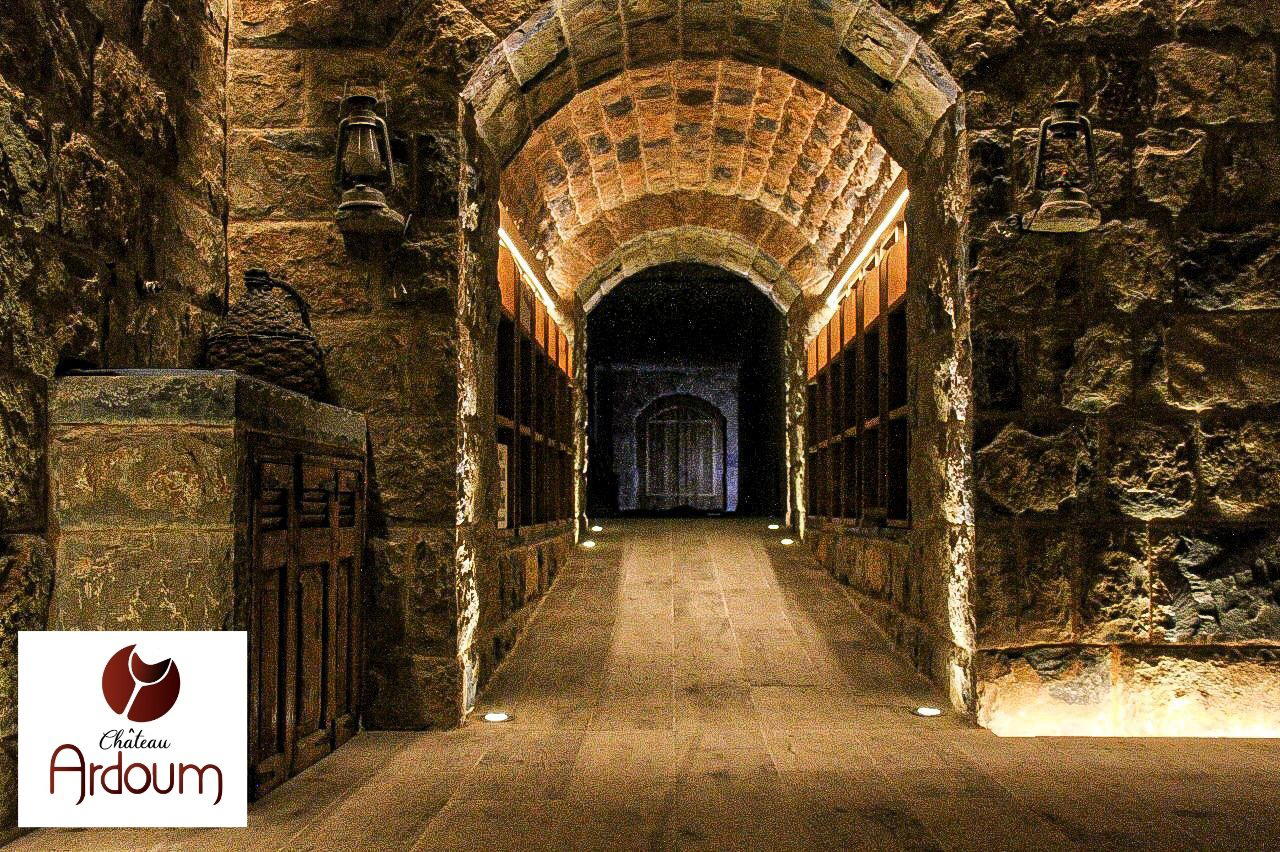
Wineries in Bekaa Valley
Browse all →
Bars in Bekaa Valley
Browse all →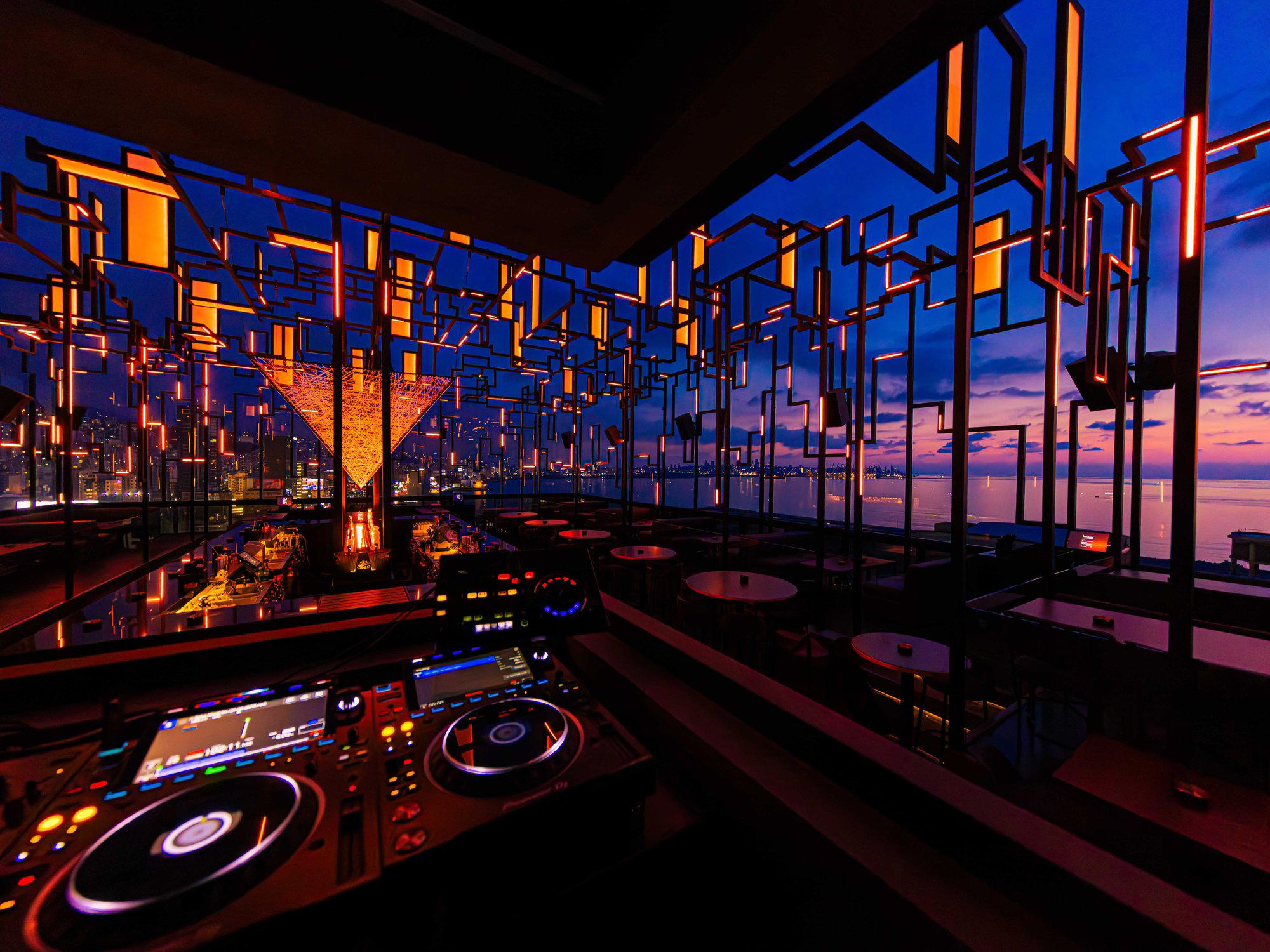
Restaurants in Bekaa Valley
Browse all →
At a Glance
- Rustic
- Scenic
- Classic
- Wine Education
- Celebration
- Vineyard Tour
- Mountain
- Vineyard
- Bekaa Valley IGP
- Cabernet Sauvignon
- Syrah
- Cinsault
- Cabernet Franc
- Carignan
- Grenache
- Merlot
- Mourvèdre
- Tempranillo
- Still Red
- Still White
- Still Rosé
- Cave Tasting
Current opening hours
- Monday
- Closed
- Tuesday
- Closed
- Wednesday
- Closed
- Thursday
- Closed
- Friday
- Closed
- Saturday
- 10 AM–3 PM
- Sunday
- Closed
Hours can change for holidays and private events. Last verified .
Historic family atmosphere amid Bekaa Valley vineyards with welcoming hospitality.