
World's 50 Best #27
Central Station occupies a corner of Beirut's Armenia Street, pulling regulars from across the city's fragmented dining scene. The address sits within a neighbourhood where industrial-era architecture and contemporary hospitality have found an uneasy coexistence. For a city that drinks seriously and eats with conviction, Central Station is worth understanding on its own terms.

Pearl is the En Primeur Club membership app — saves, bookings, and concierge access live there. Same editors, same standards.
- Address
- VGWG+R7Q, Armenia, Beirut, Lebanon
- Phone
- +96171736737
- Hours
- Mon–Thu 4 PM–12 AMFri–Sat 4 PM–1 AMSun 4 PM–12 AM
- Website
- admin.eatapp.co
- Directions
- Get directions
- Booking
- Book on the venue's website
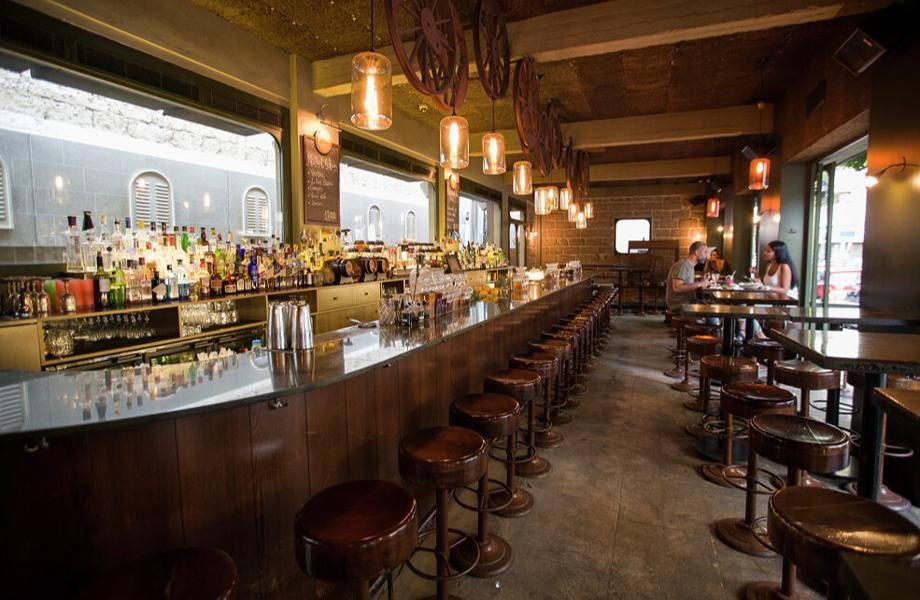
Beirut's Drinking Culture and Where Central Station Fits
Beirut's bar and dining scene operates on a logic that outsiders often misread. The city does not have a single hospitality district; it has overlapping micro-neighbourhoods, each with a distinct register. Mar Mikhael draws the post-industrial crowd, Gemmayzeh runs on neighbourhood loyalty, and the Armenia Street corridor has developed a quieter but no less committed set of regulars. Central Station sits within this last zone, at an address that places it close to the arterial energy of the city without being absorbed by it.
What defines serious drinking culture in Beirut is not the volume of options but the specificity of allegiance. Regulars in this city do not rotate casually between venues; they adopt places and return with a frequency that turns a bar into a kind of social infrastructure. The venues that survive Beirut's economic volatility tend to be the ones that anchor a community rather than chase a trend. Central Station, by its location and by the general character of the Armenia Street area, appears to operate within that tradition.
The Wine Question in a City That Takes It Seriously
Lebanon has one of the most underexamined wine industries in the Mediterranean basin. The Bekaa Valley, sitting at altitude between the Lebanon and Anti-Lebanon mountain ranges, produces conditions that suit Cabernet Sauvignon, Cinsault, Obaideh, and Merwah with genuine conviction. Châteaux Musar, Ksara, and Kefraya built international reputations across decades; a younger generation of producers, including BRUT by Youssef Akiki in Keserwan District, has pushed further into low-intervention and single-vineyard territory. The result is a domestic wine culture with real depth, and Beirut's better venues have begun to reflect that.
A wine list in this city tells you something specific about a venue's positioning. Lists that lean heavily on French and Italian imports signal a clientele that trusts international credentials above local ones. Lists that integrate Lebanese producers, particularly from smaller houses, signal a different kind of confidence: the venue is betting that its audience knows enough to follow. The most interesting wine programs in Beirut currently sit somewhere between these poles, using international reference points to frame Lebanese bottles that would otherwise require explanation.
But the Armenia Street address and the venue's apparent positioning within Beirut's independent scene suggest an audience that would respond to a list with local roots. In a city where Em Sherif has built its wine program around the ceremony of Lebanese hospitality, and where rooftop addresses like Albergo Rooftop trade on the romance of an refined pour, Central Station's approach to wine would be the sharpest indicator of which tier of the city's drinking culture it is genuinely addressing.
The Food Context: Lebanese Tables and What They Demand
Food in Beirut is almost always communal and almost always abundant. The mezze tradition is not a starter format; it is the meal, structured around a table logic where dishes arrive in waves and conversation fills the gaps. Venues that try to impose a European tasting-menu rhythm on this tradition tend to create friction with local audiences. The places that work in Beirut work because they understand that the table is a social unit first and a culinary one second.
Within the city, the range runs from the institutionalised mezze of places like Al Halabi, which has built its reputation on a specific register of classic Lebanese cooking, to the more casual, neighbourhood-facing rhythm of Al Falamanki Sodeco, where the argileh and the long table sit in comfortable coexistence. Al Rawda represents yet another register: the kind of local institution that has survived precisely because it never tried to be anything other than what it was.
What the Armenia Street location implies is a venue that is likely operating in a more contemporary register than the classic mezze houses, and potentially with a bar-forward identity where the food plays a supporting but serious role. This is a pattern common to the better independent venues in the Mar Mikhael and Gemmayzeh corridors, and one that has proven durable in Beirut's volatile hospitality economy.
The Wider Lebanese Table: Day Trips and Regional Context
Beirut's dining scene does not exist in isolation from the rest of Lebanon, and serious visitors tend to treat the country as a single gastronomic geography rather than a capital-and-periphery binary. The Bekaa Valley offers reference points that go beyond wine: Lakkis Farm in Baalbek and Shams Restaurant in Aanjar each represent a different strand of regional cooking that the city's restaurants often reference but rarely replicate. Along the coast, Feniqia in Byblos and Jammal in Batroun District frame seafood within a Phoenician coastal tradition that has genuine historical weight. For a different kind of register, Laiterie Massabki in Chtoura has become a point of reference for Lebanese dairy production in the same way that a specific fromager anchors a regional food identity in France.
Within greater Beirut, the restaurant map extends into the surrounding districts. Onno Bistro in Bourj Hammoud operates within the Armenian-Lebanese cultural overlap that gives that neighbourhood its specific character. Al Halabi in Matn District extends a well-known brand into a different demographic zone. Kitchen Garage in Aley District and Falafel Sahyoun each anchor a very different end of the price and formality spectrum. The broader picture, mapped in our full Beirut restaurants guide, shows a dining culture that rewards geographical curiosity as much as neighbourhood loyalty.
Planning a Visit
Central Station's address on Armenia Street places it within walking distance of the Mar Mikhael strip, making it accessible either as a destination or as part of a longer evening that moves between venues. The venue's neighbourhood context suggests it operates on Beirut's typical evening rhythm, which runs later than most European capitals: kitchens and bars here treat midnight as a midpoint rather than a close. For international visitors comparing this city's pace to reference points like Le Bernardin in New York City or Lazy Bear in San Francisco, the contrast in dining tempo is one of the more immediate differences Beirut announces.
How It Stacks Up
| Venue | Price | Awards |
|---|---|---|
| Central StationThis venue — the venue you are viewing | $20–30 | World's 50 Best #27 |
Recognition history
Dated appearances from independent guides and award organizations, with the underlying list record or original source where available.
World's 50 Best Bars #27
World's 50 Best
Full recognition history (2 entries)
World's 50 Best Bars #26
World's 50 Best
Continue exploring
More in Beirut
Bars in Beirut
Browse all →
Restaurants in Beirut
Browse all →
Hotels in Beirut
Browse all →

Details
- Lively
- Trendy
- Energetic
- Modern
- Date Night
- After Work
- Late Night
- Live Music
- Craft Cocktails
- Cocktails
- Vegetarian Friendly
Current opening hours
- Monday
- 4 PM–12 AM
- Tuesday
- 4 PM–12 AM
- Wednesday
- 4 PM–12 AM
- Thursday
- 4 PM–12 AM
- Friday
- 4 PM–1 AM
- Saturday
- 4 PM–1 AM
- Sunday
- 4 PM–12 AM
Hours can change for holidays and private events. Last verified .
Lively and energetic with DJs, modern mixed with old elements, comfortable and lively setting.