Our verdict
Positioned on the second floor of the Qaddoura Building along Rue Dar el Mreisseh in Ain el Mreisseh, Casablanca occupies one of Beirut's most historically layered waterfront corridors. The address alone places it in conversation with the city's long tradition of sea-facing dining rooms where Lebanese coastal cooking and cosmopolitan influences have coexisted for decades. For visitors tracing Beirut's dining geography, this is a reference point on the corniche-adjacent circuit.

Pearl is the En Primeur Club membership app — saves, bookings, and concierge access live there. Same editors, same standards.
- Address
- Rue Dar el Mreisseh, Ain el Mreisseh Qaddoura Bldg 2nd Floor, Beirut, Lebanon
- Phone
- +9611369334
- Hours
- Mon ClosedTue–Sat 12:30–3 PM, 8–11 PMSun 11 AM–3 PM, 8–11 PM
- Website
- instagram.com
- Directions
- Get directions
The menu
What to order
- Grilled octopus
- Sashimi
- Cheesecake
- Chopped lamb
Where the Waterfront Meets the Table
Ain el Mreisseh has a particular register in Beirut's urban fabric. The neighbourhood runs along the city's northwestern corniche, close enough to the sea that the salted air is a constant presence, yet dense enough with mid-century apartment blocks and fishing-adjacent commerce to feel genuinely local rather than curated. Rue Dar el Mreisseh, where Casablanca occupies the second floor of the Qaddoura Building, sits inside that tension: a street with institutional memory, where restaurants have operated in the shadow of the waterfront for generations. That geography matters in Beirut, where a restaurant's address signals its cultural posture as much as its menu does.
Dining rooms on this corridor have historically served the city's professional and intellectual class, people who came for the view and the proximity to the sea but expected the kitchen to hold its own. The elevation of a second-floor position along this stretch is not incidental: it typically means a sightline over the rooftops toward the Mediterranean, the kind of vantage point that frames a meal differently than a street-level terrace. In Beirut, where outdoor dining and the spectacle of the city are as central to the experience as what arrives at the table, position is part of the proposition.
Lebanese Coastal Cooking and the Technique Question
The broader editorial question for any serious kitchen operating in Ain el Mreisseh is how it positions itself along the axis that defines contemporary Beirut dining: the relationship between inherited Lebanese technique and methods that arrived from European or wider international training. This is not a new conversation in the city. Beirut has been a meeting point for culinary traditions since well before the modern restaurant era, and its coastal districts in particular carry a long history of absorbing outside influence without losing the product base that makes Lebanese food legible.
What that means in practice, for kitchens in this neighbourhood, is that the raw material supply is serious. The fish markets adjacent to the Ain el Mreisseh waterfront have supplied restaurant kitchens in this part of the city for decades. Mezze culture, which structures the rhythm of almost every Lebanese meal, provides an architectural framework that can absorb global technique at the component level while keeping the overall experience grounded in local custom. A kitchen that understands this can operate with considerable sophistication without reading as derivative or imported.
Across Beirut, the most interesting restaurants are those that have resolved this tension rather than simply chosen a side. Em Sherif operates as a high-end custodian of Lebanese tradition, with a format and price point that places it firmly in the premium local category. Albergo Rooftop uses its refined setting to frame Lebanese cuisine with an international hospitality register. Al Halabi approaches the same cuisine from a more classically grounded angle. Casablanca's address places it in proximity to this conversation, in a neighbourhood where the expectations are formed by the city's longer dining history rather than by recent trend cycles.
Beirut's Corniche Circuit in Context
Understanding where Casablanca sits requires understanding how Beirut's dining geography distributes itself. The city does not have a single dominant restaurant district in the way that, say, a European capital might. Instead, it operates as a set of overlapping neighbourhood scenes, each with its own cultural character. Gemmayzeh and Mar Mikhael attract a younger, more experimental crowd and have become associated with the city's contemporary wine bar and small-plates format. Verdun and Hamra carry older institutional prestige. The corniche-adjacent neighbourhoods, including Ain el Mreisseh and the stretch running toward Manara, occupy a different register: less trend-driven, more rooted in the kind of dining that has been part of Beirut's social fabric for several decades.
That stability has value in a city that has absorbed enormous disruption since 2019. Many of Beirut's dining institutions have closed, relocated, or fundamentally restructured in response to the economic pressures that followed the financial crisis and the August 2020 port explosion. The restaurants that have persisted along the corniche corridor tend to have customer bases with longer loyalty cycles and a more specific sense of what they are coming for. Seasonal patterns matter here too: the summer months, when Beirut's diaspora returns and the city's social calendar compresses into a few intense weeks, are the period when corniche-adjacent dining rooms typically operate at their highest capacity. Visiting in July or August means competing for tables in a way that the quieter spring or autumn months do not require.
For a broader orientation to the city's restaurant scene, our full Beirut restaurants guide maps the major neighbourhoods and the dining traditions attached to each. Those planning to combine a meal in Ain el Mreisseh with time elsewhere in greater Beirut might also consider Al Falamanki Sodeco for its distinctly different, more casual register, or Al Rawda in Shatila for a neighbourhood experience further south. Beyond the capital, Feniqia in Byblos and Jammal in Batroun represent the coastal dining tradition further up the Lebanese littoral.
Planning a Visit
Casablanca is located at Rue Dar el Mreisseh, Ain el Mreisseh, on the second floor of the Qaddoura Building, in Beirut's northwestern waterfront zone. The address is accessible from the corniche on foot or by car, though parking in this part of the city requires patience, particularly in the evenings. As with the majority of Beirut's established restaurants, visiting in the shoulder months of April through June or September through November tends to offer a more relaxed experience than the compressed summer season. Those interested in comparing the broader category of Lebanese coastal and mezze dining in the region may find useful context at Onno Bistro in Bourj Hammoud, BRUT by Youssef Akiki in Keserwan, or Shams Restaurant in Aanjar for a Bekaa Valley counterpoint to the coastal tradition. For those tracing Lebanon's food geography more broadly, Lakkis Farm in Baalbek and Laiterie Massabki in Chtoura illustrate how far the country's ingredient sourcing and artisan production extend beyond the capital. For international reference points on the question of local-ingredient, global-technique cooking, Le Bernardin in New York and Lazy Bear in San Francisco represent the approach at its most codified in the American context, a useful frame for understanding what Beirut kitchens are often doing in their own, less formalized way. The Kitchen Garage in Aley and Al Halabi in the Matn District round out the picture for anyone building a broader itinerary across Lebanese dining outside Beirut city proper.
Frequently asked questions
How do I find Casablanca?
Casablanca is located at Rue Dar el Mreisseh, Ain el Mreisseh Qaddoura Bldg 2nd Floor, Beirut, Lebanon, Beirut.
What is the precise location of Casablanca in Beirut and how do you get there?
Casablanca is on the second floor of the Qaddoura Building, Rue Dar el Mreisseh, in the Ain el Mreisseh quarter of Beirut's northwestern waterfront zone. The street runs parallel to the corniche, making it accessible on foot from the seafront promenade or by car along the coastal road. The second-floor position means the entrance is not at street level, so first-time visitors should look for building signage rather than a ground-floor frontage.
What do people recommend at Casablanca?
Casablanca draws its identity from the Ain el Mreisseh waterfront, which positions it firmly within Beirut's Lebanese coastal cooking tradition. Given that setting, fish and seafood-forward dishes tend to be the natural focus at restaurants of this type along the corniche. For current menu specifics, contacting the venue directly at its Rue Dar el Mreisseh address is the most reliable route.
Is Casablanca reservation-only?
The venue sits on the second floor of the Qaddoura Building in Ain el Mreisseh, a neighbourhood with consistent dining demand along Beirut's corniche, so advance contact before visiting is advisable.
What's the standout thing about Casablanca?
The address itself is part of the answer: the second floor of the Qaddoura Building on Rue Dar el Mreisseh places Casablanca directly within Ain el Mreisseh, one of Beirut's few genuinely waterfront dining corridors. That positioning, along the northwestern corniche, gives the venue a geographic distinction that restaurants further inland in Hamra or Gemmayzeh cannot replicate.
Can Casablanca adjust for dietary needs?
Reaching out directly to the restaurant at its Ain el Mreisseh location ahead of your visit is the practical approach for specific requirements.
Similar Picks
A quick peer reference to anchor this venue in its category.
| Venue | Cuisine | Price | Awards | Notes |
|---|---|---|---|---|
| CasablancaThis venue — the venue you are viewing | Asian-Mediterranean Fusion | $30–50 | Not listed | Not listed |
| Albergo Rooftop | Mediterranean with Italian Accents | $50–100 | Relais Chateaux Award | Lebanese Cuisine |
| Em Sherif | Traditional Lebanese Fine Dining | $50–100 | World's 50 Best #13 | Not listed |
| Beihouse | Modern Levantine Mediterranean | $50–100 | World's 50 Best #5 · The Best Chef One Knife | Not listed |
| Buco | Modern Gastro Burgers | Not listed | World's 50 Best #39 | Not listed |
| Al Falamanki Sodeco | Traditional Lebanese | $20–30 | Not listed | Not listed |
Continue exploring
More in Beirut
Restaurants in Beirut
Browse all →
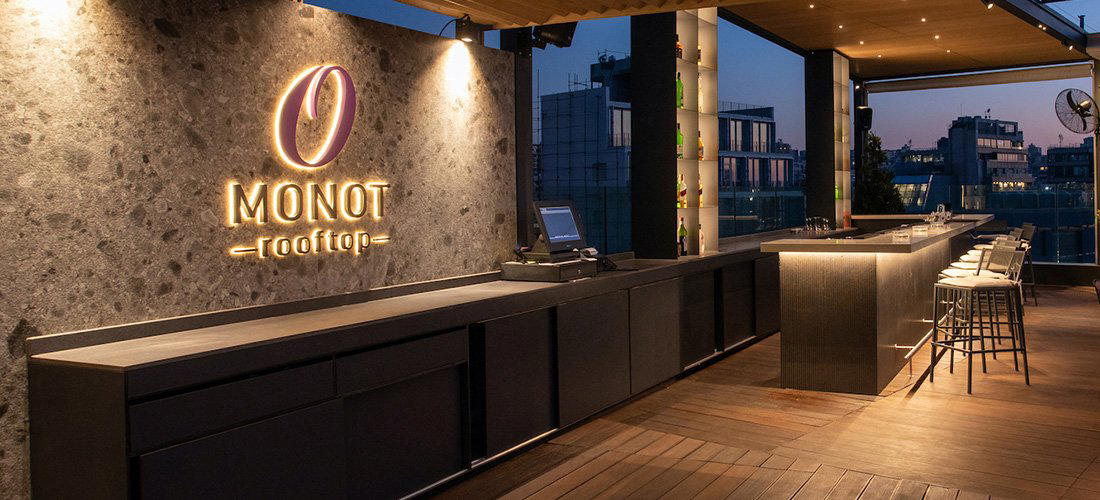
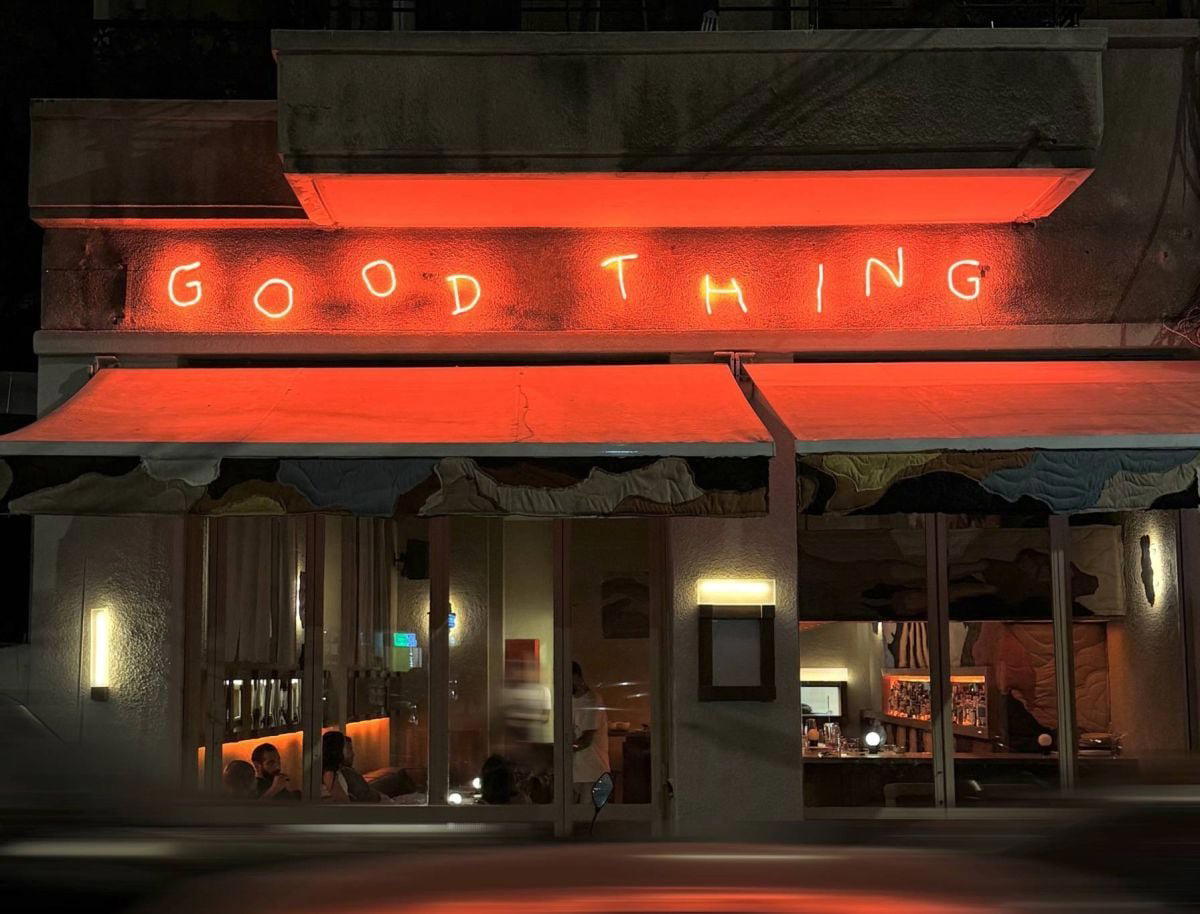
Bars in Beirut
Browse all →
Hotels in Beirut
Browse all →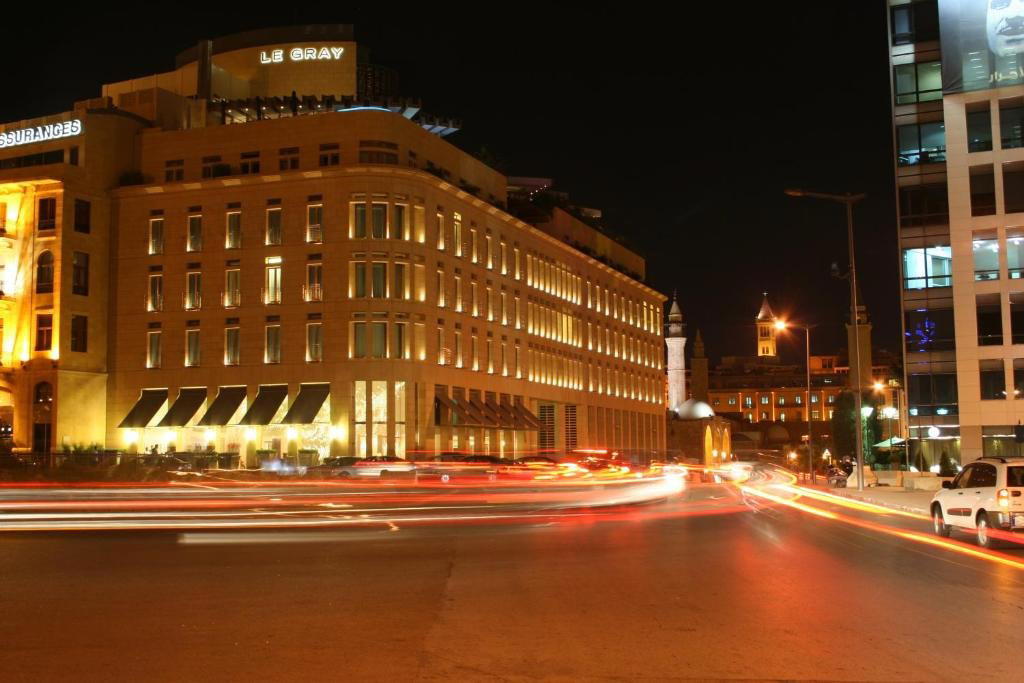

Details
- Romantic
- Elegant
- Intimate
- Scenic
- Sophisticated
- Date Night
- Special Occasion
- Waterfront
- Historic Building
- Craft Cocktails
- Waterfront
- A La Carte
- Vegetarian Friendly
- Vegan Options
- Gluten Free Options
Current opening hours
- Monday
- Closed
- Tuesday
- 12:30–3 PM, 8–11 PM
- Wednesday
- 12:30–3 PM, 8–11 PM
- Thursday
- 12:30–3 PM, 8–11 PM
- Friday
- 12:30–3 PM, 8–11 PM
- Saturday
- 12:30–3 PM, 8–11 PM
- Sunday
- 11 AM–3 PM, 8–11 PM
Hours can change for holidays and private events. Last verified .
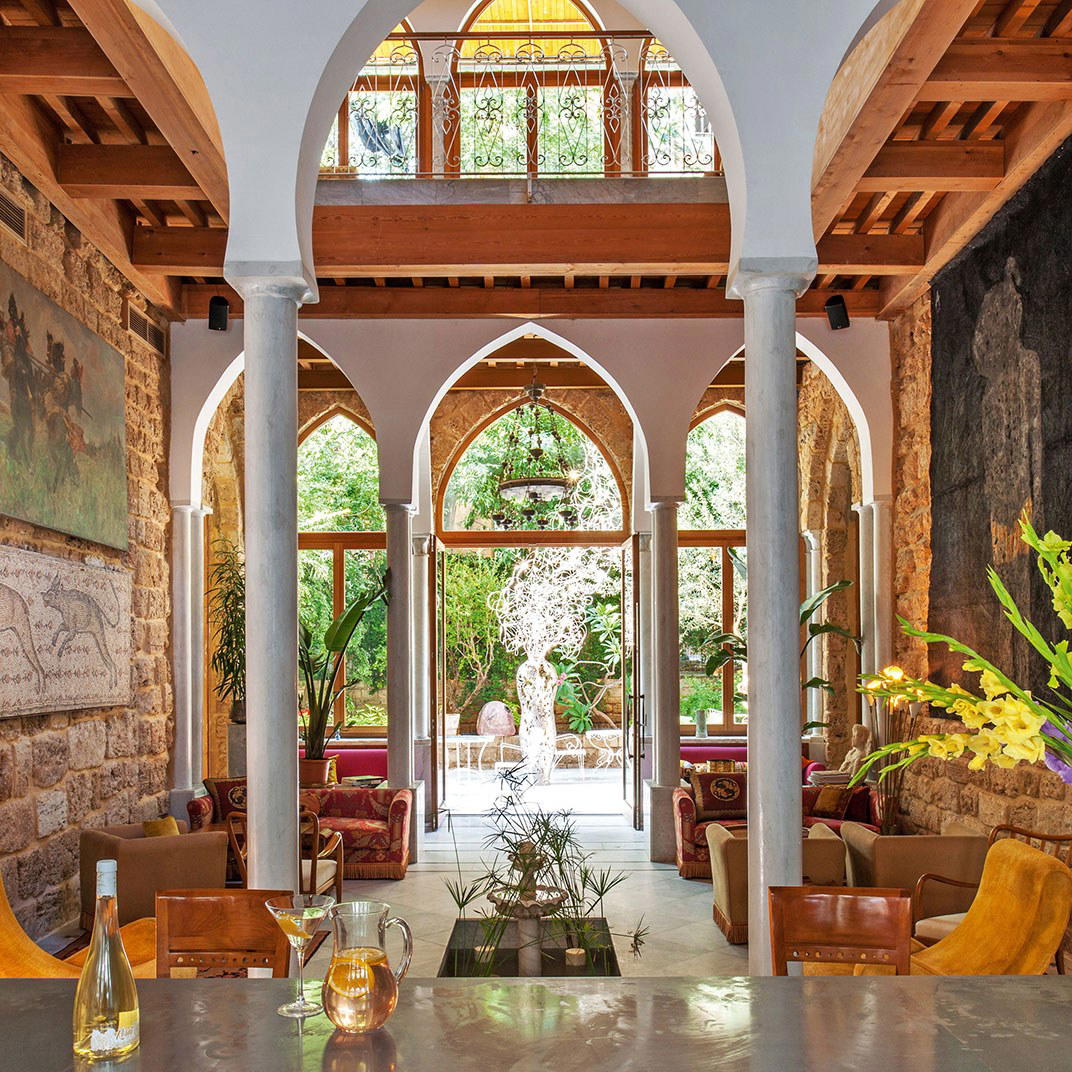
Charming setting in a historic house with high ceilings, ornate plasterwork, and sea-overlooking windows, blending heritage with modern design.