Our verdict
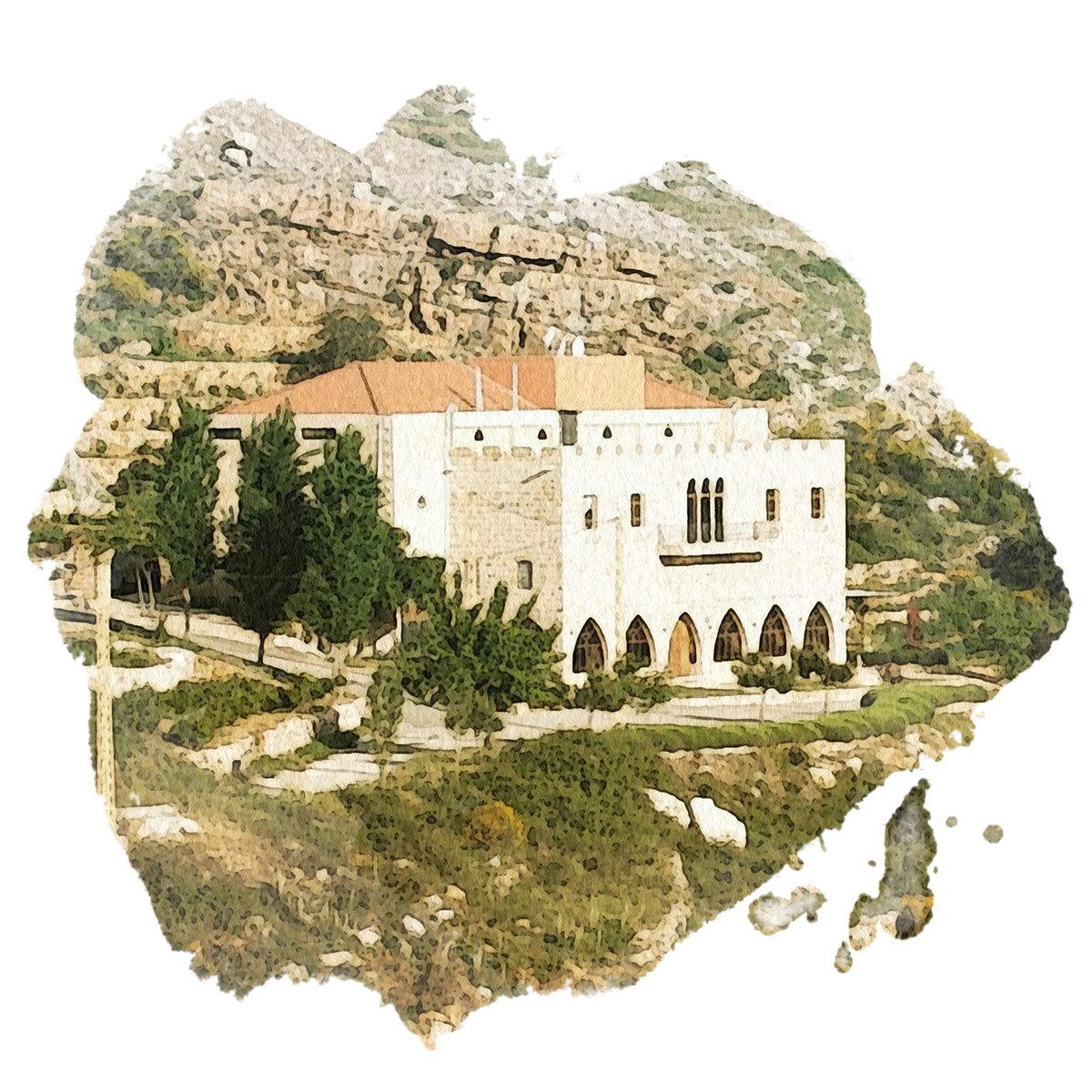
El Soussi serves traditional Lebanese breakfast in a family-owned historic building, with fatteh, ful and hummus suited to breakfast or lunch.

Pearl is the En Primeur Club membership app — saves, bookings, and concierge access live there. Same editors, same standards.
- Address
- Beirut, Lebanon
- Phone
- +9611312145
- Hours
- Mon–Wed 8:30 AM–1 PMThu–Fri 10:30 PM–3 AMSat–Sun 8:30 AM–1 PM
- Website
- facebook.com
- Directions
- Get directions
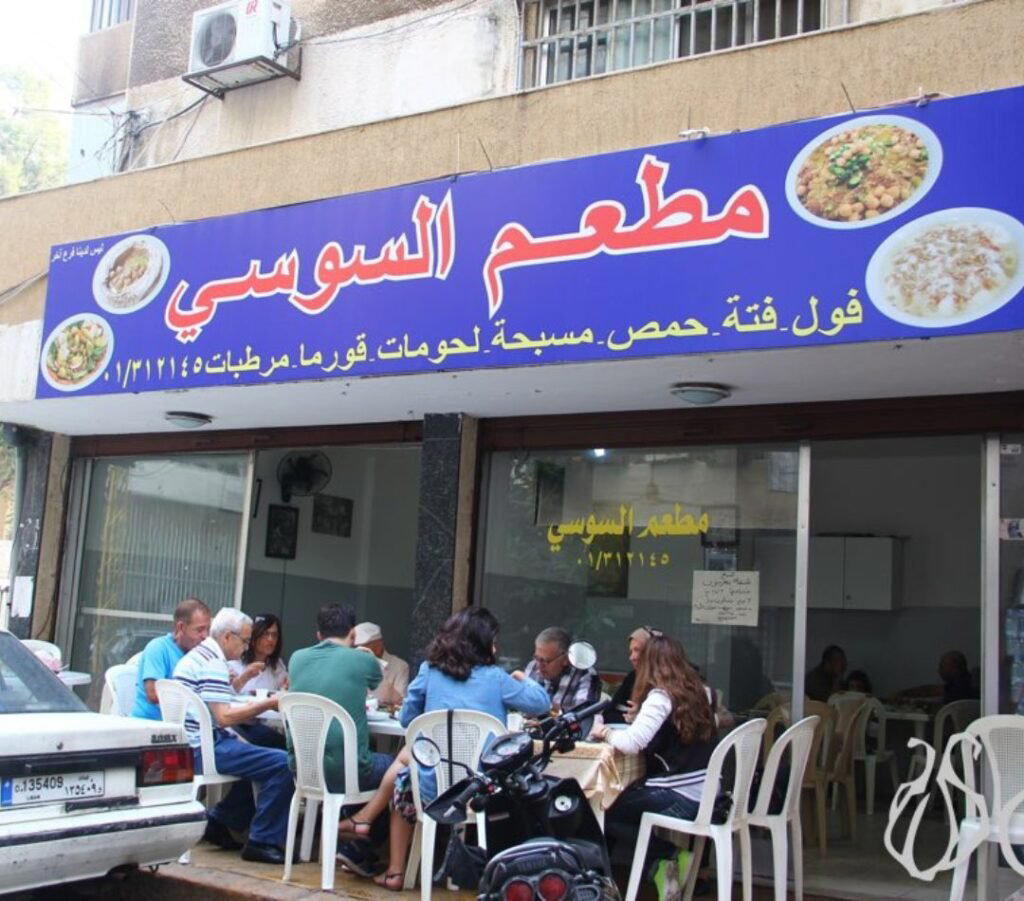
Where Beirut Sits Down for the Meals That Matter
There is a particular quality to the older dining rooms in Beirut that newer openings rarely replicate: a settled confidence that comes from decades of regulars, from walls that have absorbed the noise of generations of celebrations and arguments and long, slow lunches that stretched into early evening. El Soussi carries that quality. It is the kind of address that Beirutis reach for when the occasion demands something more than a fashionable table — a milestone birthday, a family gathering reconvened after years apart, a deal closed or a grief observed. The room does not shout. It does not need to.
Beirut's restaurant culture has always split between two registers: the visible and the embedded. The visible tier produces the openings that travel writers note and Instagram surfaces. The embedded tier is where the city actually eats when it means it. El Soussi belongs to the second category, which is precisely why it tends to appear in local conversation rather than in international round-ups of the Lebanese capital's dining scene.
The Occasion Economy of Lebanese Dining
To understand El Soussi's position, it helps to understand how special-occasion dining functions in Beirut specifically. Lebanese table culture is not structured around the tasting-menu model that defines high-end dining in Tokyo or Copenhagen, where a single chef's vision is consumed in strict sequence. Instead, the prestige meal here is measured by abundance, by the quality of ingredients sourced, by the depth of the meze spread, and by a kitchen's relationship with its suppliers over time. A table set for celebration in Beirut tends to be wide rather than tall — shared rather than plated individually, generous rather than architecturally precise.
That tradition places a different set of demands on a kitchen. The benchmark is not novelty but execution at scale, the ability to send out kibbeh nayyeh or grilled meats or cold meze in the kind of condition that holds up against the memory of how grandmother made them. Restaurants at the level of Em Sherif and Al Halabi have built reputations precisely on that standard, and El Soussi operates in the same cultural register even if it occupies a different register of visibility.
The City Context: What Beirut Asks of Its Celebration Tables
Beirut is a city that has had to recalibrate what a special occasion even means. The events of August 2020, the successive economic crises, and the ongoing currency collapse reshaped who can spend at which tier and what a dinner out now costs relative to monthly income. The restaurants that survived that period and remained worth discussing are those with deep enough roots to retain their core clientele and their supply chains. Longevity here is not simply a mark of quality, it is a mark of structural resilience, which in Beirut carries its own form of credibility.
That context matters when assessing any Beirut table for occasions. The question is not only whether the kitchen is skilled but whether the operation is stable enough to deliver consistently for the kind of meal where failure is not an option. Venues like Al Falamanki Sodeco and Albergo Rooftop have navigated that test with different strategies, one leaning into the informal communal table, the other into the scenic premium. El Soussi's approach is rooted in the older model: a restaurant that is known because it has been known, not because it has been marketed.
For a broader view of the capital's dining options at every tier, the EP Club Beirut restaurants guide maps the full range by neighbourhood and format.
Beyond Beirut: The Lebanese Table Across the Country
The occasion-dining tradition that El Soussi represents in the capital exists in different forms across Lebanon. Al Rawda in Shatila operates within a neighbourhood context that carries its own distinct social weight. Further from the city, the Bekaa Valley produces a different kind of celebration table: agricultural, ingredient-led, built around what the land gives in a given season. Lakkis Farm in Baalbek and Shams in Aanjar both offer that register, where the occasion is as much about place as about the kitchen.
On the coast, Feniqia in Byblos and Jammal in Batroun District serve the kind of seafood-forward milestone meal that the northern coast has produced for decades. In Matn, Al Halabi replicates the Beirut mother-house's format for a different residential catchment. Onno Bistro in Bourj Hammoud offers a more contemporary angle on the same geography. In the Keserwan District, BRUT by Youssef Akiki takes the region's wine and produce as its starting point, while Kitchen Garage in Aley serves a mountain-adjacent clientele with its own seasonal logic.
For the stripped-down, no-ceremony version of the Lebanese table, Falafel Sahyoun and Laiterie Massabki in Chtoura represent a different but equally serious tradition: the counter, the specialist, the place that does one thing at a level that makes every other version feel approximate.
Planning Your Visit
This is standard practice for embedded Beirut institutions, many of which operate without significant digital footprint. For milestone meals especially, confirming availability and format in advance is advisable rather than arriving on the assumption that a table will be available. The wider Beirut guide includes verified contact details for the city's other occasion-tier tables.
For reference, the kind of occasion-driven format that El Soussi represents in Beirut has its structural analogues at the global level: the importance of longevity, local loyalty, and consistent execution over spectacle is a quality shared by prestige tables as varied as Le Bernardin in New York City and Lazy Bear in San Francisco, each of which occupies a specific cultural position in its city's dining hierarchy that cannot simply be read from a menu alone.
Frequently asked questions
Is El Soussi okay with children?
Lebanese dining culture is broadly family-oriented, and established Beirut restaurants of El Soussi's generation tend to be structured around the shared table rather than adult-only formats. That said, EP Club does not currently hold confirmed operational details for El Soussi, including any formal policy on children. check the venue's official channels before visiting with young guests.
What should I expect atmosphere-wise at El Soussi?
El Soussi occupies a category of Beirut dining room that earned its place before the city's recent wave of concept-driven openings: the kind of room where the confidence comes from decades of repeat clientele rather than interior design. Expect a settled, occasion-oriented atmosphere where tables tend to be large and meals tend to be long. It is the antithesis of the drop-in lunch spot.
How does El Soussi compare to other long-standing Lebanese restaurants in Beirut?
El Soussi sits within a small group of Beirut establishments whose authority comes from longevity rather than recent critical attention or awards cycles. Unlike newer openings that compete on concept, restaurants in this tier compete on consistency across decades — a meaningful distinction in a city that has lived through repeated disruptions. EP Club does not currently hold award or chef data for El Soussi, but its sustained position in Beirut's occasion-dining conversation is itself a credential.
What should I eat at El Soussi?
EP Club does not hold confirmed menu data for El Soussi at this time, so specific dish recommendations cannot be made responsibly. Within Beirut's occasion-dining tradition, the meal structure typically centres on a sequence of cold and hot mezze before mains, with quantities calibrated to the size of the group. Arrive with time and people.
Where is El Soussi located?
El Soussi is located at Beirut, Lebanon, Beirut.
What's the best way to book El Soussi?
For a restaurant in this category in Beirut, the most reliable route is typically through your hotel concierge or a local contact who can reach the venue directly. Walk-in availability for larger groups is rarely assured at established occasion tables.
Pricing, Compared
| Venue | Cuisine | Price | Awards |
|---|---|---|---|
| El SoussiThis venue — the venue you are viewing | Traditional Lebanese Breakfast | $20–30 | Not listed |
| Albergo Rooftop | Mediterranean with Italian Accents | $50–100 | Relais Chateaux Award |
| Em Sherif | Traditional Lebanese Fine Dining | $50–100 | World's 50 Best #13 |
| Beihouse | Modern Levantine Mediterranean | $50–100 | World's 50 Best #5 · The Best Chef One Knife |
| Buco | Modern Gastro Burgers | Not listed | World's 50 Best #39 |
| Al Falamanki Sodeco | Traditional Lebanese | $20–30 | Not listed |
Continue exploring
More in Beirut
Restaurants in Beirut
Browse all →
Bars in Beirut
Browse all →
Hotels in Beirut
Browse all →

Details
- Rustic
- Classic
- Cozy
- Casual Hangout
- Historic Building
- A La Carte
- Vegetarian Friendly
- Vegan Options
Current opening hours
- Monday
- 8:30 AM–1 PM
- Tuesday
- 8:30 AM–1 PM
- Wednesday
- 8:30 AM–1 PM
- Thursday
- 10:30 PM–3 AM
- Friday
- 10:30 PM–3 AM
- Saturday
- 8:30 AM–1 PM
- Sunday
- 8:30 AM–1 PM
Hours can change for holidays and private events. Last verified .
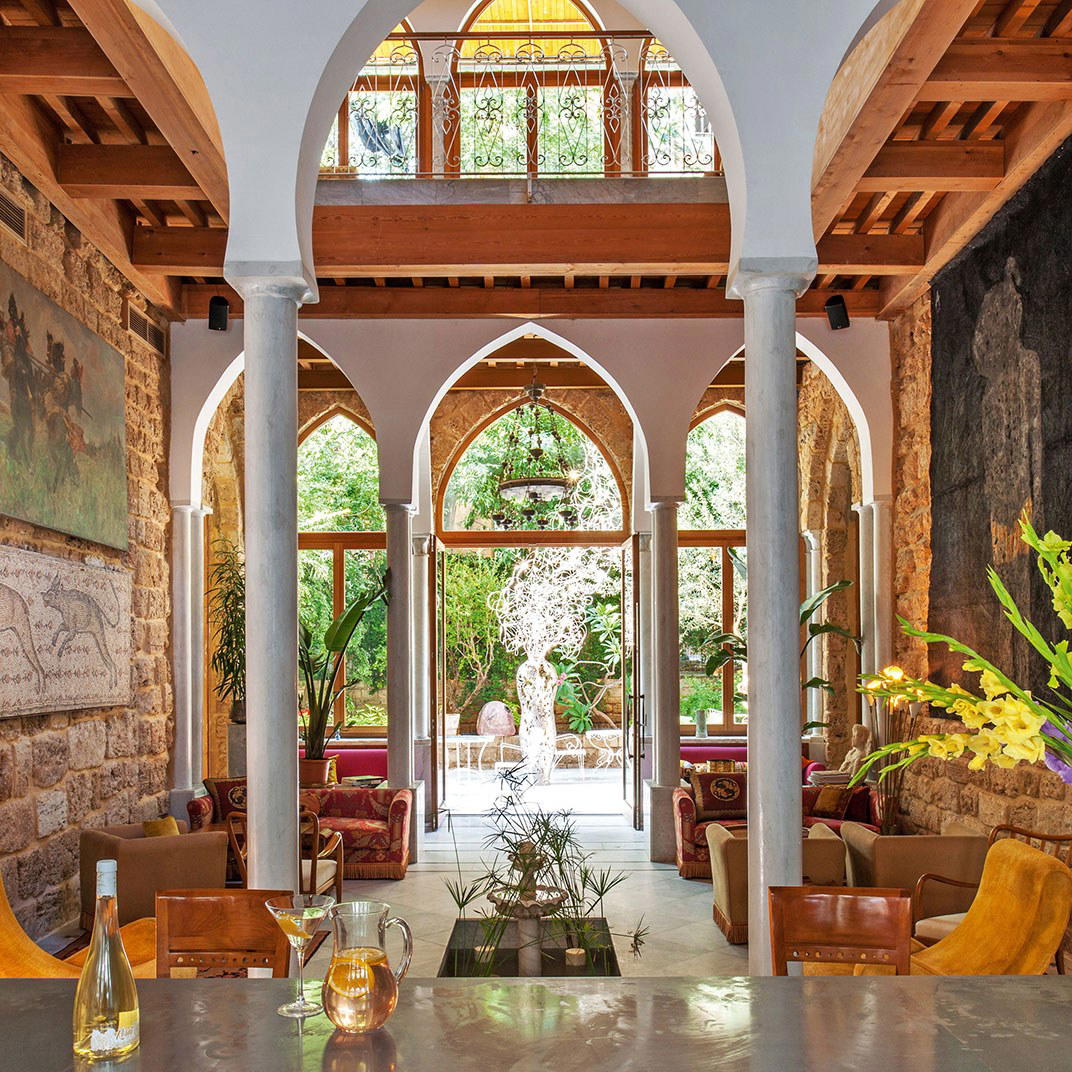
Rustic and welcoming home-like atmosphere with a tiny open kitchen preparing hearty dishes in a no-frills setting.