
In Jingumae, Shibuya, Bramasole brings a regionally specific Italian training to Tokyo's mid-price Italian tier. Chef Jose Reyes studied across multiple Italian regions, Sicily, Emilia-Romagna and beyond, and the à la carte menu organises those influences by provenance rather than erasing them.8 from 68 reviews places it among the more consistently regarded neighbourhood Italian options in the city.
Pearl is the En Primeur Club membership app — saves, bookings, and concierge access live there. Same editors, same standards.
- Address
- Japan, 〒150-0001 Tokyo, Shibuya, Jingumae, 3 Chome−42−5 スピナッチヒル 1F
- Phone
- +81 3-6434-0615
- Directions
- Get directions
 Saves & bookings on Pearl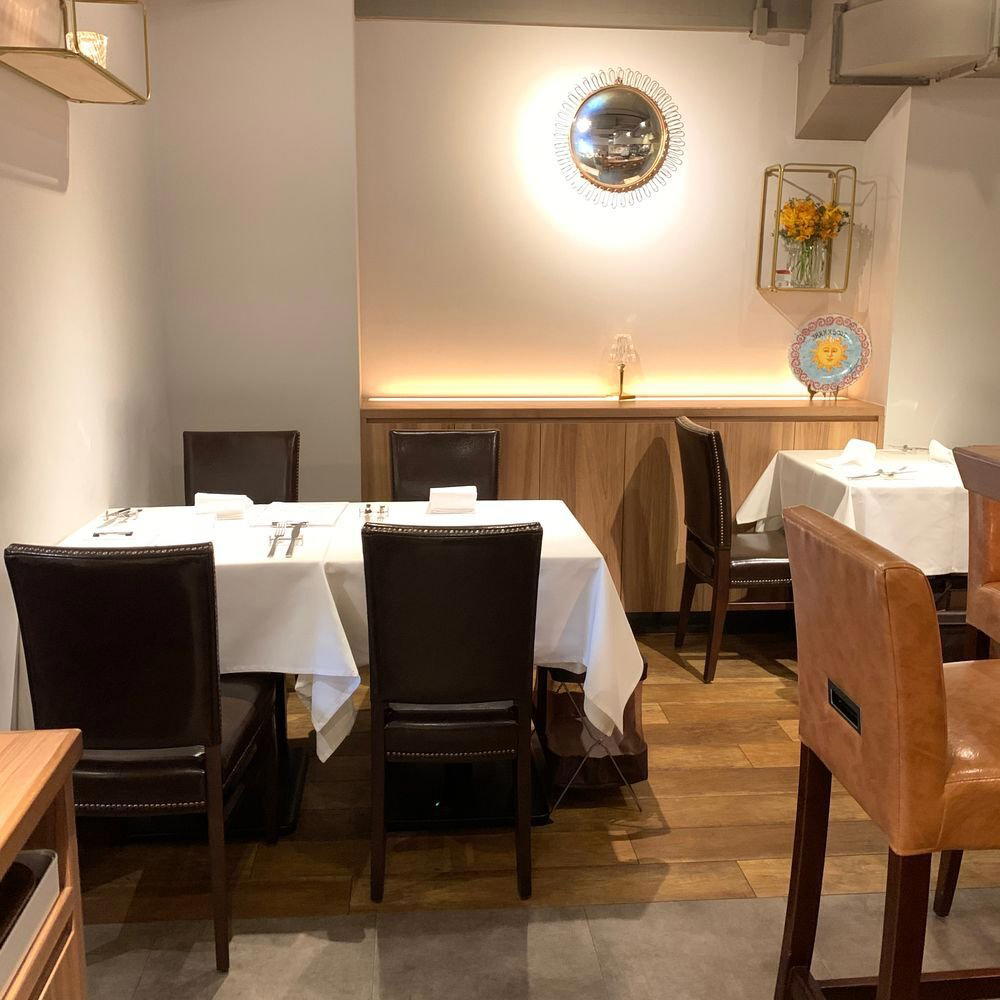
Tokyo's Italian dining scene has long defied easy categorisation. At one end sit the grand-gesture flagship rooms, Gucci Osteria da Massimo Bottura Tokyo and Aroma Fresca among them, where prix-fixe menus and formal credentials command prices that put them in the same tier as Michelin-starred French and kaiseki rooms. At the other end, the city has absorbed Italian cuisine into its own logic: precision, repetition, and a certain solemnity applied to pasta and wood-fired bread in ways that would feel unfamiliar in Naples or Bologna. Bramasole, a ground-floor room in a building on Jingumae's 3-chome, occupies a different position: a price-tier 3 restaurant whose editorial interest lies not in scale or spectacle but in geographic specificity.
The neighbourhood sets the register before you step inside. Jingumae, the residential-commercial district that spills south and west of Harajuku station, moves at a pace distinct from the spectacle of Takeshita-dori a few blocks north. The streets here mix low-rise apartment buildings with small specialty food shops and independent restaurants that rely on return custom rather than tourist footfall. A restaurant doing careful, regionally anchored Italian cooking in this setting is making an implicit argument: that the cuisine can sustain attention without theatrical surroundings.
Italian cuisine in Tokyo has historically been interpreted through a unifying lens, rendered clean, precise, and often stripped of its regional roughness. The more interesting development in recent years has been the opposite impulse: chefs who trained across multiple Italian regions and returned to Tokyo with a menu structured around provenance. Bramasole's kitchen, led by Chef Jose Reyes, works along that axis.
Reyes trained across Italy rather than in a single city or kitchen, and the menu reflects that itinerary in concrete terms. Oven-baked aubergine and tomato carries the direct, heat-forward simplicity associated with Sicilian cooking, a tradition where the vegetable is the subject, not the supporting ingredient. The pasta in beef and pork ragù pulls from Emilia-Romagna's heavier, meat-centred tradition, a region where the sauce is built over time and the pasta is understood as a vehicle of serious weight. These are not arbitrary references. They represent two poles of Italian cooking, the sun-dried austerity of the south and the dairy-and-meat richness of the north, and placing them on the same menu makes the comparison available to the diner.
Within Italian dining in Japan, this kind of regional specificity has a precedent in a handful of kitchens. Principio and AlCeppo each approach Italian cuisine from distinct frameworks within Tokyo. Further afield, cenci in Kyoto has explored the intersection of Italian technique and Japanese ingredients with considerable recognition. What distinguishes the approach at Bramasole is its commitment to Italian regionalism on its own terms, without folding in local produce as the editorial headline.
The menu at Bramasole is primarily à la carte, a structural decision with real consequences for how diners engage with the food. At the prix-fixe end of Tokyo's Italian spectrum, where PRISMA and others sequence courses through a single editorial vision, the diner is a passenger. À la carte returns the sequencing decision to the table. You can eat a single bowl of ragù pasta and leave, or build across four courses and work through the regional spread. The option to choose between long and short pasta format adds a further granularity: this is a kitchen that expects its guests to have a point of view.
For a room at this price tier, this accessibility matters. Tokyo's Italian dining has historically concentrated its critical attention and press coverage on the higher-priced rooms. The consequence is that solid Italian, the tier that sustains most regular eating in Italian cities themselves, goes underreported.7 from 75 reviews suggests consistent execution at a neighbourhood level.
Tokyo has many Italian restaurants, but the distribution is uneven. The credentialed, award-weighted rooms cluster in Minami-Aoyama, Nishi-Azabu, and the hotel districts. The outer residential neighbourhoods, where Jingumae increasingly functions as a resident-facing zone rather than a destination strip, host a quieter category of restaurant that operates on reputation and repeat custom. Bramasole sits in that second category, and its position in Jingumae gives it a diner base that is likely more local than destination-driven.
For visitors building an itinerary across Japan, the Italian question recurs in different forms. HAJIME in Osaka represents a different register entirely, French-inflected innovation at the three-Michelin-star tier. akordu in Nara and Goh in Fukuoka each illustrate how Western technique lands in Japanese cities outside the capital. Closer to Tokyo, 1000 in Yokohama adds another data point in the regional picture. Within Tokyo itself, 6 in Okinawa represents a separate culinary tradition altogether. And for Italian dining beyond Japan, 8 1/2 Otto e Mezzo Bombana in Hong Kong offers a useful regional comparison, three Michelin stars, a different city's relationship with Italian cuisine, a dramatically different price tier.
Bramasole does not compete at that level and does not appear to be trying to. Its interest is narrower and more specific: Italian cooking organised by regional origin, served à la carte at a price point that allows for casual return visits, in a neighbourhood that rewards exactly that kind of restaurant. Gion Sasaki in Kyoto rounds out the regional picture for travellers moving between Japan's main dining cities.
Know Before You Go
- Address: 3 Chome-42-5 Jingumae, Shibuya, Tokyo, ground floor of Spinach Hill building
- Cuisine: Italian, with regionally specific dishes drawn from Sicily and Emilia-Romagna
- Price tier: ¥¥, mid-range by Tokyo standards
- Menu format: Primarily à la carte; long or short pasta available on request 8 from 68 reviews
- Booking and hours: Contact details not currently listed, check directly with the restaurant
Recognition Snapshot
Comparable venues nearby, for context on price, style, and recognition.
| Venue | Cuisine | Price | Awards | Notes |
|---|---|---|---|---|
| BRAMASOLEThis venue — the venue you are viewing | Authentic Italian Regional | $$$ | Bib Gourmand | Not listed |
| TRATTORIA BUCA'MASSIMO | Italian Trattoria | $$$ | Bib Gourmand | Kōtō |
| nerisa | Authentic Piemontese Italian | $$$ | Michelin Plate | Shinagawa |
| AUDACE | Modern Italian Trattoria | $$$$ | Bib Gourmand | Meguro |
| sugahara | Homestyle Italian | $$$ | Bib Gourmand | Sumida |
| ARMANI / RISTORANTE | Modern Italian with Japanese Influences | $$$$ | Michelin Plate | Chūō |
Recognition history
Dated appearances from independent guides and award organizations, with the underlying list record or original source where available.
Michelin Bib Gourmand
Michelin
Michelin Bib Gourmand
Michelin











At a Glance
- Cozy
- Intimate
- Elegant
- Date Night
- Special Occasion
- Sake Program
Current opening hours
- Monday
- 5:30–10 PM
- Tuesday
- 11:30 AM–1 PM, 5:30–10 PM
- Wednesday
- 11:30 AM–1 PM, 5:30–10 PM
- Thursday
- 11:30 AM–1 PM, 5:30–10 PM
- Friday
- 11:30 AM–1 PM, 5:30–10 PM
- Saturday
- 11:30 AM–2 PM, 5:30–10 PM
- Sunday
- Closed
Hours can change for holidays and private events. Last verified .
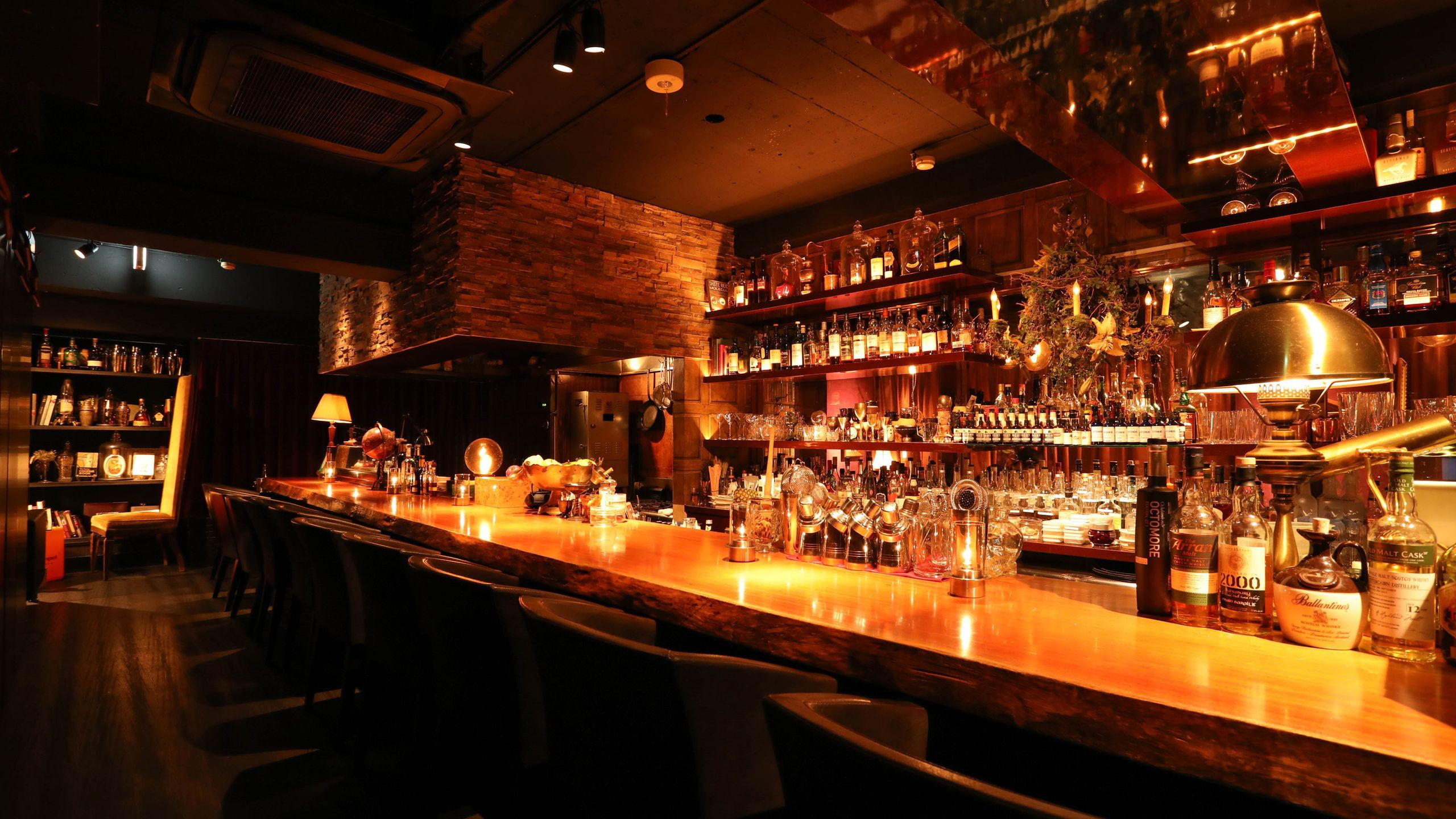
Warm and inviting with a cozy, intimate atmosphere featuring warm lighting and Tuscan-inspired decor, well-suited for relaxed conversations at the counter.