
Michelin Bib Gourmand
Our verdict
A Michelin Bib Gourmand-recognised Italian restaurant in Sumida City, sugahara sits in a neighbourhood tier of Tokyo dining where European technique meets local sensibility at accessible price points. Holding consecutive Bib Gourmand recognition in 2024 and 2025, it occupies a specific and underserved position: Italian cooking at ¥¥ in a city where most comparable accolades cluster at higher price brackets.

Pearl is the En Primeur Club membership app, where members save venues, book tables and use the concierge.
Italian in the Margins: How Sumida's Mid-Tier Scene Earns Its Stars
Tokyo's Italian dining conversation defaults quickly to Minato and Shinjuku, to the white-tablecloth rooms and omakase-format tasting menus that chase Michelin stars at ¥¥¥¥ price points. The Bib Gourmand tier tells a different story. Michelin's value-recognition award, applied consistently to sugahara across both 2024 and 2025, identifies something the starred list rarely surfaces: Italian cooking in Sumida City, east of the Sumida River, at a price bracket where the competition is almost entirely Japanese. That geography matters. Kotobashi is not a dining destination in the way Ginza or Roppongi are, which means a restaurant earning repeat Michelin recognition there is doing so on food alone, not on neighbourhood prestige or foot traffic.
Within Tokyo's broader Italian scene, the mid-price tier is notably thin. Venues like Aroma Fresca, Principio, and AlCeppo operate at higher price registers, and flagships such as Gucci Osteria da Massimo Bottura Tokyo anchor the leading end entirely. PRISMA represents a distinct Italian-adjacent strand. sugahara at ¥¥ sits in a gap that the broader market has not crowded, and consecutive Bib Gourmand recognition suggests it is filling that gap with some consistency.
What the Menu Architecture Reveals
Italian restaurants in Tokyo face a structural decision that their counterparts in Milan or Rome do not: how much to adapt. The spectrum runs from strict regionalism, where a kitchen commits to a specific Italian province's traditions and sources Italian ingredients as closely as possible, to a more integrative approach that absorbs Japanese produce, technique, and seasonal logic into an Italian framework. Where a restaurant sits on that spectrum is legible in the menu's structure before a single dish arrives.
At the Bib Gourmand price tier, strict importation of Italian produce is largely impractical. The economics push kitchens toward domestic sourcing, which in Tokyo's case means access to some of the most precise vegetable farming, seafood, and protein supply chains in the world. A menu built on that premise, one where Italian grammar is the structure but Japanese ingredient quality is the vocabulary, can achieve something that neither pure Italian nor pure Japanese cooking offers independently. The Bib Gourmand recognition across two consecutive years signals that the kitchen at sugahara has found a functional version of that balance, and at a price point that makes it accessible rather than aspirational.
Under chef Keizo Shimamoto, the kitchen operates with a focused approach typical of smaller Japanese Italian rooms: a tighter menu that changes with seasonal availability rather than an encyclopaedic list built for tourist completeness. This format, common at the Bib Gourmand tier across Tokyo, rewards return visits more than one-time sampling. The discipline of a short, rotating menu is itself an editorial statement: the kitchen is not trying to cover every Italian region or please every preference, but to execute a defined point of view well.
Sumida City as a Dining Address
Sumida is better known internationally for the Tokyo Skytree than for its restaurant scene, and most dining guides treat it as a transit zone rather than a destination. That positioning is changing, if slowly. A handful of notable restaurants have anchored in the ward over the past decade, drawn by lower rents and proximity to the dense residential neighbourhoods east of the river. The dynamic resembles what happened in Brooklyn relative to Manhattan, or in Bermondsey relative to central London: the secondary location requires a restaurant to work harder to draw diners, but it also creates space for a different kind of operation, one less beholden to tourist cycles or corporate expense accounts.
For the diner, the practical implication is that sugahara requires a deliberate visit. It is not on the way to anything. That self-selection tends to produce a room of people who are there specifically to eat, which shapes the atmosphere in ways that are difficult to manufacture in higher-traffic locations.
The Bib Gourmand Signal in Context
Michelin's Bib Gourmand designation, awarded to restaurants offering good cooking at moderate prices, carries different weight in different cities. In Tokyo, where the overall Michelin count is the highest of any city globally, a Bib Gourmand is not a consolation prize. The competition at that tier includes some of the most technically proficient small restaurants in the world. Consecutive recognition in 2024 and 2025 removes any suggestion that the first award was a curiosity or a seasonal anomaly. It establishes a baseline of consistency that is the primary criterion Michelin inspectors apply above almost any other factor.
Placing sugahara in the Wider Japanese Italian Scene
Japanese Italian cooking has produced some of the most technically rigorous Italian food outside Italy over the past three decades. The restaurants that have pushed that tradition furthest, including cenci in Kyoto, which applies a similar Italian-Japanese integration logic, tend to operate in the mid-to-upper price tiers. The lower tier has historically been dominated by casual pasta and pizza operations with less ambition. A Bib Gourmand-holding room at ¥¥ that is producing food worth two consecutive Michelin mentions represents a relatively scarce category within that tradition.
Across Japan, Italian restaurants earning Michelin recognition in secondary urban zones are doing something that the primary dining districts rarely require of their operators: proving that the food justifies the address, rather than the address partially justifying the food. That discipline shows up in kitchens from HAJIME in Osaka to akordu in Nara, where European cooking in a Japanese urban context demands a precise answer to the question of why Italian, here, now. sugahara in Kotobashi is operating within that same interrogation, at a price point that keeps the answer grounded.
For a fuller picture of where sugahara sits within the city's dining options, our full Tokyo restaurants guide covers the range from kaiseki to contemporary European. The city's hospitality infrastructure is documented in our full Tokyo hotels guide, our full Tokyo bars guide, and our full Tokyo experiences guide. For those extending beyond Tokyo, Gion Sasaki in Kyoto, Goh in Fukuoka, 1000 in Yokohama, and 6 in Okinawa represent the range of serious dining across the archipelago. The Italian thread continues at 8½ Otto e Mezzo Bombana in Hong Kong for those moving through the region. A Tokyo wineries guide is also available for those tracking the domestic wine scene alongside their dining.
Planning Your Visit
sugahara is located on the second floor of the Kojika Building at 2-14-1 Kotobashi, Sumida City, Tokyo. The Bib Gourmand designation at ¥¥ pricing means demand can outpace the available seats at peak periods; booking ahead is advisable.
Quick reference: sugahara, 2F Kojika Building, 2-14-1 Kotobashi, Sumida City, Tokyo. Italian. ¥¥. Michelin Bib Gourmand 2024 and 2025. Chef Keizo Shimamoto.
Frequently asked questions
Is sugahara Michelin-listed?
sugahara has received recognition including: Michelin Bib Gourmand (2025); Michelin Bib Gourmand (2024).
What's the must-try dish at sugahara?
What the consecutive Bib Gourmand awards in 2024 and 2025 do confirm is consistent cooking at the ¥¥ price point, Michelin's signal that the kitchen delivers above its weight class. Ask the staff directly on arrival; at this price tier in Tokyo, counter recommendations tend to be reliable.
What does dinner at sugahara typically cost?
Pricing at sugahara is listed as ¥¥.
What part of town is sugahara in?
sugahara is located at Japan, 〒130-0022 Tokyo, Sumida City, Kotobashi, 2 Chome−14−1 小鹿ビル 2F, Tokyo.
Cuisine Context
| Venue | Cuisine | Price | Awards | Notes |
|---|---|---|---|---|
| sugaharaThis venue (the venue you are viewing) | Homestyle Italian | $50–100 | Michelin Bib Gourmand | Not listed |
| Harutaka | Edo-Style Omakase Sushi | $200–300 | 3 Michelin Stars · World's 50 Best #76 | Sushi |
| RyuGin | Modern Kaiseki | $500+ | 3 Michelin Stars · World's 50 Best #41 | Kaiseki, Japanese |
| L'Effervescence | Modern French with Japanese Influences | $200–300 | 3 Michelin Stars · World's 50 Best #69 | French |
| HOMMAGE | Modern French with Japanese Influences | $150–200 | 2 Michelin Stars · World's 50 Best #78 | Innovtive French, French |
| MAZ | Innovative Peruvian-Japanese Fusion | $150–200 | 2 Michelin Stars · World's 50 Best #28 | Innovative |
Recognition history
Dated appearances from independent guides and award organizations, with the underlying list record or original source where available.
Michelin Bib Gourmand
Michelin
Full recognition history (2 entries)
Michelin Bib Gourmand
Michelin
Continue exploring
More in Tokyo
Restaurants in Tokyo
All restaurants in Tokyo →

Bars in Tokyo
All bars in Tokyo →

Details
- Rustic
- Cozy
- Intimate
- Elegant
- Date Night
- Special Occasion
- Business Dinner
- Open Kitchen
- Sake Program
- Local Sourcing
- Prix Fixe
- A La Carte
Current opening hours
- Monday
- Closed
- Tuesday
- 6 PM–12 AM
- Wednesday
- 6 PM–12 AM
- Thursday
- 6 PM–12 AM
- Friday
- 6 PM–12 AM
- Saturday
- 12–3 PM, 6 PM–12 AM
- Sunday
- 12–3 PM, 6 PM–12 AM
Hours can change for holidays and private events. Hours as of .
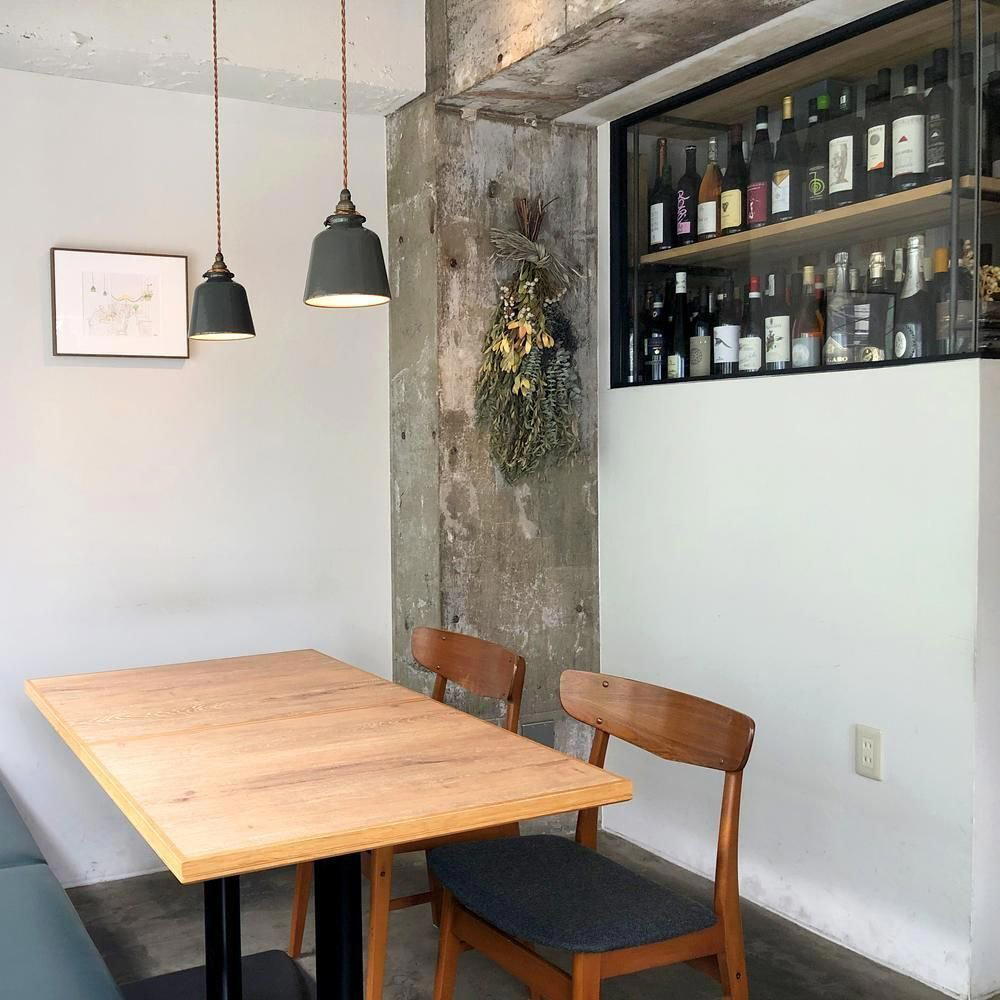
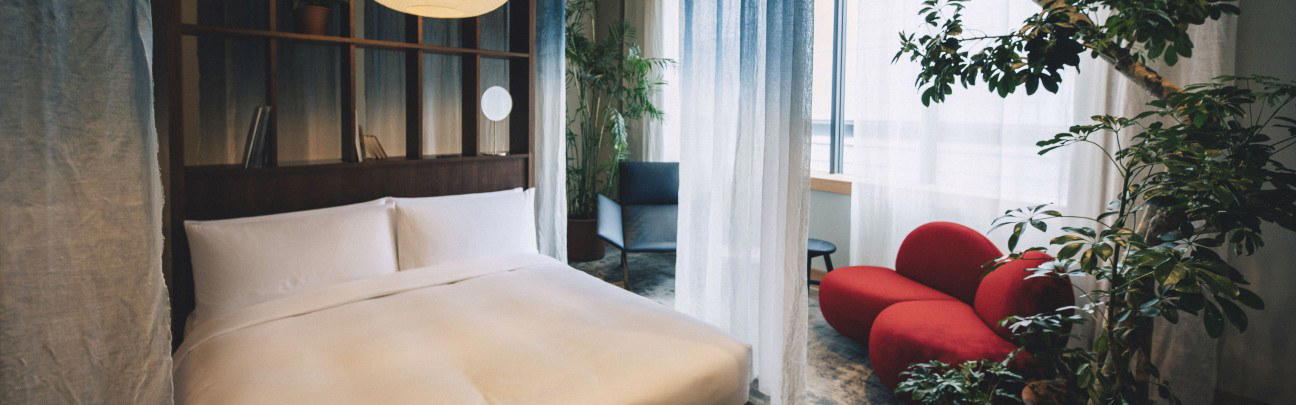
Rustic, simple interiors evoking rural Italy with a calm and intimate atmosphere.