
Michelin Plate
Our verdict
A Michelin Plate-recognised Italian in Shinagawa's Nishi-Koyama neighbourhood, nerisa brings the cooking of Piedmont to Tokyo with hand-rolled tajarin, agnolotti, and tonnato of veal built on recipes learned in the region itself. The kitchen links northern Italy to Japan through local ingredients without departing from the discipline of Piemontese tradition. At the ¥¥ price tier, it sits well below the Italian fine-dining bracket while holding steady Michelin recognition across 2024 and 2025.

Pearl is the En Primeur Club membership app, where members save venues, book tables and use the concierge.
The menu
What to order
- Burrata with shiokara
- Hand-rolled tajarin pasta
- Agnolotti
- Scallop cream gratin
- Saitama Kokubun beef roast
- Octopus with nduja tomato sauce
- Bigfin squid with fennel and mullet roe
Piedmont in Nishi-Koyama: How One Neighbourhood Restaurant Anchors a Specific Italian Tradition
Tokyo's Italian restaurant scene has stratified sharply over the past decade. At the top tier sit multi-Michelin-starred addresses like Aroma Fresca and Gucci Osteria da Massimo Bottura Tokyo, where price ranges reach ¥¥¥¥ and the format is formal tasting-menu territory. Below that, a broader middle tier of trattorias and osterie has proliferated across residential neighbourhoods, often offering regional Italian cooking at more accessible price points. nerisa sits in that middle tier, in Shinagawa's Nishi-Koyama district, and earns its Michelin Plate recognition, awarded in both 2024 and 2025, through geographic and culinary specificity rather than format ambition.
The operative word at nerisa is Piedmont. Northern Italian cooking has a distinct identity in Tokyo: it tends to be quieter, less acidic, and more reliant on butter, cheese, and cured meats than the Roman or Neapolitan traditions that dominate casual Italian dining globally. Dishes like tajarin, the thin, egg-rich pasta that defines the Langhe and Monferrato hills, and agnolotti dal plin, the pinched pasta parcels traditionally filled with braised meat, are not common finds in Tokyo. Where they do appear at addresses like Principio or AlCeppo, they signal a deliberate commitment to the northwest of Italy rather than a generalised pan-Italian approach.
The Menu as a Document of Piemontese Cooking
Three dishes index nerisa's position most clearly: tonnato of veal, hand-rolled tajarin, and agnolotti. Each carries specific weight in the Piemontese canon. Vitello tonnato is one of the region's foundational preparations, a cold dish that pairs poached veal with a tuna-anchovy sauce, a combination that reads as counterintuitive until you encounter it made correctly, at which point its logic becomes hard to dispute. Tajarin, unlike the machine-pressed pasta common in Italian restaurants abroad, requires a dough with a high egg-yolk ratio and hand-rolling technique that affects both texture and the way sauce adheres to the strand. Agnolotti, the third pillar, varies village to village in Piedmont, and its presence on a menu is a signal of commitment to a specific regional identity rather than a generic northern Italian profile.
The kitchen's approach connects Italy to Japan through local ingredients without departing from the structure of Piemontese recipes. This is a specific and meaningful choice. Many Italian restaurants in Japan use Japanese ingredients as a primary selling point, restructuring Italian dishes around them. nerisa's declared approach reverses that emphasis: the Piemontese recipe holds, and Japanese ingredients enter as evidence of the chef's contextual intelligence rather than as the concept itself. The result is a menu that can be read as a document of what Piemontese cooking actually tastes like, grounded in recipes learned in the region, expressed with the produce available locally.
Where the Wine Question Gets Interesting
Piedmont is also one of Italy's most compelling wine regions, and the editorial angle on nerisa becomes sharper when you consider the natural pairing opportunity the kitchen's focus creates. The northwest of Italy produces Barolo and Barbaresco from Nebbiolo, Barbera d'Asti and Barbera d'Alba, Dolcetto, and the sparkling Moscato d'Asti, a range that covers everything from structured, tannic reds built for aging to lighter, aromatic whites. A restaurant committed to Piemontese cooking carries an implicit obligation to the wines of the same territory, and that obligation shapes what a thoughtful wine list at such an address should look like.
For context on how Italian restaurants in the region approach wine pairing at a higher price tier, cenci in Kyoto and 8½ Otto e Mezzo Bombana in Hong Kong offer comparison points for Italian cellar depth in an East Asian dining context, though both operate at a significantly higher price bracket than nerisa's ¥¥ positioning.
Nishi-Koyama and the Tokyo Neighbourhood Restaurant Model
The address in Nishi-Koyama places nerisa at some distance from Tokyo's central dining corridors in Ginza, Roppongi, or Shinjuku. Shinagawa City's residential districts tend to attract restaurants whose reputations travel by word of mouth and repeat-visitor loyalty rather than through tourist-facing visibility. That is a different commercial model from the destination dining that draws visitors to addresses like PRISMA, and it implies a particular kind of guest: local, returning, and invested in consistency over novelty.
The rating suggests a steady, satisfied repeat clientele rather than the volume-driven review patterns of more prominently located restaurants. Across Japan, neighbourhood-anchored restaurants of this type hold their own alongside celebrated addresses in other cities: HAJIME in Osaka, Gion Sasaki in Kyoto, akordu in Nara, Goh in Fukuoka, 1000 in Yokohama, and 6 in Okinawa all demonstrate that Japan's serious dining culture extends well beyond its obvious fine-dining corridors. For anyone building a broader picture of Tokyo's dining, our full Tokyo restaurants guide maps the range across neighbourhoods and price tiers, and our Tokyo hotels guide, bars guide, wineries guide, and experiences guide cover the city's full hospitality range.
Know Before You Go
- Address: タク・シティハイツ西小山 1階, 6 Chome-7-6 Koyama, Shinagawa City, Tokyo 〒142-0062
- Price tier: ¥¥ (mid-range)
- Cuisine: Italian, specifically Piemontese
- Recognition: Michelin Plate 2024 and 2025
- Nearest station: Nishi-Koyama (Tokyu Meguro Line)
- Booking: No booking method confirmed in available data; contact the restaurant directly or check current reservation platforms
- Hours: Not confirmed; verify before visiting
Frequently asked questions
What should I order at nerisa?
The three dishes most directly tied to nerisa's Piemontese identity are the tonnato of veal, hand-rolled tajarin pasta, and agnolotti. These are the preparations cited in the restaurant's Michelin recognition and represent the clearest expression of the chef's training in Piedmontese cooking. The kitchen uses local Japanese ingredients within the structure of these recipes, so expect dishes that read as northern Italian in logic while drawing on seasonal produce from Japan. At the ¥¥ price tier, the menu represents an accessible entry point into cooking that would cost significantly more at higher-bracket Italian addresses in the city.
Should I book nerisa in advance?
Tokyo's mid-range Italian restaurants at this recognition level typically require advance reservation, particularly for weekend service. The address in Nishi-Koyama, away from central dining corridors, is more likely to draw a regular local clientele than tourist-driven demand, which can create a consistent occupancy pattern that rewards early booking regardless of season.
What is the signature at nerisa?
The hand-rolled tajarin sits at the centre of what nerisa does. Tajarin is a technically demanding pasta, its texture and sauce-adhesion dependent on a high egg-yolk dough and a hand-rolling process that machine production cannot replicate. In Piedmont, it is considered one of the regional benchmark preparations, and finding it executed faithfully in Tokyo at the ¥¥ price tier is a meaningful data point. The chef's stated commitment to recipes learned in Piedmont, applied with Japanese ingredients, makes the tajarin the clearest expression of the restaurant's specific culinary proposition.
Recognition, Side-by-Side
| Venue | Cuisine | Price | Awards | Notes |
|---|---|---|---|---|
| nerisaThis venue (the venue you are viewing) | Authentic Piemontese Italian | $50–100 | Michelin Plate | Not listed |
| Harutaka | Edo-Style Omakase Sushi | $200–300 | 3 Michelin Stars · World's 50 Best #76 | Sushi |
| RyuGin | Modern Kaiseki | $500+ | 3 Michelin Stars · World's 50 Best #41 | Kaiseki, Japanese |
| L'Effervescence | Modern French with Japanese Influences | $200–300 | 3 Michelin Stars · World's 50 Best #69 | French |
| HOMMAGE | Modern French with Japanese Influences | $150–200 | 2 Michelin Stars · World's 50 Best #78 | Innovtive French, French |
| MAZ | Innovative Peruvian-Japanese Fusion | $150–200 | 2 Michelin Stars · World's 50 Best #28 | Innovative |
Recognition history
Dated appearances from independent guides and award organizations, with the underlying list record or original source where available.
Michelin Plate
Michelin
Full recognition history (3 entries)
Michelin Plate
Michelin
Michelin Plate
Michelin
Continue exploring
More in Tokyo
Restaurants in Tokyo
All restaurants in Tokyo →


Bars in Tokyo
All bars in Tokyo →






Details
- Intimate
- Cozy
- Elegant
- Romantic
- Date Night
- Special Occasion
- Celebration
- Chefs Counter
- Open Kitchen
- Natural Wine
- Sommelier Led
- Local Sourcing
- Natural Wine
- Farm To Table
- Counter Dining
- A La Carte
- Tasting Menu
- Natural Wine
- Italian Wine
Current opening hours
- Monday
- 5–11 PM
- Tuesday
- 5–11 PM
- Wednesday
- 5–11 PM
- Thursday
- 5–11 PM
- Friday
- 5–11 PM
- Saturday
- 5–11 PM
- Sunday
- Closed
Hours can change for holidays and private events. Hours as of .
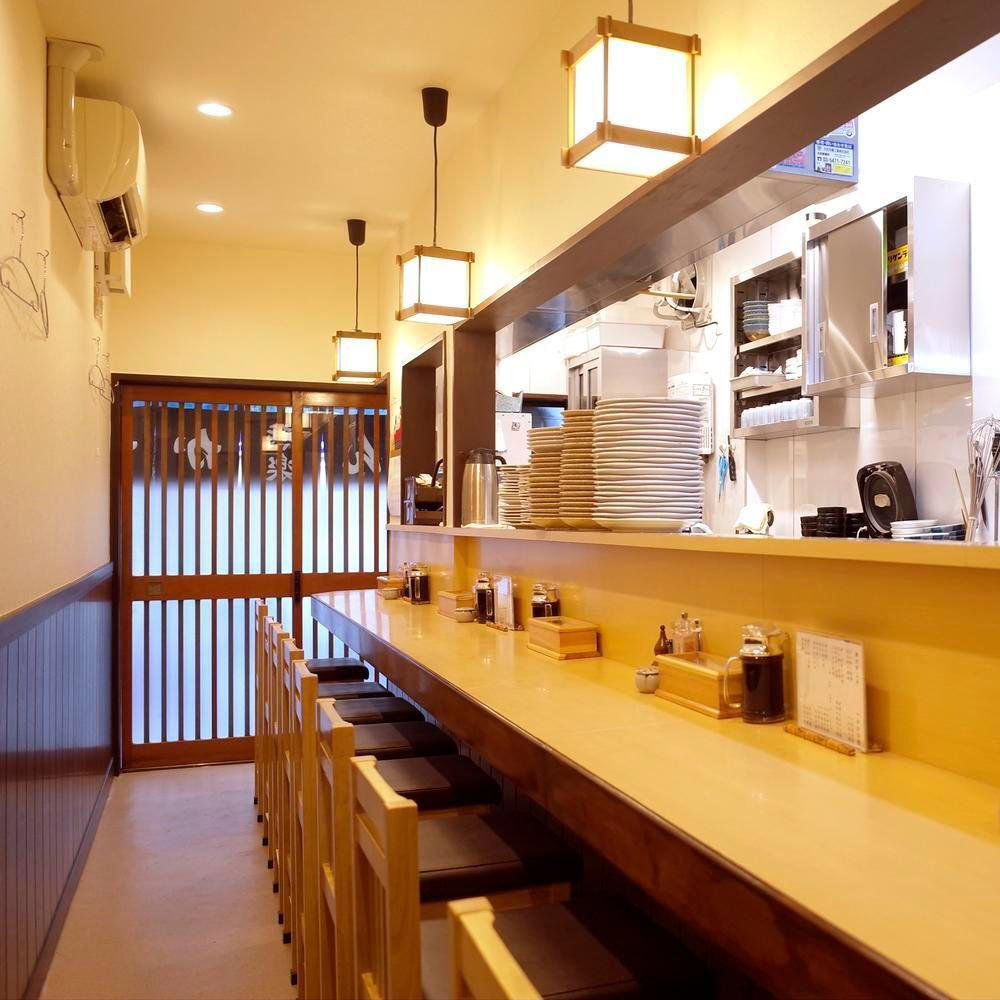
Warm, homely, and serene atmosphere with intimate counter seating and a few cozy tables; ethereal and quiet decor that feels refined yet relaxed.