Our verdict
さえ㐂 occupies a converted private residence on the edge of Nanzenji, placing it within Kyoto's quieter tradition of dining that operates below the radar of international award circuits. The address alone, a historic machiya in the Higashiyama foothills, signals a particular kind of seriousness. Guests seeking the city's most considered kaiseki-adjacent experiences should note it alongside the established names.

Pearl is the En Primeur Club membership app, where members save venues, book tables and use the concierge.
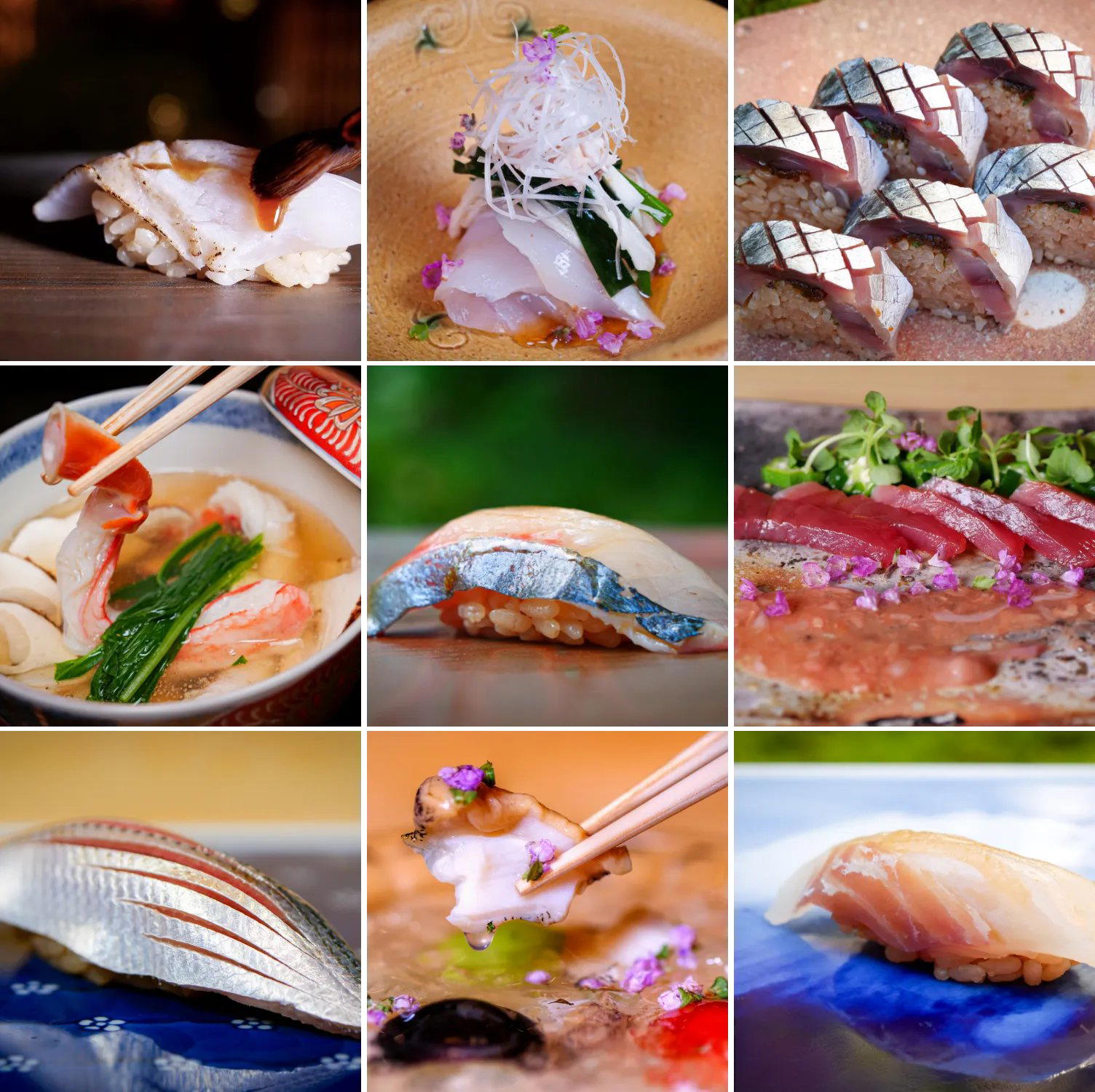
Dining at the Foot of Nanzenji
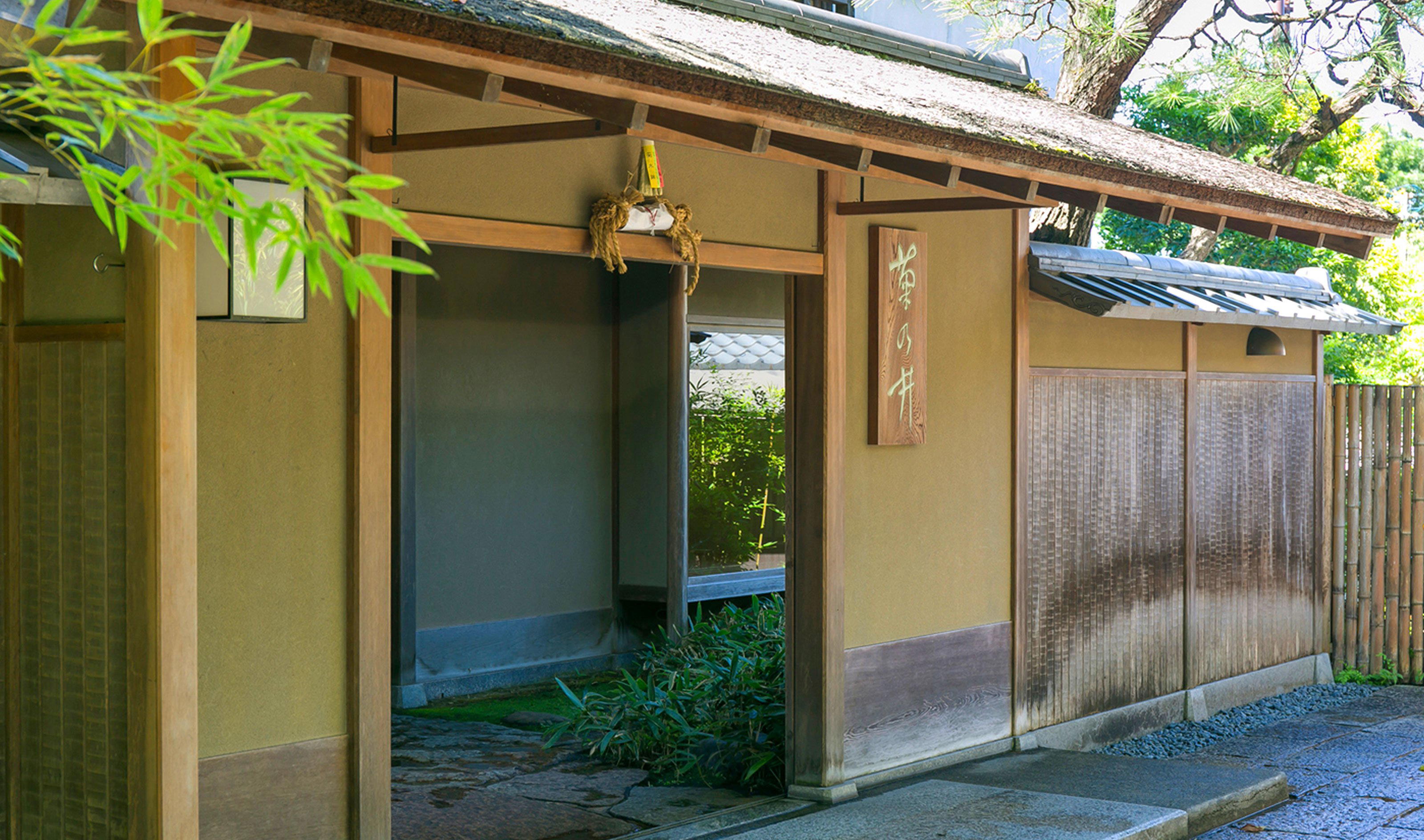
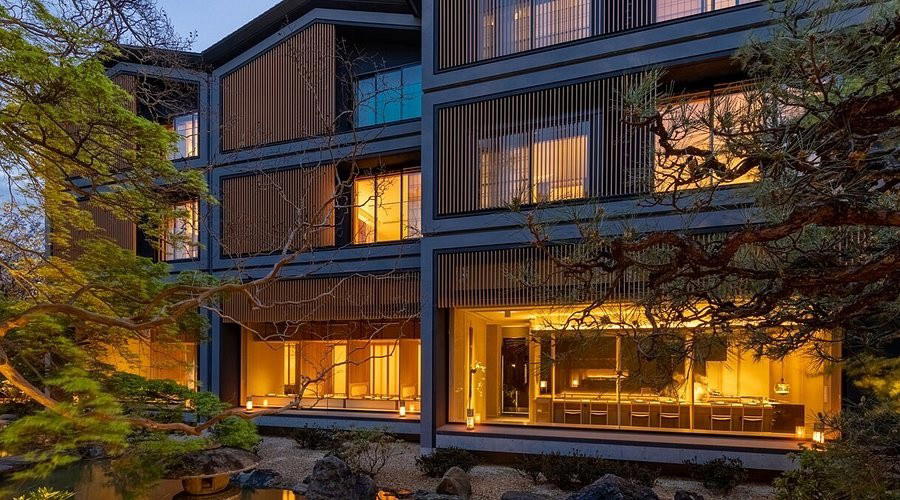
The eastern corridor of Kyoto, where the city's grid dissolves into temple precincts and canal-edged lanes, has long produced a specific kind of dining room: small, difficult to find, and operating without the scaffolding of international recognition. The address for さえ㐂, 南禅寺草川町81−7, inside what the listing identifies as 大力邸, a named private residence, places it squarely in that tradition. Arriving at a building identified by a family name rather than a restaurant sign is itself a signal about the register of experience on offer. This is the Higashiyama foothills, a neighbourhood whose restaurant stock runs from three-Michelin-starred kaiseki institutions to single-room operations that seat fewer guests in an evening than some Tokyo counters seat in a lunch service.
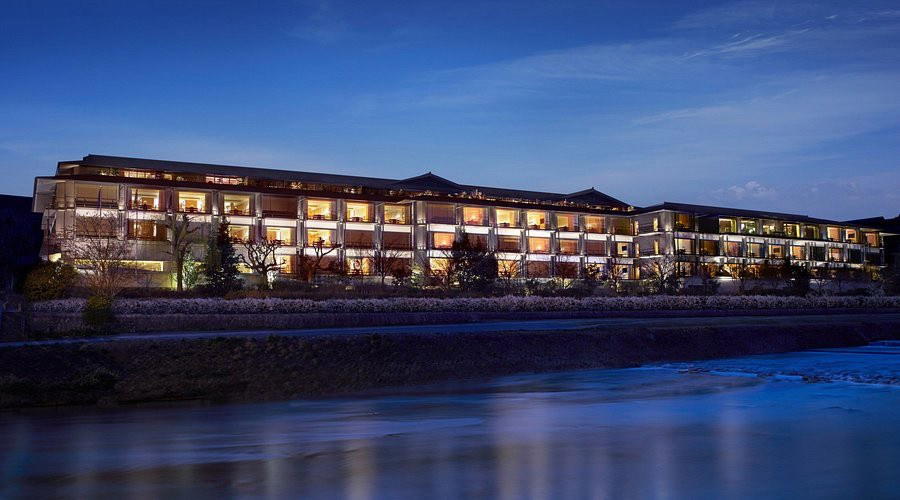
The approach along the Nanzenji canal, particularly in the hour before dusk when the stone walls hold the last of the afternoon light, frames the meal before it begins. In Kyoto's premium dining tier, atmosphere of this kind is structural, not decorative. The city's most considered rooms, among them Hyotei, which has held three Michelin stars across multiple guide cycles, and Gion Sasaki, whose kaiseki operates at the ¥¥¥¥ tier, invest heavily in the physical journey to the door as part of the dining proposition itself. さえ㐂 shares that geography and that logic.
The Wine Question in a Kaiseki City
Kyoto's kaiseki tradition was built around sake, shochu, and the discipline of not letting beverage overwhelm food that already carries enormous seasonal and technical load. The question of how a room in this neighbourhood approaches wine is worth examining carefully, because it separates venues by philosophy as much as by price.
Across Japan's premium dining tier, the wine list has become an increasingly contested space. Rooms like Atomix in New York City, where the beverage program is treated as a parallel curatorial exercise to the food, have influenced how younger Japanese chefs and sommeliers think about pairing in formats that were historically beverage-light. Similarly, HAJIME in Osaka has demonstrated that a kaiseki-adjacent room can sustain serious European wine depth without subordinating the food narrative. The domestic Japanese wine scene, centred on Yamanashi and Hokkaido, has also matured to the point where a list now has credible options that didn't exist a decade ago.
For さえ㐂, the venue data available does not specify cellar depth, sommelier credentials, or beverage format. What the address and setting imply is a room operating in a tradition where beverage choices are made with care, whether that means a focused sake selection built around the seasonal menu, or a short but considered wine list of the kind increasingly common in Kyoto's higher-end private-residence dining formats. Guests with specific beverage requirements, particularly those expecting a deep European cellar or an extensive by-the-glass program, should confirm the approach directly before booking.
Where さえ㐂 Sits in Kyoto's Dining Hierarchy
Kyoto's premium dining tier is more stratified than its Michelin count suggests. The ¥¥¥¥ bracket, where venues like Kikunoi Honten, Mizai, and Isshisoden Nakamura operate, is dense with credential and history. Below that sits a tier of rooms that are neither inexpensive nor extensively awarded, but that attract a specific guest: the traveller who has already worked through the known kaiseki canon and is looking for something operating outside the standard discovery loop.
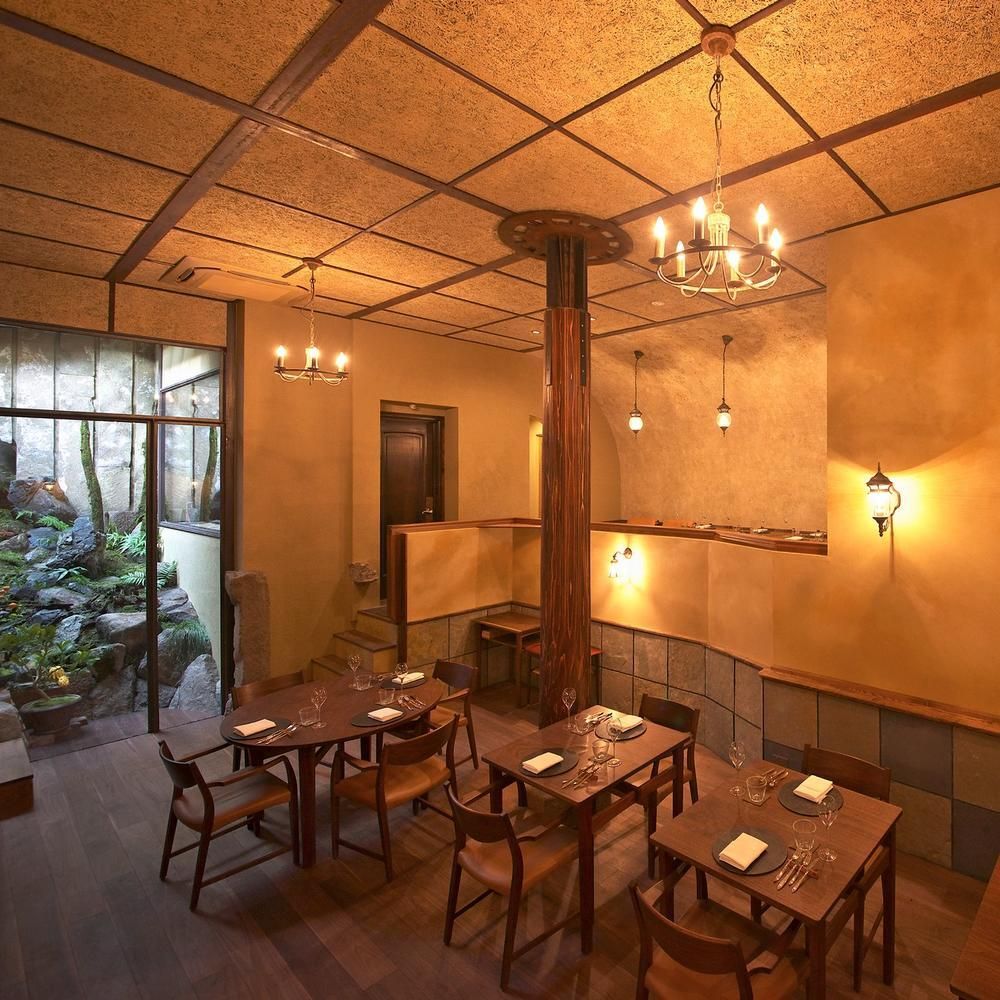
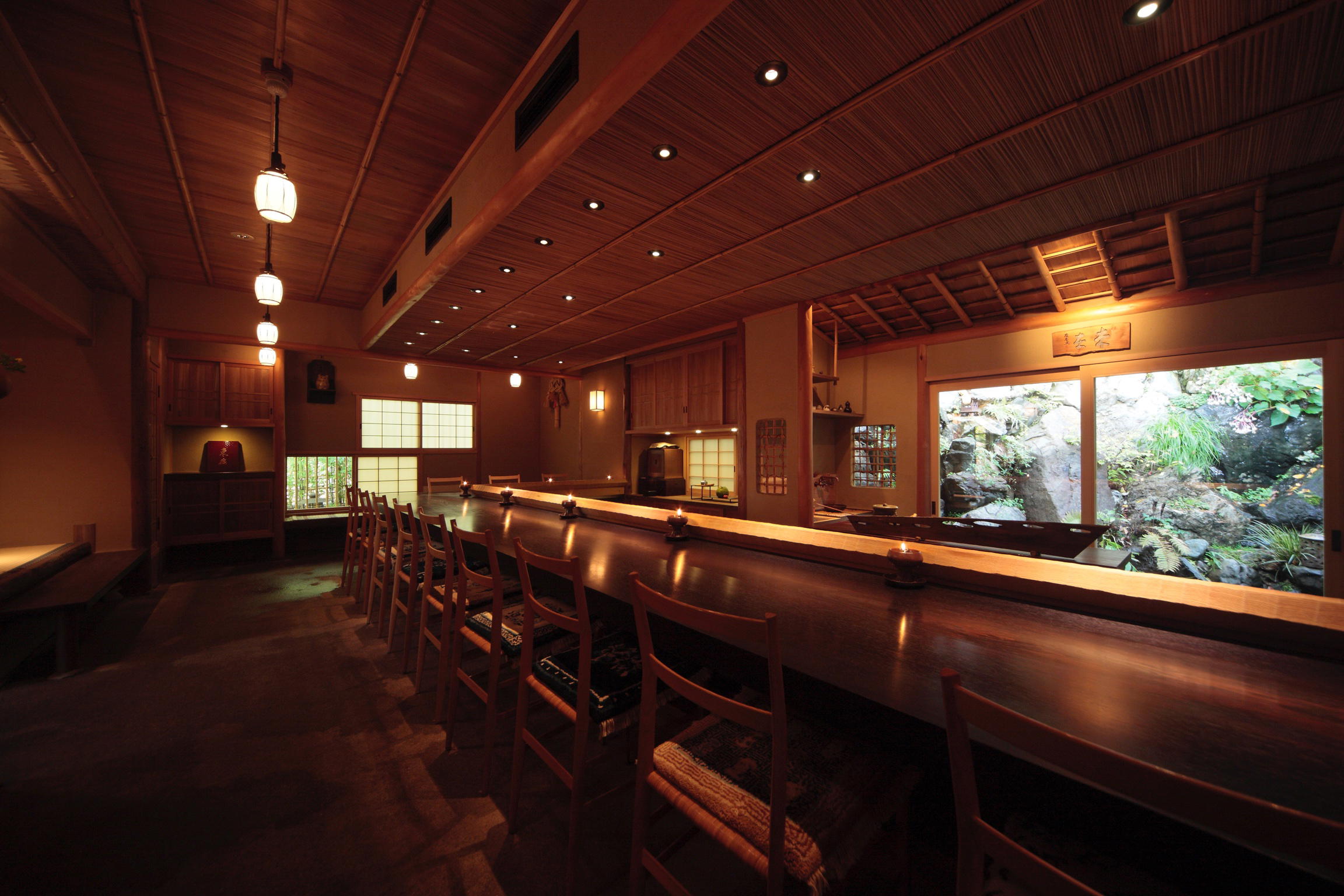
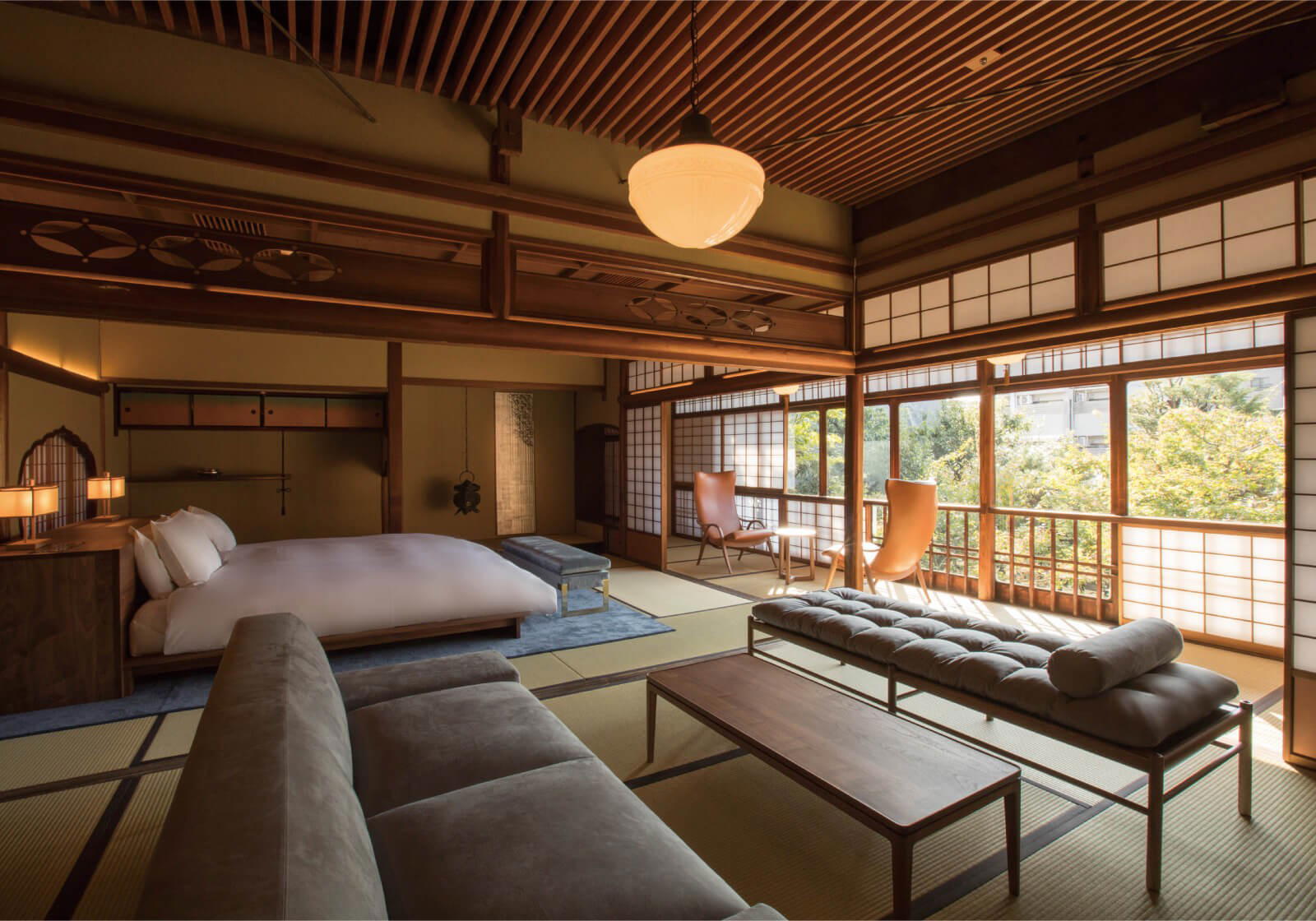
さえ㐂's use of a named private residence as its address is consistent with a format that has gained traction in Kyoto and elsewhere in Japan over the past decade. The conversion of machiya townhouses and established family homes into small dining operations preserves architectural character that purpose-built restaurant spaces cannot replicate, and creates an intimacy that the larger kaiseki institutions, however technically accomplished, cannot match by virtue of scale. akordu in Nara represents a comparable impulse in the broader Kansai region: serious cooking housed in a setting that the building's history does much of the atmospheric work for.
Across Japan more broadly, this format appears in rooms as different as 湖畔荘 in Takashima, 三本松 能川製 in Nanao, and 古代山乃 in Sapporo, each operating in a setting where the architecture and location carry as much editorial weight as the menu. The common thread is a deliberate step away from conventional restaurant infrastructure toward something that reads more like a private invitation than a commercial transaction.
For guests arriving from Tokyo, where the counter model at venues like Harutaka sets the benchmark for intimate, high-attention dining, さえ㐂's residential setting offers a different register of the same underlying value: fewer guests, more focus, and an environment that does not feel designed for throughput. Guests arriving from Fukuoka or further afield, perhaps already familiar with the intimacy of Goh, will find the logic familiar.
Our full Kyoto restaurants guide maps the broader dining picture across neighbourhoods and price tiers.
Planning a Visit
Know Before You Go
- Address: 南禅寺草川町81−7 (大力邸), 京都市, 京都府, 606-8437
- Neighbourhood: Nanzenji, Higashiyama eastern district, Kyoto
- Booking: No direct booking infrastructure confirmed, approach via hotel concierge or specialist Japan travel service
- Hours: Not confirmed, verify before visiting
- Dress code: Not specified, conservative smart casual is appropriate for the neighbourhood and format
- Getting there: The Nanzenji area is accessible from Keage Station (Tozai Line), approximately 10 minutes on foot through the canal path
Frequently asked questions
Would さえ㐂 be comfortable with kids?
The address, a historic private residence (大力邸) in the temple precincts of Nanzenji, signals a setting built around quiet and precision. Kaiseki at this level runs on unhurried timing and minimal noise, which makes young children an awkward fit. Families with older teenagers who are comfortable at a formal table will find it manageable; parents with toddlers should look elsewhere in Kyoto.
What should I expect atmosphere-wise at さえ㐂?
The venue occupies a named private residence, 大力邸, on the southern edge of Nanzenji's temple grounds in Kyoto's eastern corridor, the part of the city where streets narrow and the tourist grid gives way to canal lanes and old machiya. That geography shapes the mood: contained, deliberately unhurried, removed from downtown Kyoto's pace. Expect the register of a serious Kyoto dining room rather than a chef's-table spectacle.
Is さえ㐂 bookable online, and how far in advance should I plan?
For venues of this type in the Nanzenji area, lead times of several weeks to a few months are common, and arriving without a prior connection can make a reservation difficult to secure. Contacting your hotel concierge in Kyoto well ahead of travel is the most reliable approach.
What's the must-try dish at さえ㐂?
What the Nanzenji dining corridor consistently delivers, across its kaiseki houses, is a seasonal course structure where the most considered moment tends to be the soup or simmered course, the section that most clearly reflects the chef's reading of the season. The particulars here will depend on when you visit and what the market is producing.
Cuisine Lens
Comparable venues nearby, for context on price, style, and recognition.
| Venue | Cuisine | Price | Awards | Notes |
|---|---|---|---|---|
| さえ㐂This venue (the venue you are viewing) | Traditional Edomae Sushi Omakase | Not listed | Not listed | Not listed |
| 浜作 | Traditional Kaiseki | $200–300 | Not listed | Nakagyō |
| 天ぷら 京星 | Kyoto-Style Tempura Omakase | $100–150 | 1 Michelin Star · Tabelog Bronze #218 | 祇園 |
| 寿し 祇園 松田屋 | Edomae Omakase Sushi | $200–300 | Not listed | Higashiyama |
| Tominokoji Yamagishi (富小路やま岸) | Kyoto Kaiseki Omakase | $300–500 | Not listed | Nakagyo-ku |
| Restaurant MAEKAWA | Modern Japanese Ryoriya | $200–300 | Not listed | Higashiyama |