Located in Higashiyama Ward at the foot of Sennyuji temple, æè¯ occupies a quietly serious position in Kyoto's dining scene. The address alone signals intentionality: a neighbourhood defined by stone paths, cedar gates, and centuries of monastic presence. For those tracking where Kyoto's most considered restaurants are appearing, this eastern corridor deserves attention alongside the better-documented kaiseki establishments closer to Gion.
Pearl is the En Primeur Club membership app — saves, bookings, and concierge access live there. Same editors, same standards.
- Address
- 35-3 Sennyuji Yamanouchicho, Higashiyama Ward, Kyoto, 605-0977, Japan
- Phone
- +81 75-201-3239
- Website
- saitoseimen.com
- Directions
- Get directions
 Saves & bookings on Pearl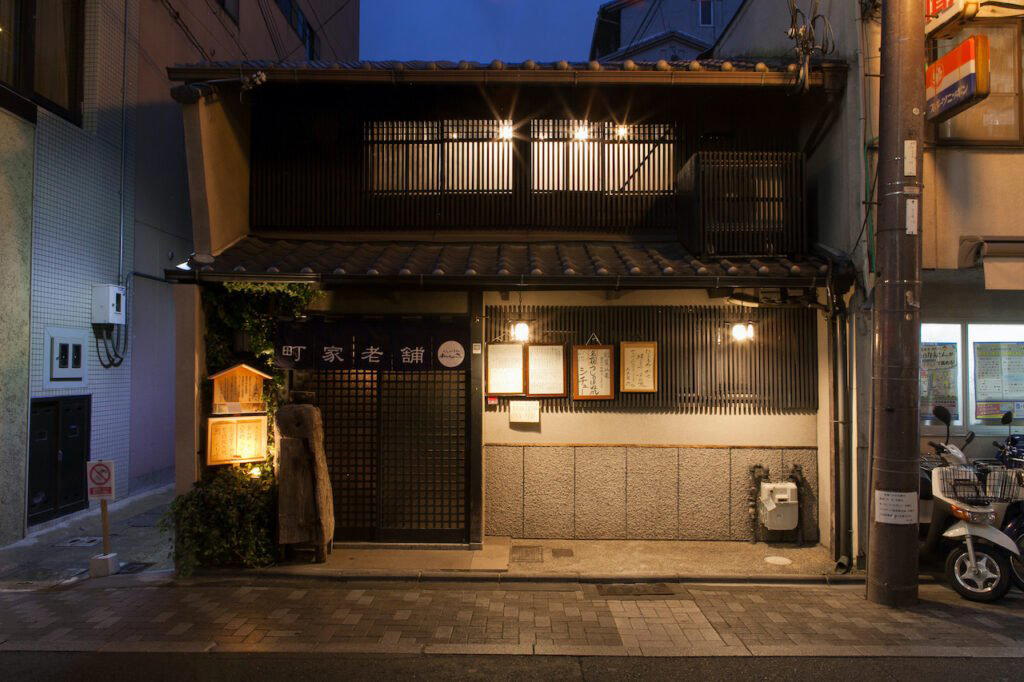
Where the City Goes Quiet
Higashiyama Ward does not announce itself. The streets narrow before you expect them to, temple rooflines appear above garden walls without warning, and the ambient noise of central Kyoto drops away somewhere around the third or fourth turning. It is in this eastern corridor, near Sennyuji, that æè¯ sits at 35-3 Sennyuji Yamanouchicho. The address is not incidental. Restaurants in this part of the city tend to share a particular quality: they are chosen deliberately, by people who already know Kyoto well enough to move beyond the obvious.
Sennyuji itself is an imperial mausoleum temple, the burial site of more than thirty emperors. The density of history in this neighbourhood is not decorative; it shapes the rhythm of the streets, the scale of the buildings, and the kind of quiet that settles over the area once the afternoon tour groups disperse. A restaurant here is not competing for foot traffic. Its presence in this location is itself a statement about the kind of guest it expects.
The Higashiyama Corridor and What It Signals
Kyoto's premium dining scene has long been concentrated in predictable zones: Gion, Pontocho, and the central wards around Kawaramachi. Over the past decade, a smaller number of serious establishments have pushed further east and south, occupying quieter residential and temple-adjacent addresses where rents and expectations differ from the tourist-dense centre. This is the cohort æè¯ belongs to geographically, even if confirmed detail about its format, cuisine, or scale remains sparse at this stage.
The comparison is useful. Gion Sasaki and Kikunoi Honten operate at the established, heavily documented end of Kyoto's kaiseki spectrum, with Michelin recognition and international visibility. Hyotei and Mizai represent the kind of deep institutional authority that comes from multi-generational presence.
Approaching the Experience
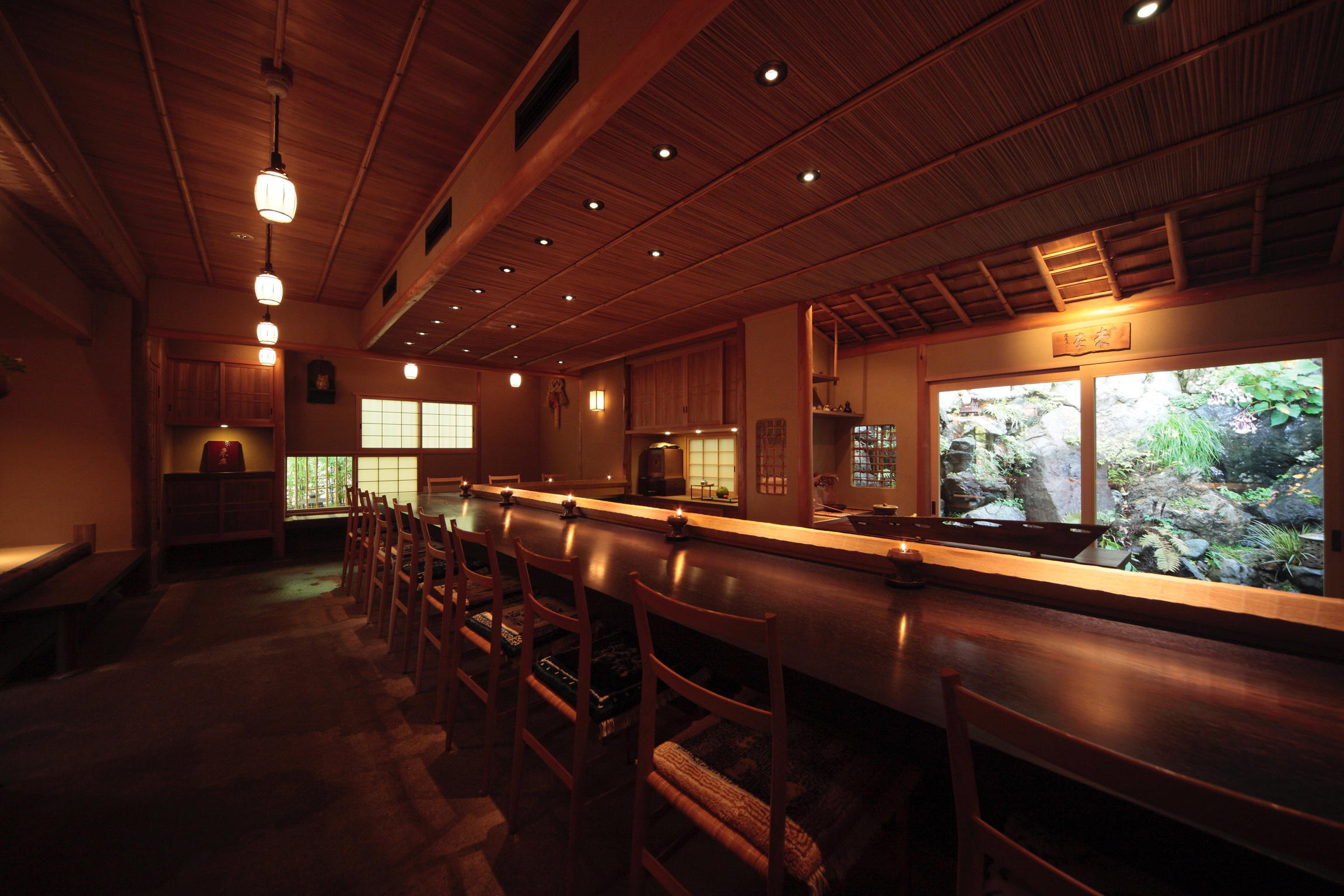
The sensory sequence for this part of Higashiyama follows a consistent grammar. Stone underfoot. The smell of cedar and old timber in walls that have absorbed decades of incense from nearby temple precincts. Lantern light rather than signage. Any establishment at this address would be encountered in that context, and the neighbourhood's atmosphere sets expectations before a door is opened. Kyoto's most considered restaurants have long understood that the approach is part of the meal: what you see, hear, and notice before sitting down is already framing your reading of what arrives at the table.
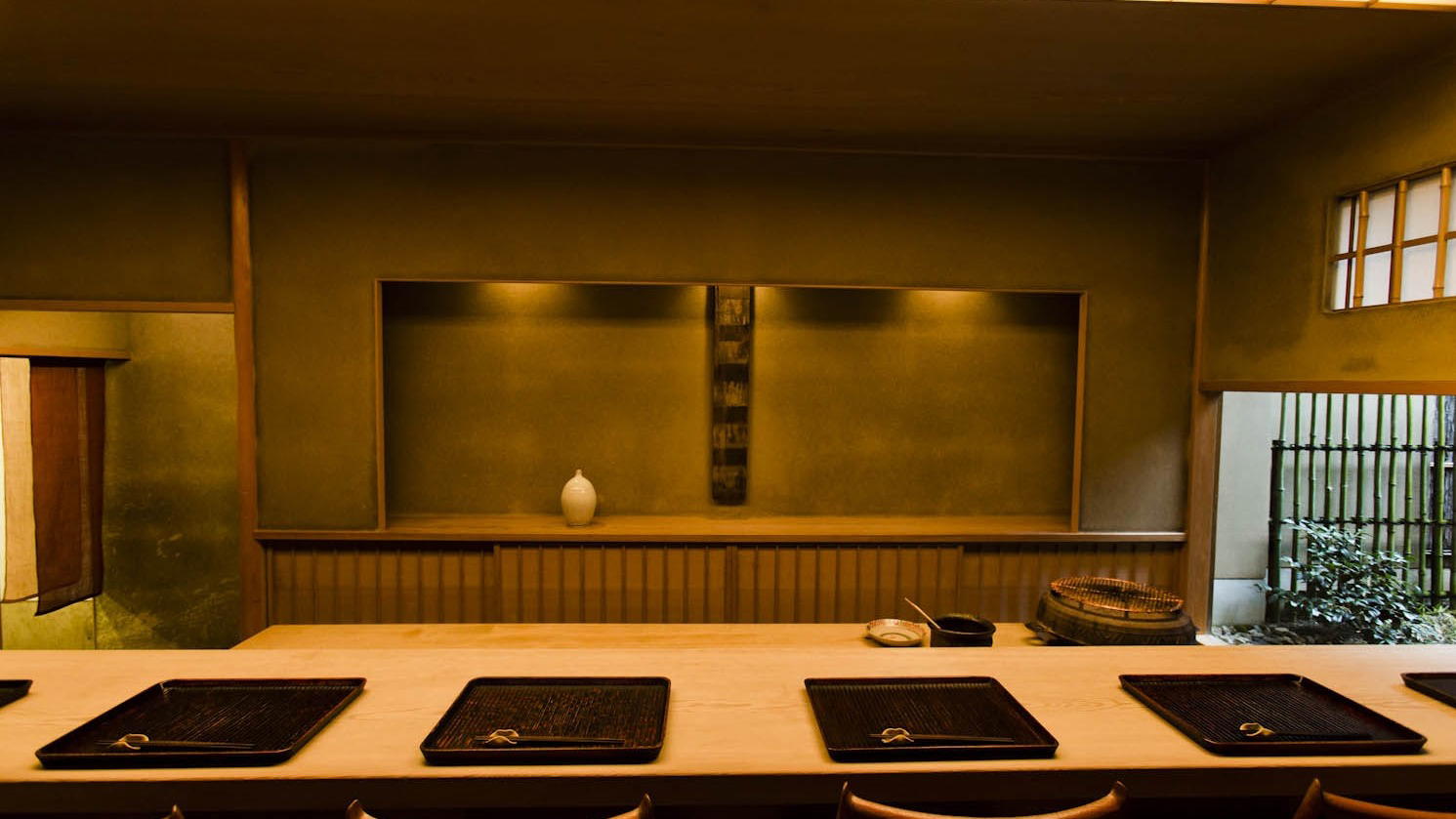
Japanese dining culture at this register treats space and sequence as inseparable. Its cuisine is Kaiseki. What the address communicates is an alignment with the quieter, more deliberate end of Kyoto's dining register, away from the performative visibility of central venues.
Kyoto's Seasonal Logic
Kyoto's dining year is organised around the same rhythms that govern its gardens and temples. Spring brings sakura and the first mountain vegetables, udo and taranome, into kitchens across the city. Summer shifts to ayu sweetfish, cold preparations, and the particular quality of light that comes through paper screens in June. Autumn produces the city's most discussed visual moment, momiji, and the matsutake mushroom season that serious restaurants plan months in advance. Winter kaiseki leans on root vegetables, aged ingredients, and the broth-heavy preparations suited to cold evenings in a city that feels fundamentally different once the tourists of autumn have left.
Any restaurant operating at this address in Higashiyama is working within that seasonal calendar, whether or not it follows kaiseki's formal course structure. The proximity to Sennyuji and the eastern hills means the neighbourhood's own seasonal markers, the plum blossoms of late February, the maple colour that moves down the hillside through November, are visible from the surrounding streets. This is not peripheral context. In Kyoto, the calendar and the kitchen have never been separate.
Situating æè¯ in Japan's Broader Premium Scene
Kyoto's serious dining addresses do not exist in isolation. The circuit of Japan's most considered restaurants now connects cities that once felt discrete: the precision of Tokyo's omakase counters at venues like Harutaka, the technical ambition of Osaka establishments like HAJIME, the quieter regional propositions at places like akordu in Nara and Goh in Fukuoka. Travellers moving through this circuit bring a different kind of attentiveness to each stop. Kyoto's contribution to that circuit is not speed or novelty but depth of tradition, the sense that what arrives at a table here carries the weight of a cooking culture that has been refining the same seasonal logic for centuries.
Restaurants at the quieter edges of that tradition, outside the established award hierarchies but within the city's serious dining geography, occupy an interesting position. They are often where the next significant development in Kyoto's dining story is legible before it becomes visible to the broader international audience. Isshisoden Nakamura offers a reference point for how long institutional presence can sustain a reputation independently of annual award cycles. The question for newer or less-documented addresses is whether the depth of commitment matches the quietness of the location.
For context across Japan's less-visible regional dining, addresses like Abon in Ashiya, affetto akita in Akita, Aji Arai in Oita, Ajidocoro in Yubari District, Akakichi in Imabari, and aki nagao in Sapporo demonstrate how Japan's premium dining story extends well beyond the metropolitan centres. æè¯'s Higashiyama address places it within that broader pattern of serious cooking happening at a deliberate remove from particularly trafficked circuits.
Planning a Visit
The address, 35-3 Sennyuji Yamanouchicho, Higashiyama Ward, places æè¯ in the southern reach of the eastern hills, most practically accessed on foot from Tofukuji station or by taxi from central Kyoto. Reservations are essential. The address, 35-3 Sennyuji Yamanouchicho, Higashiyama Ward, places æè¯ in the southern reach of the eastern hills, most practically accessed on foot from Tofukuji station or by taxi from central Kyoto.
Peers You’d Cross-Shop
Comparable venues nearby, for context on price, style, and recognition.
| Venue | Cuisine | Price | Notes |
|---|---|---|---|
| 斎華This venue — the venue you are viewing | Kaiseki | Not listed | Not listed |
| Katsukura (かつくら 四条東洞院店) | Traditional Kyoto Tonkatsu | $$ | Kawaramachi, Kiyamachi, Ponto-cho |
| Kyoto Curry Seisakusho Kariru | Japanese spice curry house | $$ | Kamigyō |
| Yamamoto Menzo (山元麺蔵) | Authentic Kyoto-Style Udon | $$ | Okazaki |
| Kyoto Tsurara | Modern Japanese Kakigori | $$ | Nakagyo Ward, Nijo Area |
| Gion Komori | Traditional Kyoto Japanese sweets & tea house | $$ | Higashiyama |
Continue exploring
More in Kyoto
Restaurants in Kyoto
Browse all →
Bars in Kyoto
Browse all →
Hotels in Kyoto
Browse all →
Wineries in Kyoto
Browse all →
At a Glance
- Special Occasion
- Sake Program