On a quiet stretch of Shijo-dori near Higashinotoin, Katsukura represents something specific to Kyoto's mid-range dining culture: the tonkatsu specialist that takes its craft as seriously as the kaiseki houses a few blocks away. Carefully sourced pork, ground sesame at the table, and a format refined over decades place it comfortably inside Kyoto's broader culture of disciplined, ingredient-led cooking.
Pearl is the En Primeur Club membership app — saves, bookings, and concierge access live there. Same editors, same standards.
- Address
- 中京区阪東屋町674 (東洞院通四条上ル), 京都市, 京都府, 604-8143
 Saves & bookings on Pearl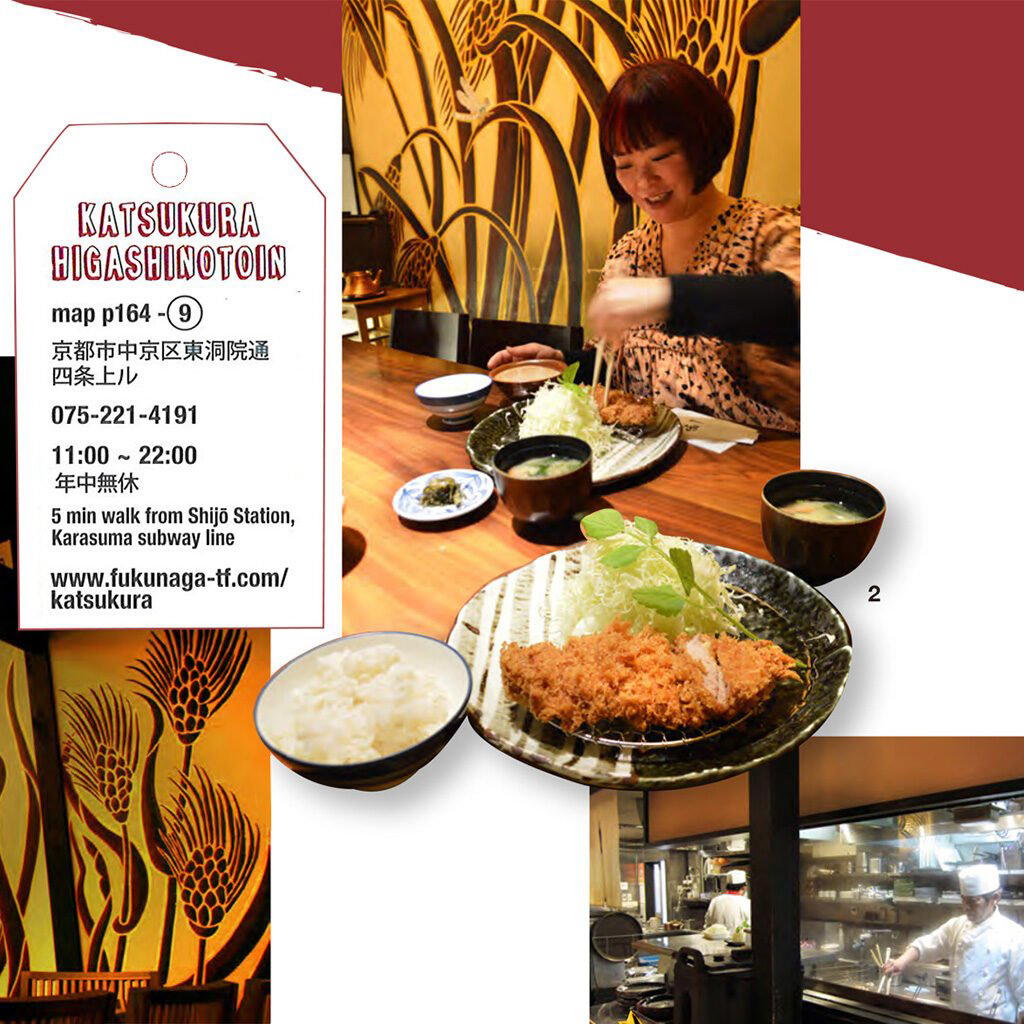
Where Shijo's Grid Meets a Specific Kind of Seriousness
Kyoto's central grid is not a tourist convenience, it is a working city's infrastructure, and the blocks around Shijo and Higashinotoin carry the particular texture of a neighbourhood that has always served locals as much as visitors. Department stores anchor the corner at Shijo-Karasuma; the covered arcade of Teramachi runs a few hundred metres to the east. Between them, on streets like Higashinotoin-dori, you find the kind of establishment that Kyoto does quietly and consistently well: the specialist that has narrowed its focus to one thing and refined that thing over time.
Katsukura (かつくら 四条東洞院店) is a Kyoto restaurant serving traditional Kyoto tonkatsu at a casual, walk-in-friendly address in central Kyoto. Tonkatsu, breaded, deep-fried pork cutlet, is not a Kyoto invention. It arrived from Western-influenced Meiji-era cooking and spread across Japan as a weekday staple. But in the hands of a dedicated specialist, it becomes something closer to a discipline. The question Katsukura asks is not what else it can put on the menu, but how precisely it can execute the thing it has chosen to do.
The Tonkatsu Specialist in Kyoto's Dining Structure
To understand Katsukura's position, it helps to map the city's dining tiers. At the high end, Kyoto's kaiseki tradition dominates the international conversation: multi-course, seasonal, cerebrally constructed. Gion Sasaki, Hyotei, Kikunoi Honten, and Mizai represent the tier that draws international press and multi-month booking windows. Isshisoden Nakamura extends that lineage further back into Kyoto's culinary history.
Below that tier, Kyoto has a dense and sometimes underestimated middle range: the category specialist. Ramen-ya, tofu-ryori houses, tempura counters, and tonkatsu restaurants that apply the same ingredient discipline as the kaiseki world but within a shorter format and at a fraction of the price. Katsukura occupies a prominent position in that category. It is not a casual chain in any functional sense, the sourcing focus, the tableside ritual of grinding sesame before the meal, and the attention to cut and oil temperature are signals of a kitchen that has decided exactly what it stands for.
For visitors calibrating an itinerary that includes a session at HAJIME in Osaka or a counter at Harutaka in Tokyo, Katsukura serves a different function: it is the meal that grounds you in Japanese daily dining culture before or after the formal experiences. That grounding is not a consolation, it is a different kind of education.
The Format and What It Tells You
The tonkatsu format at Katsukura follows a structure common to serious specialists in the genre: choose your cut (loin or fillet, with grade variations depending on the menu), receive it with finely shredded cabbage, rice, miso soup, and pickles, then grind your own sesame into the house sauce at the table. That tableside sesame step is not theatre. Sesame oxidises once ground, and the practice reflects a conviction that the dipping experience should use the freshest possible base. It is a small operational decision that signals how the kitchen thinks.
The breadcrumb coating, panko, is applied with enough care that the crust separates cleanly from the meat, creating the textural contrast that distinguishes a properly executed katsu from a careless one. The pork itself, in the premium cuts, is sourced to a specific regional standard, and the difference in fat distribution and marbling is apparent in both texture and finish.
This level of category attention is not exclusive to Katsukura, you find similar discipline at specialist tonkatsu houses in Tokyo and, further afield, at category-focused restaurants across Japan like Goh in Fukuoka, but within Kyoto's specific dining culture, where the default reference point is kaiseki, a tonkatsu specialist that operates with genuine precision occupies an interesting position.
The Neighbourhood as Context
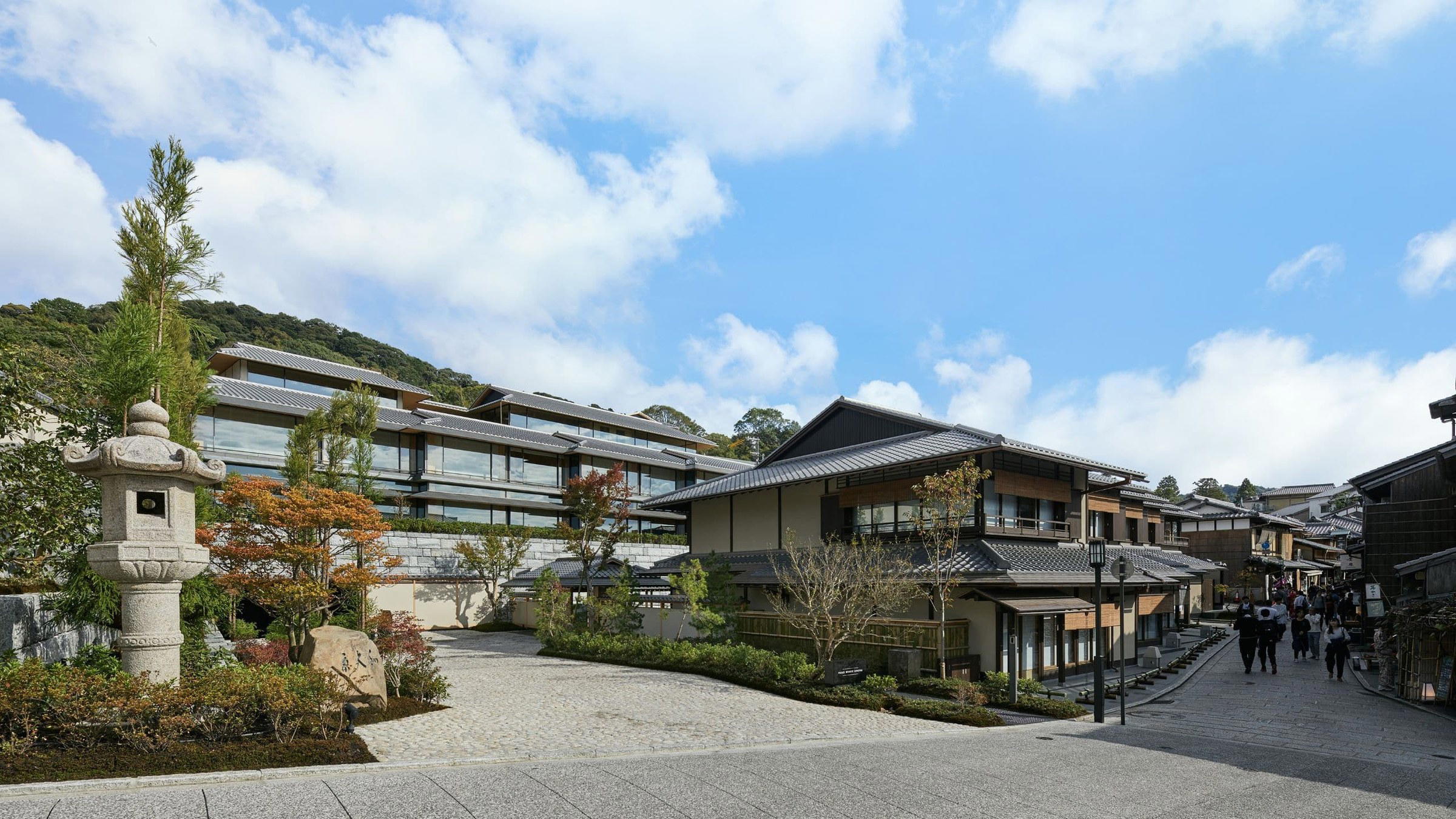
The Shijo-Higashinotoin location is relevant beyond convenience. This is central Kyoto at its most functional: close enough to Nishiki Market that you pass through the covered arcade on the way, within walking distance of the Karasuma commercial corridor, and a reasonable distance from the quieter precincts of Fushimi and Gion. It is a location that serves people who are moving through the city purposefully, not people who have arrived by rickshaw to tick landmarks.
That neighbourhood character shapes the experience. This is not a destination hidden behind an unmarked door or accessible only via a booking placed weeks ahead. It is a serious specialist in a working part of the city, which makes it accessible in ways that Kyoto's most celebrated tables are not. Comparable precision-focused restaurants in Japan's regional cities, akordu in Nara, for instance, or the highly specific format of Birdland in Sakai, carry similar appeal for travellers who read accessibility as a feature rather than a concession.
Kyoto's dining culture rewards this kind of mid-register literacy. The city's culinary reputation is so dominated by kaiseki that mid-range specialists often go underread in travel coverage.
How It Sits Among Peers
Within its own category, Katsukura operates at a different register than casual tonkatsu chains. The difference is not primarily price, though premium cuts push the cost higher than a convenience-focused katsu lunch, but orientation. The kitchen is not trying to move volume at speed; it is trying to execute a specific format to a consistent standard.
For a point of international comparison: the kind of category-specialist seriousness that Katsukura applies to tonkatsu is not unlike what you see at fish-focused tasting counters in other culinary traditions. Le Bernardin in New York City applies that same narrowing logic to seafood at the haute end; Atomix in New York City does it with Korean fine dining. The scale and price tier differ enormously, but the underlying discipline, choosing one thing and refusing to compromise on it, is recognisable across formats.
Comparison Snapshot
Comparable venues nearby, for context on price, style, and recognition.
| Venue | Cuisine | Price | Notes |
|---|---|---|---|
| Katsukura (かつくら 四条東洞院店)This venue — the venue you are viewing | Traditional Kyoto Tonkatsu | $$ | Not listed |
| Nakae | Cozy Kyoto Izakaya & Japanese Seafood Tavern | $$ | Shimogyō |
| 德まる | Japanese Kappo | $$ | 中京区 |
| Kaikado Cafe | Japanese Tea Cafe | $$ | Shimogyō |
| Senmonten (泉門天) | Gyoza Specialty | $$ | Gion |
| Arata | Kyoto-Style Okonomiyaki / Teppanyaki | $$ | Minami |
At a Glance
- Sophisticated
- Elegant
- Relaxed
- Classic
- Casual Hangout
- Family
- Group Dining
- Historic Building
- Open Kitchen
- Sake Program
- Local Sourcing
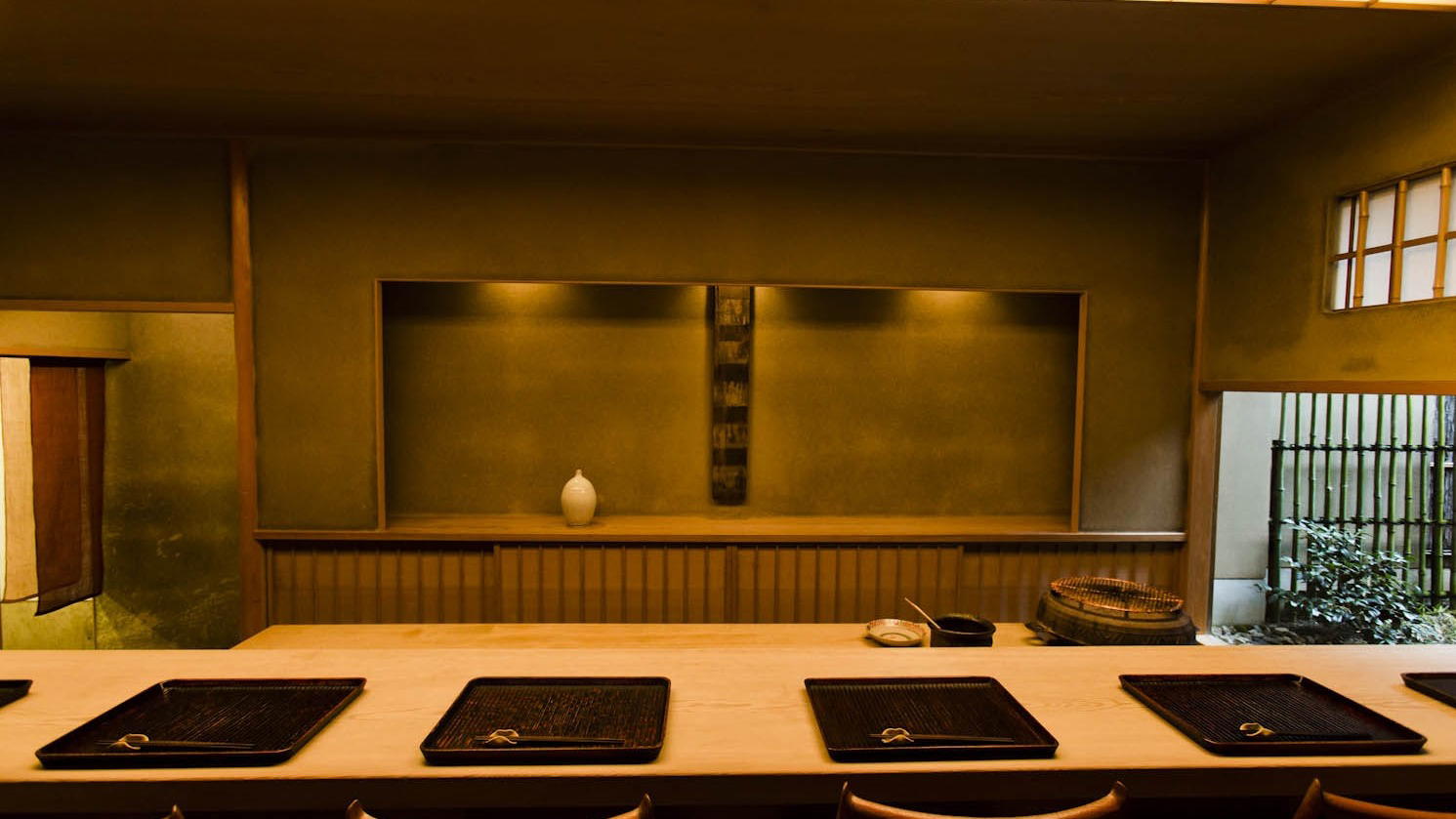
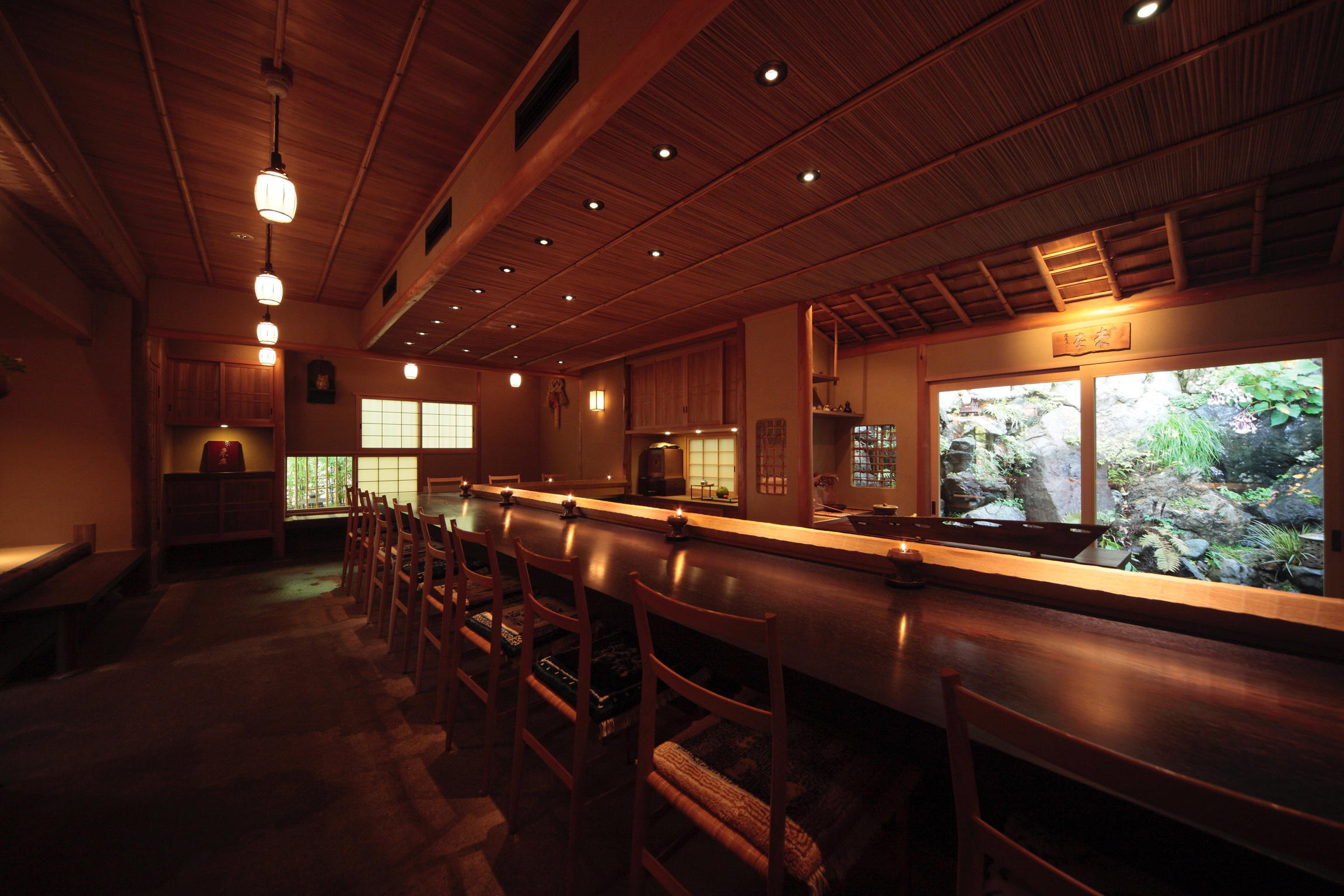
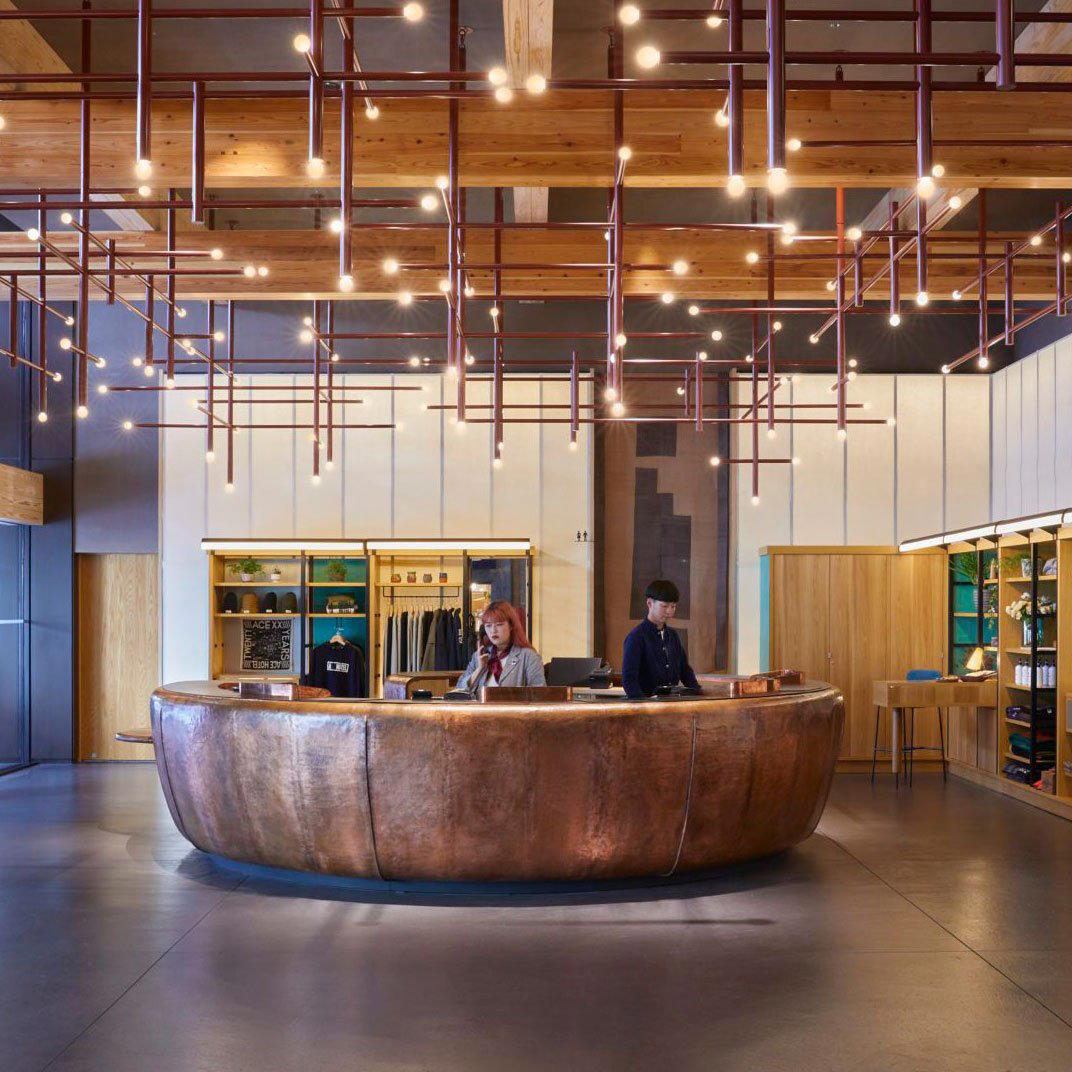
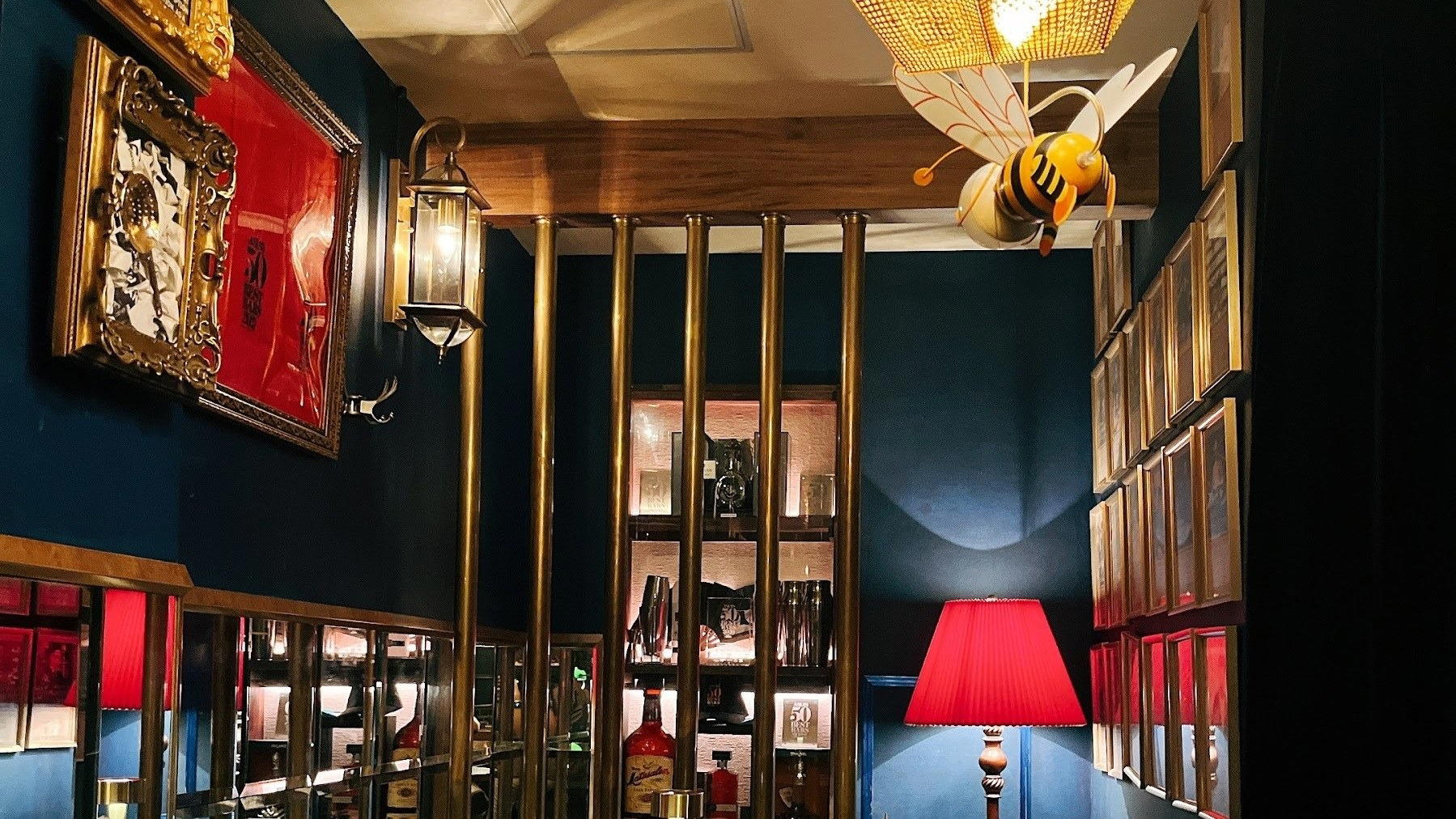
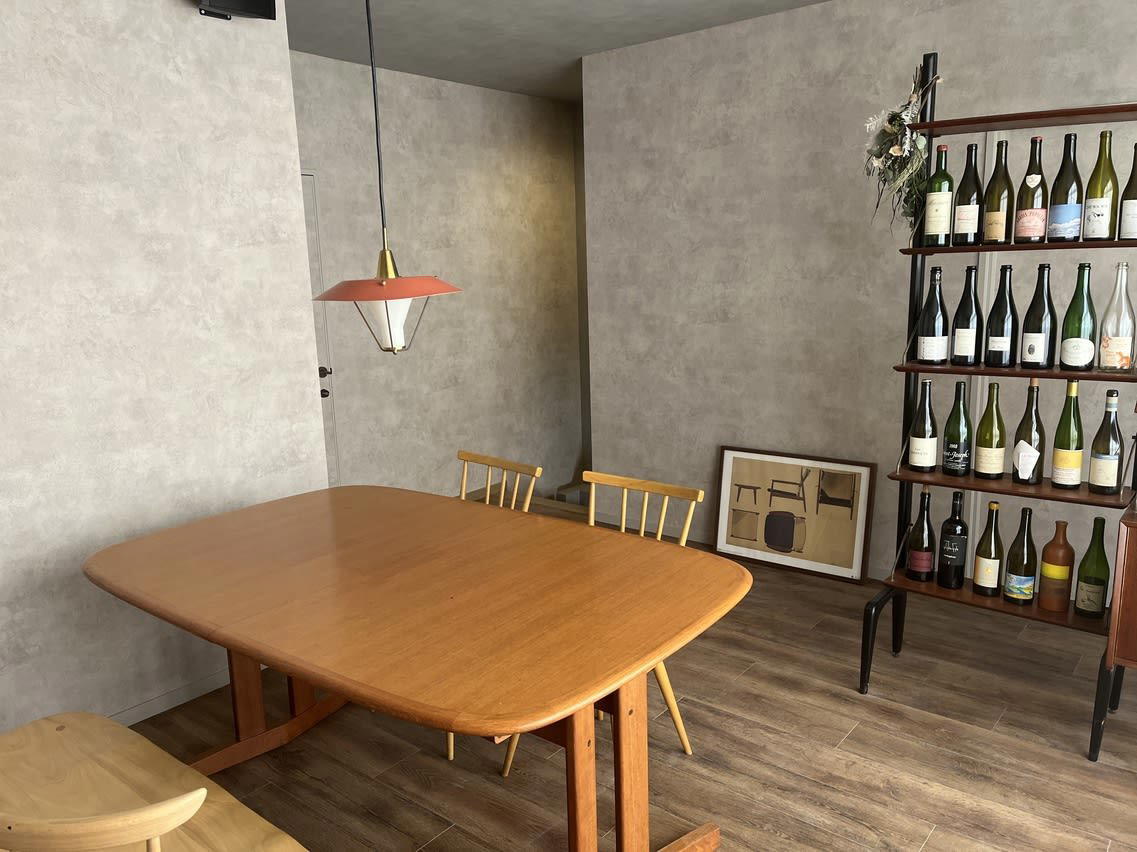
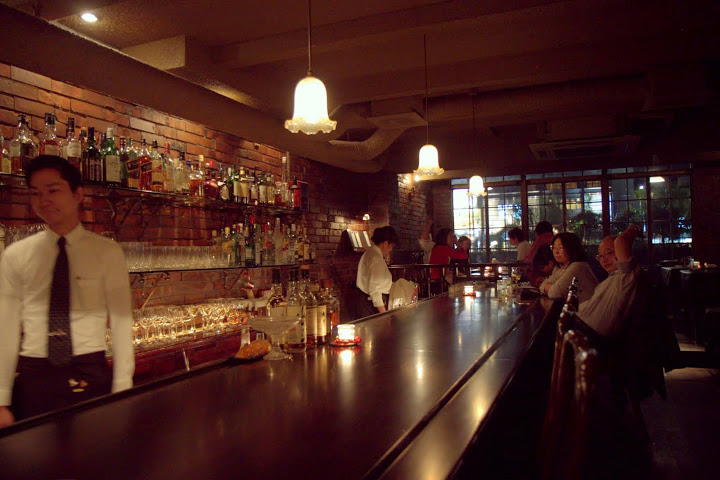
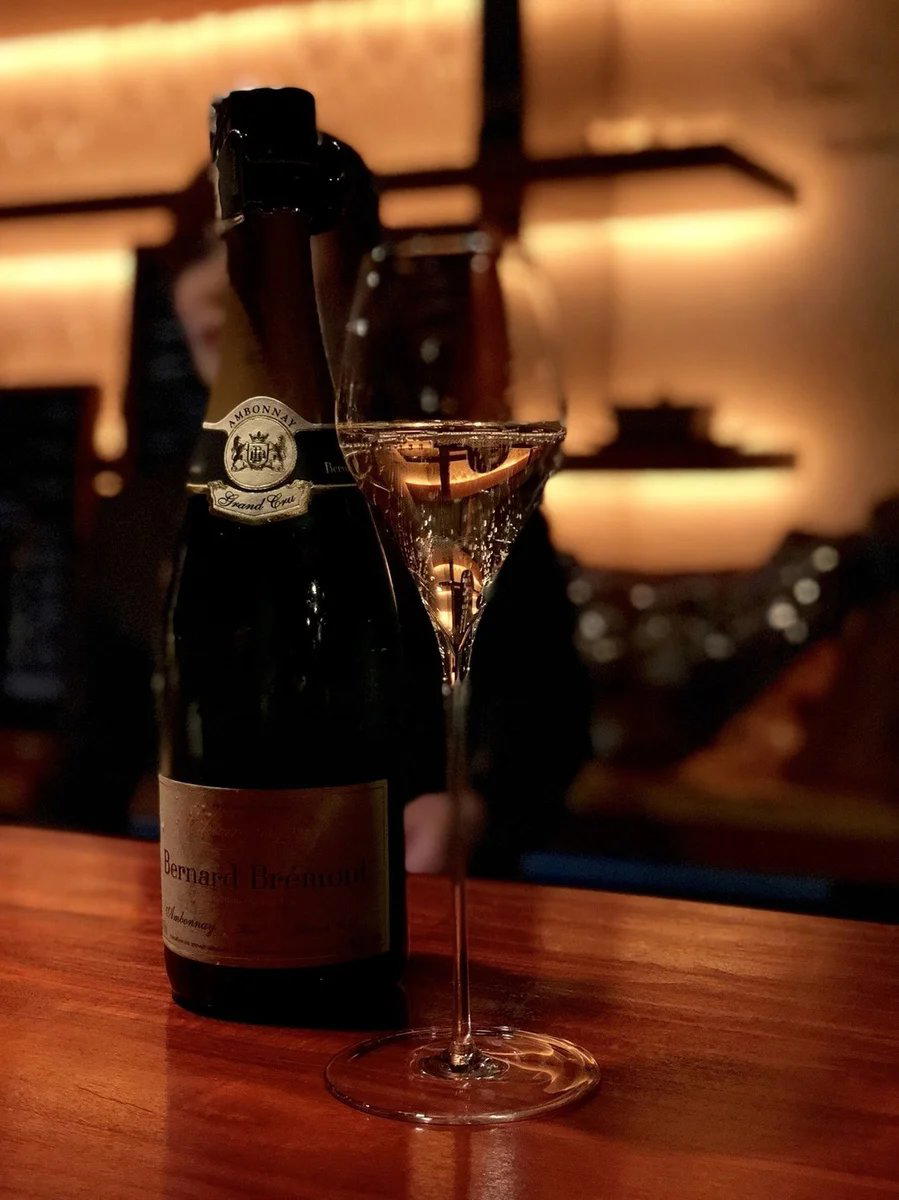
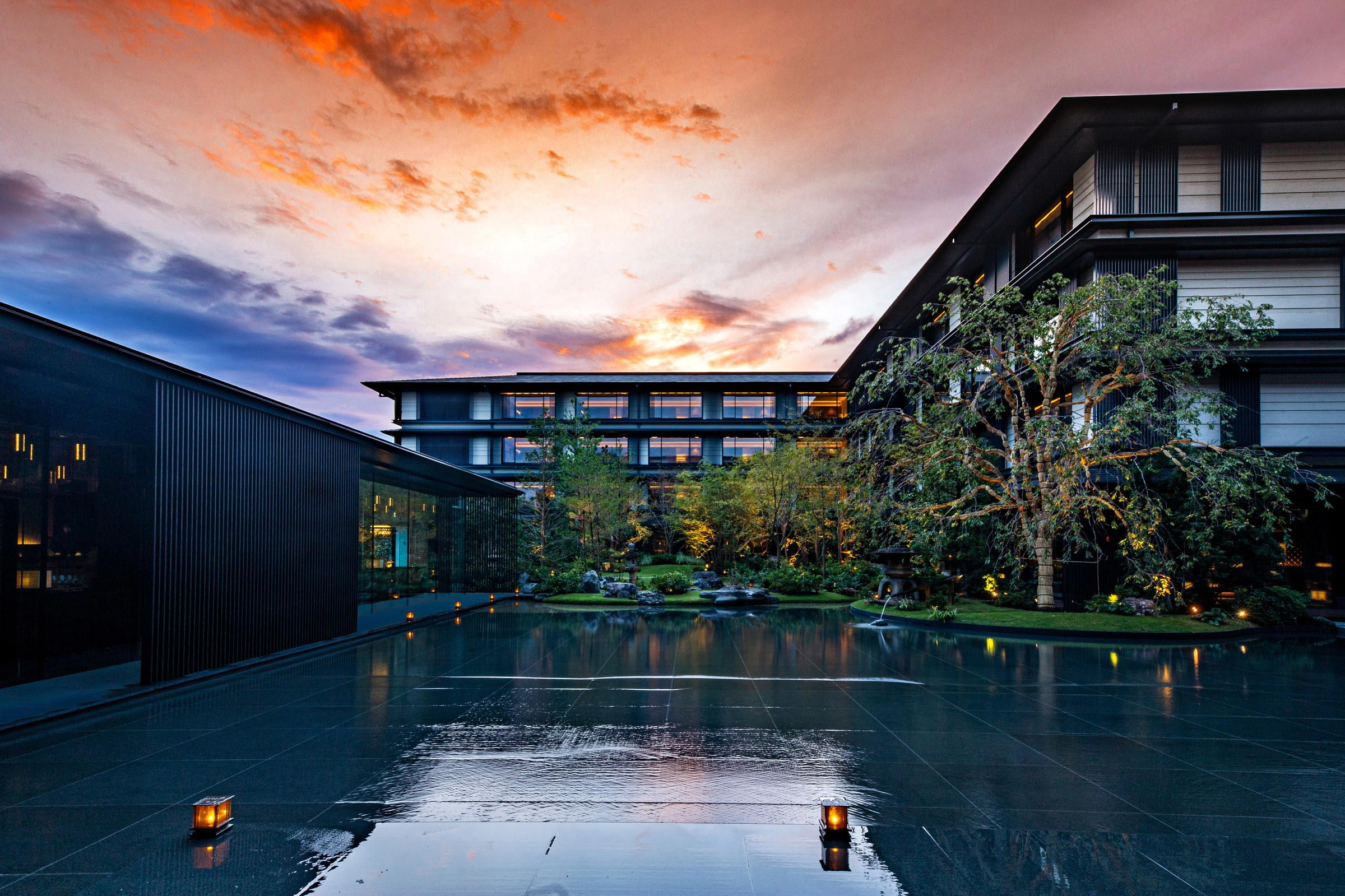
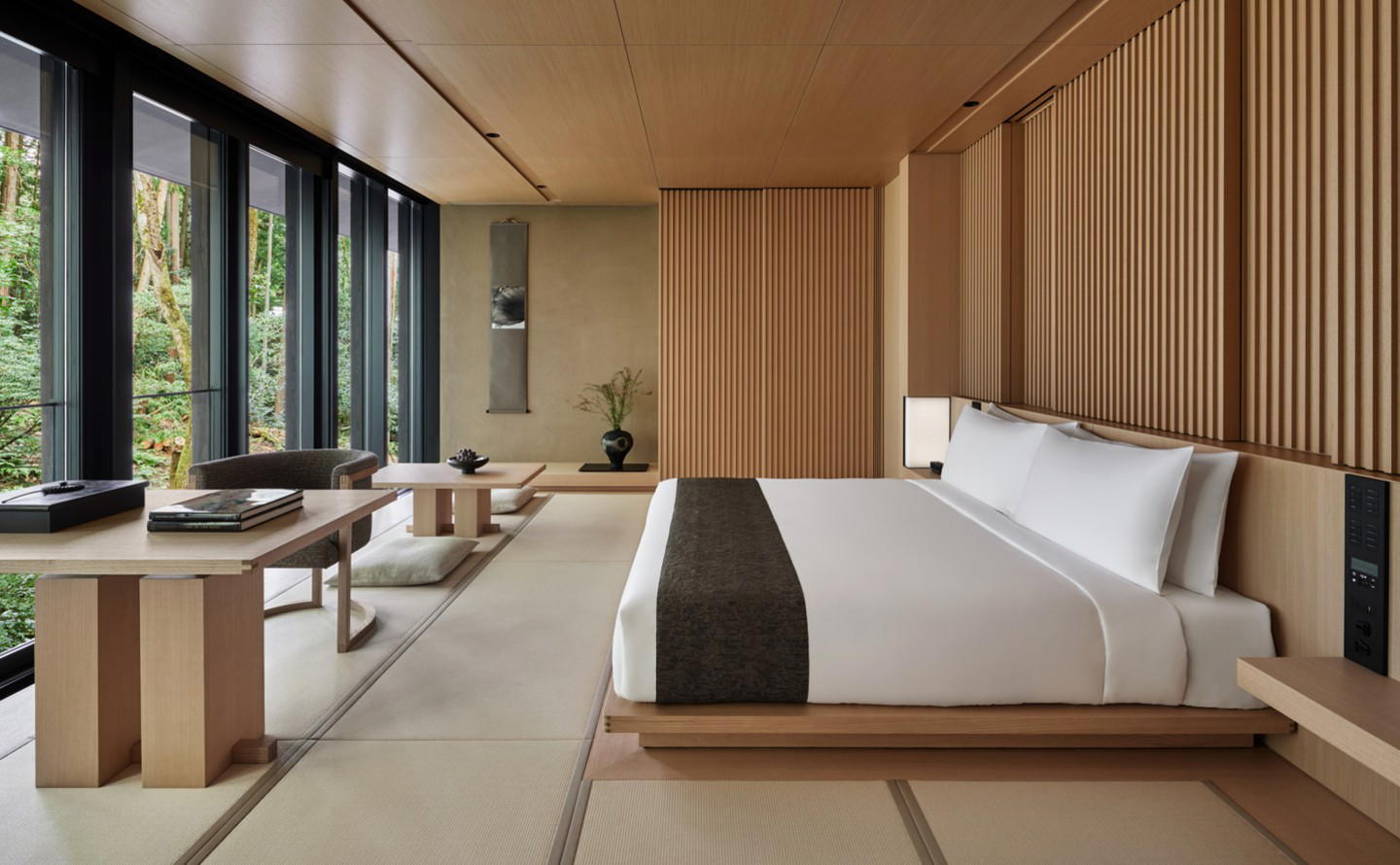
Slightly dim lighting creating a chic and sophisticated feel with a calm atmosphere typical of Kyoto, renovated from a traditional machiya (wooden townhouse) with stylish interior design.