
Kyoto Curry Seisakusho Kariru belongs to Kyoto’s serious everyday-curry tier: compact, counter-led, and shaped around curry and Indian curry rather than kaiseki ceremony. Its Tabelog Curry WEST 100 selections in 2023 and 2024 give it a useful signal for travelers sorting through the city’s casual lunch rooms, ramen counters, soba shops, and small specialist kitchens.
Pearl is the En Primeur Club membership app — saves, bookings, and concierge access live there. Same editors, same standards.
- Address
- 349-1 Haruobicho, Kamigyo Ward, Kyoto, 602-8026, Japan
- Phone
- +81 75-211-6110
- Website
- karil.jp
 Saves & bookings on Pearl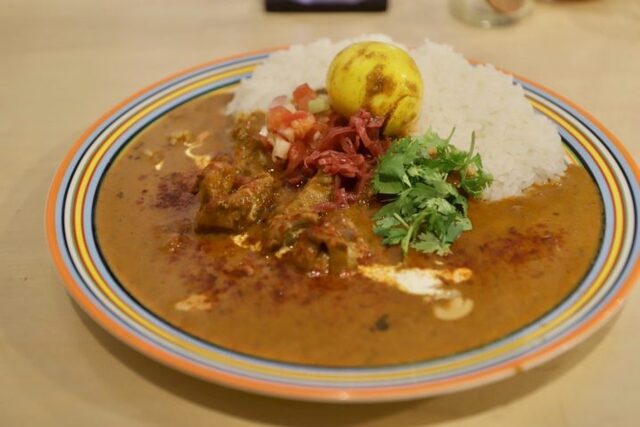
Kyoto’s smaller curry rooms are rarely theatrical. Their appeal is compression: narrow frontage, counter seating, a short meal rhythm, and a room for people who know what they came to eat. In Kamigyo Ward, near the civic and university side of central Kyoto rather than Gion’s postcard lanes, Kyoto Curry Seisakusho Kariru fits that pattern. The setting matters: Kyoto curry is not competing with temple cuisine or formal kappo culture. It belongs to another register: daily, solo-friendly food that can be serious without acting like an occasion.
For travelers, that distinction helps. Kyoto’s dining reputation is often filtered through reservation-only counters, seasonal menus, and historic rooms, but its everyday specialist kitchens carry another intelligence. Curry in Japan has its own modern history, shaped by imported spice traditions, adapted to domestic tastes, and now split between Japanese curry, South Asian-influenced cooking, and hybrid styles that vary sharply by city. Kyoto Curry Seisakusho Kariru sits in the curry and Indian curry category, closer to spice-focused casual dining than to the sweeter, school-cafeteria image many visitors associate with Japanese curry rice.
Kyoto curry, away from the kaiseki script
Kyoto rewards travelers who understand its range. A day can move from aburi mochi at Aburi Mochi Honke Nemoto Kazariya to a soba counter such as Chikuyuan Taro no Atsumori, then into a French room like MOKO or Abbesses. Curry occupies a quieter lane. It does not depend on tea-ceremony aesthetics or multi-course pacing; it depends on concentration, repeatability, and whether a small kitchen can make a bowl feel deliberate rather than generic.
The Tabelog Curry WEST 100 selections in 2023 and 2024 are the clearest public signal. Tabelog’s Hyakumeiten lists are not luxury awards in the Michelin sense; they work better as category maps, especially for genres where local regulars often matter more than international press. A curry room on the WEST list tells a different story from a starred tasting-menu restaurant: it suggests judgment within a crowded regional category, against other curry specialists rather than Kyoto’s formal dining rooms.
That reputation is easier to read beside casual specialists than destination dining. Fuka Fuchomae honten and Chikuyuan Taro no Atsumori represent the sub-¥1,000 and soba sides of Kyoto’s everyday spectrum, while Kaji and 実伶 sit in more conventional Japanese-dining territory. Curry specialists ask a narrower question: can a compact room justify a dedicated stop when the city is full of quick noodles, department-store meals, and hotel concierge recommendations? Here, the answer rests on category recognition and disciplined format, not spectacle.
A counter-format meal built for focus, not ceremony
The physical format supports the point. With 21 seats and counter seating listed among the facilities, the room belongs to the compact urban-lunch genre: efficient, close-range, and better for one or two diners than a sprawling group. Private rooms and private use are unavailable, keeping the experience in the public rhythm of a small restaurant rather than the controlled privacy of a Kyoto ryotei. Take-out is offered, another clue that the cooking functions inside everyday city life rather than as a sealed-off travel set piece.
For visitors, it is a corrective to over-scheduled Kyoto dining. Not every meaningful meal needs a months-ahead reservation or multi-hour commitment. Reservations are unavailable, so the decision is about timing, patience, and appetite, not access strategy. The Haruobicho, Kamigyo Ward address places it near Marutamachi on the Karasuma Subway Line, useful for travelers moving between the Imperial Palace area, central hotels, and the north-south subway spine.
The value proposition is part of the cultural read. A lunch or dinner budget of JPY 1,000 to JPY 1,999 places it in a tier where expectations should center on precision inside a casual format, not luxury markers. Credit cards, transport IC cards such as Suica, QUICPay, and QR code payments are accepted, useful in a city where small counters vary widely on payment. The room is non-smoking, parking is unavailable, and the occasion notes point toward solo dining and friends rather than business entertaining.
How it fits into a Kyoto itinerary
Kyoto’s stronger food days are often built by contrast. A curry lunch in Kamigyo can leave the evening open for Japanese dining at Kaji, French cooking at MOKO, or a more bar-led route through the city. Travelers comparing categories can scan Our full Kyoto restaurants guide, then cross-reference hotels, bars, wineries, and experiences through Our full Kyoto hotels guide, Our full Kyoto bars guide, Our full Kyoto wineries guide, and Our full Kyoto experiences guide.
The wider Kyoto casual map rewards lateral thinking. 3TOKU6MI Shijo karasuma ten, 551蓬莱, and [ki:] show how varied the city’s non-formal dining can be, from quick regional comfort food to design-conscious rooms. Beyond Kyoto, curry and casual Japanese dining travel differently: [Curry Senmon Ten] Maruyama Kyoju. in Sapporo offers a northern comparison point, while.cafe in Osaka.know in Kumamoto, (Shoku) Vietnam in Kawasaki. 鮪と炭火焼き うお炭 秋葉原店 in Tokyo, and -Grilled beef Sukiyaki- KAMAKURA TANUKIAN 鎌倉 たぬき庵 in Kamakura show Japan’s breadth of casual specialists. In Los Angeles and Pasadena, Jōdo Saké Bar in Los Angeles and Onigiri Time in Pasadena make a separate point: Japanese everyday formats often translate better abroad when they stay tightly focused.
The reason to prioritize Kyoto Curry Seisakusho Kariru is not grandeur. It is how a small, curry-specific room can clarify a city visitors too often reduce to temples, tea, and tasting menus. In a Kyoto itinerary, this stop resets the palate and budget while keeping the food conversation local.
Cost and Credentials
Side-by-side context: comparable cuisine and price.
| Venue | Cuisine | Price | Notes |
|---|---|---|---|
| Kyoto Curry Seisakusho KariruThis venue — the venue you are viewing | Kamigyō, Japanese spice curry house | $$ | Not listed |
| Zen Kasho In Kyoto muromachi honten | Not listed | $$ | Nakagyō, Traditional Japanese sweets & matcha cafe |
| Teuchi Soba Hanamomo | Nakagyō, Traditional Handmade Soba | $$ | Not listed |
| Aje Matsubara honten | Not listed | $$ | Shimogyō, Yakiniku & Horumon (Offal) Barbecue |
| GYUKATSU Kyoto Katsugyu Fushimi Inari | Fushimi, Japanese Gyukatsu | $$ | Not listed |
| Menya Inoichi Hanare | Not listed | $$ | Shimogyō, Modern seafood-based ramen & tsukemen |
Recognition history
Dated appearances from independent guides and award organizations, with the underlying list record or original source where available.
Tabelog 100 #92 · No. 92
Tabelog · Tabelog 100 - Curry - WEST - 2024
Continue exploring
More in Kyoto
Restaurants in Kyoto
Browse all →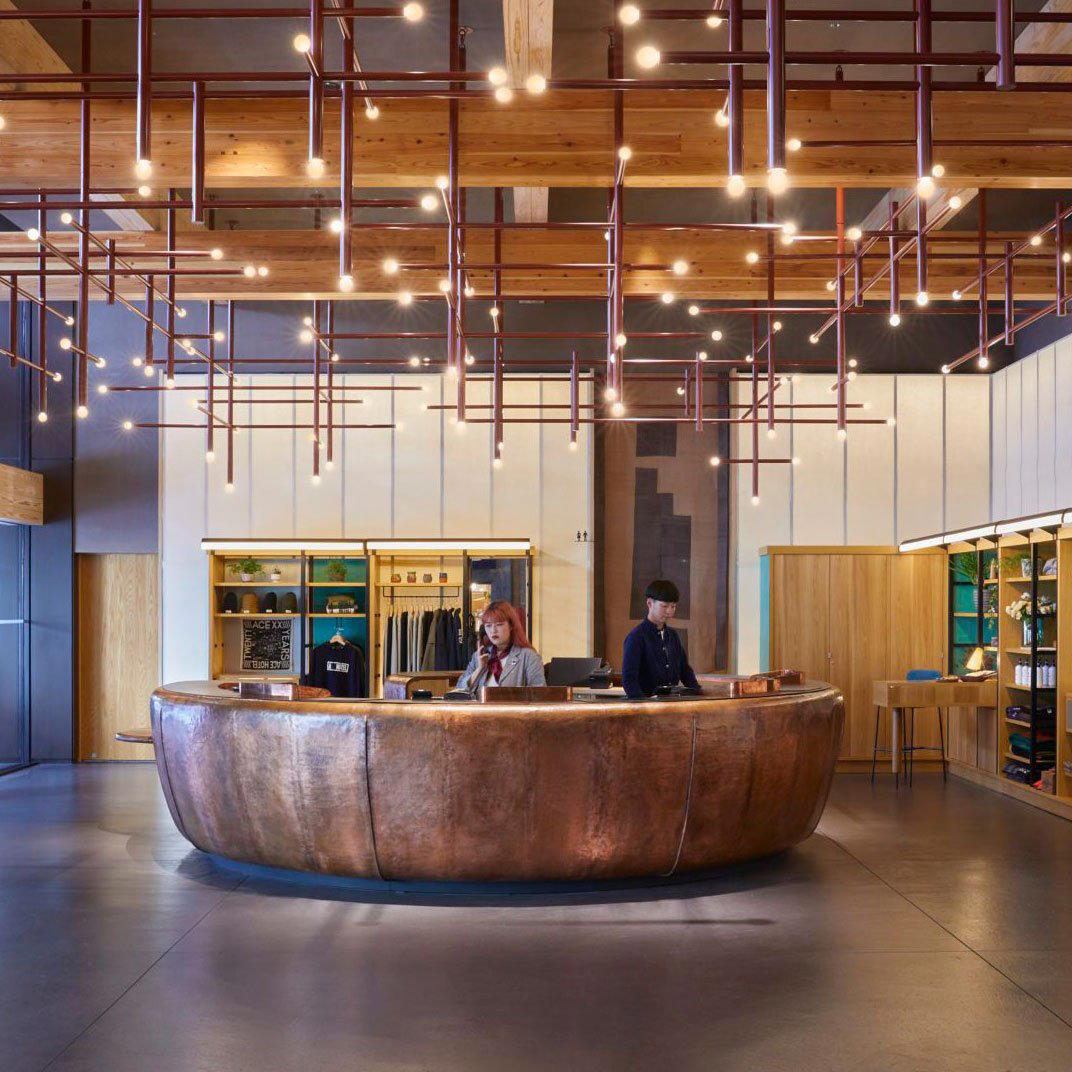
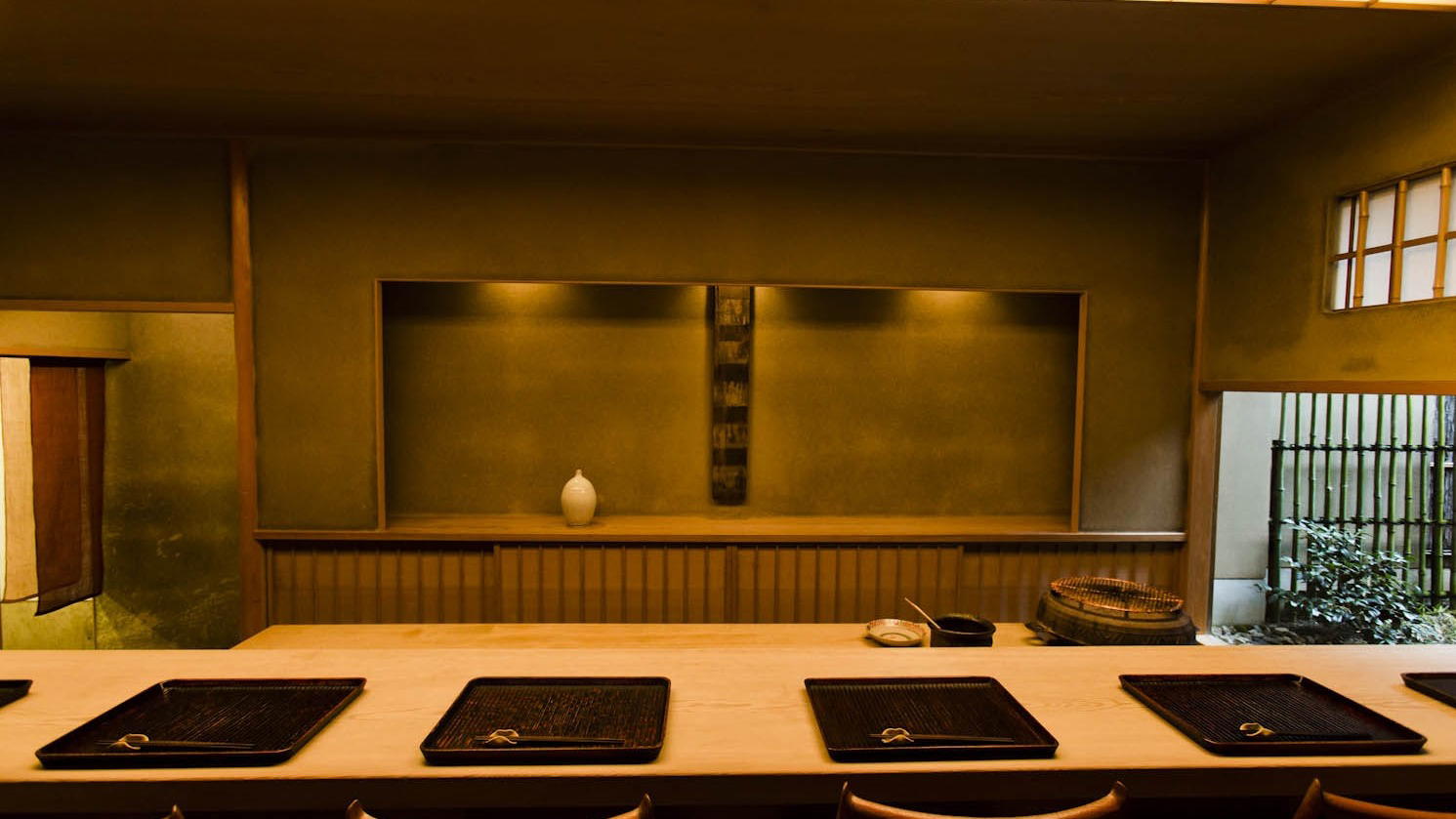
Bars in Kyoto
Browse all →
Hotels in Kyoto
Browse all →
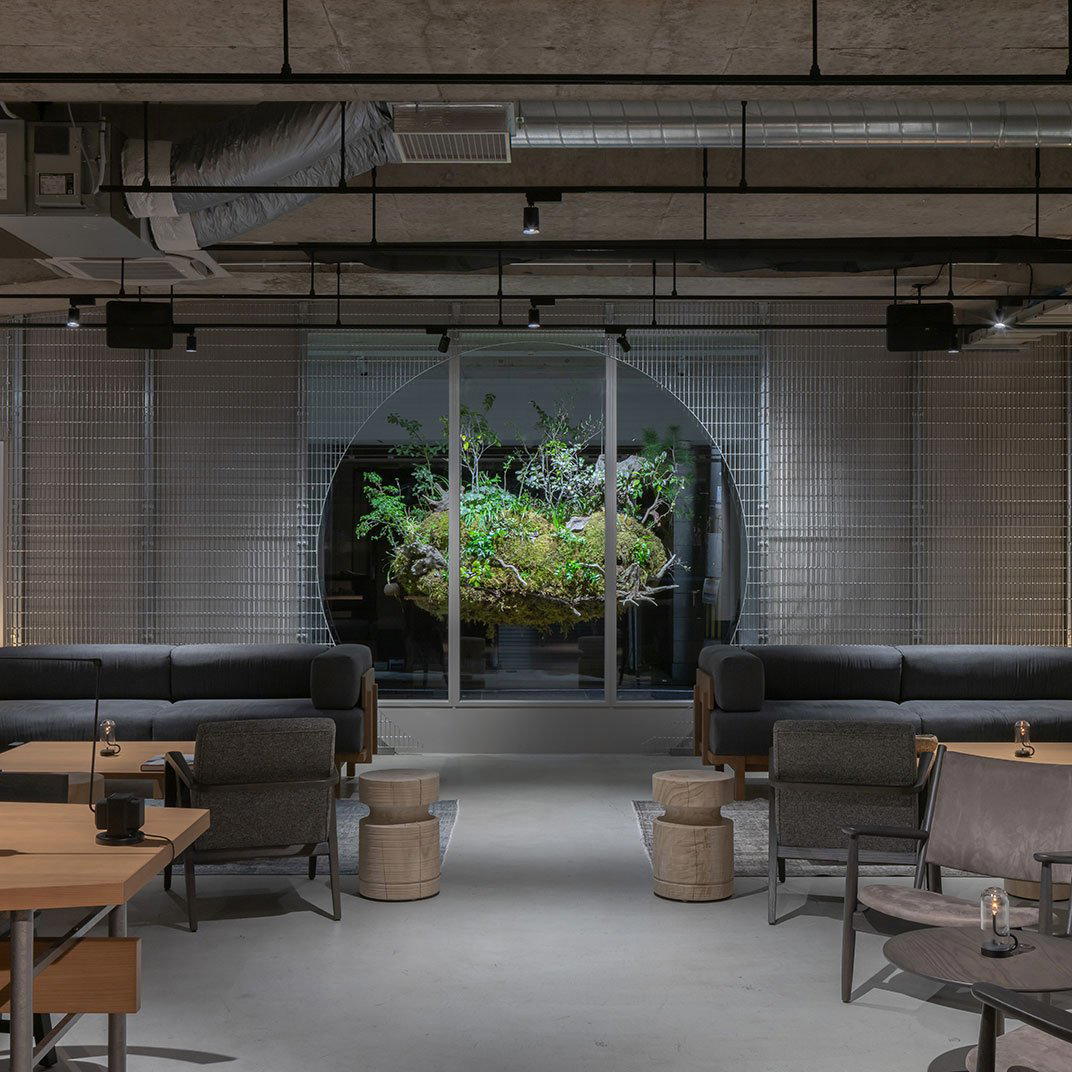
Wineries in Kyoto
Browse all →
At a Glance
- Cozy
- Classic
- Solo
- Casual Hangout
- After Work
- Standalone
- Design Destination
- Local Sourcing
Current opening hours
- Monday
- 11 AM–3 PM, 5–8 PM
- Tuesday
- 11 AM–3 PM, 5–8 PM
- Wednesday
- 11 AM–3 PM, 5–8 PM
- Thursday
- 11 AM–3 PM, 5–8 PM
- Friday
- 11 AM–3 PM, 5–8 PM
- Saturday
- 11 AM–3 PM
- Sunday
- Closed
Hours can change for holidays and private events. Last verified .
A small, calm curry shop with counter seating and a relaxed, low-key atmosphere where two chefs prepare aromatic spice curries in a non-smoking space.