Yamamoto Menzo sits on Okazaki-dori in Kyoto's Sakyo Ward, drawing queues that form well before the doors open, a reliable signal among Japan's udon devotees. The shop occupies a narrow footprint in a residential stretch between the Heian Shrine and the Okazaki canal district, placing it far from the tourist-facing noodle chains that dominate central Kyoto. Demand consistently outpaces capacity, making timing the central variable for any visit.
Pearl is the En Primeur Club membership app — saves, bookings, and concierge access live there. Same editors, same standards.
- Address
- 左京区岡崎南御所町34 (岡崎通り二条上がる), 京都市, 京都府, 606-8334
 Saves & bookings on Pearl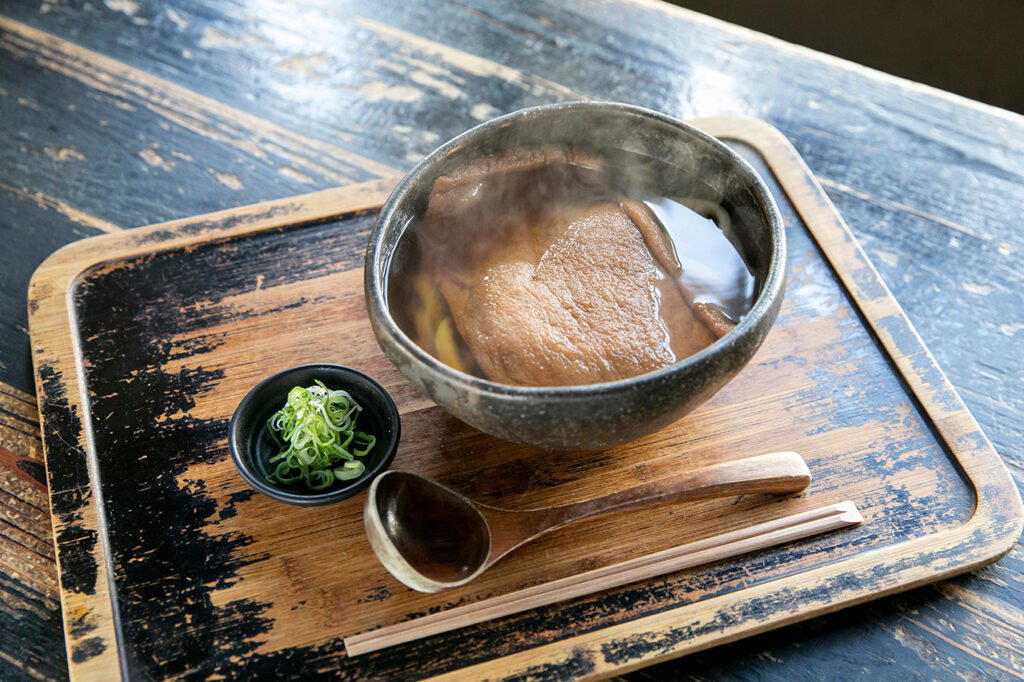
The Physical Logic of a Noodle Counter in Okazaki
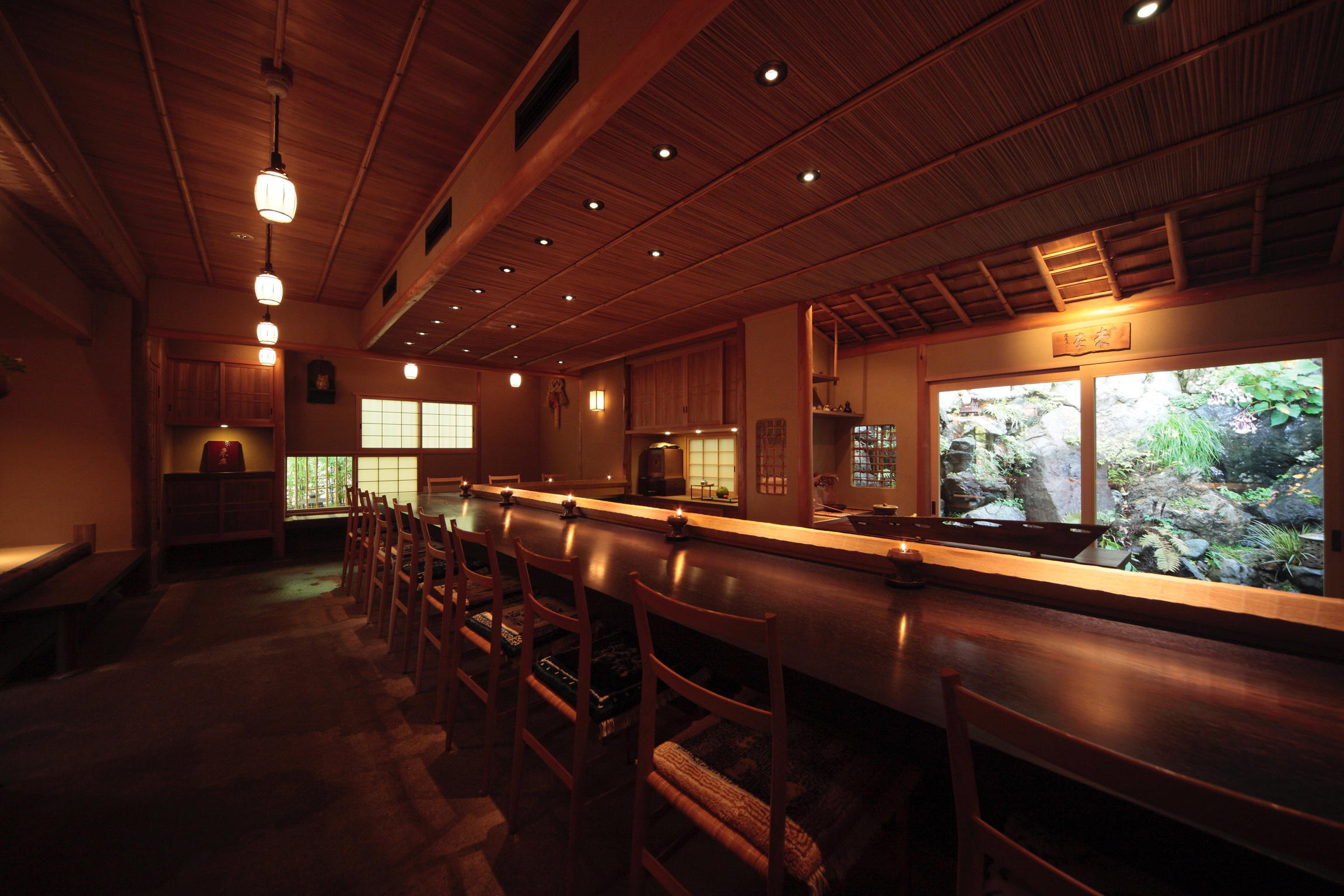
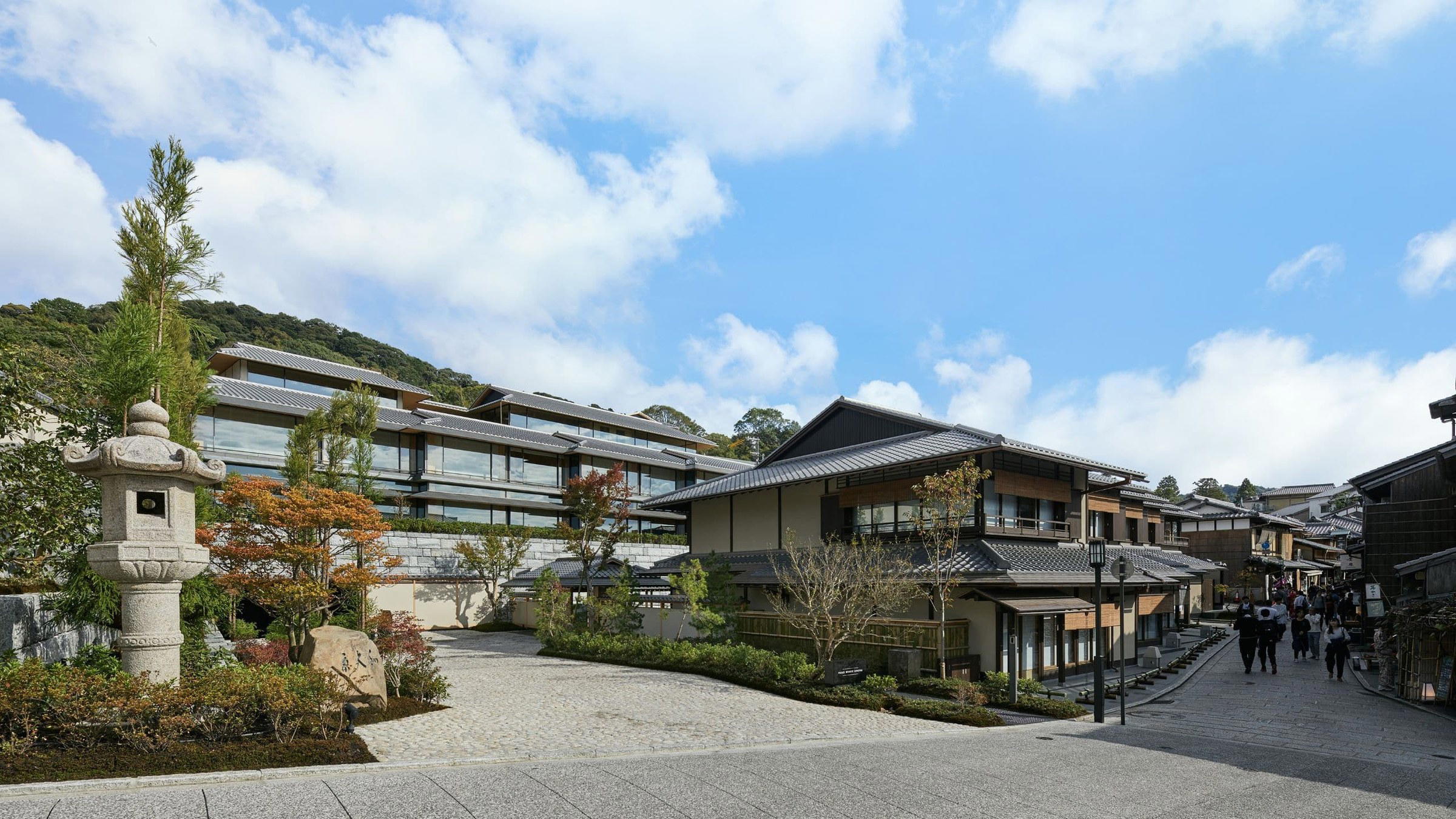
Japan's most serious noodle shops tend to share a particular spatial grammar: tight interiors, hard surfaces, and an absence of anything decorative that might distract from the bowl in front of you. The building that houses Yamamoto Menzo on Okazaki-dori in Kyoto's Sakyo Ward follows this logic closely. The address, 左京区岡崎南御所町34, a residential lane that climbs gently north from Nijo toward the Heian Shrine precinct, places it well outside the tourist corridors where Gion kaiseki counters like Gion Sasaki or Hyotei operate. That geographic remove is not incidental. The shop's physical container, modest frontage, indoor seating arranged around a functional service flow, belongs to a different Kyoto than the lacquerware-and-garden kaiseki circuit.
In a city where the dominant formal dining tradition runs through kaiseki houses such as Kikunoi Honten, Mizai, and Isshisoden Nakamura, a udon specialist that commands multi-hour queues represents something worth examining on its own terms. Yamamoto Menzo does not occupy the same price tier as those kaiseki counters, udon as a category rarely does, but it generates a comparable degree of deliberate pilgrimage among people who track Japanese food seriously.
Queue Culture and What It Signals
The queue that forms outside Yamamoto Menzo before opening is not a recent social media phenomenon. It predates the current era of food tourism and reflects a consistency of product that sustains local repeat business alongside visitor demand. In Japan's noodle culture, sustained queue depth over years is a more reliable quality signal than any award designation, because the economics of a low-price-point shop mean there is no margin for mediocrity to survive long-term. The crowd self-selects: people who wait forty minutes for a bowl of udon have usually done the calculation already.
This pattern appears across Japan's most respected noodle operations. Ramen shops in Sapporo, soba counters in Tokyo's shitamachi, and udon specialists in the Sanuki tradition all generate their reputations through this same loop of sustained demand and word-of-mouth transfer. Yamamoto Menzo sits within that tradition but in Kyoto, where the dominant culinary narrative runs toward refinement and ceremony rather than the functional directness of a noodle counter. That tension between the city's identity and the shop's format is part of what makes it worth understanding.
Udon in Kyoto: The Category Context
Kyoto's udon tradition differs from the thick Sanuki noodles of Kagawa Prefecture and the darker, soy-forward broths of Tokyo-style kake udon. The city's cooking water, drawn from the same soft limestone-filtered aquifer system that shapes Kyoto dashi, tends to produce a cleaner, more delicate broth profile. A serious udon counter in this city is working within those local material conditions, balancing noodle texture against a stock that rewards subtlety rather than intensity.
The wheat flour noodle itself is the variable that separates serious udon operations from commodity production. Thickness, surface texture, and the degree of chew, what Japanese noodle culture calls koshi, are outcomes of flour selection, hydration, and the hand or machine process used to develop the gluten structure. A shop that draws the kind of sustained attention Yamamoto Menzo receives has, by implication, solved those variables in a way that satisfies repeat visitors across different seasons and preparation styles.
For comparison across Japan's broader dining scene, the discipline applied to a single noodle format at this level is not unlike the precision that drives omakase counters such as Harutaka in Tokyo or the ingredient-led philosophy behind akordu in Nara. The formats are entirely different, but the underlying commitment to product specificity is the same signal.
The Okazaki Neighbourhood Frame
Okazaki-dori runs through one of Kyoto's more quietly functional residential and cultural zones. The Heian Shrine sits at the northern end of the street, the city's museum cluster occupies the eastern edge of the canal, and the surrounding blocks are a mix of long-established machiya townhouses and low-rise apartments housing university students and long-term residents. It is not a dining destination district in the way that Gion or Pontcho-cho are, there is no critical mass of high-end restaurants creating a scene. Yamamoto Menzo operates as a destination in its own right within that context, pulling visitors specifically to this address rather than to a neighbourhood dining strip.
That standalone character shapes the physical experience of arrival. You are not browsing a street of options; you are committing to a specific address and, in most cases, a queue. The surrounding environment, residential, unhurried, removed from the selfie-optimised corridors of central Kyoto, reinforces the functional, noodle-focused ethos of the shop itself.
Yamamoto Menzo fits that pattern.
Seasonal Timing and the Visit Logic
Kyoto's tourist peaks, cherry blossom in late March through April, and the autumn foliage period through November, compress demand at every popular eating address, and a shop running at full capacity during normal periods will extend queue times significantly during those windows. The practical implication is that visits during mid-summer or the quieter winter months between January and early March tend to reduce wait time without compromising the product, which is consistent across seasons by the nature of udon.
Japan's noodle culture also has a temperature logic: hot broths dominate the colder months, cold or room-temperature preparations, hiyashi or zaru formats, appear in summer. A shop at Yamamoto Menzo's level will typically offer both, which means the seasonal visit calculus involves not just crowd management but menu consideration. Arriving in July or August opens the cold noodle side of the offering that winter visitors will not encounter.
Yamamoto Menzo fits logically as a Kyoto lunch stop rather than an evening commitment.
Peers You’d Cross-Shop
Comparable venues nearby, for context on price, style, and recognition.
| Venue | Cuisine | Price | Notes |
|---|---|---|---|
| Yamamoto Menzo (山元麺蔵)This venue — the venue you are viewing | Authentic Kyoto-Style Udon | $$ | Not listed |
| le sel | Organic Ramen Course | $$ | Gion-Shijo |
| 真白 | japanese | Not listed | Nakagyō |
| Petit Restaurant Naitou | Seasonal yoshoku and tonkatsu | $$ | Nakagyō |
| Tachinomi Sharp | Kyoto standing bar for seafood and sake | $$ | Shimogyō |
| Akagakiya | Classic Kyoto Izakaya | $$ | Sakyō |



At a Glance
- Rustic
- Cozy
- Casual Hangout
- Sake Program
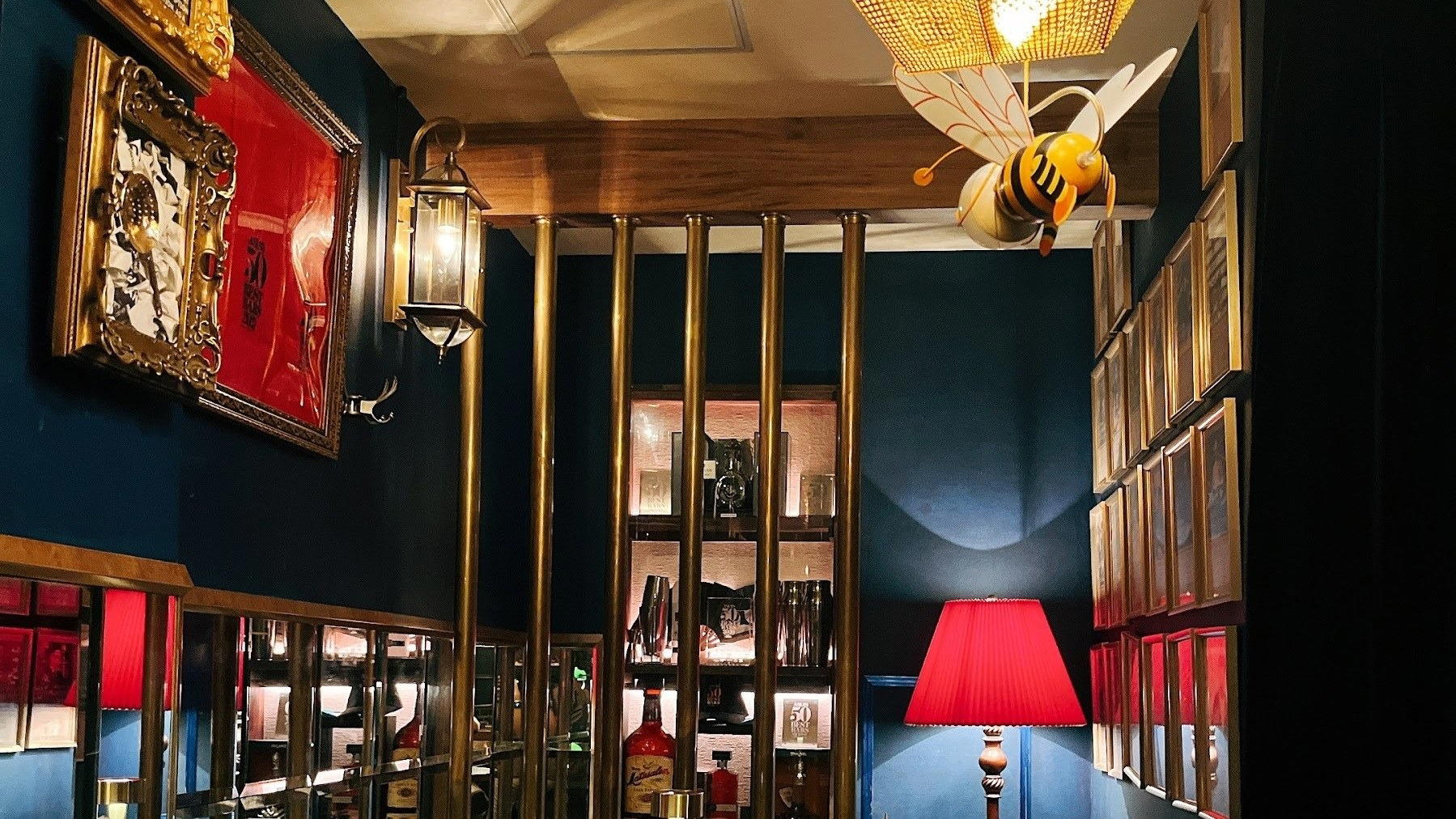
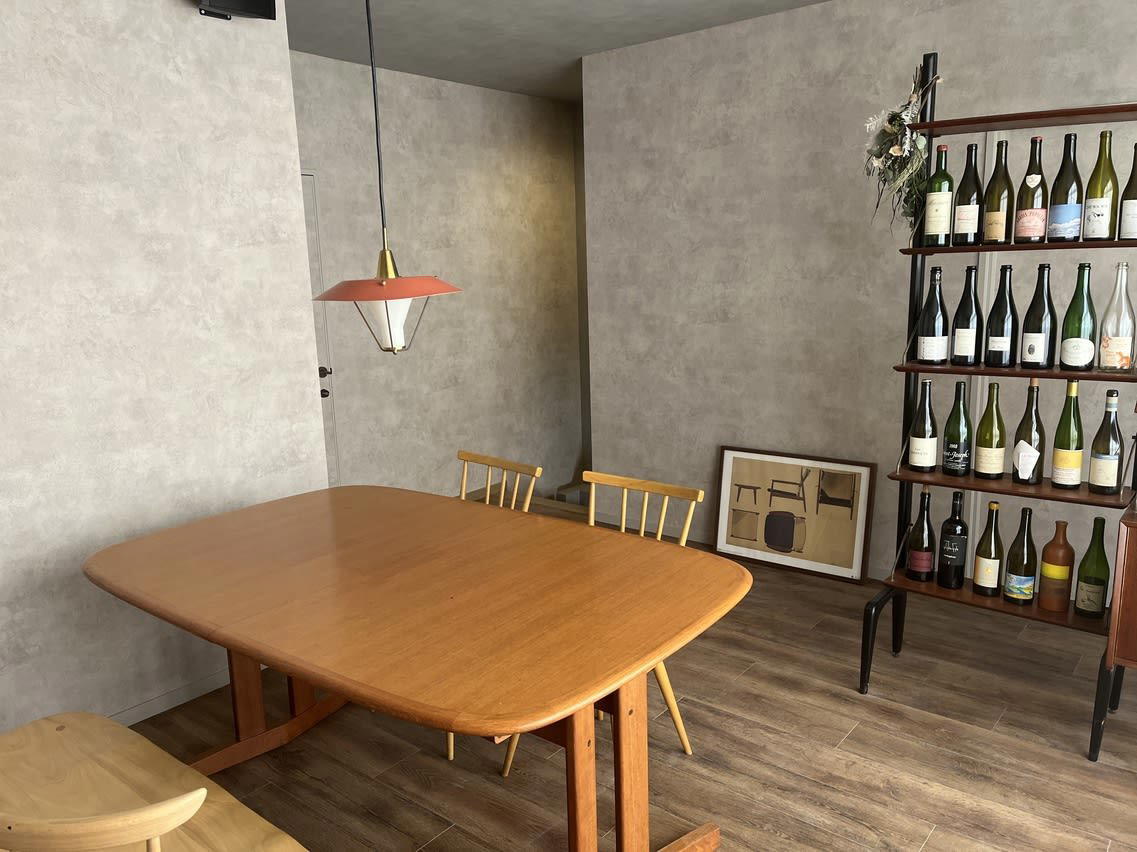
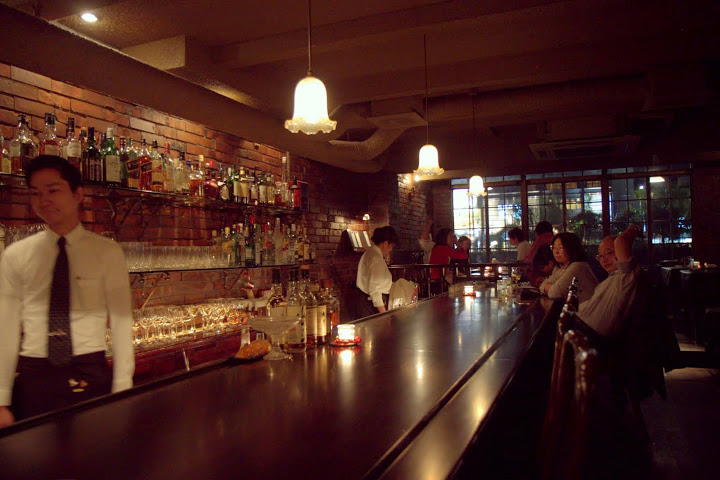
Rustic and cozy atmosphere in a tiny, family-run space with bold, appetizing noodle flavors.