Located in Jingumae, Shibuya, éç° occupies a neighbourhood where Tokyo's appetite for precise, course-driven dining runs deep. Positioned among a tier of restaurants that treat each sequence of dishes as a structured argument, it draws comparison to the ¥¥¥¥ counters that define the city's upper bracket. Reservation access and format details are best confirmed directly with the venue.
Pearl is the En Primeur Club membership app — saves, bookings, and concierge access live there. Same editors, same standards.
- Address
- Japan, 〒150-0001 Tokyo, Shibuya, Jingumae, 6 Chome−9−9 アヴニール表参道 1F
- Phone
- +817038823150
- Website
- nodaharajuku.tumblr.com
- Directions
- Get directions
 Saves & bookings on Pearl
Jingumae and the Architecture of the Long Meal
The stretch of Shibuya's Jingumae district that runs toward Omotesando has, over the past decade, accumulated a particular kind of restaurant: small, deliberate, and allergic to the word casual. The ground-floor address on 6-chome is not announced by signage designed to pull in foot traffic. In Tokyo's upper dining tier, that restraint is itself a signal. The city's most serious course-driven rooms have largely abandoned the logic of visibility, relying instead on reservation systems and word of mouth to filter their clientele. 野田 sits inside that pattern.
What defines this part of Tokyo for dining is not volume but sequence. The neighbourhood draws kitchens that think in acts rather than plates, where the progression from first course to last is treated as a compositional decision rather than an operational one. That sensibility connects éç° to a broader tradition running through the city's premium dining tier, from L'Effervescence in Nishi-Azabu to RyuGin in Roppongi, both of which treat the arc of a meal as its primary creative medium.
The Tasting Progression as Argument
In Tokyo's premium course-driven rooms, the meal is rarely just a succession of dishes. It makes a claim. The opening courses establish register, temperature, and intensity. A chilled preparation or a single clean vegetable course sets expectations about restraint. What follows either confirms or deliberately disrupts that expectation, and the leading kitchens manage that tension with enough control that a diner can feel the architecture without being able to name it.
This is the tradition éç° operates within. The Jingumae address aligns it with a cohort of Tokyo restaurants where format discipline is the baseline assumption. Compare that to Crony, which builds its Franco-Japanese progression around a more casual idiom, or to Harutaka, where the sushi counter format reduces the meal to its most stripped-back sequence. éç° occupies a different register, one where the pacing of courses and the editorial logic connecting them carry as much meaning as the individual plates.
Internationally, the commitment to structured tasting progression as a primary dining language is shared by rooms like Le Bernardin in New York City and Lazy Bear in San Francisco, both of which treat each course as a legible step in a longer argument. The difference in Tokyo is that this mode of dining is less notable and more structural: it is the expected grammar of a certain price and ambition tier.
Where éç° Sits in Tokyo's Course-Menu Tier
Tokyo's fine dining market has stratified considerably. At the leading sit multi-Michelin-starred rooms with booking windows that stretch months ahead and price points that compete with comparable counters in Paris or Copenhagen. Below that, a middle tier of serious but less decorated restaurants offers similar format discipline at a price that still signals commitment. The question for any address is which tier it is pricing and performing against.
The Jingumae 6-chome location places éç° in a neighbourhood where the ambient expectation is high. The restaurants that have built reputations in this district and the adjacent Omotesando area tend to operate on reservations, serve fixed menus, and invest in ingredient sourcing as a point of differentiation. Within Japan's broader fine dining geography, that puts éç° in conversation with rooms like HAJIME in Osaka and Gion Sasaki in Kyoto, each of which represents a regional version of the same commitment to controlled, structured dining.
For those building an itinerary across Japan, the comparison extends further: akordu in Nara, Goh in Fukuoka, and Abon in Ashiya each handle the tasting-progression format with distinct regional inflections. The Tokyo version, concentrated in districts like Jingumae, tends toward a higher density of European technique applied to Japanese ingredients, a mode that Sézanne represents at its most decorated end.
Booking, Timing, and Practical Orientation
Reservations are recommended, and the price tier is ¥¥¥.
Timing matters in this district. Jingumae and Omotesando are dense with foot traffic during daylight hours, but the evening restaurant corridor quiets considerably by the time dinner service begins, typically around 18:00 or 19:00 for first seatings in this tier.
| Venue | Cuisine Type | Price Range | Format |
|---|---|---|---|
| éç° | Not confirmed | Not confirmed | Course-driven (assumed) |
| L'Effervescence | French | ¥¥¥¥ | Tasting menu |
| RyuGin | Kaiseki | ¥¥¥¥ | Kaiseki progression |
| Crony | Innovative / French | ¥¥¥¥ | Tasting menu |
| Harutaka | Sushi | ¥¥¥¥ | Omakase counter |
Those extending their Japan itinerary into less-covered regions will find the EP Club coverage of affetto akita in Akita, Aji Arai in Oita, Ajidocoro in Yubari District, Akakichi in Imabari, and aki nagao in Sapporo useful for building out a trip beyond the main urban centres.
The Quick Read
Comparable venues nearby, for context on price, style, and recognition.
| Venue | Cuisine | Price |
|---|---|---|
| 野田This venue — the venue you are viewing | Shibuya, Contemporary French Fine Dining | $$$ |
| L'Escalier | Meguro, French Bistro | $$$ |
| ルカンケ | Minato, Authentic French Bistro | $$$ |
| Dining 33 | Minato, Modern French Grand Bistro | $$$ |
| 玉笑 | Shibuya, Yoshoku French Bistro | $$$ |
| Dame Jeanne | Shibuya, French Bistro | $$$ |











At a Glance
- Elegant
- Sophisticated
- Modern
- Date Night
- Business Dinner
- Special Occasion
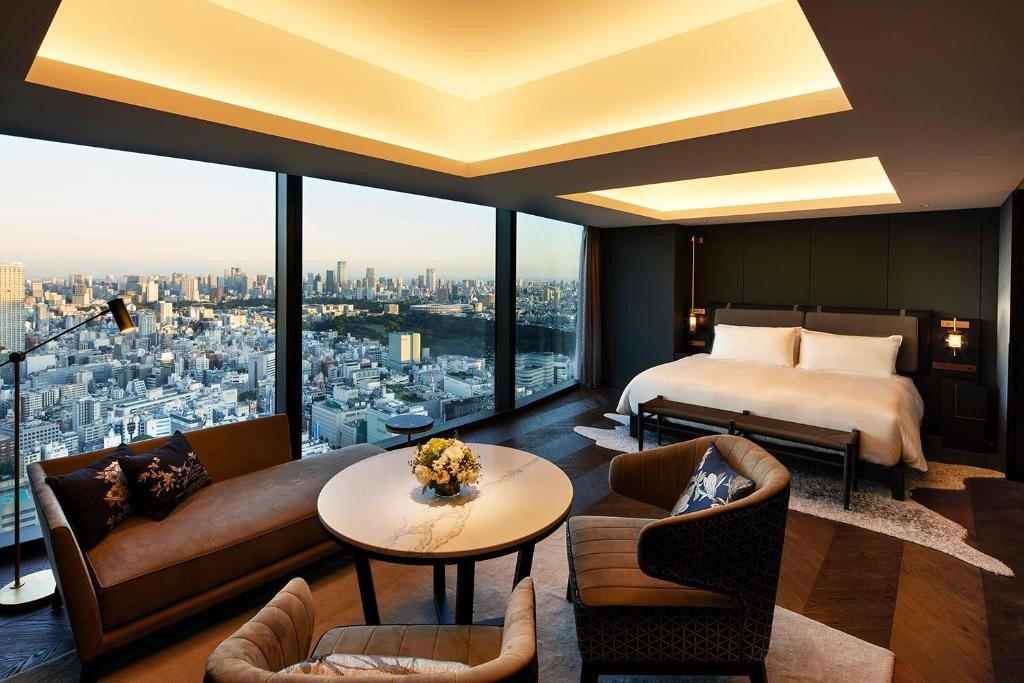
- Panoramic View
- Hotel Restaurant
- Open Kitchen
- Skyline
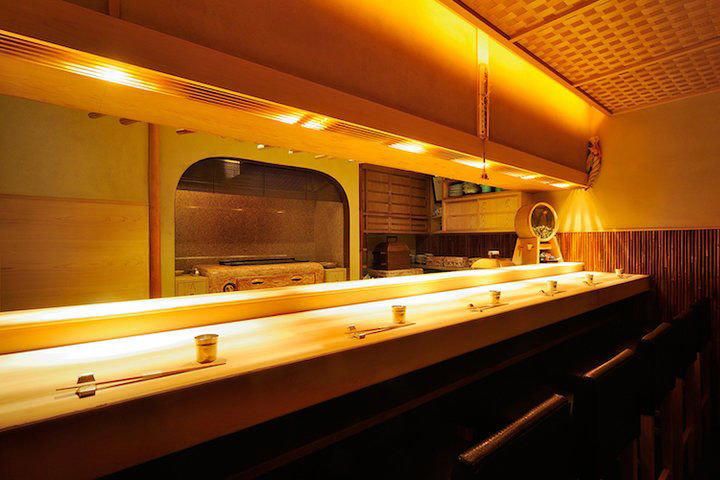
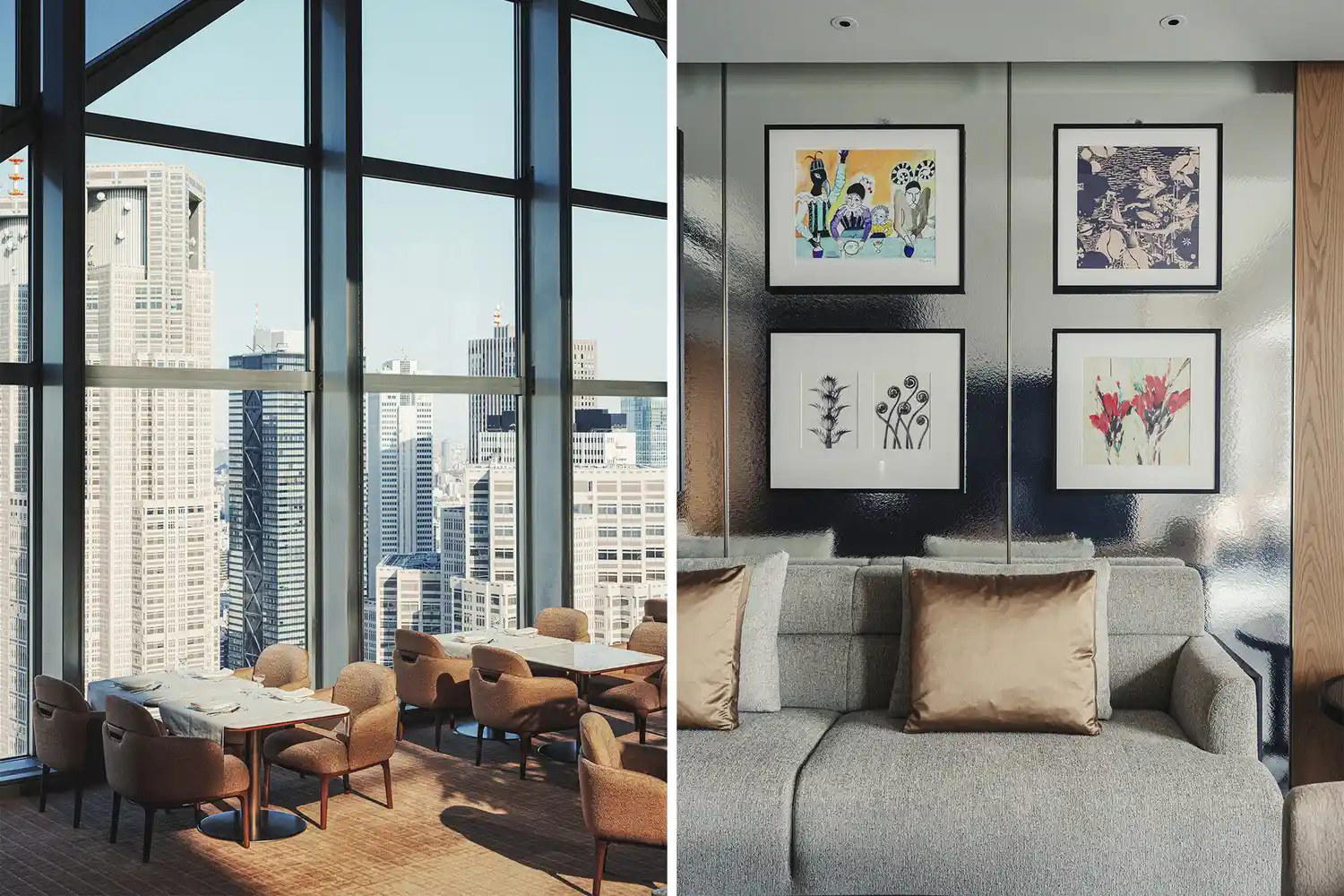
Glittering contemporary décor with soft natural daylight during the day and illuminated by Tokyo's sparkling skyline at night, creating a luxury fine-dining atmosphere.