

Tabelog Bronze #34
Our verdict
Azur et Masa Ueki sits in Tokyo’s polished French-Japanese dining tier, where provenance, technique, and restraint matter more than theatrical luxury. In Nishiazabu, Chef Masahito Ueki’s kitchen is backed by Tabelog Bronze recognition and OAD Japan recommendation, placing it among serious French addresses rather than casual special-occasion dining.

Pearl is the En Primeur Club membership app, where members save venues, book tables and use the concierge.
The menu
What to order
- Wagyu Rossini
- Scallop Saint-Jacques
- Asparagus Velouté
Nishiazabu is not Tokyo’s loudest dining district, which is part of its strength. The neighborhood works in quieter registers: low-rise buildings, discreet entrances, private rooms, late dinners that begin after the office rush has thinned. In that setting, French dining has room to be less about Parisian imitation and more about provenance, season, and Japanese produce handled through Western technique. Azur et Masa Ueki belongs to that category: a French restaurant in form, but one whose interest lies in how local sourcing and Japanese dining habits reshape the grammar of the meal.
Tokyo’s French scene has long split into several camps. There are grand dining rooms with international hotel polish, compact chef-led restaurants built around tasting menus, and hybrid addresses where French technique becomes a frame for Japanese fish, vegetables, sake, and service rhythms. The serious end of that third group is where this restaurant sits. Its recognition by the Tabelog Award as a 2026 Bronze winner, repeated Bronze listings from 2020 through 2025, selection for Tabelog French Tokyo 100 in 2021, 2023, and 2025, and inclusion in Opinionated About Dining’s 2026 Japan Recommended list give it a clear position inside Tokyo’s competitive French field.
Japanese produce, French structure, Nishiazabu restraint
The useful way to read this kitchen is through the phrase attached to its public description: “Wakon Yosai,” Japanese spirit and Western skill. That framing matters because Tokyo’s higher-end French restaurants rarely succeed by reproducing France dish for dish. The stronger ones translate technique through Japanese ingredients, portion logic, and seasonality. At Azur et Masa Ueki, the emphasis on vegetables, fish, wine, sake, and shochu points to a table that expects fluency across both traditions rather than a narrow Bordeaux-and-butter template.
Masahito Ueki’s name functions here less as biography than as authorship. The chef-led identity places the restaurant in the same broad conversation as Tokyo French rooms such as Le Bouton, Goni, L’Effervescence, Takumi, and Kodama, but the distinction is not scale alone. L’Effervescence represents the city’s internationally visible, highly formal end of contemporary French dining; Takumi and other smaller rooms show how Tokyo compresses French technique into tighter formats. Azur et Masa Ueki reads as a polished Nishiazabu answer: formal enough for ceremonies and business dining, grounded enough in produce and Japanese beverage culture to avoid feeling imported wholesale.
That matters in Tokyo because French cuisine here is judged with unusual severity. Diners are accustomed to exacting sushi counters, kappo rooms, tempura specialists, and kaiseki houses where season, temperature, pacing, and material quality are not decorative ideas. French restaurants operating at this level have to meet that expectation while keeping their own structure intact. The Bronze recognition on Tabelog is useful evidence: it indicates sustained local approval in a market where French restaurants compete not only against each other, but against every other precise, reservation-led genre in the city.
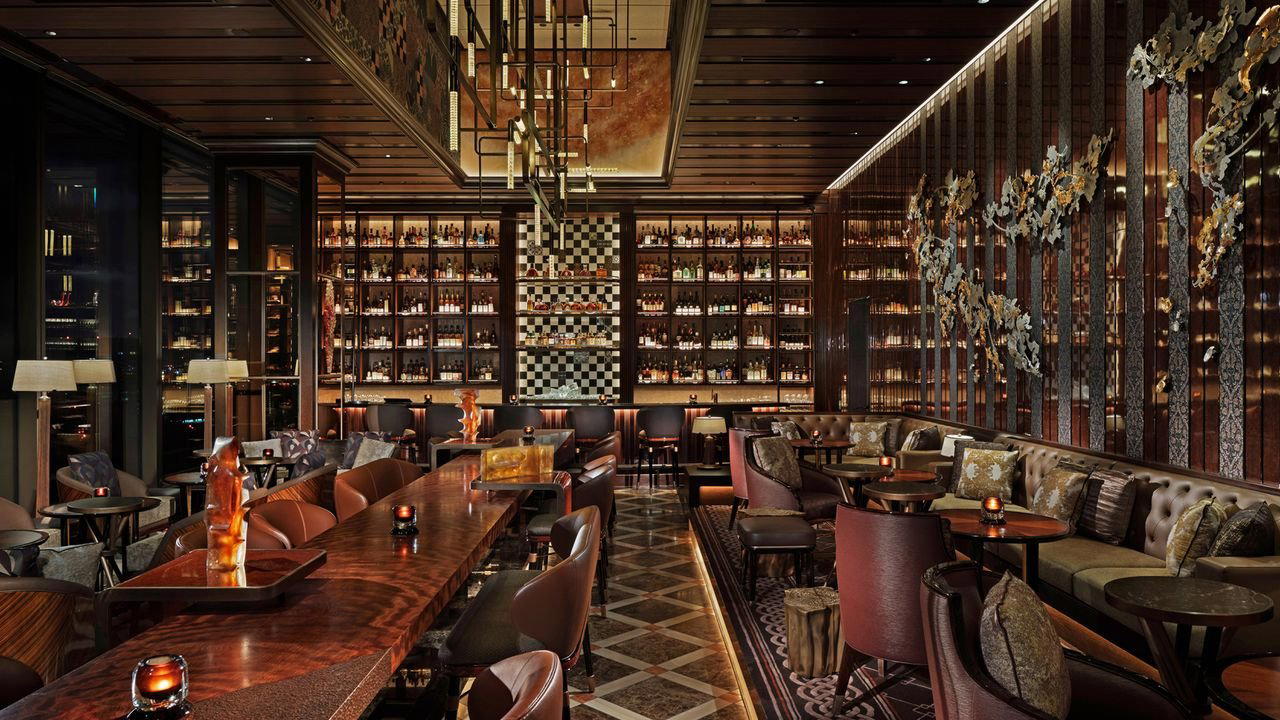
A dining room built for formal meals without hotel gloss
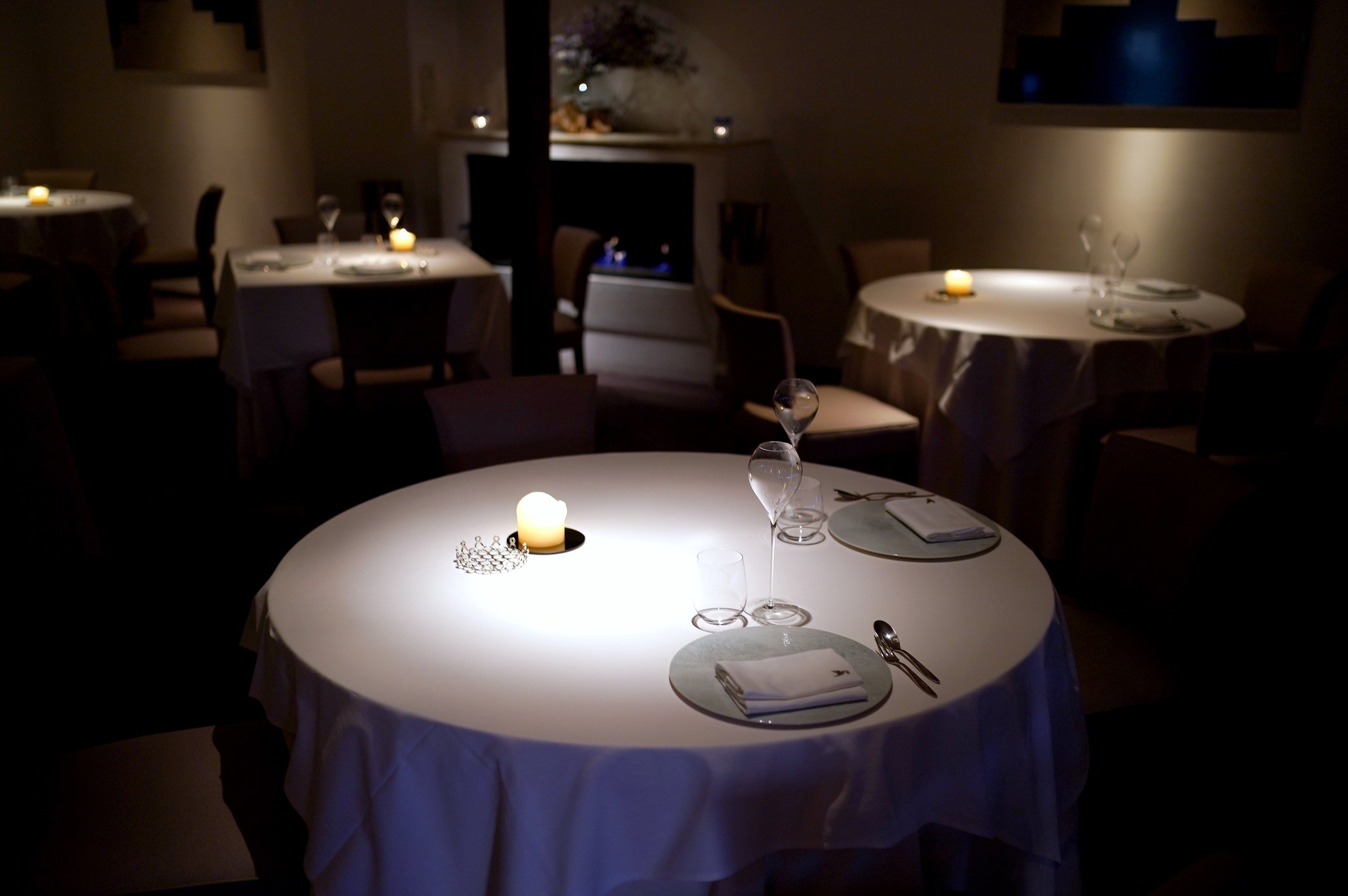
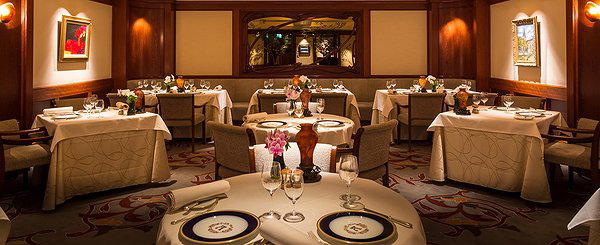
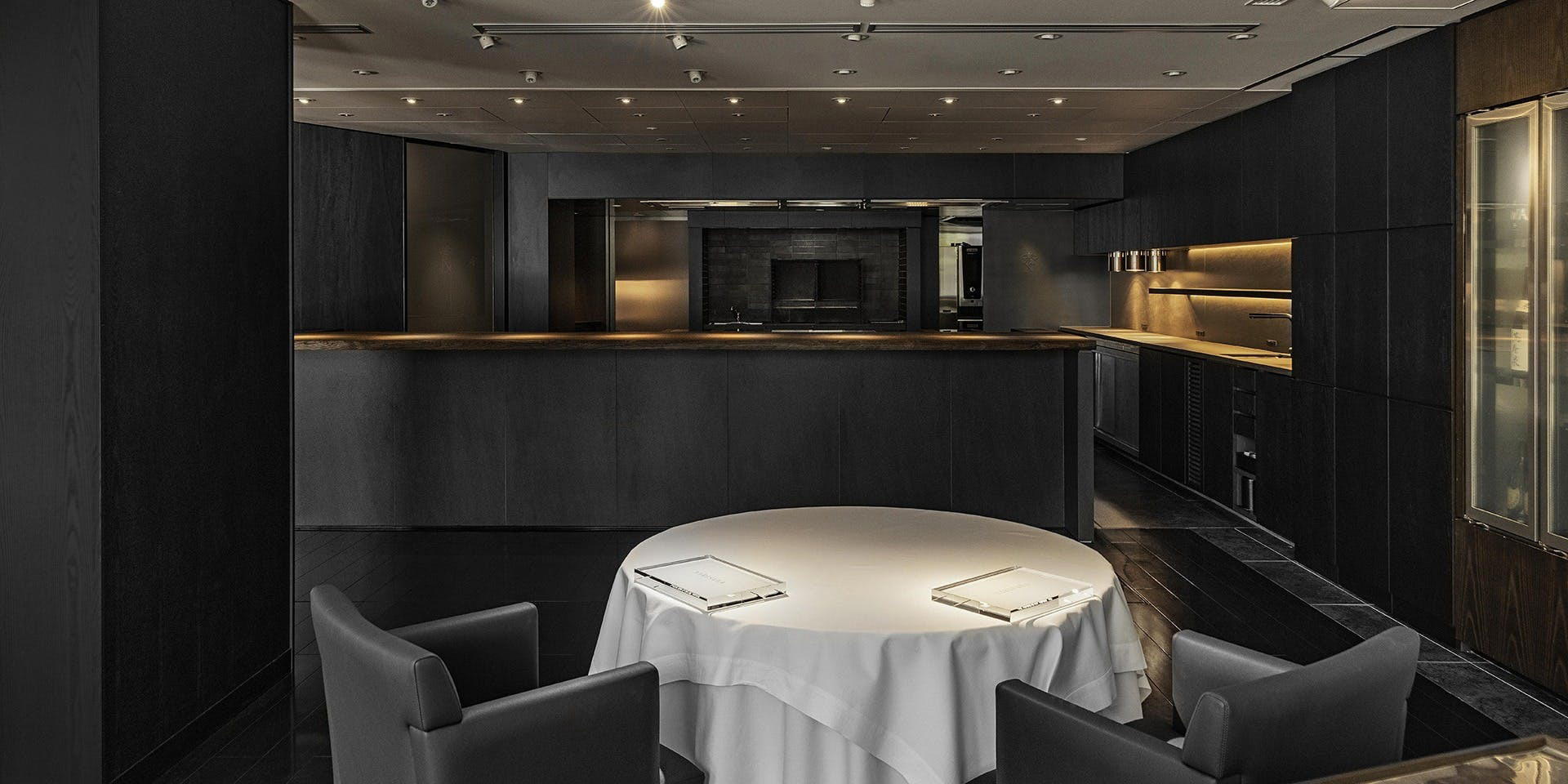
The restaurant’s 32-seat configuration, with 20 seats in the main dining room and 12 across two private rooms, says something about its role in the city. Tokyo’s luxury dining does not always need a grand room; often, discretion carries more value than spectacle. Private rooms for small groups, family use under specific conditions, and full buyout capacity place the restaurant in the practical middle ground between intimate date-night French and corporate dining. It is not a counter-only shrine to technique, and it is not a hotel restaurant built around volume. It occupies the controlled, reservation-led tier where comfort, privacy, and service cadence are part of the price.
The beverage side also signals a Japanese interpretation of French dining. Wine remains central, with sommelier service noted, but sake and shochu appear alongside cocktails. That is not a novelty gesture in Tokyo; it reflects the way fine dining here increasingly treats pairing as a question of compatibility rather than orthodoxy. A fish- and vegetable-conscious French kitchen can support Burgundy and Champagne, but it can also make room for Japanese drinks when the plate calls for it. The point is not fusion for its own sake. It is a Tokyo habit of letting ingredient and texture determine the glass.
For travelers comparing categories, this is a different decision from booking a high-ceremony sushi counter or a kaiseki restaurant. French dining in Tokyo offers more latitude: bread service, wine pacing, sauces, private-room flexibility, and a looser approach to conversation. It can also be less transparent from the outside, because many rooms sit behind restrained façades and publish less narrative than their international peers. Awards and local ratings therefore carry more weight. A Tabelog score above 4 in 2026 and OAD placement are not decoration; they help sort a serious French restaurant from a pleasant but replaceable one.
How to place it in a Tokyo dining itinerary
Azur et Masa Ueki is strongest for diners who want French technique filtered through Japanese seasonality rather than a purely French regional exercise. It suits a meal where privacy, wine service, and a measured dining room matter as much as culinary novelty. It is less suited to travelers chasing a maximalist room or a quick trend signal. Nishiazabu rewards slower planning: the area is better paired with a full evening than a rushed cross-town meal between appointments.
For broader context, compare nearby and category-adjacent French choices through ABBESSES, abysse, Alchimiste, Alternative, and amarantos. For citywide planning, use Our full Tokyo restaurants guide alongside Our full Tokyo hotels guide, Our full Tokyo bars guide, Our full Tokyo wineries guide, and Our full Tokyo experiences guide. Readers building a wider Japan itinerary can also compare category shifts with -Grilled beef Sukiyaki- KAMAKURA TANUKIAN 鎌倉 たぬき庵 in Kamakura.cafe in Osaka.know in Kumamoto, (Shoku) Vietnam in Kawasaki, [Curry Senmon Ten] Maruyama Kyoju. in Sapporo, and [ki:] in Kyoto. For an international French comparison, 3 Fils Counter, French in Dubai and 3G Trois Gourmands, French in Ho Chi Minh City show how differently French technique travels outside Europe.
Frequently asked questions
What part of town is Azur et Masa Ueki in?
Azur et Masa Ueki is located in Tokyo.
Who runs the kitchen at Azur et Masa Ueki?
The chef associated with Azur et Masa Ueki is Masahito Ueki.
Is Azur et Masa Ueki focused on a specific cuisine style?
Azur et Masa Ueki serves French cuisine.
What days is Azur et Masa Ueki closed?
Hours at Azur et Masa Ueki: Hours: Monday Closed Tuesday 6–10:30 pm Wednesday 6–10:30 pm Thursday 6–10:30 pm Friday 6–10:30 pm Saturday 6–10:30 pm Sunday 12–2:30 pm.
The Quick Read
Comparable venues at the same tier.
| Venue | Cuisine | Price | Awards | Notes |
|---|---|---|---|---|
| Azur et Masa UekiThis venue (the venue you are viewing) | Modern French with Japanese influence | $200–300 | Tabelog Bronze #34 | Not listed |
| Le Bouton | Modern French Bistro | $100–150 | Michelin Plate | French |
| Goni | French | Not listed | Not listed | Not listed |
| L'Effervescence | Modern French with Japanese Influences | $200–300 | 3 Michelin Stars · World's 50 Best #69 | French |
| Takumi | Charcoal-grilled Yakiniku & Izakaya | $30–50 | Tabelog 100 #14 | French |
| Kodama | Modern Japanese Kaiseki | $150–200 | Not listed | French |
Recognition history
Dated appearances from independent guides and award organizations, with the underlying list record or original source where available.
Opinionated About Dining Top Restaurants in Japan Recommended
Opinionated About Dining
Tabelog Bronze #34
Tabelog
Full recognition history (6 entries)
Opinionated About Dining Top Restaurants in Japan Ranked #566
Opinionated About Dining
Tabelog Bronze
Tabelog
Tabelog 100 #45 · No. 45
Tabelog · Tabelog 100 - French - TOKYO - 2025
Opinionated About Dining Top Restaurants in Japan Ranked #492
Opinionated About Dining
Continue exploring
More in Tokyo
Restaurants in Tokyo
All restaurants in Tokyo →








Details
- Elegant
- Sophisticated
- Intimate
- Quiet
- Date Night
- Business Dinner
- Group Dining
- Special Occasion
- Private Dining
- Standalone
- Sommelier Led
- Byob
- Local Sourcing
- Tasting Menu
- Set Menu
- Wine
- Sake
- Shochu
- Cocktails
Current opening hours
- Monday
- Closed
- Tuesday
- 6–10:30 PM
- Wednesday
- 6–10:30 PM
- Thursday
- 6–10:30 PM
- Friday
- 6–10:30 PM
- Saturday
- 12–2:30 PM, 6–10:30 PM
- Sunday
- 12–2:30 PM, 6–10:30 PM
Hours can change for holidays and private events. Hours as of .
Elegant, refined, and quiet-luxury in tone, with a seasonal French-Japanese dining experience centered on Japanese ingredients and careful plating.