
Arakicho Kintsugi holds consecutive Michelin Plate recognition (2024 and 2025) and sits in a basement dining room in Shinjuku's Yotsuya district, operating within Tokyo's mid-to-upper tier of Japanese cuisine.5 across 111 reviews points to consistent execution rather than flash. For those charting a course through the city's serious Japanese dining scene, it represents a credible and less-trafficked address.
Pearl is the En Primeur Club membership app — saves, bookings, and concierge access live there. Same editors, same standards.
- Address
- Japan, 〒160-0004 Tokyo, Shinjuku City, Yotsuya, 3 Chome−3−6 アイエス共同ビル3 B1F
- Phone
- +81 3-6709-8704
- Website
- tabelog.com
- Directions
- Get directions
 Saves & bookings on Pearl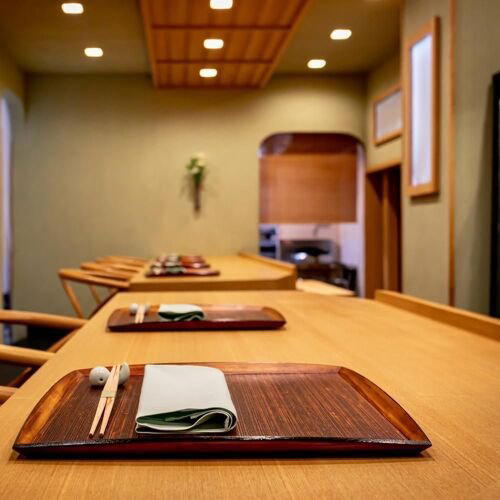
Underground in Yotsuya: The Quiet Tier of Tokyo's Japanese Dining
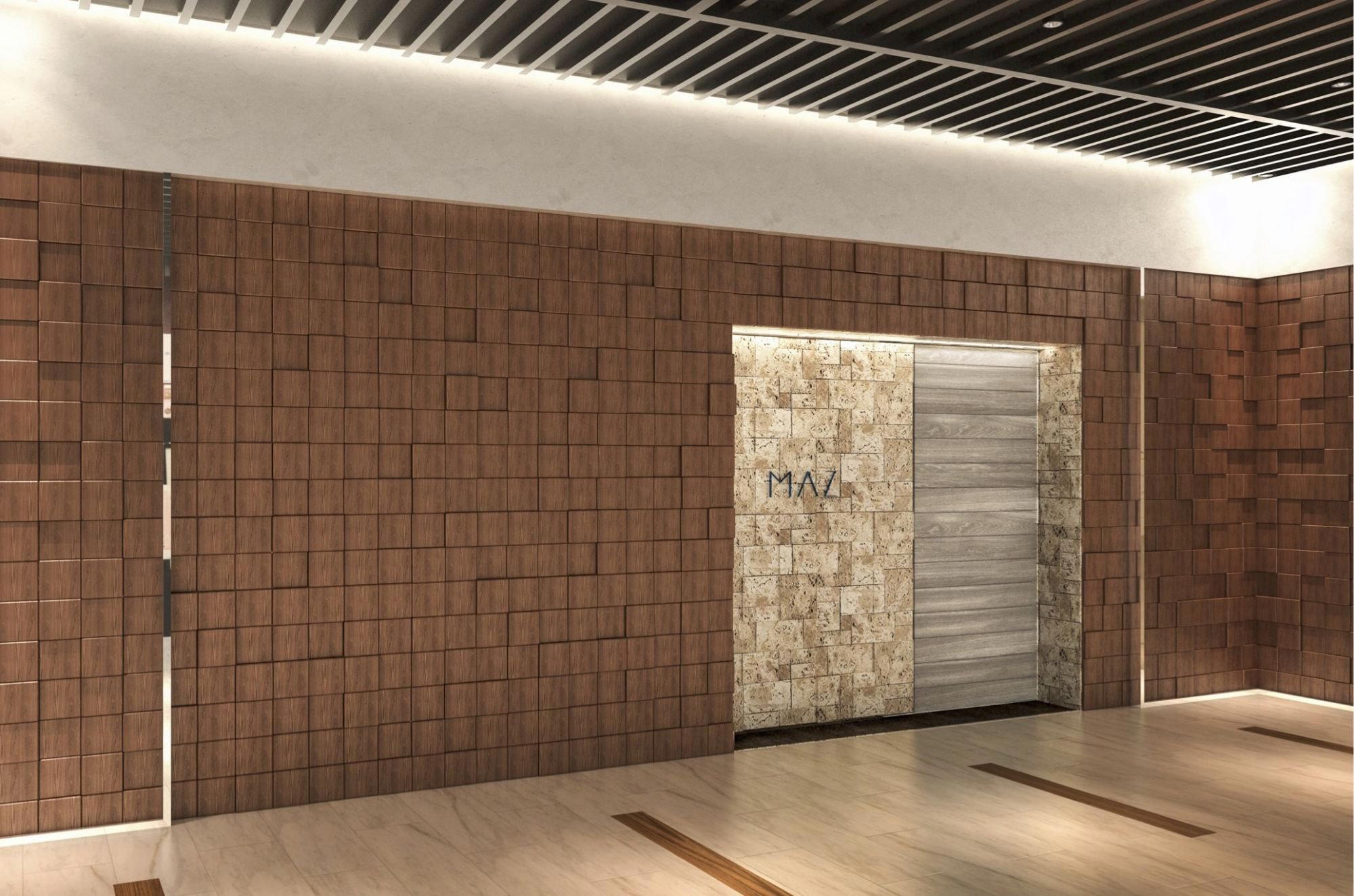
The street-level signage is minimal, the building, the IS Kyodo Building on 3 Chome, gives nothing away, and the B1F address situates Arakicho Kintsugi beneath the city's ordinary rhythms rather than atop them. This physical positioning is itself an editorial statement. Tokyo's most commercially ambitious restaurants tend to occupy high floors with skyline framing or prime-corner frontage.
That compression of space and ambition is the dominant design logic for serious Japanese dining in districts like Yotsuya and, nearby, Arakicho, the neighbourhood whose name appears in the restaurant's own. These are not the flashpoint addresses of Ginza or Roppongi. They are quieter residential and mixed-use pockets that have historically housed restaurants for local professionals and repeat regulars rather than first-time tourists following a top-ten list.
Two Consecutive Michelin Plates and What They Signal
Arakicho Kintsugi appears in the Michelin Guide Tokyo for both 2024 and 2025, each year with a Plate designation. Within the Michelin framework, the Plate is awarded to restaurants the inspectors consider to offer cooking of a good standard, below the star tier, but explicitly above the threshold of mere inclusion. Sustained recognition across back-to-back editions matters more than a single-year listing, since Michelin Guide teams revisit venues to confirm that early impressions hold.
In Tokyo, where the Guide is unusually dense, the city consistently carries more starred restaurants than any other, even Plate-level inclusion places a venue inside a recognised comparable set. The Plate tier in Tokyo sits in a different competitive context than it would in, say, a European capital with a thinner Guide footprint. Here, it means inspectors returned, found the standard intact, and chose to say so in print twice.
For comparison, the same 2025 Guide awards three Michelin stars to venues like Myojaku and kaiseki houses like RyuGin, while two-star operators such as the innovative Japanese counter Den price at the same ¥¥¥ tier as Kintsugi. That pricing alignment matters: a ¥¥¥ restaurant with Michelin Plate recognition is not asking diners to pay upper-market on the strength of institutional credibility alone, but it is signalling a level of seriousness that separates it from the broader mid-market category.
5 across 111 reviews reinforces this pattern. That review count is relatively modest for a Tokyo restaurant, which typically reflects limited seating or limited operating hours. None of these things diminish the reading; they simply describe a venue that has built its reputation through consistent performance for a smaller, more attentive audience rather than through volume.
Japanese Cuisine in the ¥¥¥ Tier: Where Kintsugi Sits
Tokyo's Japanese dining category is not a monolith. It spans everything from conveyor-belt sushi and neighbourhood izakaya to the kind of kaiseki that requires a three-month advance reservation and a ¥¥¥¥ budget. The ¥¥¥ bracket, where Arakicho Kintsugi operates, contains some of the city's most interesting cooking precisely because it is not constrained by the trophy-hunting expectations that follow the highest-priced rooms.
Restaurants in this tier, particularly those with Michelin recognition, tend to attract a disproportionate share of the city's most informed diners: culinary professionals on nights off, regular visitors who have already worked through the flagship tasting menus, and local regulars for whom the room has become familiar rather than aspirational. That audience self-selects for engagement rather than spectacle, and kitchens that serve them tend to focus accordingly.
The name itself, Kintsugi, references the Japanese practice of repairing broken ceramics with gold lacquer, treating damage as part of the object's history rather than something to conceal. As a restaurant name, it implies an aesthetic orientation toward imperfection, repair, and material honesty rather than flawless presentation for its own sake. That is a considered positioning within a city that has many technically immaculate dining.
Diners exploring comparable addresses in the same culinary register can look at Azabu Kadowaki and Kagurazaka Ishikawa for kaiseki at different price points, or Ginza Fukuju and Jingumae Higuchi for Japanese cooking with different geographic and stylistic emphases. Each sits in a distinct neighbourhood and competitive tier, but together they map the seriousness of Tokyo's non-star Japanese dining conversation.
The Yotsuya Address and How to Approach It
Yotsuya is served by Yotsuya Station, which sits on the JR Chuo Line as well as the Tokyo Metro Marunouchi and Namboku lines, making it straightforwardly accessible from most central Tokyo points. The Arakicho district itself is a short walk from the station, a quiet area that sits between the more commercial Shinjuku to the northwest and the diplomatic and institutional precincts toward Nagatacho to the southeast.
Approaching this restaurant requires some local navigation. Japanese-language reservation platforms and hotel concierge contacts tend to be one reliable route for visitors unfamiliar with the city's more self-contained dining operations. Planning a visit around multiple neighbourhood options is practical, the density of credible Japanese restaurants in this part of Shinjuku City means that flexibility in the evening's itinerary is an asset rather than a concession.
Elsewhere in Japan, the same calibre of serious regional Japanese cooking appears at Gion Sasaki in Kyoto, HAJIME in Osaka, and Goh in Fukuoka, with more distinctive formats available at akordu in Nara, 1000 in Yokohama, and 6 in Okinawa. For traditional Japanese cooking with deeper historical roots, Isshisoden Nakamura in Kyoto and Kashiwaya Osaka Senriyama in Osaka represent the longer institutional tradition.
Standing Among Peers
Comparable venues nearby, for context on price, style, and recognition.
| Venue | Cuisine | Price | Awards | Notes |
|---|---|---|---|---|
| Arakicho KintsugiThis venue — the venue you are viewing | Michelin-Recognized Seasonal Kaiseki Omakase | $$$$ | Michelin Plate | Not listed |
| Kaiseki Ohara | Traditional Kaiseki | $$$$ | Michelin Plate | Shinjuku |
| Miyake Akira | Seasonal Japanese Kaiseki with Unagi | $$$$ | Michelin Plate | Minato |
| Ishigaki Yoshida | Michelin-Starred Teppanyaki | $$$$ | Not listed | Minato |
| Chiso Takayama | Seasonal Japanese Kaiseki Omakase | $$$$ | Michelin Plate | Minato |
| UDATSU SUSHI | Modern Omakase Sushi | $$$$ | Michelin Plate | Meguro |
Recognition history
Dated appearances from independent guides and award organizations, with the underlying list record or original source where available.
Michelin Plate
Michelin
Michelin Plate
Michelin









At a Glance
- Intimate
- Elegant
- Sophisticated
- Celebration
- Special Occasion
- Date Night
- Business Dinner
- Chefs Counter
- Open Kitchen
- Private Dining
- Sake Program
- Sommelier Led
- Local Sourcing
Current opening hours
- Monday
- Closed
- Tuesday
- 5–11 PM
- Wednesday
- 5–11 PM
- Thursday
- 5–11 PM
- Friday
- 5–11 PM
- Saturday
- 5–11 PM
- Sunday
- Closed
Hours can change for holidays and private events. Last verified .
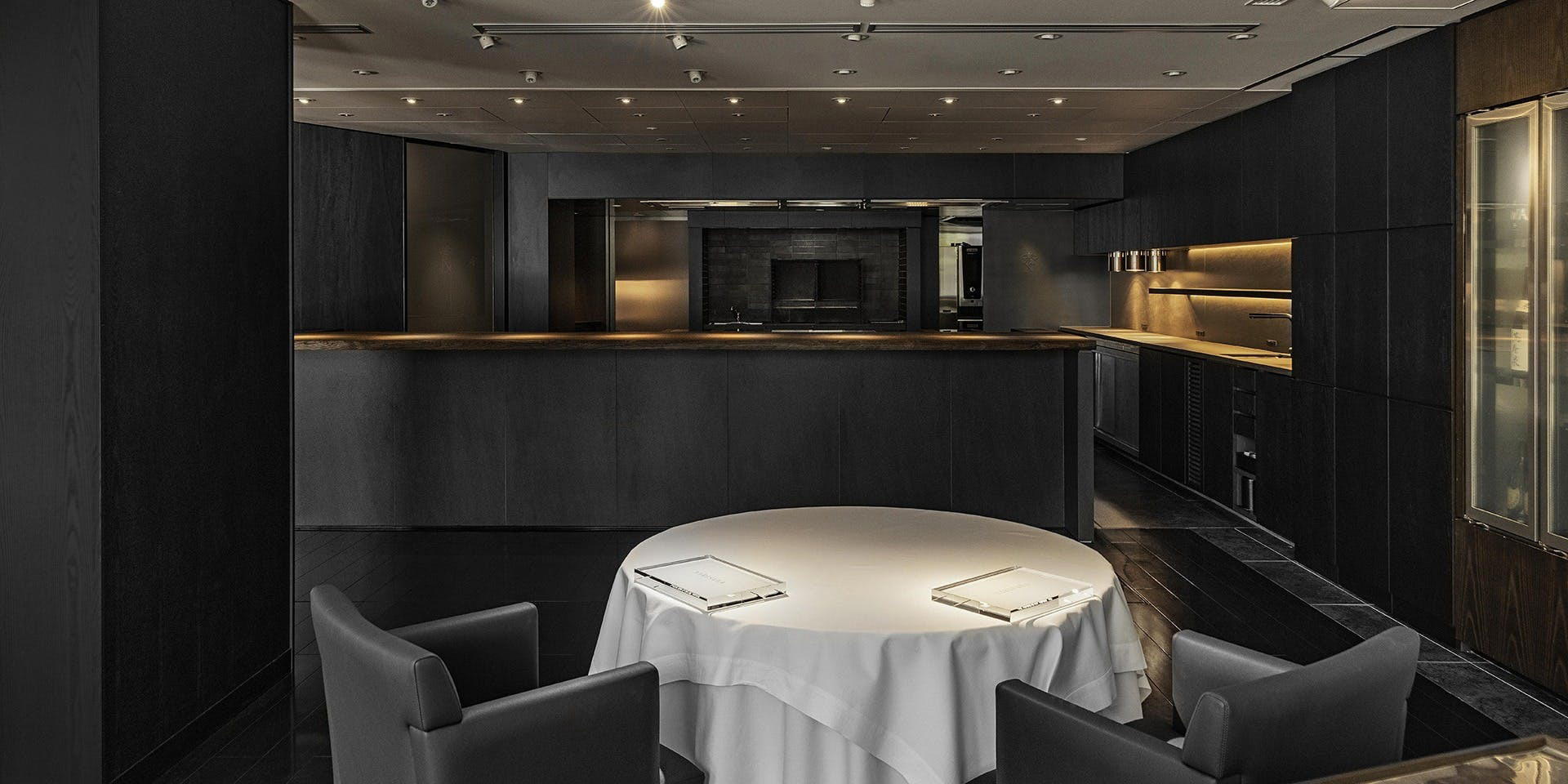
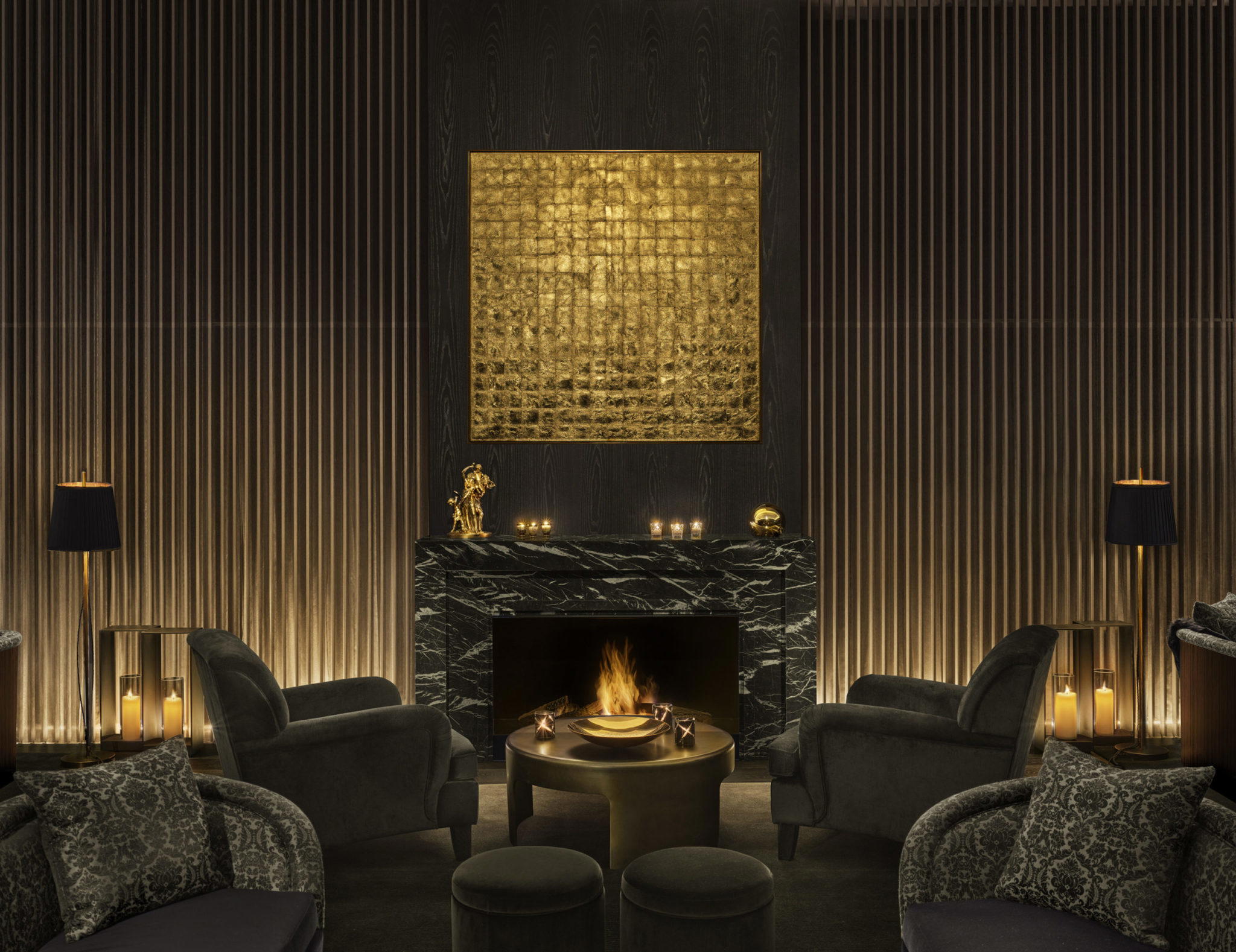
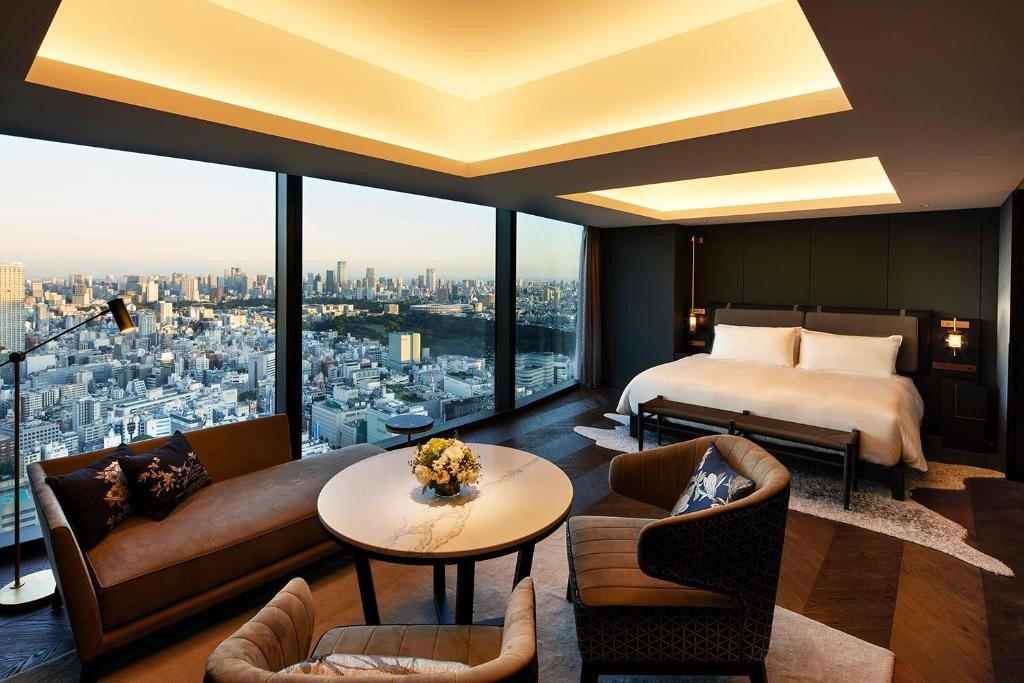
Intimate basement setting with an L-shaped counter overlooking the open kitchen, creating a refined and relaxing atmosphere with stylish, spacious seating in private rooms.