
Michelin Plate
Our verdict
Located in the JT Building on Roppongi 3-chome, it occupies a price tier (¥¥¥¥) shared by some of Tokyo's most decorated tables, making it a notable reference point for serious Japanese cooking in Minato City.

Pearl is the En Primeur Club membership app, where members save venues, book tables and use the concierge.
The menu
What to order
- Grilled Eel (Unagi)
- Miyake Original Caviar
- Unagi-juu Course
Japanese Comfort Food at the Highest Register
Tokyo has always maintained two parallel tracks in its restaurant culture: the rarefied world of multi-course kaiseki and the quietly demanding art of bowl food. Ramen, udon, soba, dishes that appear simple on the surface but expose every technical weakness in their making. The broth either holds or it doesn't. The noodle texture either lands in the right window or it doesn't. There is nowhere to hide. It is precisely this transparency that separates the practitioners who understand these dishes from those who merely replicate them.
The restaurant holds a Michelin Plate in both 2024 and 2025, a designation that, in the context of Tokyo's extraordinarily dense restaurant population, signals that Michelin's inspectors found the cooking consistently worth attention. Tokyo's Michelin guide covers more restaurants than any other city's edition, which makes any form of recognition meaningful as a floor-level quality signal.
Roppongi as a Dining Neighbourhood
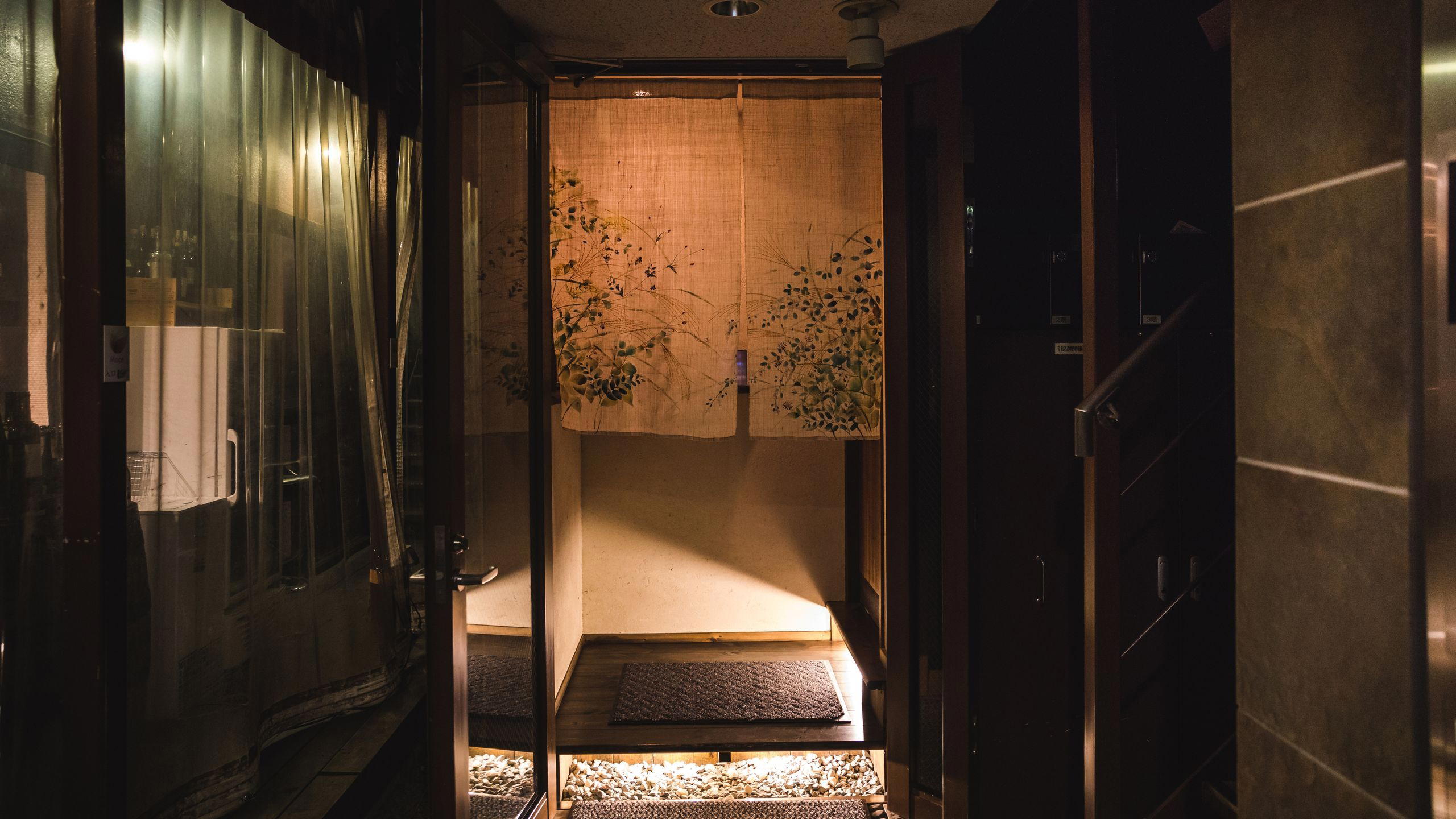
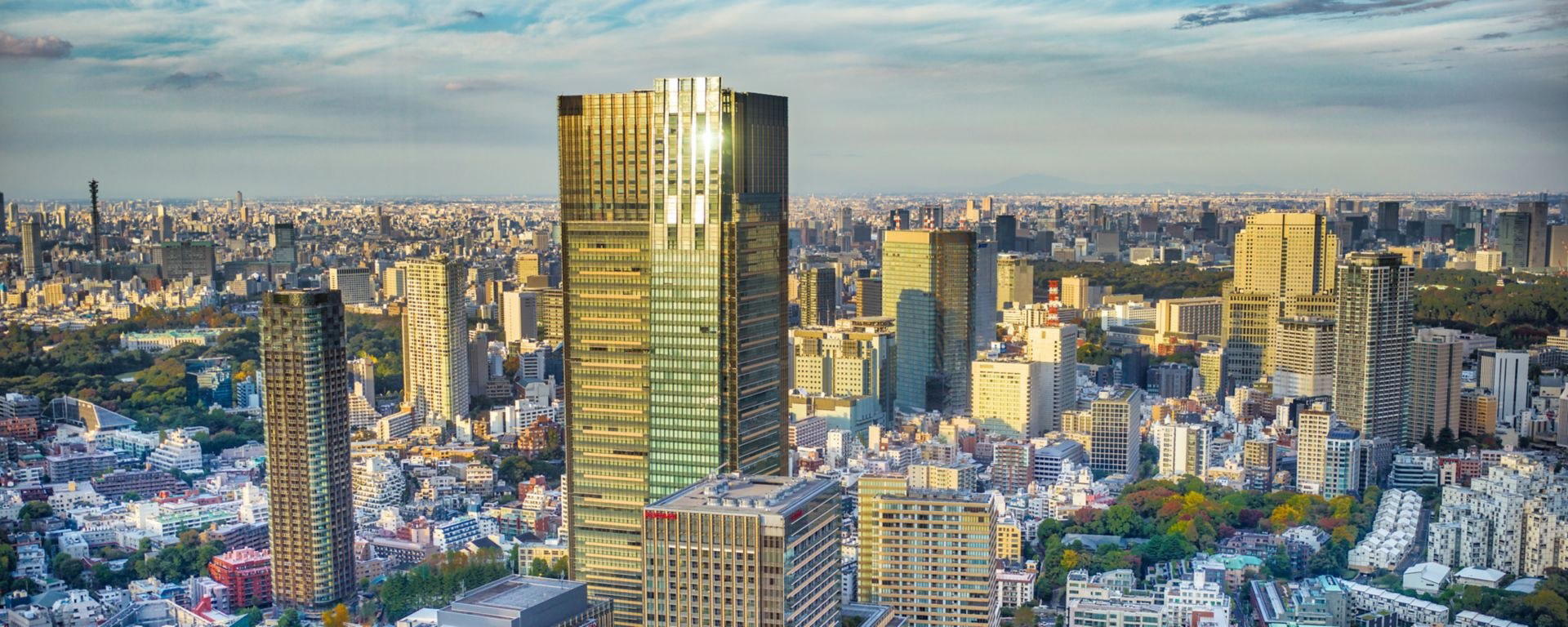
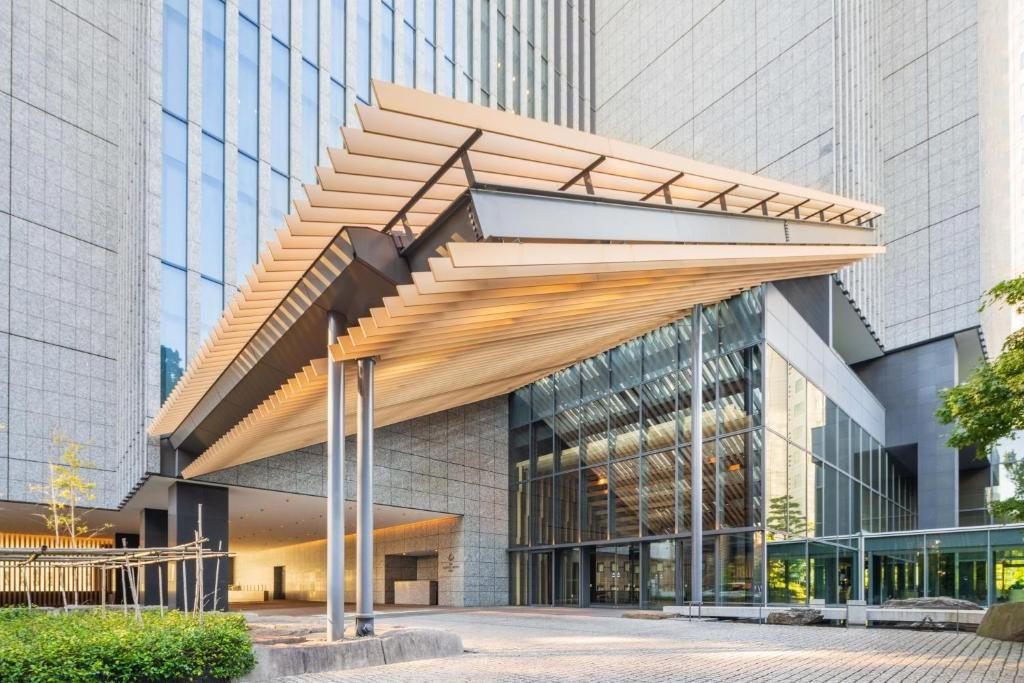
Roppongi's reputation in dining is more layered than the neighbourhood's nightlife history suggests. Minato City contains some of Tokyo's most concentrated fine dining, and the streets around Roppongi 3-chome have developed a quieter, more local character alongside the internationally visible venues. A ground-floor position in a commercial building on this stretch is typical of how serious Japanese restaurants often present themselves in the area: no signage theatre, no dramatic entrance, a format that assumes the guest already knows why they are there.
The ¥¥¥¥ price tier places Miyake Akira in the same bracket as destinations like Azabu Kadowaki and Kagurazaka Ishikawa, both of which operate at the intersection of deep Japanese technique and premium pricing. Within that tier, the differentiation comes from format and focus. Where kaiseki counters like Myojaku or Ginza Fukuju build elaborate progression menus, a kitchen oriented around Japanese comfort cooking stakes its reputation on the opposite, reduction rather than accumulation, depth over breadth.
Why Simplicity Demands More
The argument for Japanese comfort food as a serious culinary discipline is not difficult to make in Tokyo. The city's ramen culture alone supports dozens of chefs who have spent decades refining stock methodology, studying mineral content in water, and sourcing wheat varieties for noodle texture. Soba masters train for years before their buckwheat ratios are considered trustworthy. These are not casual disciplines dressed in humble packaging, they are exacting crafts that happen to arrive in bowls rather than on lacquer trays.
At this price tier, the expectation is that the fundamentals have been resolved and the kitchen is now working on refinement. The consistency signalled by consecutive Michelin Plates (2024 and 2025) suggests that whatever Miyake Akira is producing, it is being produced to a repeatable standard. In a city where a single off-night can cost a restaurant its Michelin standing, two consecutive recognitions indicate a kitchen operating with discipline rather than luck.
For context, the broader ¥¥¥¥ Japanese category in Tokyo is occupied by restaurants working in kaiseki, sushi, and innovative formats. See Jingumae Higuchi for another reference point in the Minato and Shibuya corridor. Outside Tokyo, the same discipline of Japanese cooking at high-commitment levels appears at Gion Sasaki in Kyoto, Isshisoden Nakamura in Kyoto, and Kashiwaya Osaka Senriyama in Osaka, all operating within the same tradition of Japanese technique applied at premium scale.
Where Miyake Akira Sits in Tokyo's Full Picture
Tokyo's restaurant ecosystem at the leading end tends to self-sort into legible tiers. At the apex, three-Michelin-star counters price against each other and operate on allocation or months-long booking windows. Below that, two-star and one-star venues hold their own competitive sets. The Michelin Plate tier, which Miyake Akira occupies, represents a different value proposition: recognised quality without the ceremony overhead that typically accompanies starred dining.
For visitors building a Tokyo itinerary around Japanese cooking at multiple price points and formats, Miyake Akira offers a data-supported entry into the upper-mid tier, serious enough to merit a Michelin reference, accessible enough in positioning to sit alongside the neighbourhood's more casual options. Those looking for the city's more elaborate multi-course formats can cross-reference our full Tokyo restaurants guide for a broader view of the landscape.
Further afield in Japan, restaurants at comparable discipline levels include HAJIME in Osaka, akordu in Nara, Goh in Fukuoka, 1000 in Yokohama, and 6 in Okinawa, a useful frame for understanding how Japanese cooking at this level distributes across the country's cities.
Know Before You Go
- Address: 六本木JTビル 1階, 3 Chome-8-12 Roppongi, Minato City, Tokyo 〒106-0032
- Cuisine: Japanese
- Price tier: ¥¥¥¥
- Awards: Michelin Plate 2024; Michelin Plate 2025
- Guest rating:
- Hours: Not confirmed, verify before visiting
- Getting there: Roppongi Station (Tokyo Metro Hibiya Line / Toei Oedo Line) is the closest major interchange; the JT Building is on 3-chome
Planning the Rest of Your Tokyo Trip
Miyake Akira sits within a city that rewards systematic planning across dining, drinking, and accommodation. Use EP Club's city guides to build the full picture: our full Tokyo hotels guide, our full Tokyo bars guide, our full Tokyo wineries guide, and our full Tokyo experiences guide cover the city's key tiers across categories.
Frequently asked questions
Is Miyake Akira Michelin-listed?
Miyake Akira has received recognition including: Michelin Plate (2025); Michelin Plate (2024).
What should I eat at Miyake Akira?
Miyake Akira operates within the Japanese cuisine category at the ¥¥¥¥ price tier, placing it in the upper range of Tokyo dining where execution rather than spectacle justifies the spend. The restaurant's consecutive Michelin Plate recognitions in 2024 and 2025 signal consistent kitchen standards rather than a one-season performance. Given the ¥¥¥¥ positioning, expect a menu structured around Japanese culinary tradition at a register where ingredient sourcing and technique carry the weight of the price point.
How much does it cost to eat at Miyake Akira?
Pricing at Miyake Akira is listed as ¥¥¥¥.
Price Lens
A quick peer list to put this venue’s basics in context.
| Venue | Cuisine | Price | Awards | Notes |
|---|---|---|---|---|
| Miyake AkiraThis venue (the venue you are viewing) | Seasonal Japanese Kaiseki with Unagi | $30–50 | Michelin Plate | Not listed |
| Harutaka | Edo-Style Omakase Sushi | $200–300 | 3 Michelin Stars · World's 50 Best #76 | Sushi |
| RyuGin | Modern Kaiseki | $500+ | 3 Michelin Stars · World's 50 Best #41 | Kaiseki, Japanese |
| L'Effervescence | Modern French with Japanese Influences | $200–300 | 3 Michelin Stars · World's 50 Best #69 | French |
| HOMMAGE | Modern French with Japanese Influences | $150–200 | 2 Michelin Stars · World's 50 Best #78 | Innovtive French, French |
| MAZ | Innovative Peruvian-Japanese Fusion | $150–200 | 2 Michelin Stars · World's 50 Best #28 | Innovative |
Recognition history
Dated appearances from independent guides and award organizations, with the underlying list record or original source where available.
Michelin Plate
Michelin
Full recognition history (2 entries)
Michelin Plate
Michelin
Continue exploring
More in Tokyo
Restaurants in Tokyo
All restaurants in Tokyo →
Details
- Intimate
- Elegant
- Sophisticated
- Minimalist
- Special Occasion
- Business Dinner
- Chefs Counter
- Open Kitchen
- Private Dining
- Sake Program
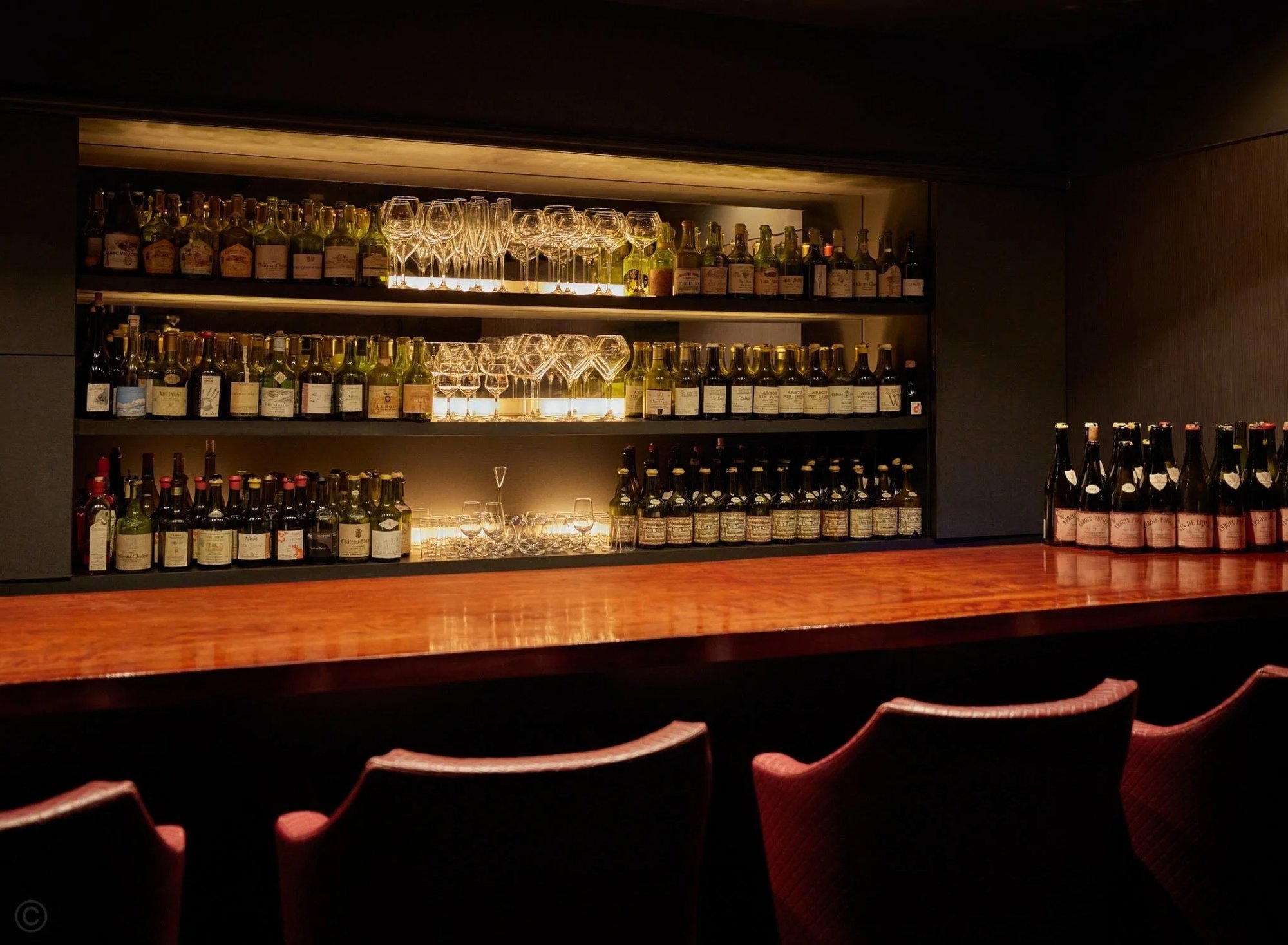
- Extensive Wine List
- Local Sourcing
- Omakase
- Counter Dining
- Sake
- Wine
Current opening hours
- Monday
- 5–10:30 p.m.
- Tuesday
- 5–10:30 p.m.
- Wednesday
- 5–10:30 p.m.
- Thursday
- 5–10:30 p.m.
- Friday
- 5–10:30 p.m.
- Saturday
- 5–10:30 p.m.
- Sunday
- Closed
Hours can change for holidays and private events. Hours as of .
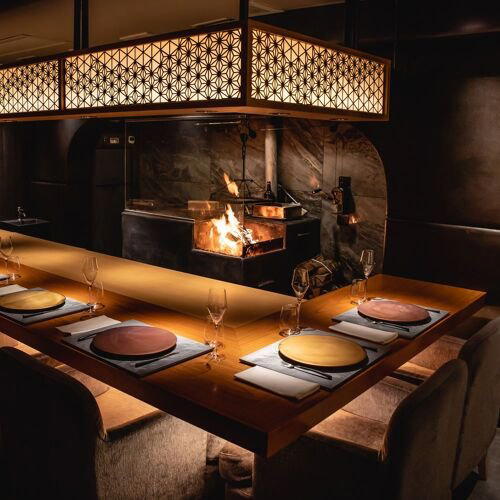
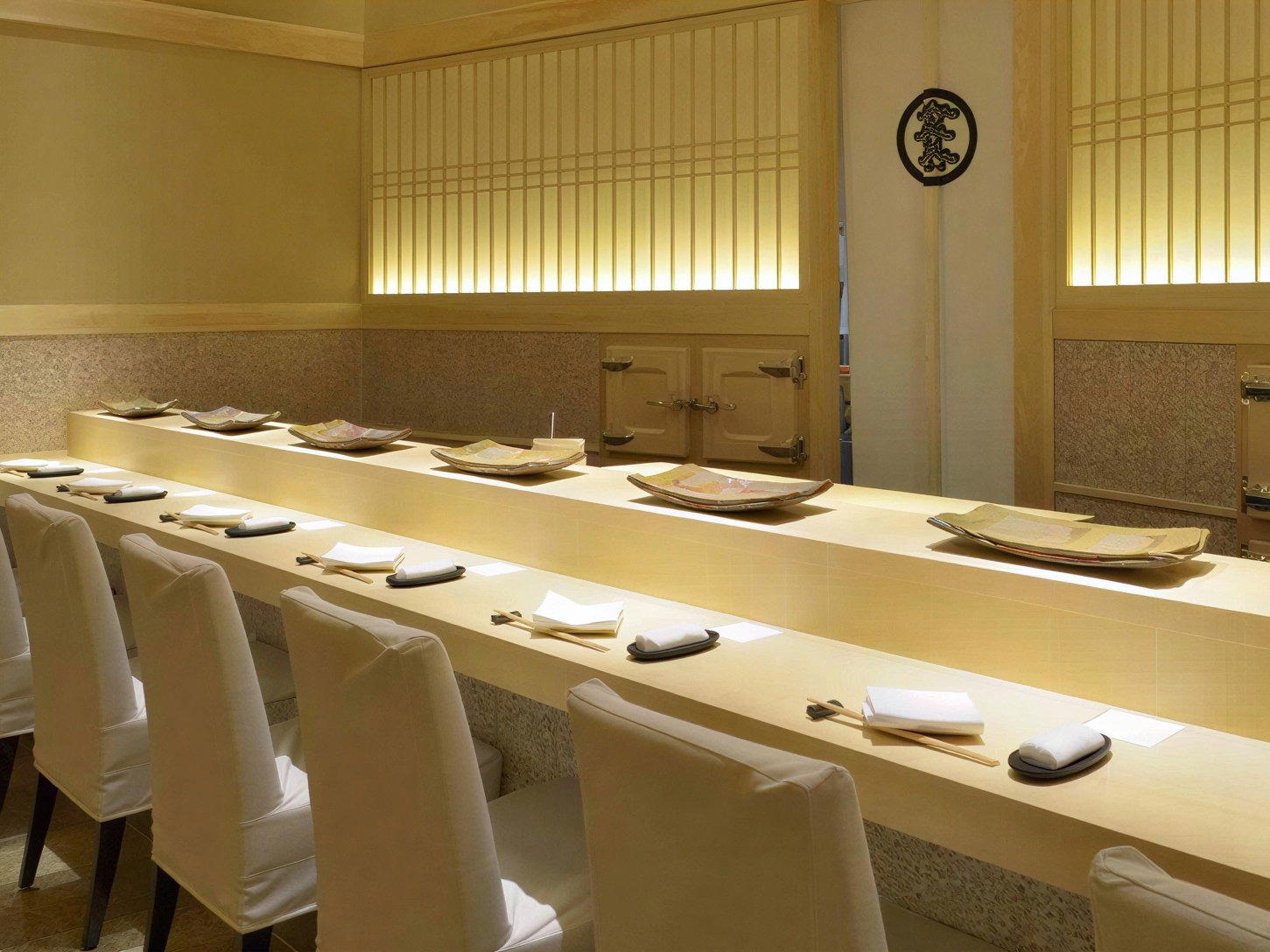
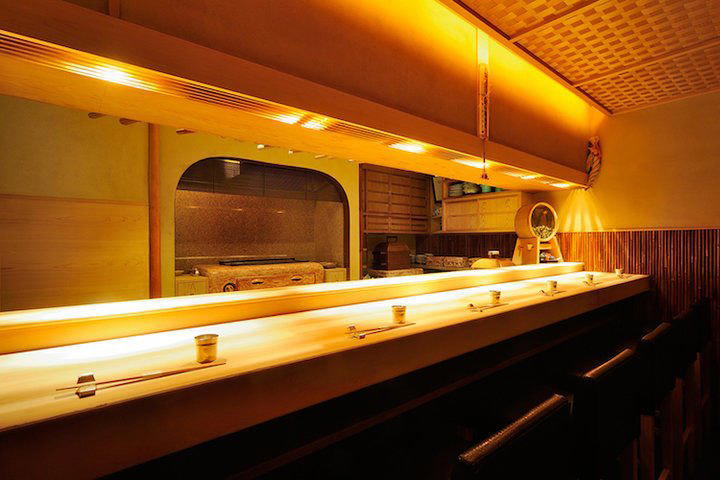
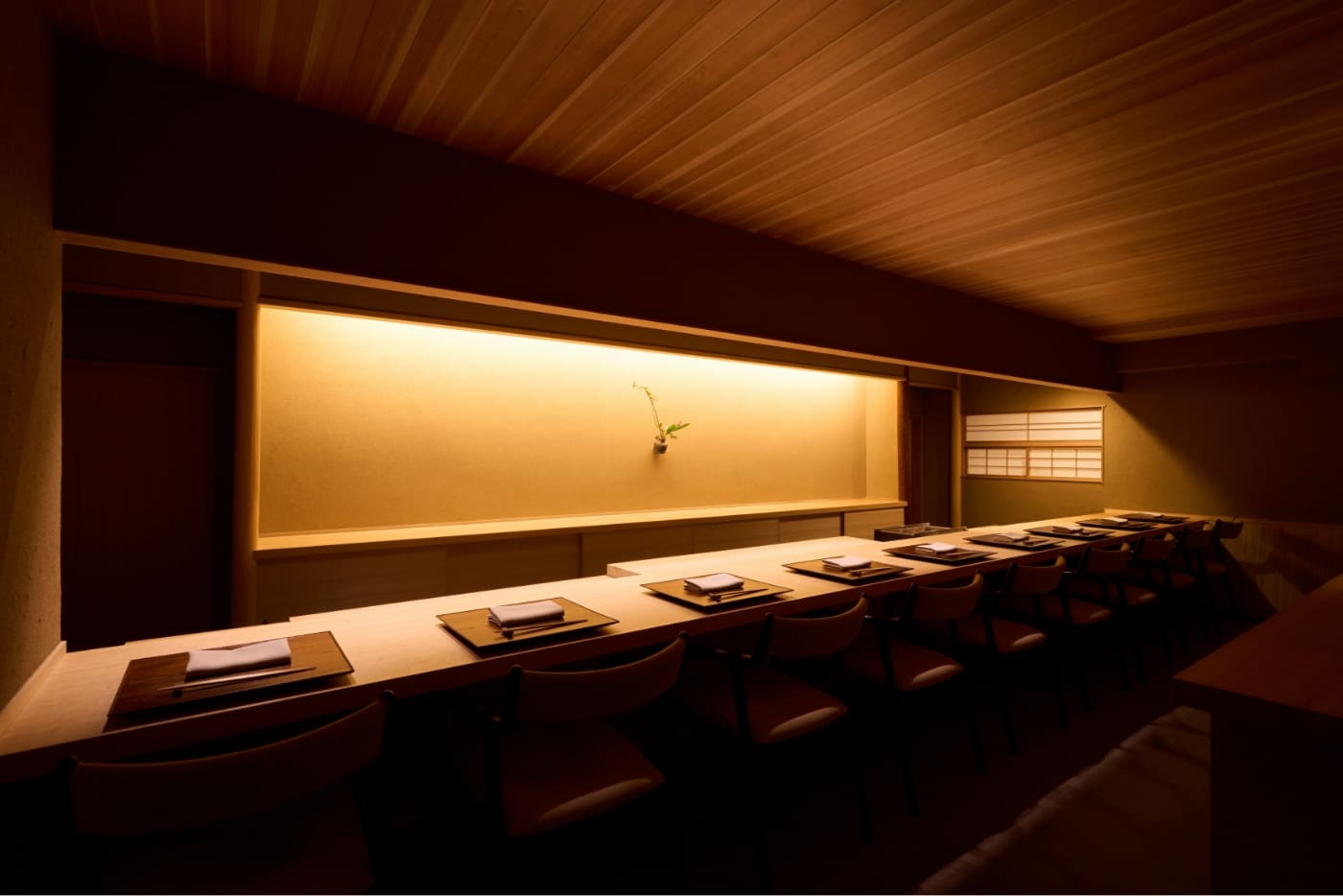
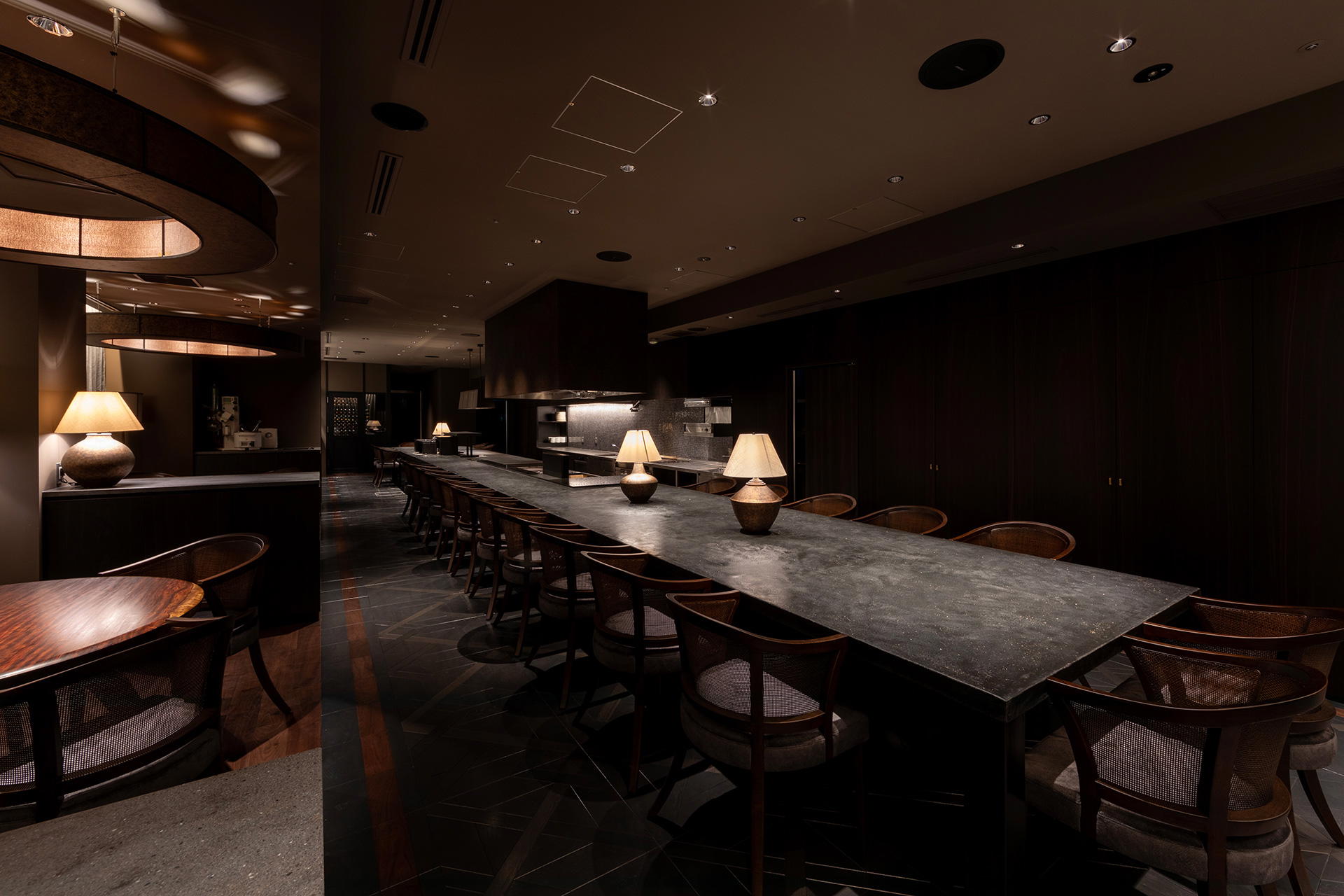
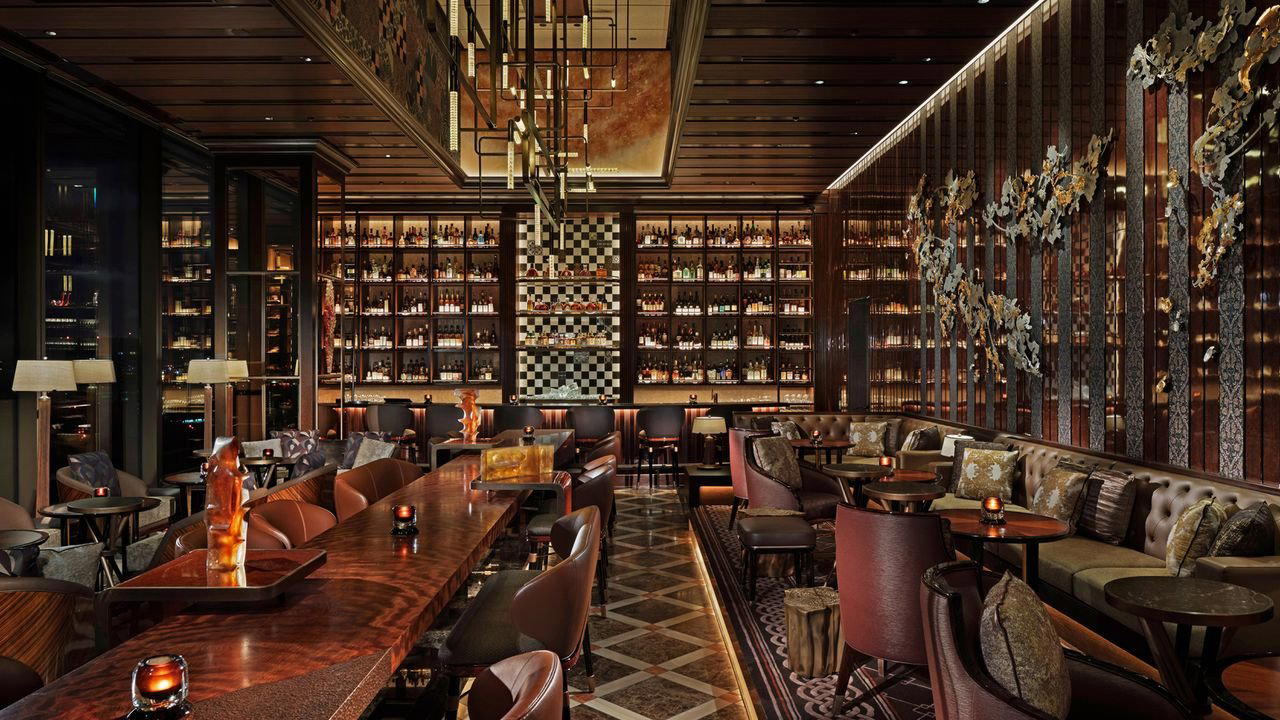
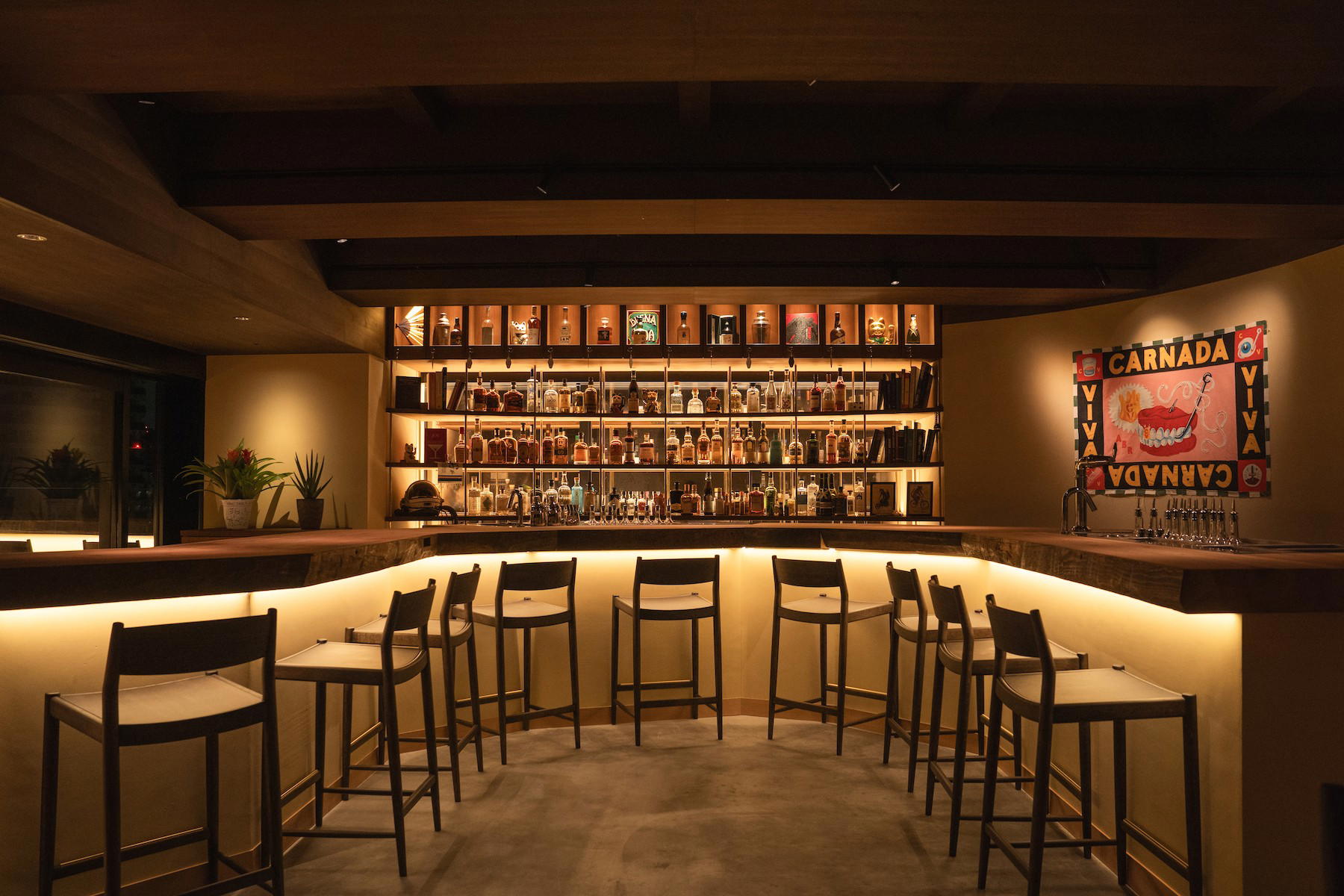
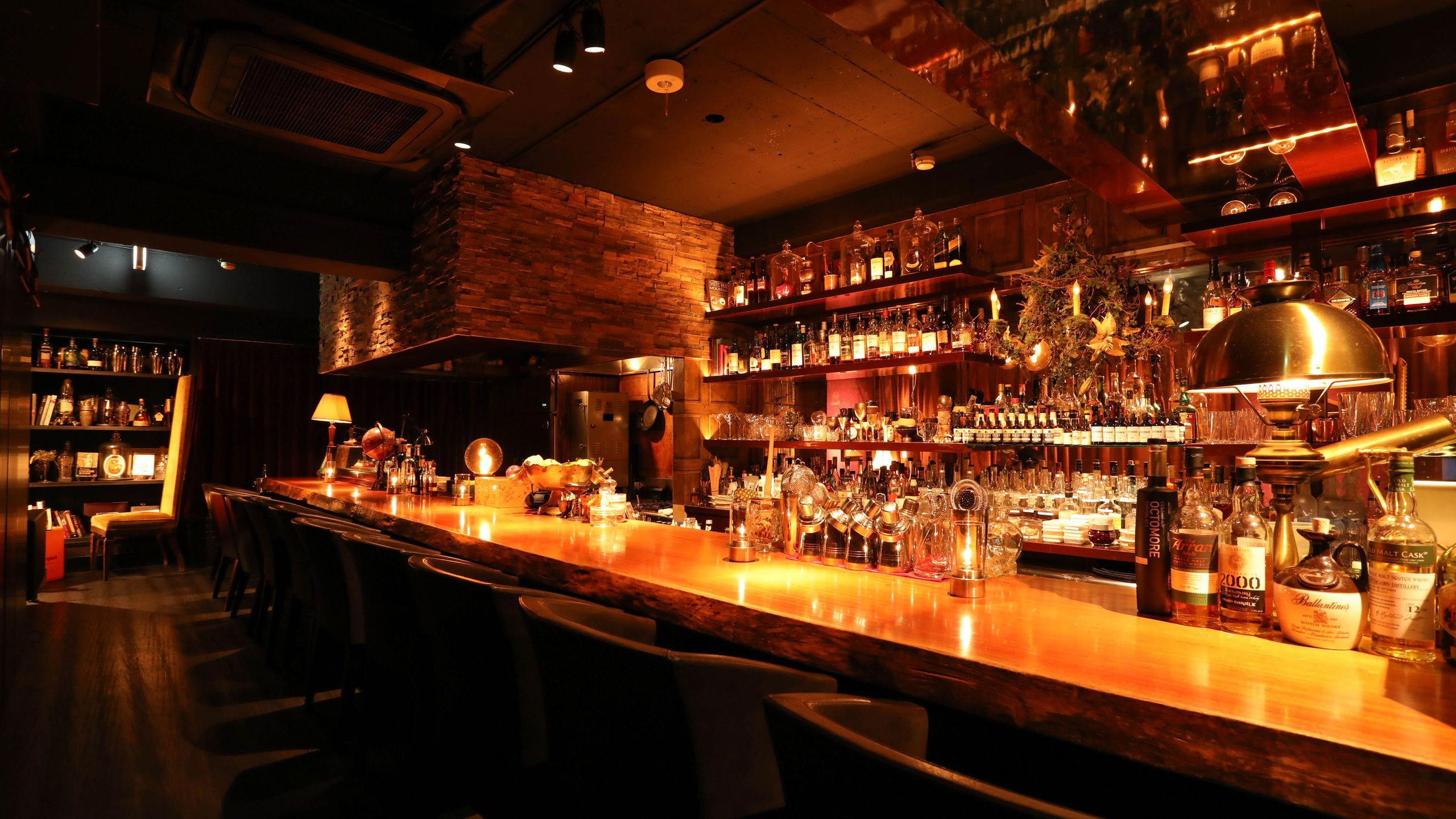
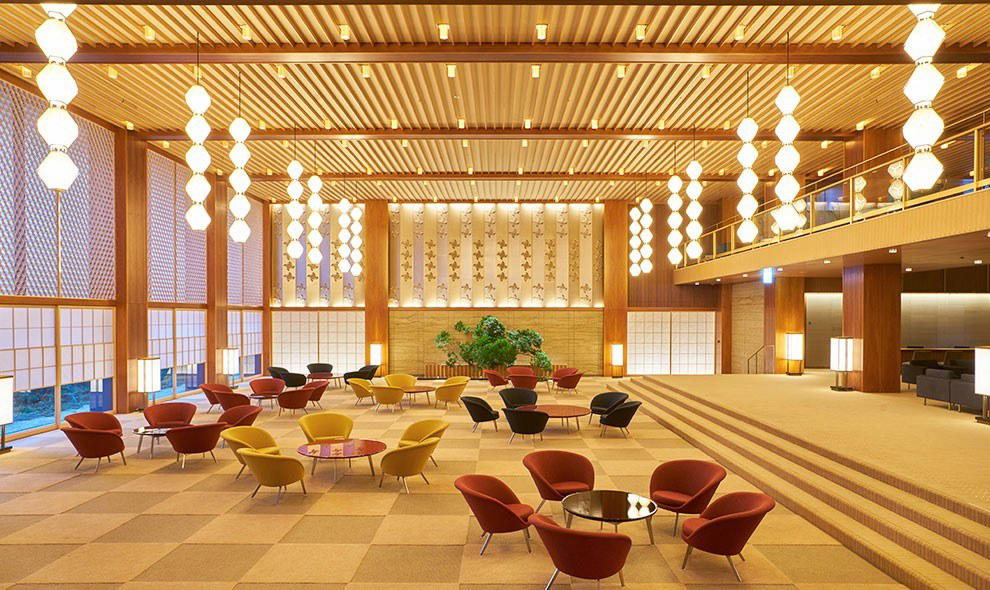
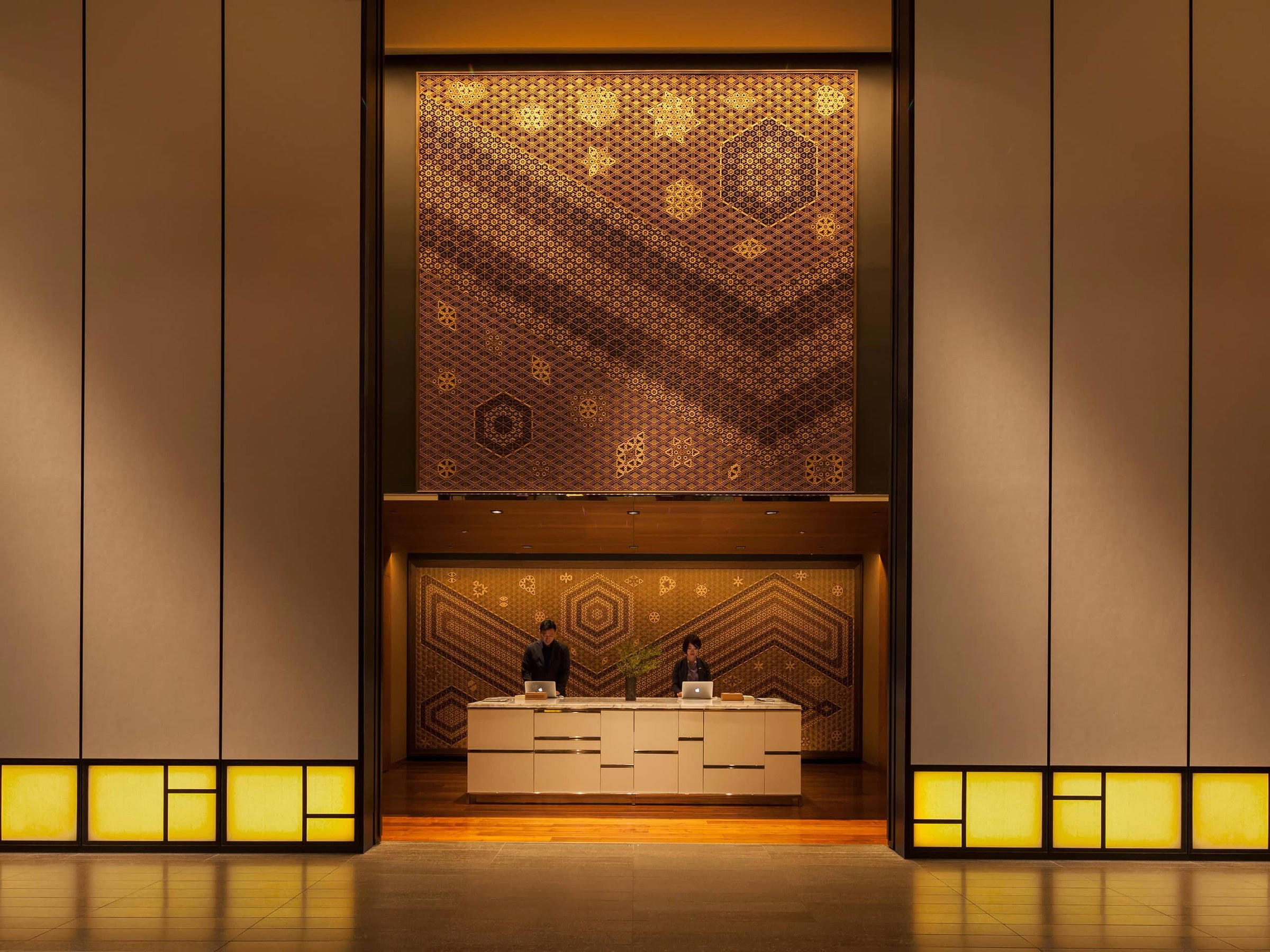
Hushed, contemplative minimalist space with stylish Japanese interior focused on the chef's craft and seasonal presentations.