
Chiso Takayama occupies the ninth floor of a Minamiazabu building and holds a 2025 Michelin Plate, serving Japanese cuisine structured around the philosophy of 'chiso': the labour of preparing seasonal food as an act of care. The kitchen frames each course through the produce of the moment, connecting the meal to both the agricultural calendar and the tea ceremony's idea of a singular, unrepeatable encounter.
Pearl is the En Primeur Club membership app — saves, bookings, and concierge access live there. Same editors, same standards.
- Address
- Japan, 〒106-0047 Tokyo, Minato City, Minamiazabu, 2 Chome−7−23 マーキュリー南麻布 9階
- Phone
- +81 3-6665-8485
- Website
- chisou-takayama.com
- Directions
- Get directions
 Saves & bookings on Pearl
Where Ingredient and Intention Meet: Japanese Seasonal Cooking in Minamiazabu
Tokyo's kaiseki and Japanese seasonal dining scene occupies a wide spectrum. At one end sit the heavily awarded counters of Ginza and Azabu, venues like Azabu Kadowaki and Kagurazaka Ishikawa, carrying multiple Michelin stars and booking horizons measured in months. At the other end are neighbourhood-anchored rooms that operate with less international visibility but often with an equal seriousness about raw materials. Chiso Takayama, on the ninth floor of a residential building in Minamiazabu, fits the latter category, Positioned as a focused expression of seasonal Japanese cooking.
The name itself carries the argument the kitchen is making. 'Chiso' is a double-meaning Japanese phrase: it describes both the act of welcoming guests with well-prepared food and the physical rushing about that such preparation demands. This is not a passive hospitality concept. It is one that places the labour of sourcing and cooking at the centre of what the guest receives. The customary closing phrase of a Japanese meal, 'go-chiso-sama', carries the same root, an expression of gratitude that extends beyond the cook to encompass the producers, the land, and the season itself.
The Primacy of the Seasonal Ingredient
In Japanese seasonal cooking, the ingredient arrives before the technique. This is the foundational logic that separates kaiseki and its adjacent traditions from, say, French cuisine, where a skilled kitchen can produce consistent results regardless of what month the calendar shows. At Chiso Takayama, the fare is described as expressing 'the bounty of Japan's seasons, connecting it deeply with the natural world.' That framing positions the menu as an agricultural document as much as a culinary one, what arrives on the table is a record of what the season is producing at that moment.
This philosophy intersects with the tea ceremony concept of ichi-go ichi-e: the once-in-a-lifetime encounter. Applied to dining, it suggests that a dish prepared with peak-season matsutake mushroom, Kyoto eggplant, or winter buri cannot be reproduced outside its moment. The diner sitting down in late autumn is not eating the same meal as one who arrives in spring, even if the menu structure looks similar. Respect for this irreproducibility is what distinguishes ingredient-forward Japanese cooking from formats built around technical consistency.
The emphasis on food producers as named parties in the meal, their 'good intentions' acknowledged in the framing of each dish, places Chiso Takayama within a broader Tokyo movement toward supply-chain transparency. Venues like Myojaku and Ginza Fukuju operate within a similar frame, where the credibility of the kitchen rests partly on the credibility of its sourcing relationships. In this sense, a Michelin Plate in Tokyo's Japanese cooking category signals not just technique but sourcing discipline, the guide's acknowledgment that what is being cooked has been chosen with rigour.
Minamiazabu and the Logic of Where This Restaurant Lives
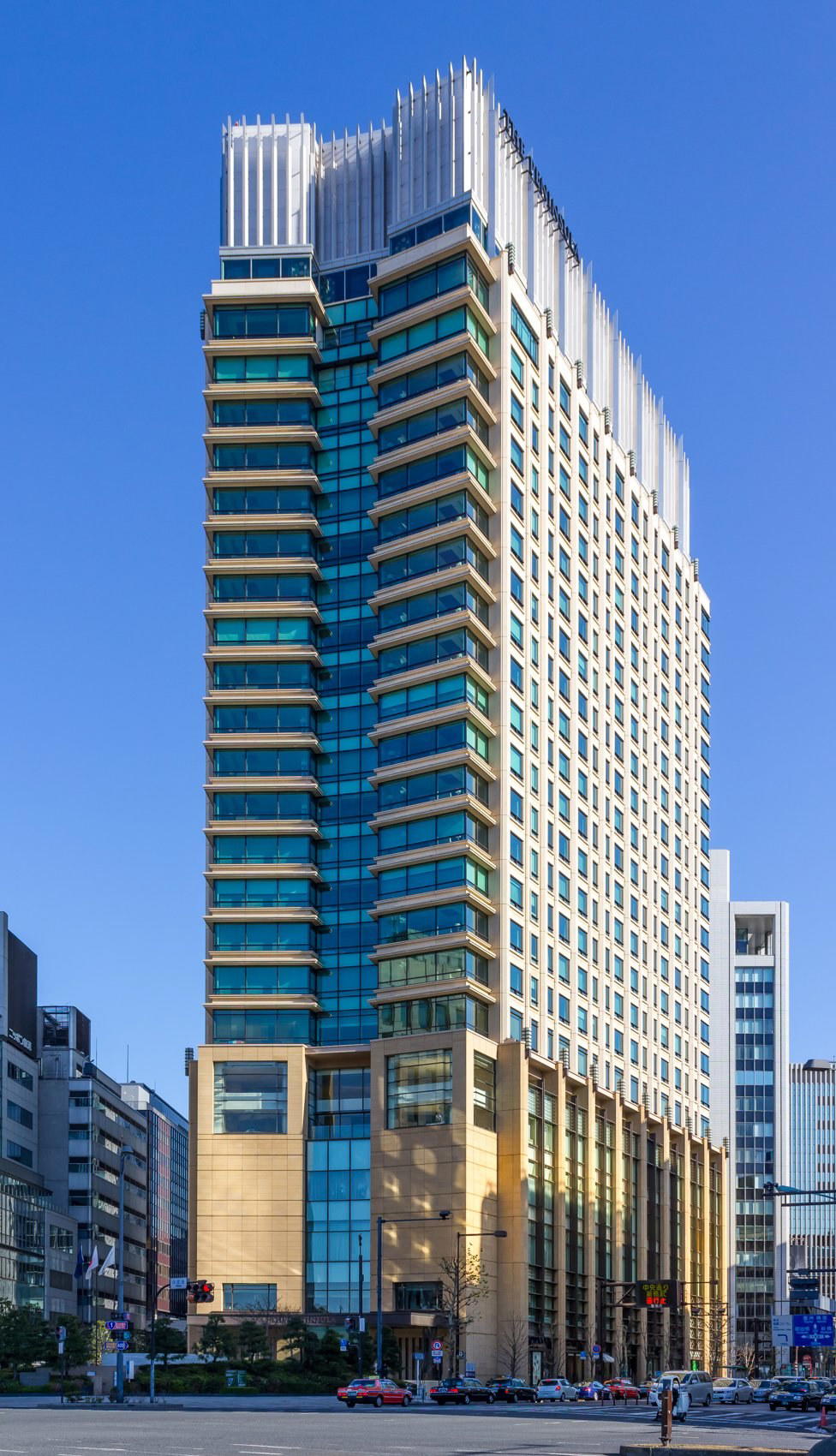
Minamiazabu occupies an interesting position in Tokyo's dining geography. It sits between the commercial density of Roppongi and the quieter, more residential character of Hiroo, giving it a neighbourhood feel that some of the more tourist-heavy dining districts lack. The ninth-floor address, inside the Mercury Minamiazabu building, reflects a pattern common in Tokyo: serious kitchens operating from non-ground-floor locations where rent pressure is lower and the room can be shaped around the meal rather than around foot traffic.
For comparison, Jingumae Higuchi operates in a similarly residential-adjacent pocket of the city, and the pattern holds: these are destinations you go to because you have already decided to go, not restaurants you discover by walking past. The trade-off is a more concentrated dining room, where guests tend to be there specifically for the food.
Price Tier and comparable set
The restaurant carries a ¥¥¥ price designation, the mid-premium tier in Tokyo's Japanese dining market, sitting below the ¥¥¥¥ range occupied by venues like RyuGin (three Michelin stars) and HAJIME in Osaka. Within Tokyo's ¥¥¥ seasonal Japanese tier, it shares a price category with Den, the two-Michelin-starred innovative Japanese restaurant in Jinbocho, though the two venues represent different orientations within the tier. Den is internationally profiled and operates with a playful, modern register; the restaurant's framing is more grounded in classical seasonal philosophy.
That distinction matters for how a dining decision gets made. A guest choosing between these two addresses is choosing between two different ideas about what a Japanese seasonal meal should feel like, not simply comparing star counts. The ¥¥¥ tier in Tokyo is wide enough to contain both, and the Michelin Plate at the restaurant signals consistent quality without implying the degree of formality or booking difficulty that starred venues command. Across Japan, the same rigour in seasonal sourcing and cooking appears at Gion Sasaki in Kyoto, Isshisoden Nakamura in Kyoto, and Kashiwaya Osaka Senriyama, each with its own regional inflection but the same underlying fidelity to ingredient and season.
Reading the Room: What the Reviews Signal
The city's most critically prominent restaurants frequently accumulate fewer public reviews because their clientele skews toward experienced diners who do not routinely post, and because many operate with strict no-photography or no-phone policies. A score at this level, across this volume, suggests a consistent experience that holds across multiple visits and diner types. It also suggests the kitchen is managing its seasonal ambition against the practical expectations of guests who may not arrive with detailed prior knowledge of Japanese culinary philosophy.
Know Before You Go
- Address: Mercury Minamiazabu, 9F, 2-7-23 Minamiazabu, Minato City, Tokyo 〒106-0047
- Cuisine: Japanese seasonal
- Price range: ¥¥¥ (mid-premium tier)
- Awards: Michelin Plate 2025 5 / 5 (130 reviews)
- Booking: Reservation essential
- Timing note:
Peers You’d Cross-Shop
Comparable venues nearby, for context on price, style, and recognition.
| Venue | Cuisine | Price | Notes |
|---|---|---|---|
| Chiso TakayamaThis venue — the venue you are viewing | Seasonal Japanese Kaiseki Omakase | $$$$ | Not listed |
| Matsukawa - 松川 | Traditional Kaiseki | $$$$ | Minato |
| NANAHIRO | Modern Japanese Tasting Menu | $$$$ | Minato |
| Tsujitome | Traditional Kaiseki Tea Ceremony Cuisine | $$$$ | Minato |
| Kabukizaura Masashi | Seasonal Japanese Omakase | $$$$ | Chūō |
| Tomura | Kyoto-style Kaiseki | $$$$ | Minato |
Recognition history
Dated appearances from independent guides and award organizations, with the underlying list record or original source where available.
Michelin Plate
Michelin
Michelin Plate
Michelin






At a Glance
- Quiet
- Elegant
- Intimate
- Sophisticated
- Special Occasion
- Sake Program
Current opening hours
- Monday
- 12–2:30 PM, 6–11 PM
- Tuesday
- 12–2:30 PM, 6–11 PM
- Wednesday
- 12–2:30 PM, 6–11 PM
- Thursday
- 12–2:30 PM, 6–11 PM
- Friday
- 12–2:30 PM, 6–11 PM
- Saturday
- 12–2:30 PM, 6–11 PM
- Sunday
- 12–2:30 PM, 6–11 PM
Hours can change for holidays and private events. Last verified .
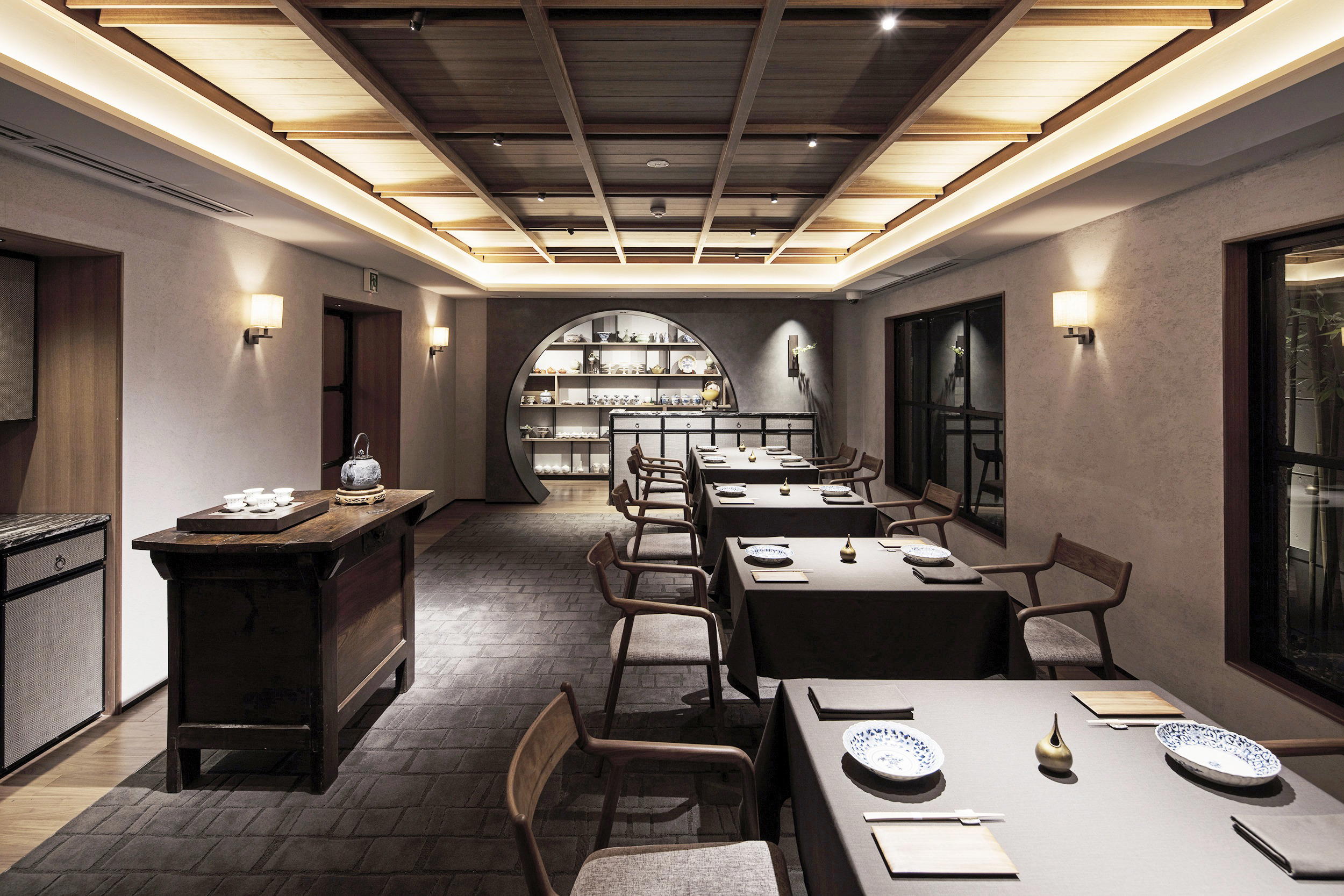
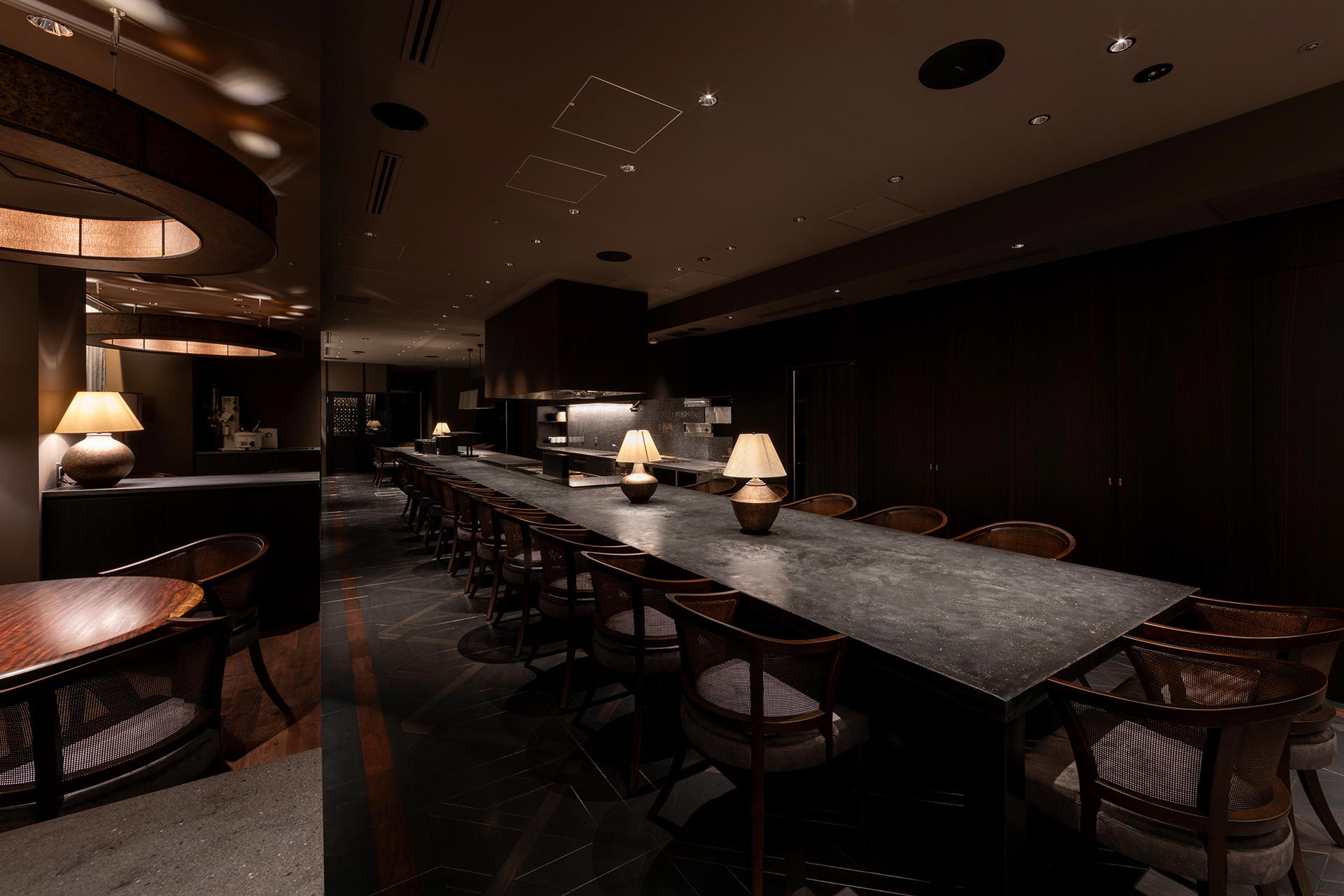
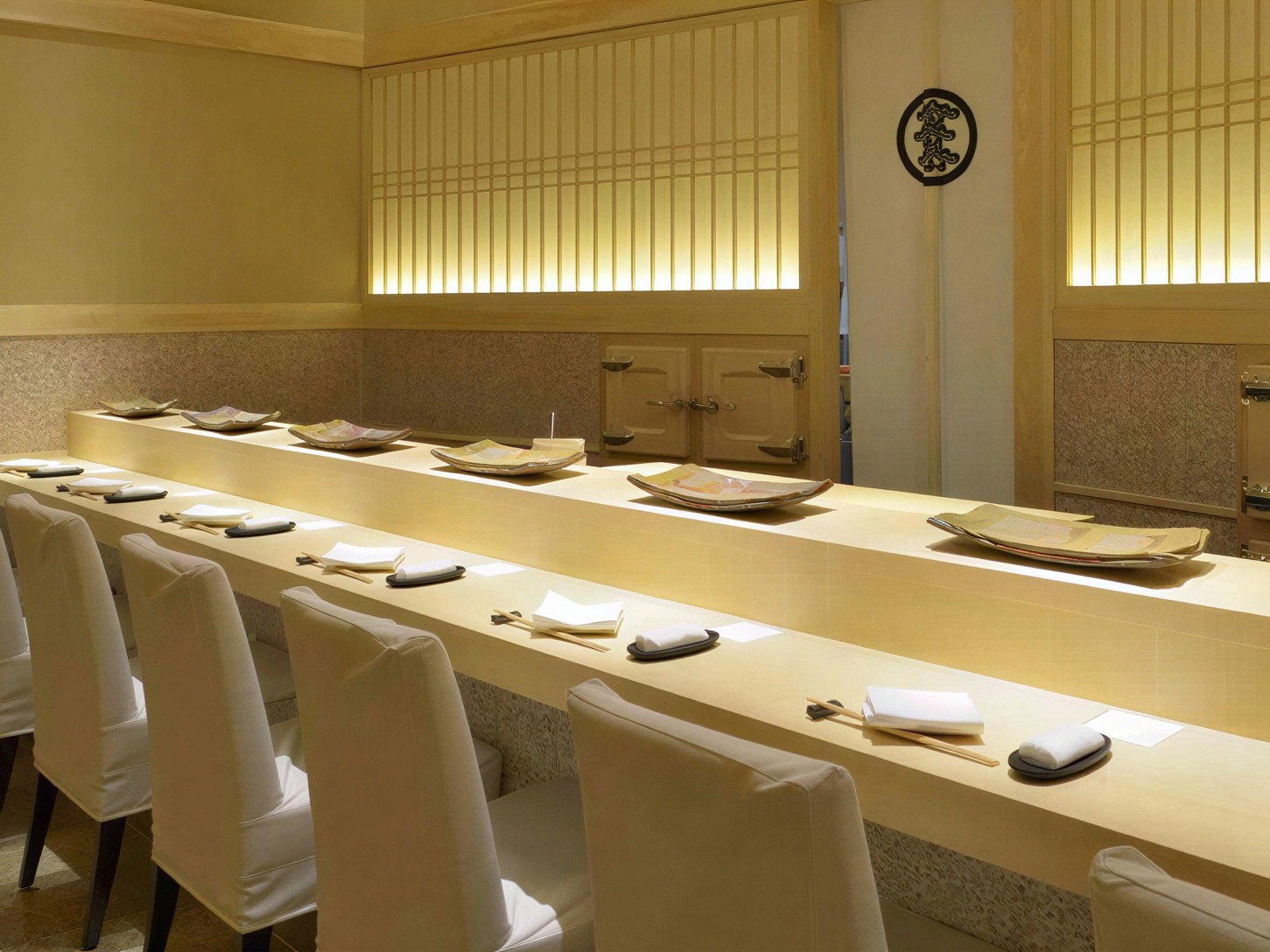
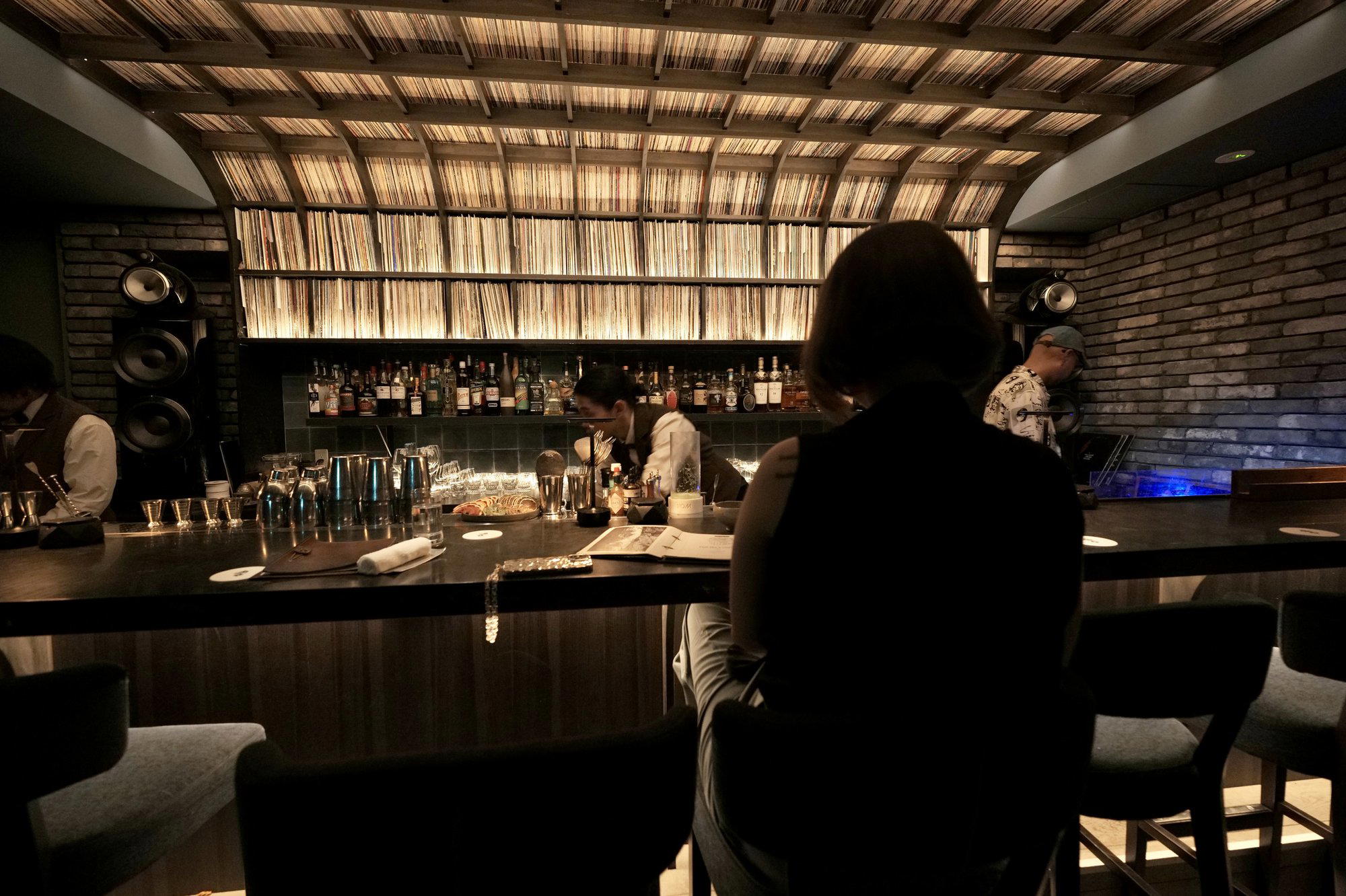
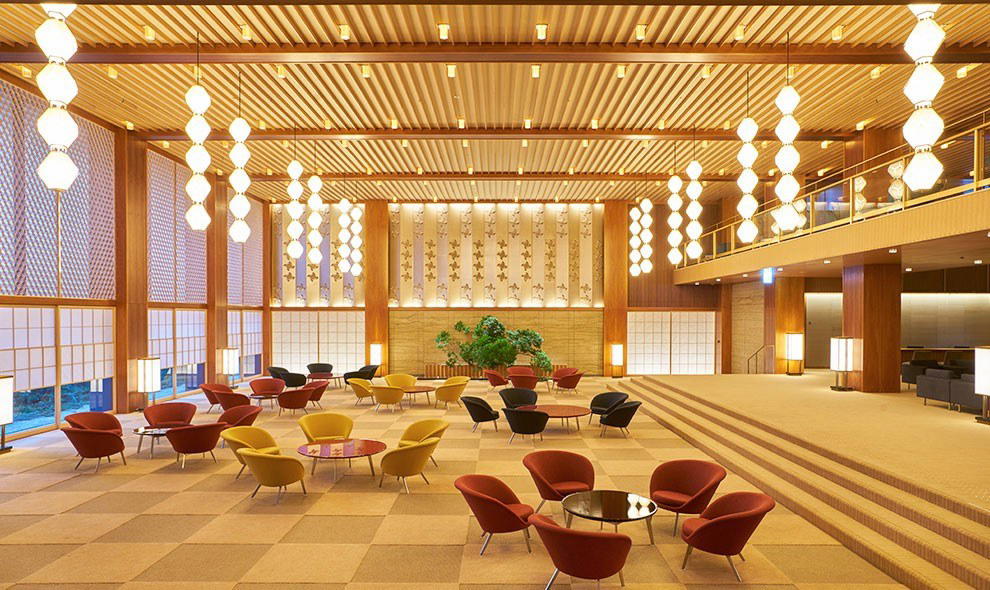
Tranquil and relaxing space with stylish, spacious seating that evokes peaceful moments and the chef's sincere hospitality.