
Kaiseki Ohara holds a Michelin Plate for 2024 and 2025, placing it in a tier of Shinjuku kaiseki restaurants where craft and consistency are the distinguishing markers. Located in Arakicho, a quiet residential pocket that sits apart from the neighbourhood's busier circuits, it carries, a figure that points to precision rather than volume.
Pearl is the En Primeur Club membership app — saves, bookings, and concierge access live there. Same editors, same standards.
- Address
- Japan, 〒160-0007 Tokyo, Shinjuku City, Arakicho, 1−2 「なかばやしビル 2F」
- Phone
- +81 3-6380-5223
- Website
- sugidaimon.com
- Directions
- Get directions
 Saves & bookings on Pearl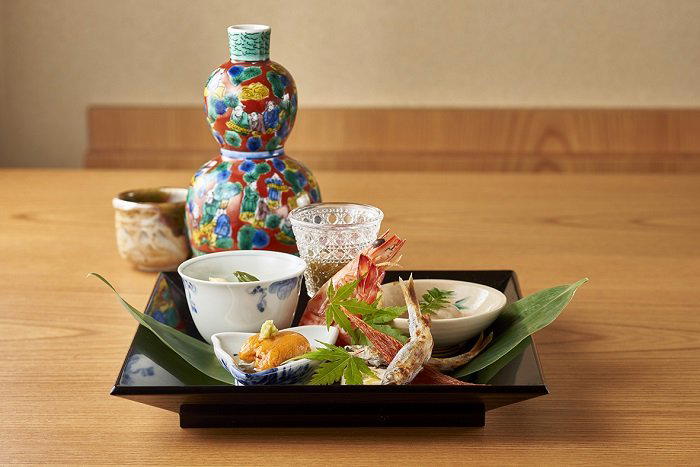
A Quiet Address in Arakicho
Arakicho is not the first neighbourhood Tokyo dining visitors tend to find. Located in Shinjuku City, it occupies a more residential register: narrow lanes, low-rise buildings, the occasional izakaya lit up after dark. In that context, a kaiseki counter on the second floor of a mid-block building reads less like a destination and more like a practitioner quietly doing their work. That dynamic is, in some respects, what the kaiseki format has always produced in Japan's secondary and tertiary dining pockets, serious cooking operating below the threshold of the city's louder restaurant press cycle.
Kaiseki Ohara sits in that pocket. Its Michelin Plate recognition in both 2024 and 2025 places it in the category of restaurants the Guide judges worth noting without yet assigning a star, a designation that signals consistent quality and kitchen discipline, distinct from the Bib Gourmand's value emphasis.
Where the Plate Sits in Tokyo's Kaiseki Hierarchy
Tokyo carries more Michelin-recognized kaiseki than any other city on earth. At the upper end, three-star houses like Kagurazaka Ishikawa and the broader kaiseki tradition represented by venues like Azabu Kadowaki operate with long lead times and price points that reflect decades of accumulated prestige. RyuGin, in the same three-star tier at ¥¥¥¥, works kaiseki through a more modernist lens. Below that, a wide band of Plate-designated and starred mid-tier venues serves the segment of the market that wants the kaiseki sequence, seasonal courses, disciplined progression, ingredient-led restraint, without the two- or three-hour ceremony and the corresponding ¥¥¥¥ commitment.
Kaiseki Ohara's ¥¥¥ price range places it in that mid-tier band. It is in the same bracket as Den, a two-star innovative Japanese house, and at a meaningful step below the ¥¥¥¥ tier occupied by most multi-starred kaiseki. For the reader choosing between a first Tokyo kaiseki experience and a return visit to a more decorated address, that distinction matters. The Plate designation combined with the price point suggests the kitchen is working within the tradition rather than reinterpreting it, precise, seasonal, and deferential to format rather than using kaiseki as a scaffold for experimentation.
The Counter Format and What It Implies
Kaiseki Ohara's cuisine is kaiseki rather than teppanyaki, but the underlying dynamic is worth addressing directly. In Tokyo's counter-seat Japanese restaurants, whether the format is omakase sushi, kappo, or kaiseki, the proximity between kitchen action and guest observation shapes the experience in ways that larger dining rooms do not. The second-floor setting in a compact Arakicho building points toward an intimate format: counter seating, a contained kitchen visible or semi-visible to the room, and a tempo set by the chef's sequence rather than the guest's order.
That kind of space creates a different relationship with the meal than a traditional tatami room or a large kaiseki hall. The distance between preparation and presentation collapses. Guests track the rhythm of the evening through what arrives rather than what they have selected. This is the structure that distinguishes counter kaiseki and kappo from their more formal equivalents, and it is the structure that venues like Myojaku and Jingumae Higuchi also operate within. At the restaurant, the address and scale suggest something in that same counter-proximate tradition.
Tokyo's Wider Japanese Dining Grid
For visitors building a broader Japan itinerary, the kaiseki tradition maps differently across cities. In Kyoto, the format carries centuries of formal protocol; Isshisoden Nakamura and Gion Sasaki sit inside that lineage. In Osaka, Kashiwaya Osaka Senriyama and HAJIME represent the city's more technically ambitious end. Tokyo's kaiseki registers differently again, more pluralistic, more willing to absorb influence from other traditions, and spread across a much larger geography of neighbourhoods.
That geography matters when choosing where to eat. Shinjuku City's dining is concentrated in pockets with distinct characters: the high-rise floor restaurants around the station, the izakaya corridors of Omoide Yokocho, and quieter residential sub-zones like Arakicho. A kaiseki counter in Arakicho operates with different ambient energy than one in Ginza or Roppongi, quieter approach, smaller format, less tourist footfall. For comparison, Ginza Fukuju anchors the formal end of that alternative neighbourhood reading. The restaurant's Arakicho address positions it toward a more local, practitioner-focused register.
Beyond Tokyo, the same mid-tier kaiseki tradition produces notable addresses across Japan's main cities. akordu in Nara, Goh in Fukuoka, 1000 in Yokohama, and 6 in Okinawa each represent regional nodes in a wider Japanese fine-dining network that extends well beyond the three major cities.
Planning Your Visit
The restaurant's Michelin Plate status in two consecutive years (2024 and 2025) reflects a kitchen producing consistent results at the ¥¥¥ price tier. Given the compact size implied by the building and address format, reservations are advisable well in advance, particularly for weekend evenings in autumn and spring, the two seasons when seasonal kaiseki ingredients and visitor demand both peak. The Arakicho address is walkable from Yotsuya-sanchome Station on the Marunouchi Line, placing it a reasonable distance from Shinjuku's main transport hub without requiring a taxi from central Tokyo.
City Peers
Comparable venues nearby, for context on price, style, and recognition.
| Venue | Cuisine | Price | Notes |
|---|---|---|---|
| Kaiseki OharaThis venue — the venue you are viewing | Traditional Kaiseki | $$$$ | Not listed |
| Sushi Akira | Premium Omakase | $$$$ | Shibuya |
| Ushigoro | Premium Yakiniku | $$$$ | Chūō |
| Oryori Horiuchi | Japanese Kaiseki | $$$$ | Shinjuku |
| Aramaki | Seasonal Yakitori Omakase | $$$$ | Minato |
| Arakicho Kintsugi | Michelin-Recognized Seasonal Kaiseki Omakase | $$$$ | Shinjuku |
Recognition history
Dated appearances from independent guides and award organizations, with the underlying list record or original source where available.
Michelin Plate
Michelin
Michelin Plate
Michelin












At a Glance
- Quiet
- Elegant
- Intimate
- Cozy
- Sophisticated
- Special Occasion
- Chefs Counter
- Sake Program
Current opening hours
- Monday
- 6–9:30 PM
- Tuesday
- 6–9:30 PM
- Wednesday
- 12–9:30 PM
- Thursday
- 6–9:30 PM
- Friday
- 6–9:30 PM
- Saturday
- 12–9:30 PM
- Sunday
- Closed
Hours can change for holidays and private events. Last verified .
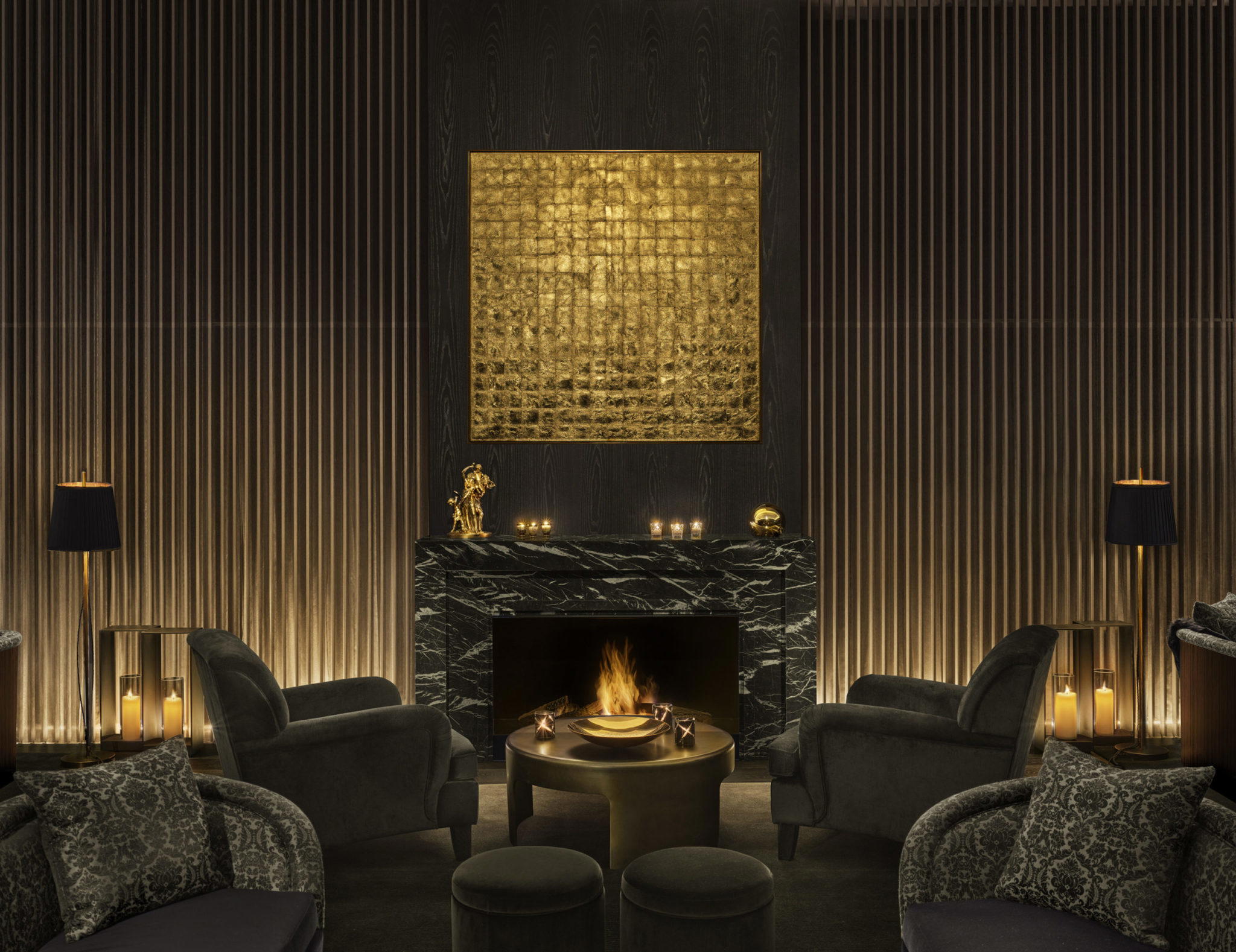
Calming and relaxing with a cozy home-like atmosphere.