
Roppongi’s chicken-dining scene has moved beyond standard yakitori shorthand, and Toriyaki to Torinabe Kakoi sits in that broader shift toward bird-focused menus that pair grilling with hot pot. Its 2025 Tabelog 100 selection for chicken cuisine gives it a clear trust signal in a crowded Tokyo category, while the format suits diners who want izakaya energy with a narrower ingredient brief.
Pearl is the En Primeur Club membership app — saves, bookings, and concierge access live there. Same editors, same standards.
- Address
- 東京都港区六本木7-5-11 カサグランデミワ 2F
- Phone
- +81367211927
- Website
- hara-peko.co.jp
 Saves & bookings on Pearl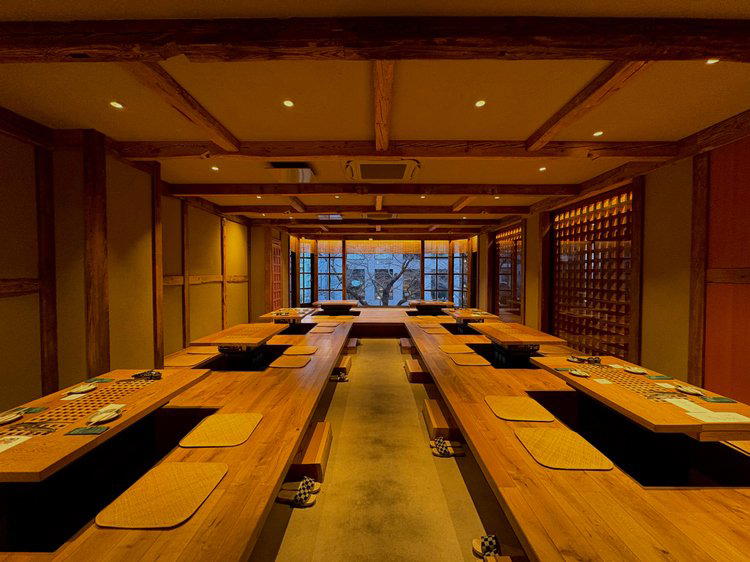
Roppongi after dark can make dinner a negotiation between gloss and appetite: glass towers, late taxis, side-street elevators, and rooms where international polish meets Tokyo’s habit of specialising hard. Here, chicken cuisine is not comfort food; it is sourcing, cut selection, heat management, and the Japanese talent for turning one ingredient into a full evening.
Toriyaki to Torinabe Kakoi fits that lane. Chicken is the framework: grilled preparations on one side, nabe on the other, with an izakaya structure flexible for groups, families, and late dinners. Its selection for the 2025 Tabelog 100 in chicken cuisine matters because Tokyo’s bird-focused dining is unusually deep. Yakitori counters, mizutaki specialists, casual izakaya, and modern charcoal rooms all compete; recognition here means judgment inside a specific tradition, not against general dining rooms.
Chicken as the organising principle, not an afterthought
Tokyo’s serious chicken restaurants tend to split in two. One is counter-led yakitori, where sequencing, skewer size, and binchotan control define the meal. The other is communal, using hot pot, grilled plates, and drinking food to stretch the bird across a table. Toriyaki to Torinabe Kakoi sits closer to the second camp, making ingredient discipline visible differently. Rather than reducing dinner to skewers, it asks whether grilled chicken and chicken hot pot can carry the room through texture, broth, smoke, and shared pacing.
That matters in Roppongi, where restaurants serve mixed audiences without losing focus. A chicken-and-nabe format can absorb celebratory dinners, after-work groups, and visitors wanting a recognisably Japanese meal without a hushed tasting-counter script. The better version depends on how the kitchen handles the bird across methods: quick heat for grilled pieces, longer extraction for broth, and menu architecture that keeps side dishes from stealing the argument.
The award context helps. Tabelog’s chicken-cuisine list is not a broad popularity contest; it isolates a category where Tokyo diners are exacting about value, product, and repetition. In that company, a Roppongi restaurant at this scale must persuade regulars and first-time visitors. The category also resists the luxury shorthand attached to sushi or kaiseki. Chicken restaurants earn trust through consistency, drink compatibility, and making a familiar ingredient precise without becoming precious.
For travellers mapping Tokyo by appetite rather than landmarks, the distinction is useful. Sushi specialists such as . 鮪と炭火焼き うお炭 秋葉原店 and 12/10 Shinjuku ten answer a different craving from a chicken-led izakaya meal. A yakitori address such as 124. KAGURAZAKA (Yakitori) narrows the lens again, making the skewer the unit of judgment. Kakoi’s appeal is broader but still ingredient-specific: dinner built around the bird, with the table rather than the counter setting the rhythm.
Roppongi gives the format a sharper edge
Roppongi is not neutral. The district has long balanced embassies, offices, museums, luxury hotels, clubs, and polished casual dining, rewarding restaurants that read the table quickly. A room serving chicken dishes, izakaya food, and nabe can feel democratic in a neighbourhood that often tilts expensive, while sourcing keeps it from becoming generic. Chicken cuisine works here because it can be convivial without turning vague.
The drink structure reinforces that point. Sake, shochu, wine, and cocktails all appear, placing the meal closer to a drinking-dinner tradition than a single-course specialist shop. Japanese chicken cooking often shows its intelligence here. The ingredient has enough range for rice-based drinks, distilled spirits, and wine; grilled notes, broth richness, and salt seasoning give the table several directions without enforcing one pairing doctrine. In a city where diners may move from hotel bar to dinner to another late drink, that versatility matters.
Scale also changes the experience. A 46-seat room with horigotatsu seating differs from an eight-seat counter, shifting emphasis from chef-facing performance to table comfort, group pacing, and shared dishes. Private use for larger groups and a non-smoking policy place it in Tokyo’s newer, cleaner izakaya-adjacent mode: tavern looseness retained, the room easier for mixed-company evenings. That is meaningful evolution in a category once too easily associated with cramped smoke and after-work noise.
Against Tokyo’s wider dining map, the choice is mood and meal structure. For creative Japanese cooking, the calculus differs at places such as Kukuku or hybrid rooms such as Bia, while Pizza Studio Tamaki Roppongi and La Sfoglina show how the district can turn quickly toward international comfort. Kakoi belongs to the Japanese ingredient-specialist side of the neighbourhood: less formal than a tasting menu, more focused than a catch-all izakaya.
How to place it within a Tokyo dining itinerary
Tokyo rewards diners who choose by format first. A chicken hot pot and grill dinner does not compete directly with curry at 3 Chome no Curry Ya San, graphic café culture at 2D Cafe, or the seafood-and-charcoal axis of Akihabara. It fills a separate slot: the night when the table wants Japanese cooking, a drinks-friendly meal, and a single-ingredient throughline.
That slot suits visitors staying near central Tokyo hotels, because Roppongi connects easily with art stops, nightlife, and cross-town transport. For broader planning, Our full Tokyo restaurants guide helps separate specialist counters from group-friendly rooms, while Our full Tokyo hotels guide, Our full Tokyo bars guide, Our full Tokyo wineries guide, and Our full Tokyo experiences guide shape the rest of the evening.
The broader Japanese comparison is instructive. Regional specialists such as -Grilled beef Sukiyaki- KAMAKURA TANUKIAN 鎌倉 たぬき庵 in Kamakura.cafe in Osaka.know in Kumamoto, (Shoku) Vietnam in Kawasaki, [Curry Senmon Ten] Maruyama Kyoju. in Sapporo, and [ki:] in Kyoto show how Japanese dining culture often builds authority through focus rather than breadth. Even outside Japan, venues such as Jōdo Saké Bar in Los Angeles and Onigiri Time in Pasadena prove how single-category clarity travels.
The editorial read is simple: choose Toriyaki to Torinabe Kakoi when the evening calls for chicken treated as a full cuisine, not a menu subsection. The Tabelog 100 chicken-cuisine recognition supplies external validation, but the stronger signal is the format itself: grill, hot pot, drinks, and Roppongi accessibility working together without pretending to be a formal counter meal.
Price and Recognition
Comparable venues by cuisine and category.
| Venue | Cuisine | Price | Notes |
|---|---|---|---|
| Toriyaki to Torinabe KakoiThis venue — the venue you are viewing | Minato, Yakitori & chicken hot pot | $$$ | Not listed |
| はなぶさ 麻布十番店 | Not listed | $$$ | Azabu-Juban, Kansai-Style Charcoal-Grilled Unagi |
| Izumi | Minato, Premium Sushi | $$$ | Not listed |
| Onikuya Keisuke Sannanbo | Not listed | $$$ | Shibuya, Refined Yakiniku & Beef Tongue in Hiroo |
| Tori Nago Ebisu ten | Shibuya, Duck hot pot & chicken izakaya | $$$ | Not listed |
| Tempura Osaka | Minato, Seasonal Tempura Omakase | $$$ | Not listed |
Recognition history
Dated appearances from independent guides and award organizations, with the underlying list record or original source where available.
Tabelog 100 #83 · No. 83
Tabelog · Tabelog 100 - Chicken cuisine - 2025









At a Glance
- Cozy
- Modern
- Intimate
- Trendy
- After Work
- Casual Hangout
- Date Night
- Group Dining
- Solo
- Chefs Counter
- Standalone
- Sake Program
- Beer Program
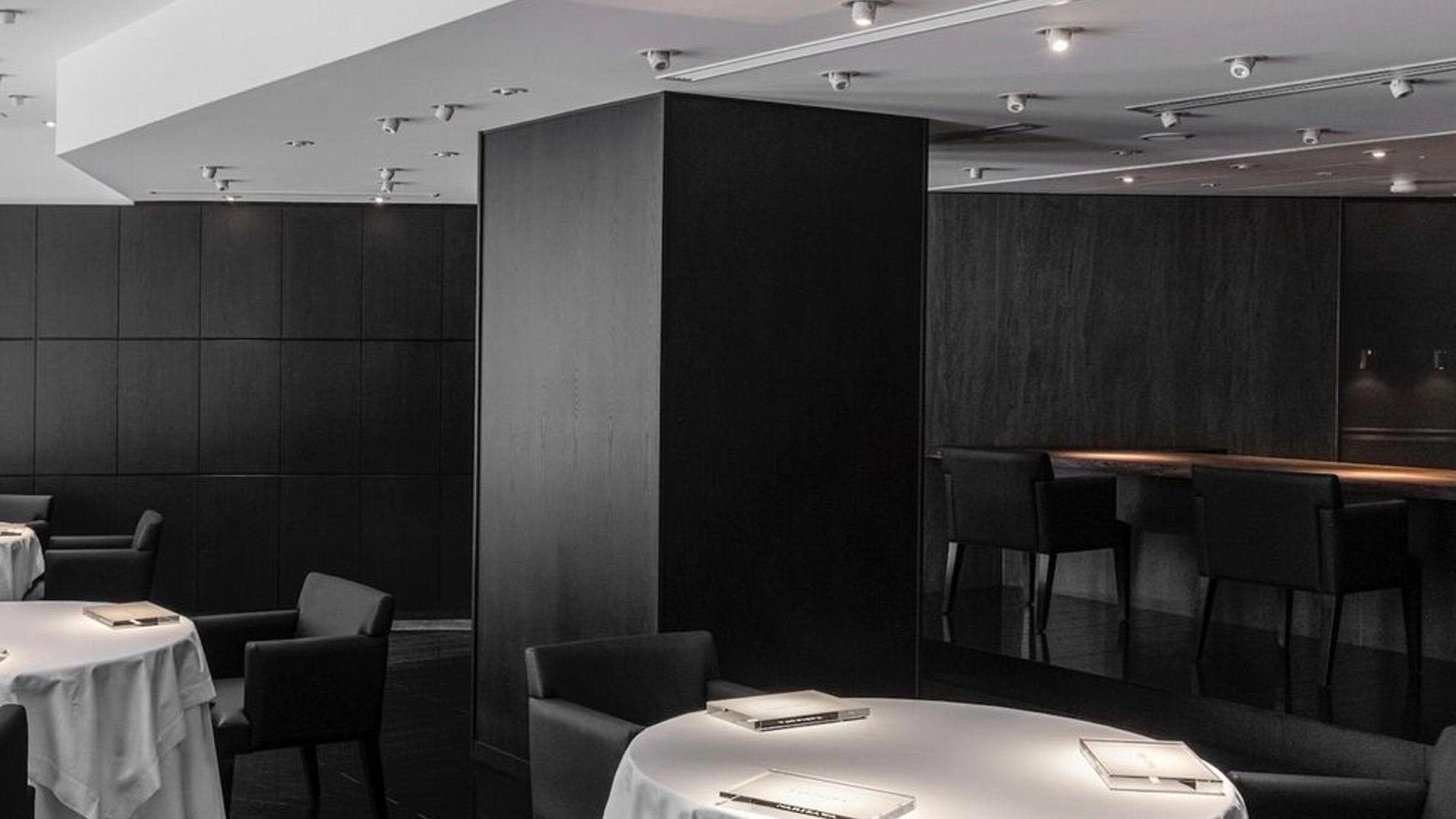
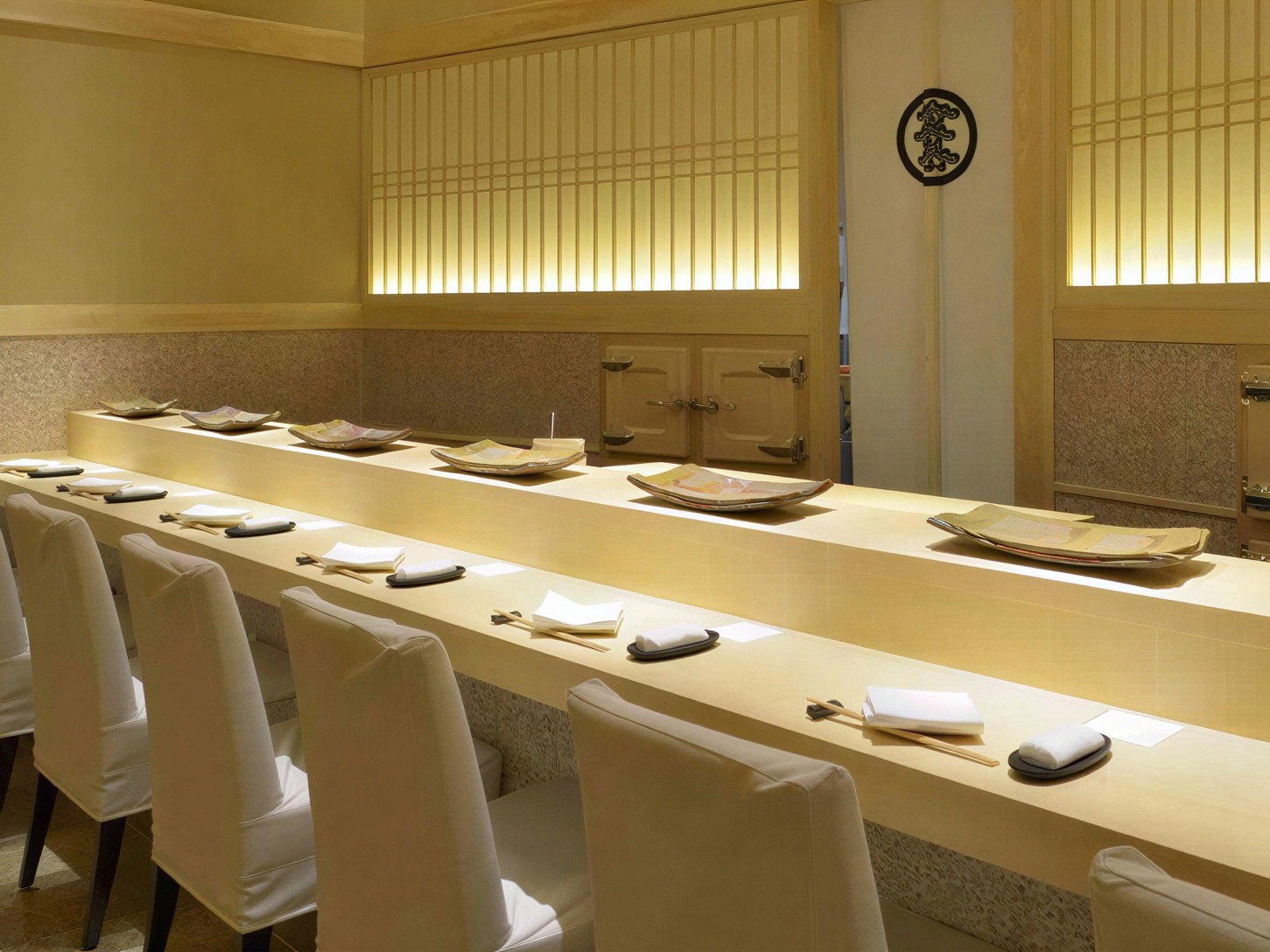
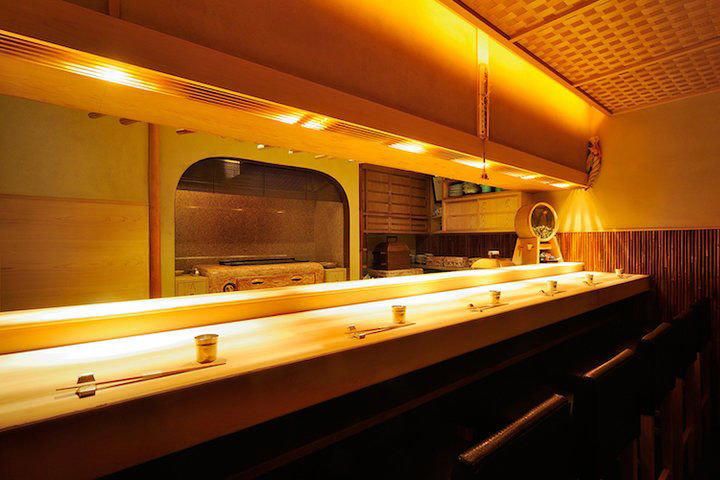
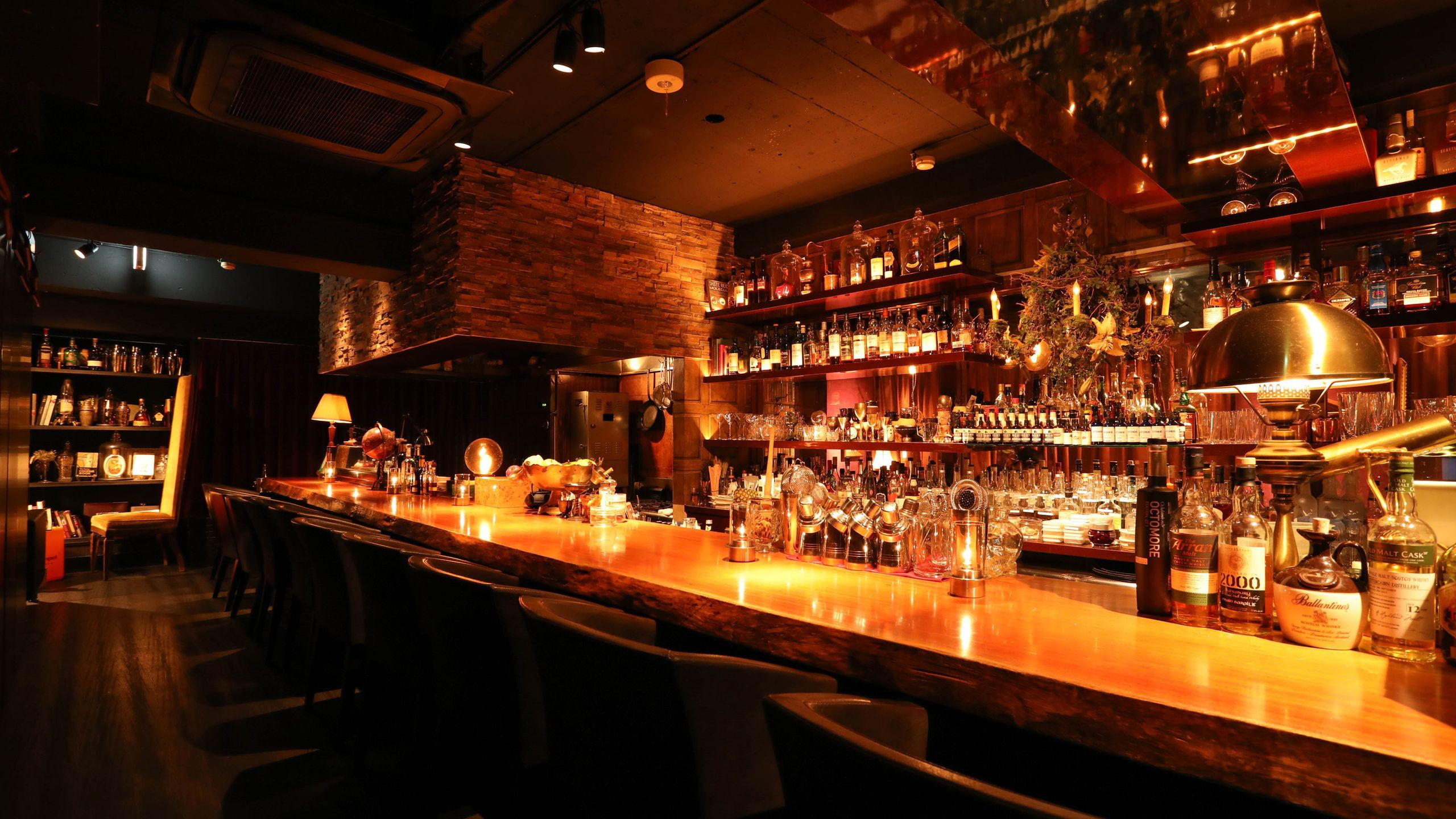
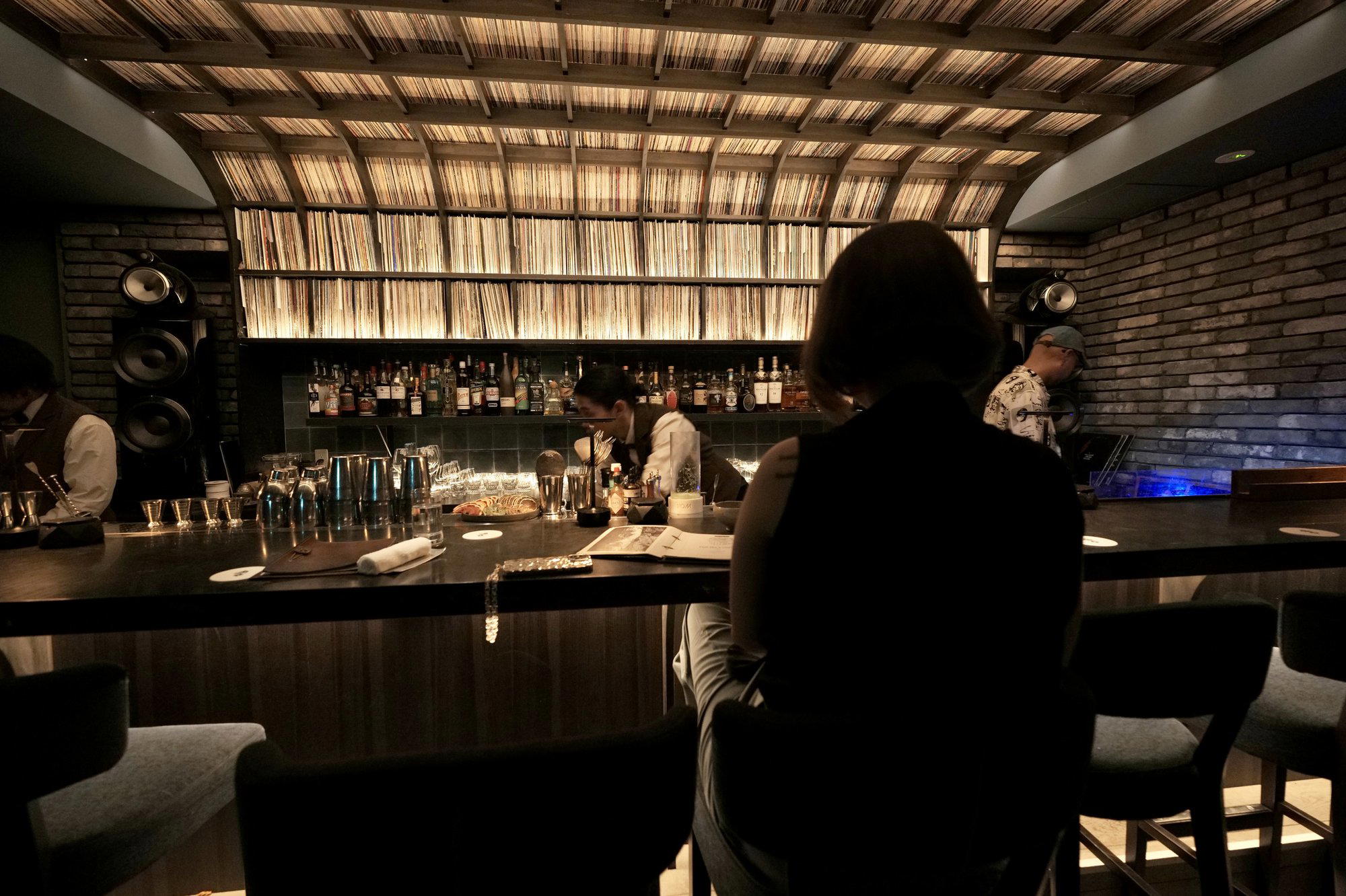
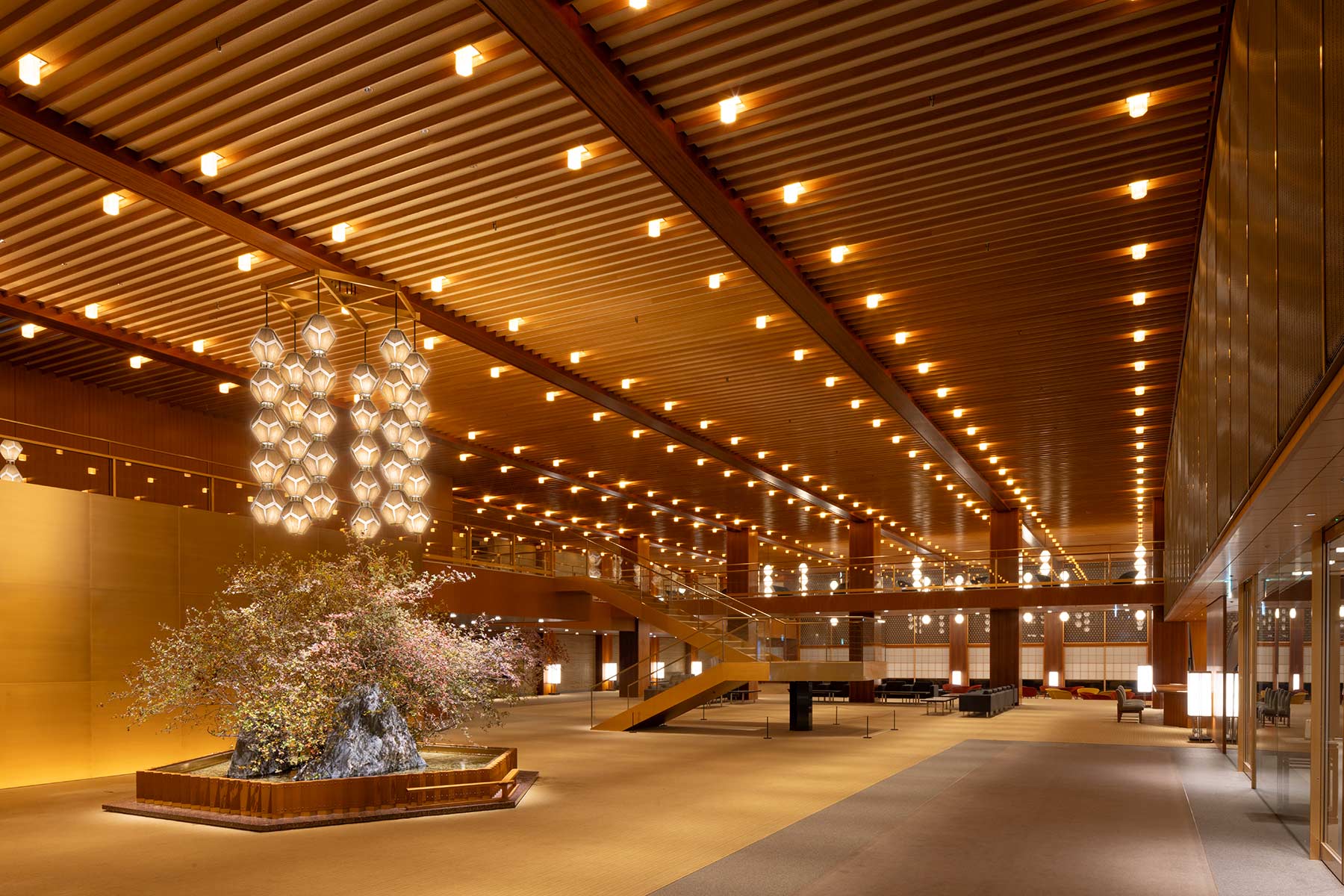
A small, modern izakaya-style space with counter and table seating, warm lighting, and a relaxed but energetic atmosphere suited to casual dinners and drinks.