
Shoan sits in Arakicho’s grown-up soba-and-drinks lane, where buckwheat noodles share the table with Japanese dishes, fish, sake, shochu, and wine rather than functioning as a quick station meal. Its selection for Tabelog 100 Soba EAST in 2024 and 2025 places it in a serious Tokyo category: small, reservation-led rooms where planning matters.
Pearl is the En Primeur Club membership app — saves, bookings, and concierge access live there. Same editors, same standards.
- Address
- Japan, 〒160-0007 Tokyo, Shinjuku City, Arakicho, 3−2 北島ビル 101
- Phone
- +81 3-3356-6626
- Website
- tabelog.com
 Saves & bookings on Pearl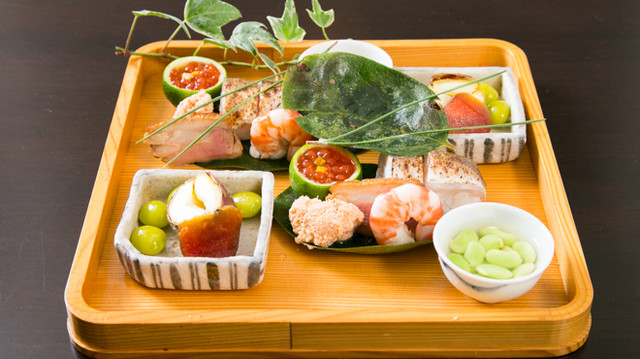
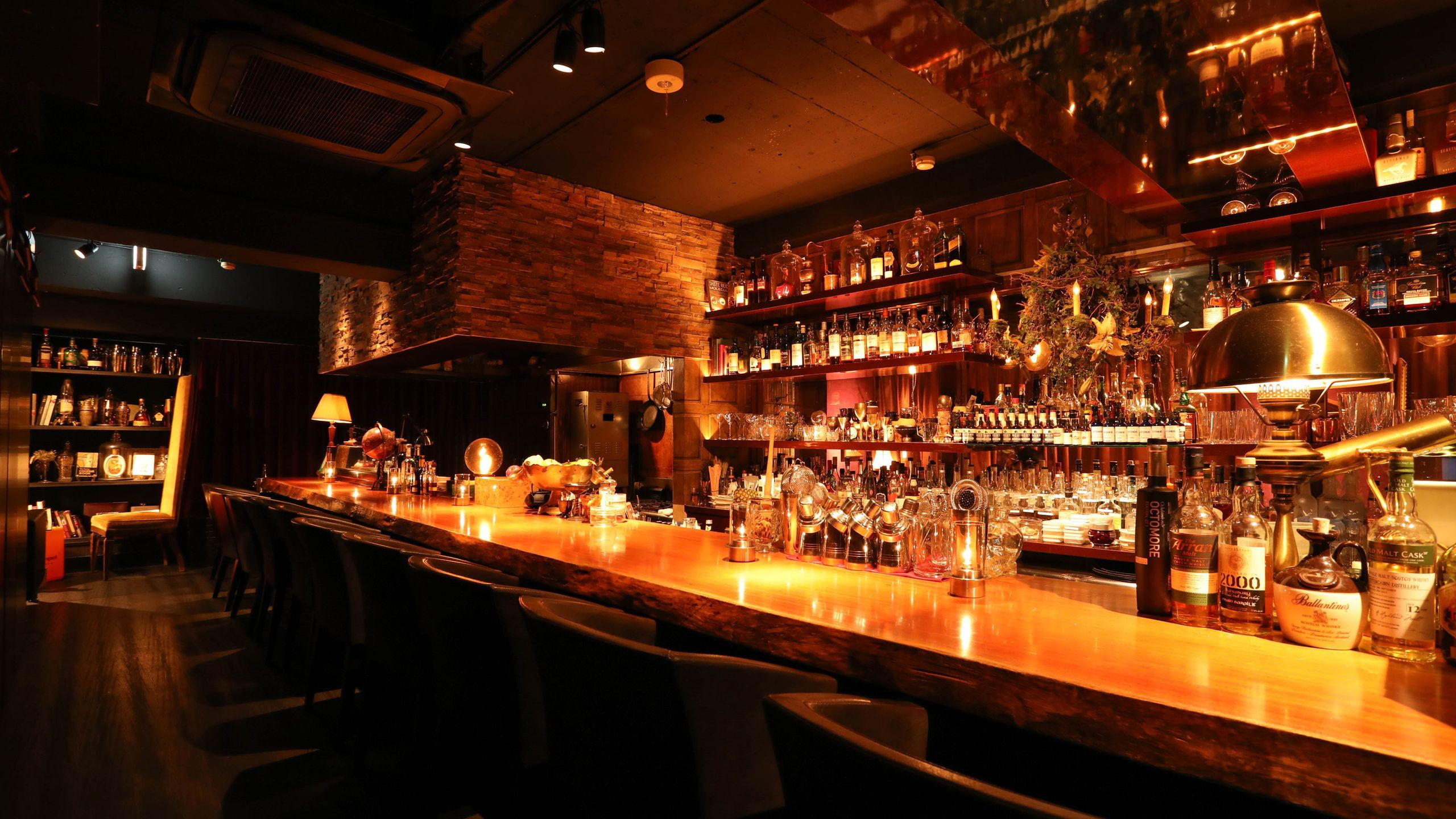
Arakicho changes character after dark. The old entertainment quarter near Yotsuya Sanchome is not Tokyo’s loudest dining district; it works by low signs, narrow approaches, and rooms that reward diners who know why a soba meal can stretch into an evening. In that setting, Shoan belongs to the city’s adult soba tradition: buckwheat noodles framed by Japanese dishes, fish, and drinks, not the quick lunch-counter version of the form.
Tokyo soba is often misunderstood by visitors because the category covers two separate habits. One is speed: standing counters, commuter bowls, and efficient nourishment. The other is slower and more expensive: soba as the closing point of a meal built around seasonal Japanese cooking and alcohol. Shoan sits firmly in the second camp, with a dinner budget listed at JPY 10,000 to JPY 14,999 and drinks spanning sake, shochu, and wine. That pricing puts it closer to a compact kappo-adjacent evening than to casual noodle tourism.
Arakicho's soba rooms ask for planning, not impulse
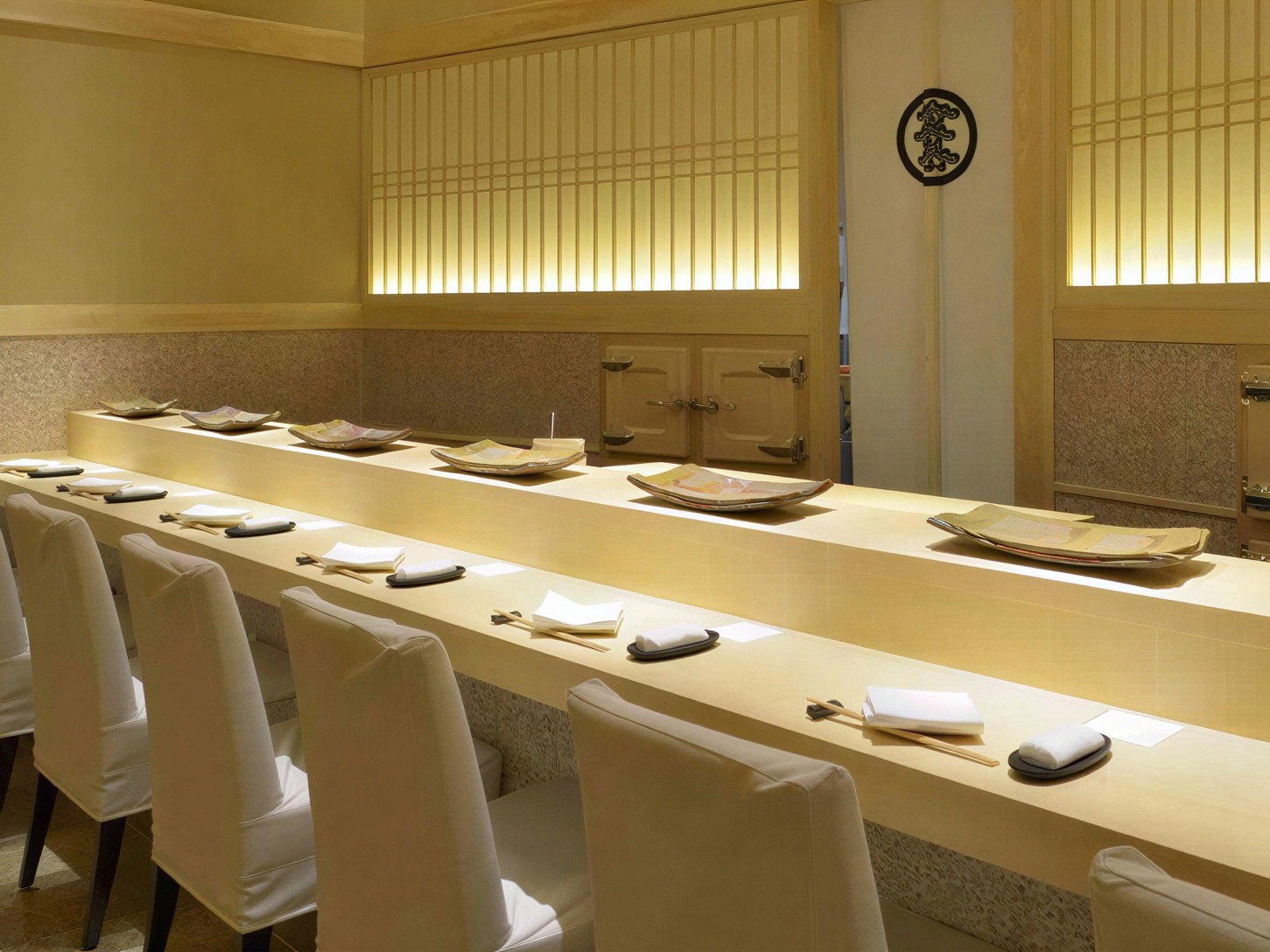
The booking experience matters here because scale is part of the appeal and the constraint. The room is listed at 14 seats, split between tables and counter seating, with reservations available. That means this is not a venue to leave as a late-night fallback after Shinjuku plans collapse. It is better treated as a deliberate dinner slot, especially for travelers trying to compare Tokyo’s smaller Japanese formats rather than chasing only sushi, tempura, or kaiseki.
The Tabelog 100 Soba EAST selections in 2024 and 2025 give the room a useful trust signal. Tabelog’s Hyakumeiten lists are category-specific, which matters in Japan: they do not flatten every restaurant into the same prestige hierarchy. A soba recognition places Shoan inside a peer conversation about buckwheat craft, closing noodles, and the supporting dishes that make a soba-ya worth a full evening. The listed score of 3.72 is also meaningful in the local context, where incremental differences on Tabelog often carry more weight than they would on broader review platforms.
Arakicho gives that format a sympathetic backdrop. The district has long suited restaurants that work at a lower volume than Shinjuku’s commercial avenues, and its dining identity leans toward repeat-visitor rooms: counter seats, sake-led pacing, and menus that make more sense when diners are comfortable eating across categories. For a nearby contrast in Tokyo’s broader restaurant range, 12/10 Shinjuku ten reflects the pull of Shinjuku proper, while 124. KAGURAZAKA (Yakitori) points to another neighborhood where small-format Japanese dining shapes the night.
Soba as the final act, with drinks doing real work
A serious soba dinner in Tokyo rarely begins and ends with noodles. The appeal is in the progression: snacks and Japanese dishes first, drinks alongside, then soba as the clean structural close. Shoan’s category listing includes soba and Japanese cuisine, with fish given particular emphasis and a drinks program that includes sake, shochu, and wine. That combination speaks to a familiar Tokyo pattern: the noodle course remains central, but the meal is built for pacing rather than speed.
This is where the restaurant’s competitive set becomes more interesting than a simple “soba place” label. In the same city, a diner might choose tonkatsu at Sharikimon Chawambu, crab-focused Spanish cooking at Ubuka, Chinese cooking at Noyashichi, or kaiseki at Sharikimon Onozawa 車力門おの澤. Shoan asks a different question: whether a restrained buckwheat-led dinner, supported by fish and drinks, is the sharper move for the evening. For travelers already eating across Tokyo, that distinction is useful. The point is not maximal variety in one sitting; it is the confidence of a narrow tradition handled at dinner length.
There is also a practical cultural note in the format. Soba rooms at this level are often quieter than ramen shops and less ceremonial than high-end sushi counters. They suit diners who want Tokyo’s craft without the choreography of an omakase performance. Counter seating can make the meal feel compact and direct, while tables allow the evening to unfold more socially. The room’s small seat count means both modes remain limited by design.
How to fit Shoan into a Tokyo dining plan
Shoan works well as a planned dinner in a larger Tokyo itinerary, not as a one-stop proof of the city’s food culture. Pair it intellectually with other narrow-format restaurants and the city starts to read more clearly: yakitori, soba, curry, sushi, kaiseki, kissaten, and bars each operate by their own rules. Nearby and cross-city comparisons help calibrate expectations, from 3 Chome no Curry Ya San to . 鮪と炭火焼き うお炭 秋葉原店, with lighter daytime detours such as 2D Cafe showing how quickly Tokyo changes register between meals.
For a broader Tokyo plan, use Our full Tokyo restaurants guide alongside Our full Tokyo hotels guide, Our full Tokyo bars guide, Our full Tokyo wineries guide, and Our full Tokyo experiences guide. Outside the capital, the same planning logic applies to specialist formats such as -Grilled beef Sukiyaki- KAMAKURA TANUKIAN 鎌倉 たぬき庵 in Kamakura.cafe in Osaka.know in Kumamoto, (Shoku) Vietnam in Kawasaki, [Curry Senmon Ten] Maruyama Kyoju. in Sapporo, and [ki:] in Kyoto. Japanese drinking culture also travels well abroad, as seen at Jōdo Saké Bar in Los Angeles and Onigiri Time in Pasadena.
The editorial read is simple: choose Shoan when the goal is a grown-up soba dinner with recognized category credibility and a small-room rhythm. Choose elsewhere if the night calls for spectacle, late improvisation, or a broad menu built for indecision. Tokyo rewards specificity, and soba rewards diners who understand that the quietest meal can be the one that teaches the category most clearly.
Local
Comparable venues for cuisine and category context.
| Venue | Cuisine | Price | Notes |
|---|---|---|---|
| ShoanThis venue — the venue you are viewing | Traditional Japanese Soba | $$$ | Not listed |
| Shiomi | Handmade Soba and Japanese Cuisine | $$$ | Shinjuku |
| Toriyaki to Torinabe Kakoi | Yakitori & chicken hot pot | $$$ | Minato |
| Pretty Pork Factory & Katsu Puripo | Pork-focused Japanese shabu-shabu, samgyeopsal & tonkatsu | $$$ | Shibuya |
| Hakushū Teppanyaki | Kobe Beef Teppanyaki | $$$ | Shibuya |
| Shinsen Ichinoya | Traditional Kanto-style Unagi (grilled eel) | $$$ | Shibuya |
Recognition history
Dated appearances from independent guides and award organizations, with the underlying list record or original source where available.
Tabelog 100 #71 · No. 71
Tabelog · Tabelog 100 - Soba - EAST - 2025












At a Glance
- Quiet
- Classic
- Cozy
- Intimate
- Solo
- Casual Hangout
- Business Dinner
- Standalone
Current opening hours
- Monday
- 6 PM–1 AM
- Tuesday
- 6 PM–1 AM
- Wednesday
- 6 PM–1 AM
- Thursday
- 6 PM–1 AM
- Friday
- 6 PM–1 AM
- Saturday
- 6 PM–1 AM
- Sunday
- Closed
Hours can change for holidays and private events. Last verified .
Stylish, tucked-away, and intimate, with a calm hidden-gem feel that appeals to adults seeking a quiet soba meal.